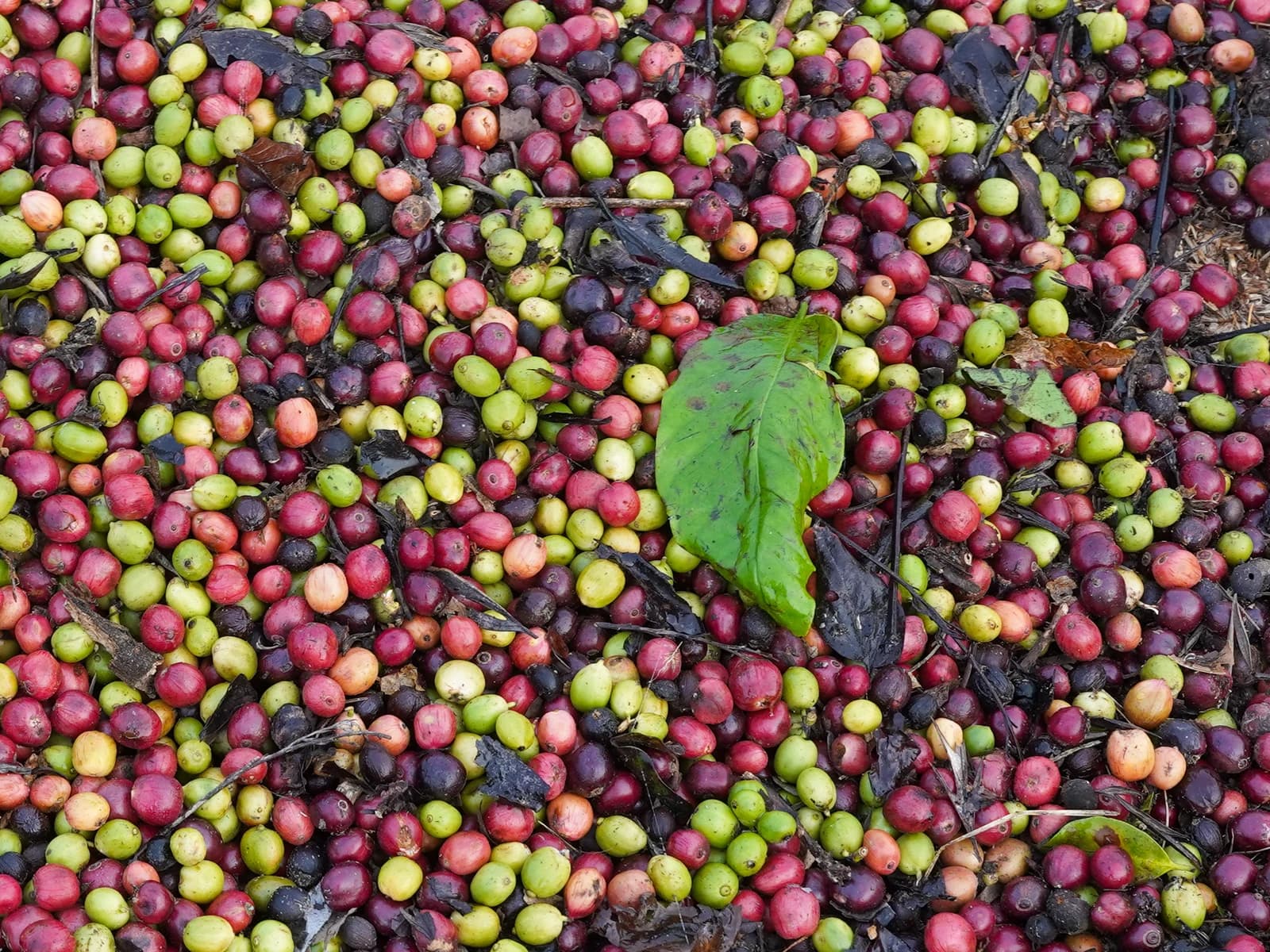
Coffee prices climbed for a third straight session on Oct. 7, pushing Arabica to a 3.5-week high and Robusta to a six-week high, while Vietnamese domestic prices edged up just 200 dong a kilogram. For investors and food companies, that combination matters because it points to a market that is tightening again just as global roasters, traders and café chains were hoping for relief.
Coffee prices rise as Arabica and Robusta hit highs
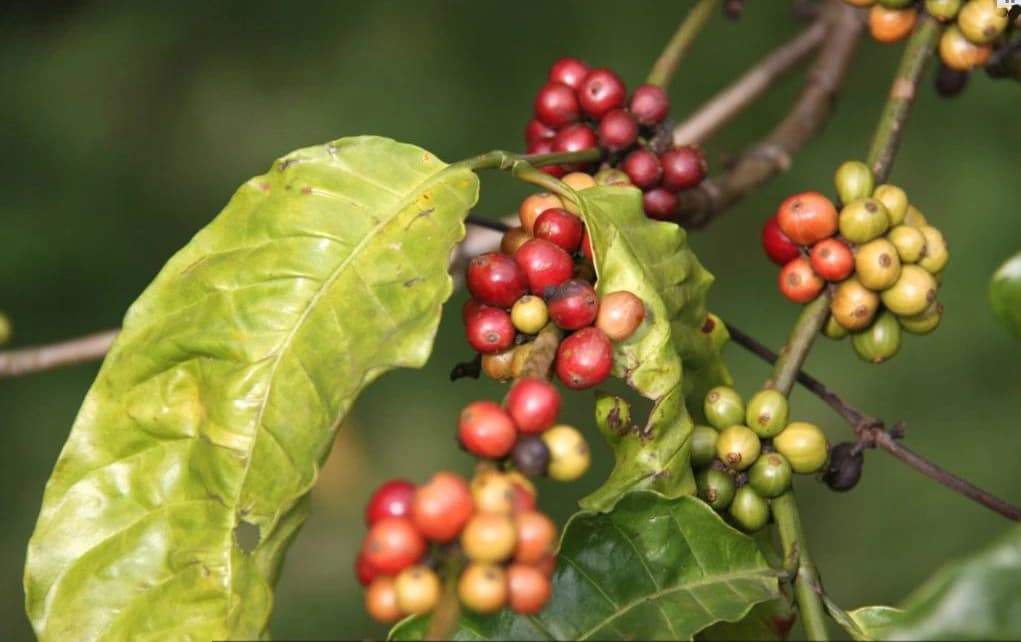
The move is important because coffee is a classic input-cost story with real knock-on effects. When futures rise, the pressure doesn’t stay confined to the exchange screen: it filters into export pricing, roaster margins, packaged coffee costs and eventually retail menus. That matters for everything from Vietnamese growers and exporters to global buyers such as Starbucks, restaurants and coffee brands that rely on steady bean supply.
Sentiment IndicatorsⓘProprietary · adalytica.com · October 8, 2026
This is a snapshot — live sentiment, awareness and momentum for 130+ markets update continuously in the dashboard.Open AlphaPulse
In London, Robusta futures for November delivery rose 1.76% to $3,590 a ton, while January 2027 contracts gained 1.85% to $3,577. In New York, Arabica for March 2027 jumped 4.06% to 295.85 cents a pound and May contracts rose 4.13% to 292.5 cents. The rally leaves Arabica at its strongest level in 3.5 weeks and Robusta at a six-week peak.
The catalyst is familiar but powerful: Brazil. A stronger Brazilian real has reduced the incentive for growers there to sell into export markets, and traders are also watching unusually warm temperatures in coffee regions despite widespread rainfall. When Brazil hesitates to sell, the world’s most important coffee origin can tighten nearby supply quickly, especially in a market already prone to weather-driven spikes.
For Vietnam, the world’s biggest Robusta producer, the move is supportive but not transformative on its own. Domestic coffee prices in the Central Highlands rose to 93,600-94,200 dong a kilogram, a modest increase that suggests local sellers are tracking the firmer global tone. The bigger story is that Vietnamese exports have remained resilient even after a year of softer pricing. Coffee shipments from Vietnam reached about 124,000 tons in the first nine months of 2026, up 53% from a year earlier, while export value slipped 7% to about $6.6 billion because average export prices fell 16.66%.
That gap between volume and value tells the real story for investors: the industry can still move product, but pricing power remains fragile. A rebound in futures helps exporters, growers and warehouse owners in the short run, yet it can also squeeze buyers if the rally extends into the next shipping cycle. The market is now looking toward the 2026-2027 crop year starting in November, when fresh supply from Vietnam could ease some pressure if weather cooperates.
For long-term investors, coffee remains a volatile but investable theme only if you focus on the businesses with pricing power, sourcing discipline and balance-sheet strength. The current rally is another reminder that agricultural commodities can turn quickly on weather, currency moves and export behavior. That is exactly why diversified exposure, not big single-bet calls, tends to work best over years, not weeks.
| Entity | Gains | Losses |
|---|---|---|
| Coffee growers in Brazil | ▲Better export economics | ▼Buyers of Brazilian beans |
| Vietnamese exporters | ▲Higher local selling prices | ▼Roasters facing input costs |
| Coffee roasters and cafés | ▲None in the short term | ▼Margin pressure |
| Long-term diversified investors | ▲Better entry points in quality names | ▼Short-term commodity traders |