Nestle India’s warning that “rising inflation, particularly food inflation” is a reality matters because it points to a simple but powerful risk for investors: costs are rising faster than consumer companies can comfortably pass them on.
Nestle India flags food inflation pressure on FMCG margins
That is the central issue facing India’s fast-moving consumer goods sector now. Input costs have climbed again in the September quarter, squeezing margins just as companies were trying to protect festive-season demand by holding back on price increases. For mass-market and rural brands, where shoppers are especially sensitive to even small price changes, the trade-off is brutal: raise prices and risk losing volume, or absorb the pain and watch profitability erode.
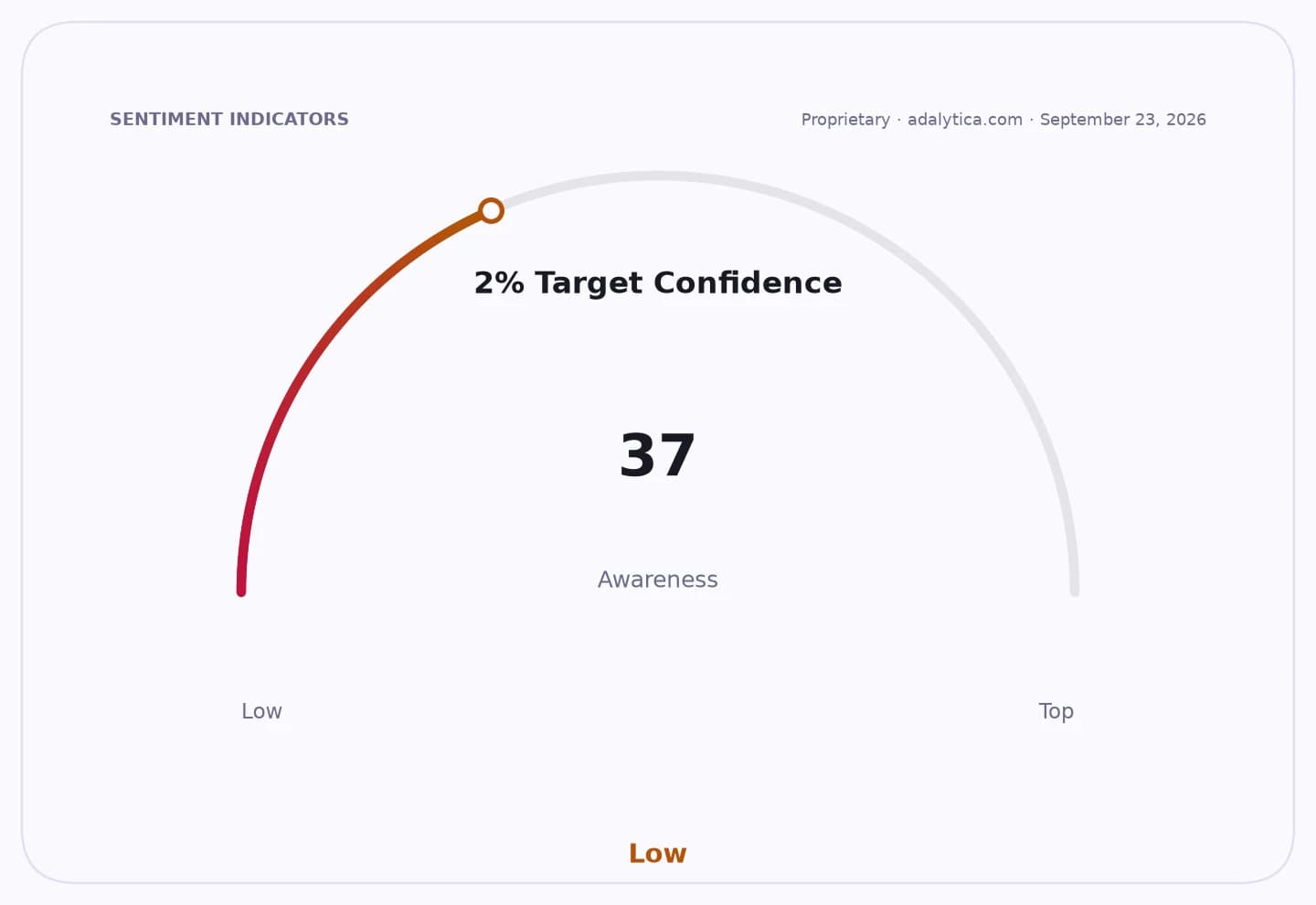
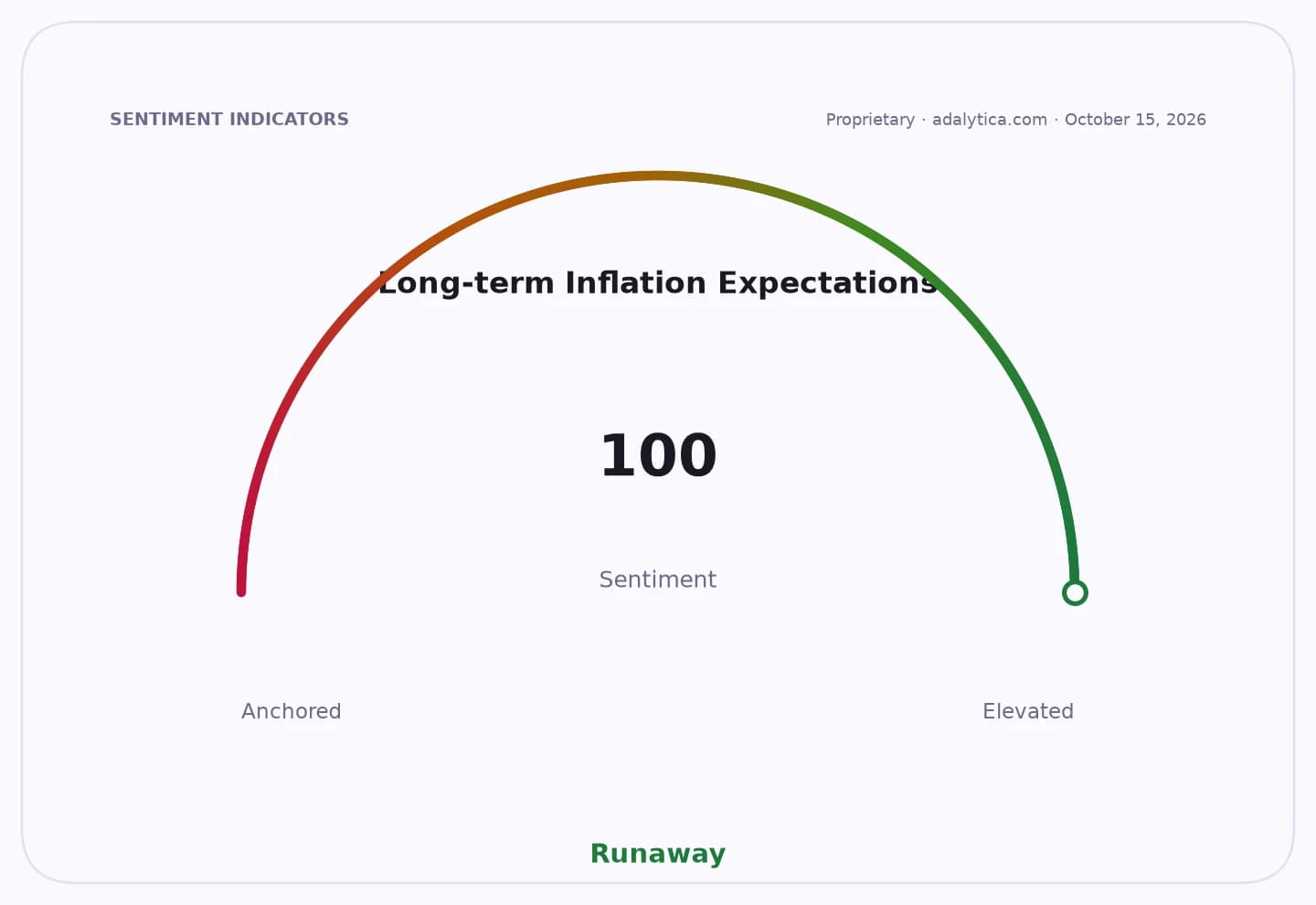
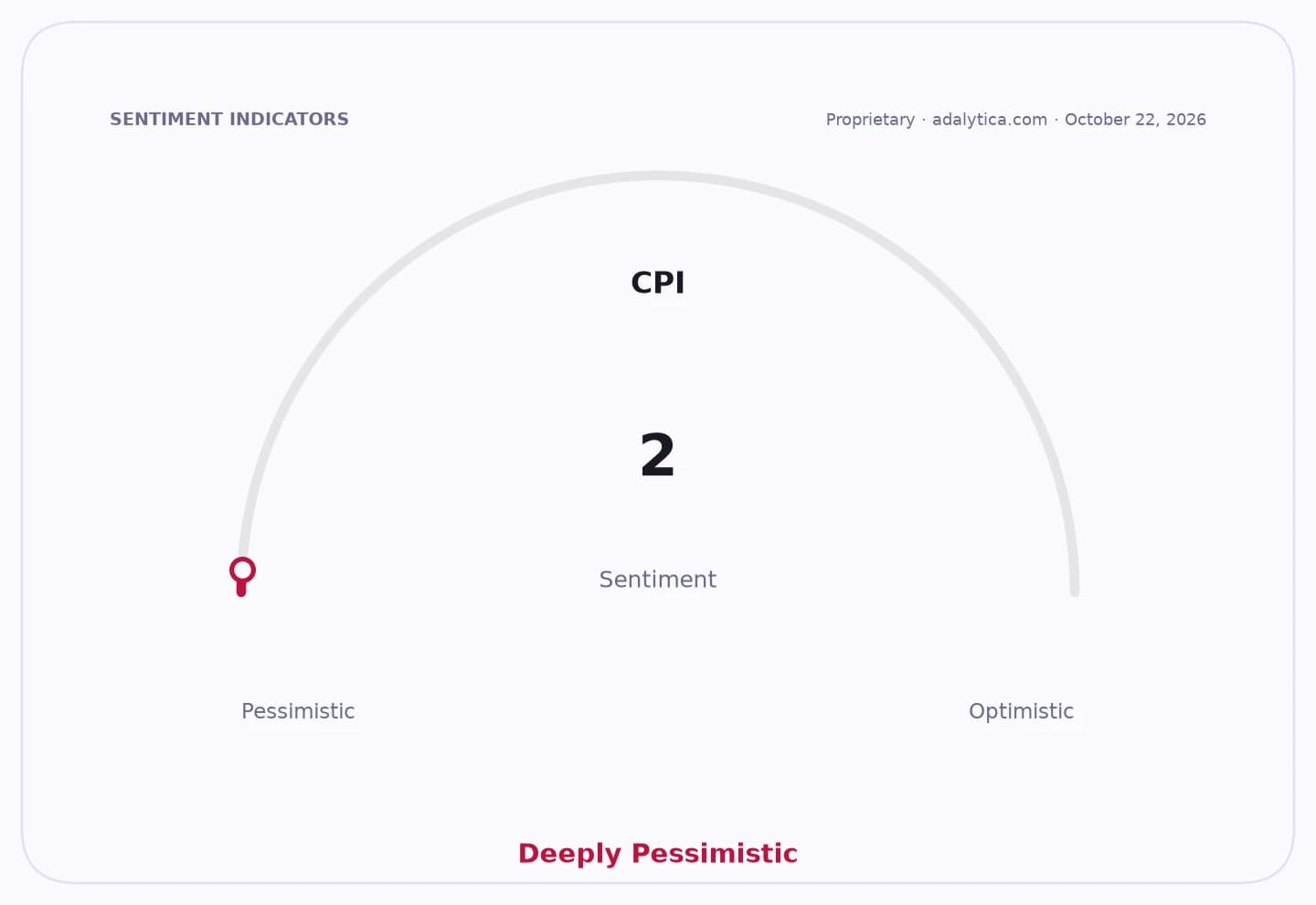
Sentiment IndicatorsⓘProprietary · adalytica.com · October 21, 2026
This is a snapshot — live sentiment, awareness and momentum for 130+ markets update continuously in the dashboard.Open AlphaPulse
The pressure is broad-based, but a few items are doing the damage. Palm oil was about 21% higher year over year in rupee terms in September, while sugar was still roughly 18% higher even after easing month on month. Crude-linked derivatives and packaging materials are also adding strain. Grant Thornton Bharat estimates pre-results operating margin compression of about 45 basis points across a group of major consumer staples companies, with some firms facing declines of as much as 150 basis points.
For Nestle India and peers, that means the next few quarters are less about chasing headline sales growth and more about defending free cash flow and margin discipline. Companies are already using efficiency gains, procurement savings and lower discounts to soften the blow. Some, including Parle Products, are openly considering price increases only after the festive season, with December cited as a possible starting point. That tells you how cautious management teams are: they do not want to break consumption momentum just as demand has been holding up in urban and rural India.
The bigger economic story is that food inflation can become self-reinforcing. If consumers see staples getting more expensive, they trade down to cheaper brands, buy smaller packs or reduce purchase frequency. That hurts premium and mass-market players alike, because value growth can mask weaker underlying volumes. It also adds pressure to rural demand, which is already vulnerable to uneven monsoons and the possibility of El Niño-related weather disruption.
Investors should pay attention because FMCG stocks are usually prized for stability, but that stability depends on pricing power. When commodity inflation is running hot, the best-run companies often outperform the weakest, yet even strong franchises can see earnings estimates come down before margins recover. In that environment, the winners tend to be firms with diverse product portfolios, strong distribution and the balance sheet to absorb short-term shocks.
The market backdrop reinforces that caution. Nestle India shares have been holding above both the 50-day and 200-day moving averages, and momentum indicators such as RSI remain elevated, suggesting investors have already started to price in resilience. But technical strength does not erase the fundamental risk if input costs stay elevated into the December quarter and beyond. The real question is not whether companies can raise prices eventually, but whether they can do so without permanently denting demand.
For long-term investors, this is still a sector worth owning, but selectively. The secular opportunity in packaged foods and branded consumption in India remains intact. What changes from quarter to quarter is the path of earnings, and right now that path is being narrowed by food inflation. Keep an eye on commodity trends, rural demand and management commentary on pricing. If inflation eases, margins can snap back quickly. If not, the best consumer stocks may simply have to endure a longer stretch of pressure before the next leg of compounding begins.
| Entity | Gains | Losses |
|---|---|---|
| FMCG companies with pricing power | ▲Better ability to protect margins | ▼Less volume risk than peers, but still pressured |
| Mass-market and rural FMCG brands | ▲Steady demand if prices stay contained | ▼Harder to pass on higher costs |
| Consumers | ▲Short-term stability if companies absorb costs | ▼Higher prices later if hikes arrive |
| Commodity suppliers | ▲Stronger realizations for palm oil, sugar and related inputs | ▼Demand risk if FMCG firms cut purchases |