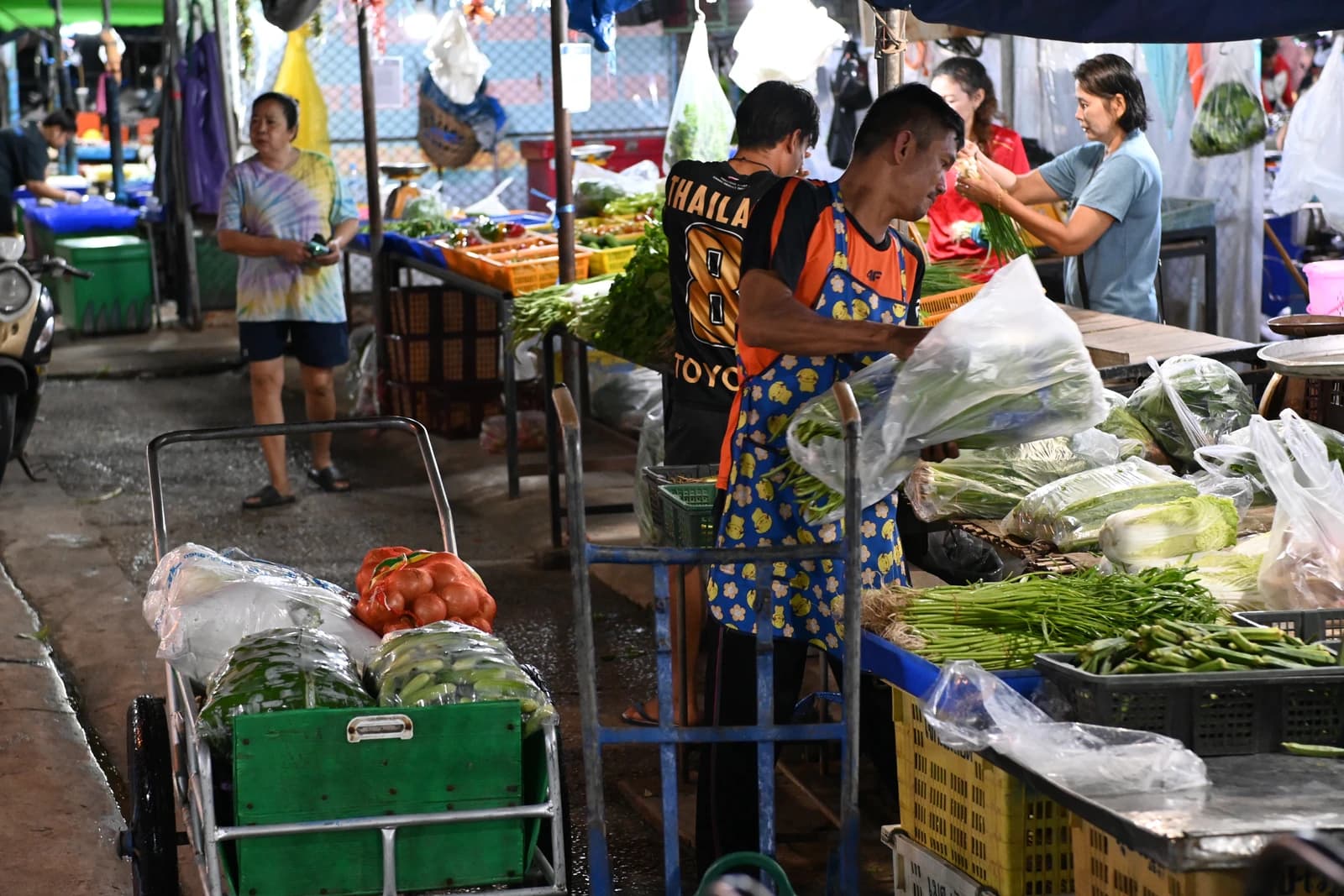
Long rains and weak sunlight have jolted Japan’s leafy vegetable market, and the squeeze is now hitting restaurant menus and procurement plans.
Japan vegetable prices hit restaurant chains
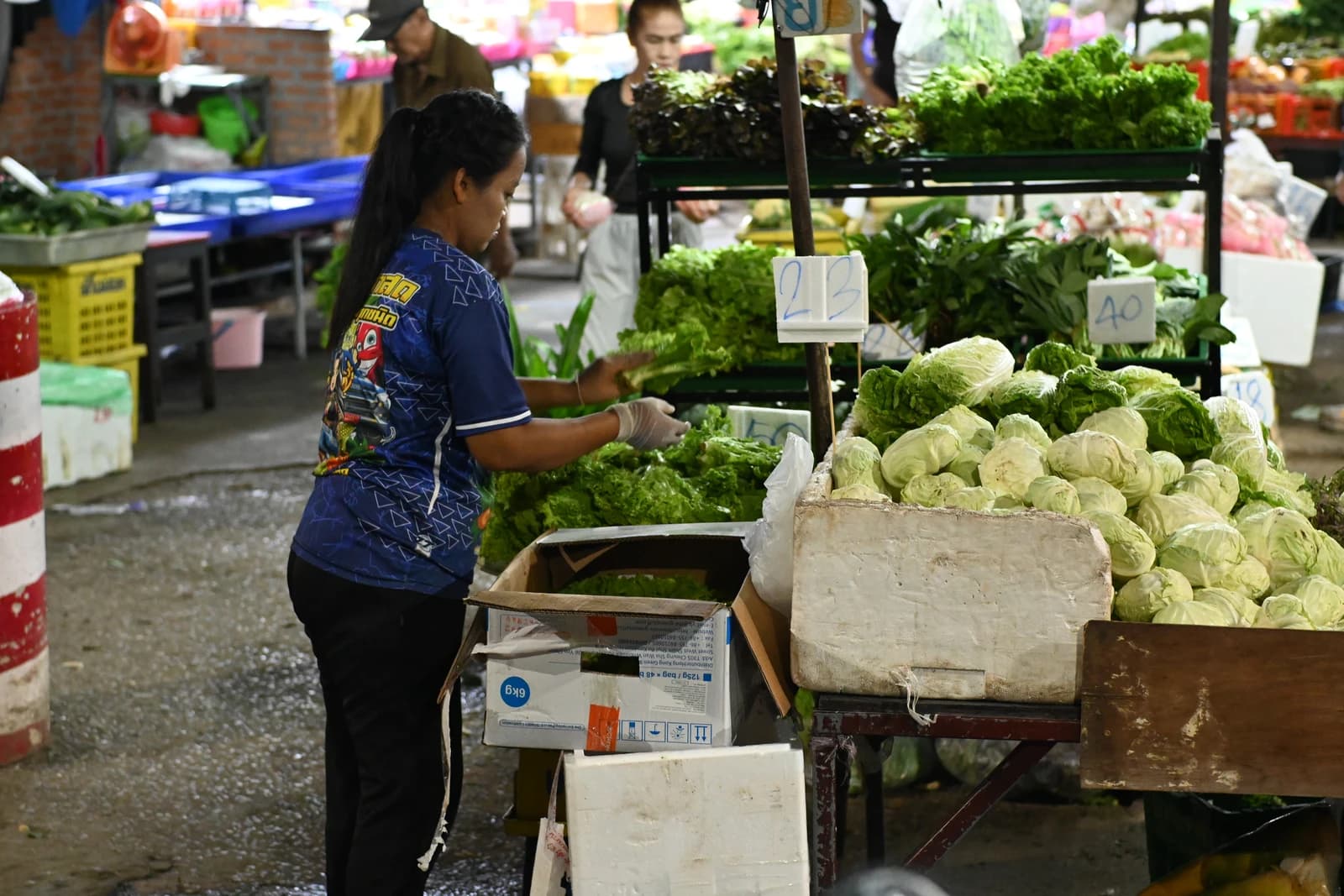
That matters because this is not just a seasonal nuisance. Lettuce has doubled from its five-year average, Chinese cabbage is about 70% more expensive and cabbage is up roughly 50%, forcing chains to swap ingredients, widen sourcing and in some cases cancel dishes altogether. For restaurants, fresh produce is a high-frequency cost input that can quickly erode margins if the shock lasts beyond a few weeks.
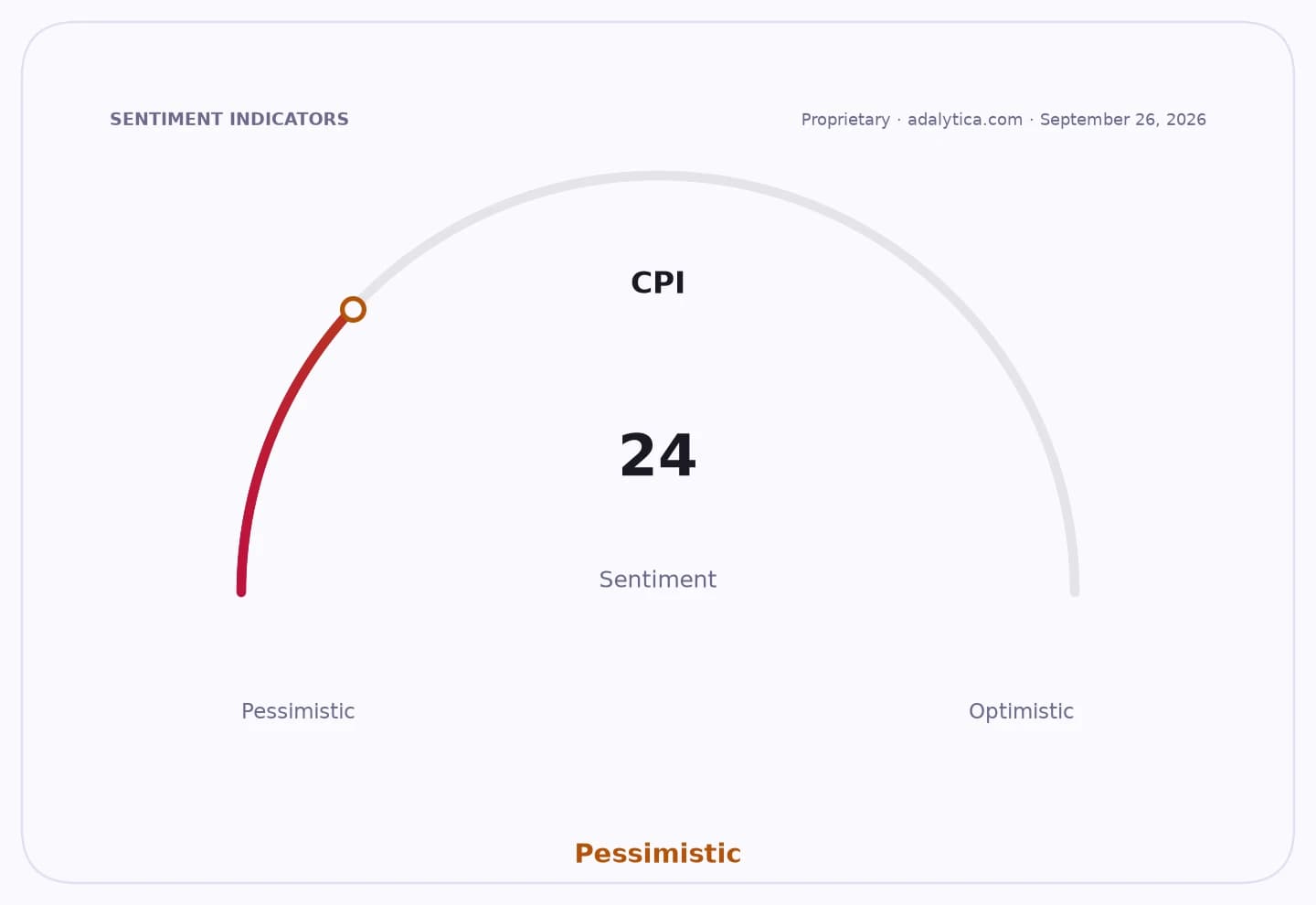
Sentiment IndicatorsⓘProprietary · adalytica.com · October 20, 2026
This is a snapshot — live sentiment, awareness and momentum for 130+ markets update continuously in the dashboard.Open AlphaPulse
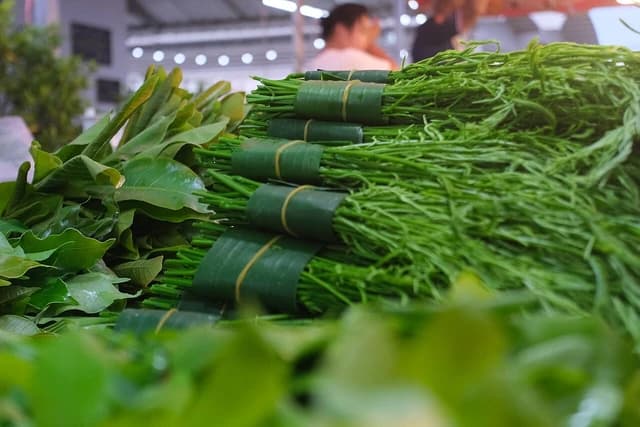
Royal Host has already started replacing lettuce with cabbage and kale in set salads and side dishes across its 218 stores, after first switching from sunny lettuce in mid-September. The company warned some items could be pulled entirely depending on supply. Mos Food Services, which operates Mos Burger, says it can still cover demand by shifting production areas, but is considering menu changes if green leaf shortages drag on. Japan McDonald’s has broadened domestic sourcing and is importing from the U.S., South Korea and Malaysia to keep menus stable.
The price spike is broad-based. Japan’s agriculture ministry said lettuce fetched 1,143 yen per kilogram in early October, about twice the five-year average, while Chinese cabbage sold for 501 yen and cabbage for 310 yen. Officials expect supply tightness to persist at least through the end of the month, leaving little visibility for restaurant buyers trying to lock in costs.
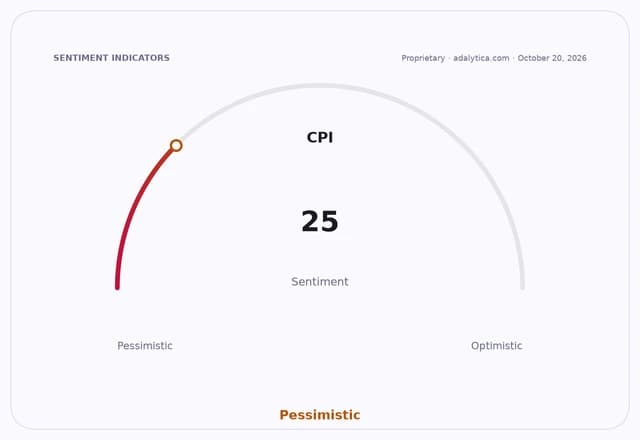
For investors, the immediate story is margin pressure. Chains that rely heavily on fresh vegetables face a choice between absorbing higher procurement costs, narrowing their menus or passing some of the pain to customers already sensitive to price increases. The companies with the strongest supply networks and the most flexibility in menu engineering should fare best.
The longer-term implication is bigger than one rainy month. Japan’s restaurant industry is learning the same lesson retailers and food makers have already absorbed: climate volatility is becoming part of the cost structure. That favors operators with diversified sourcing, better forecasting and the ability to reformulate recipes quickly, while smaller chains with tighter supplier bases are more exposed.
For long-term investors, this kind of weather shock is usually not a thesis-breaker for restaurant stocks on its own, but it is a reminder that food inflation can arrive from the supply side just as consumer demand is slowing. The winners are the chains that can protect traffic and pricing power at the same time. The rest may need to live with thinner margins until the fields recover.
| Entity | Gains | Losses |
|---|---|---|
| Restaurant chains with diversified sourcing | ▲More menu flexibility | ▼Lower short-term procurement stress |
| Royal Host / Mos Food / McDonald's Japan | ▲Can adapt supply chains | ▼Face higher input costs |
| Farmers with remaining leafy supply | ▲Better selling prices | ▼Production shortfalls still hurt volumes |
| Investors in resilient operators | ▲Stronger relative margin protection | ▼Exposed chains with tight supplier networks |