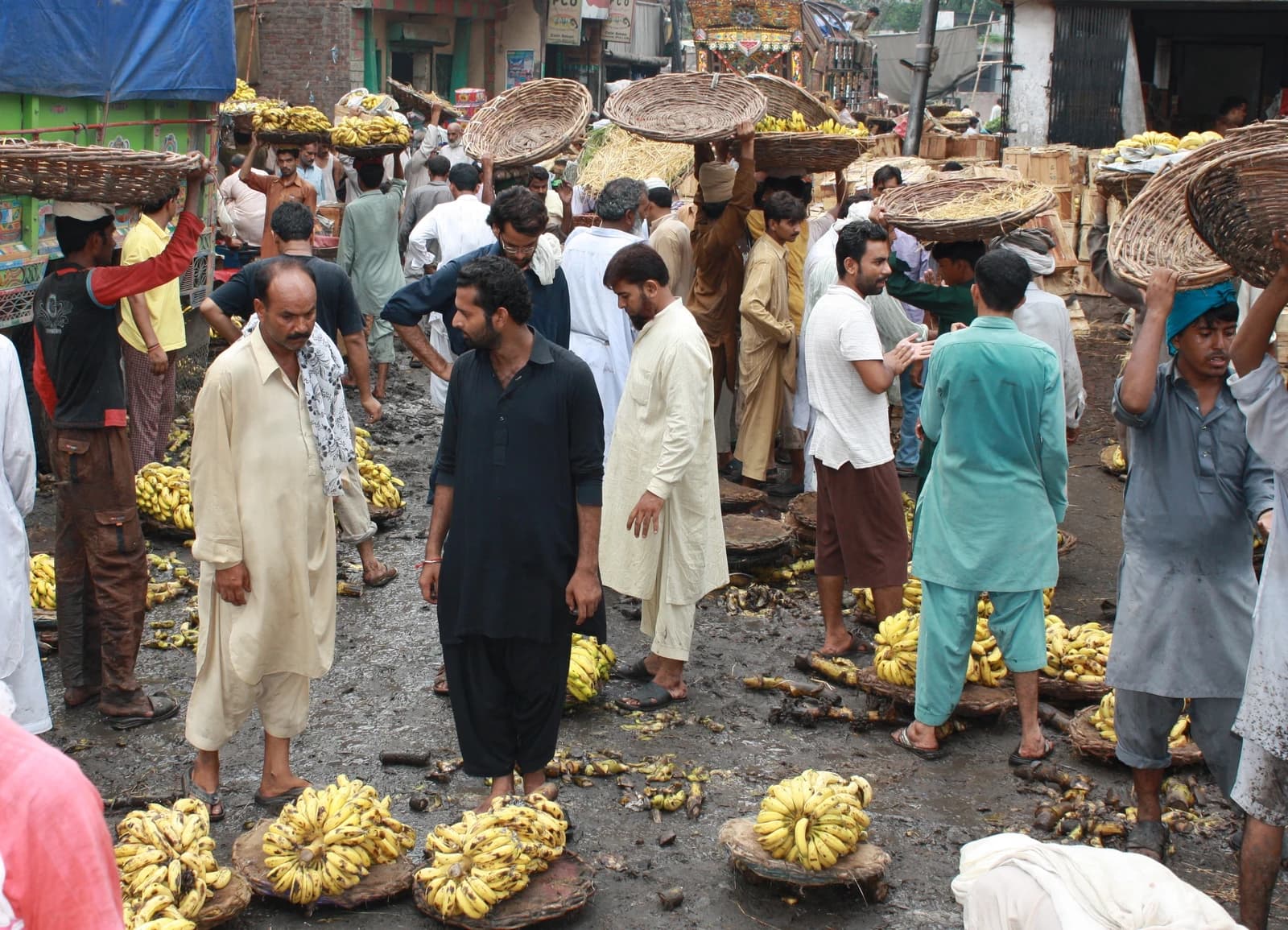
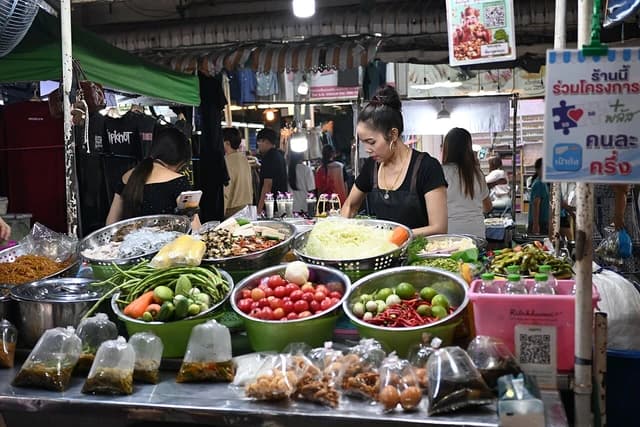
Vegetable prices are rising again as drought and broader food-cost pressures feed into an inflation backdrop that is proving harder to shake than policymakers hoped.
Vegetable Prices Rise as Drought Pressures Inflation
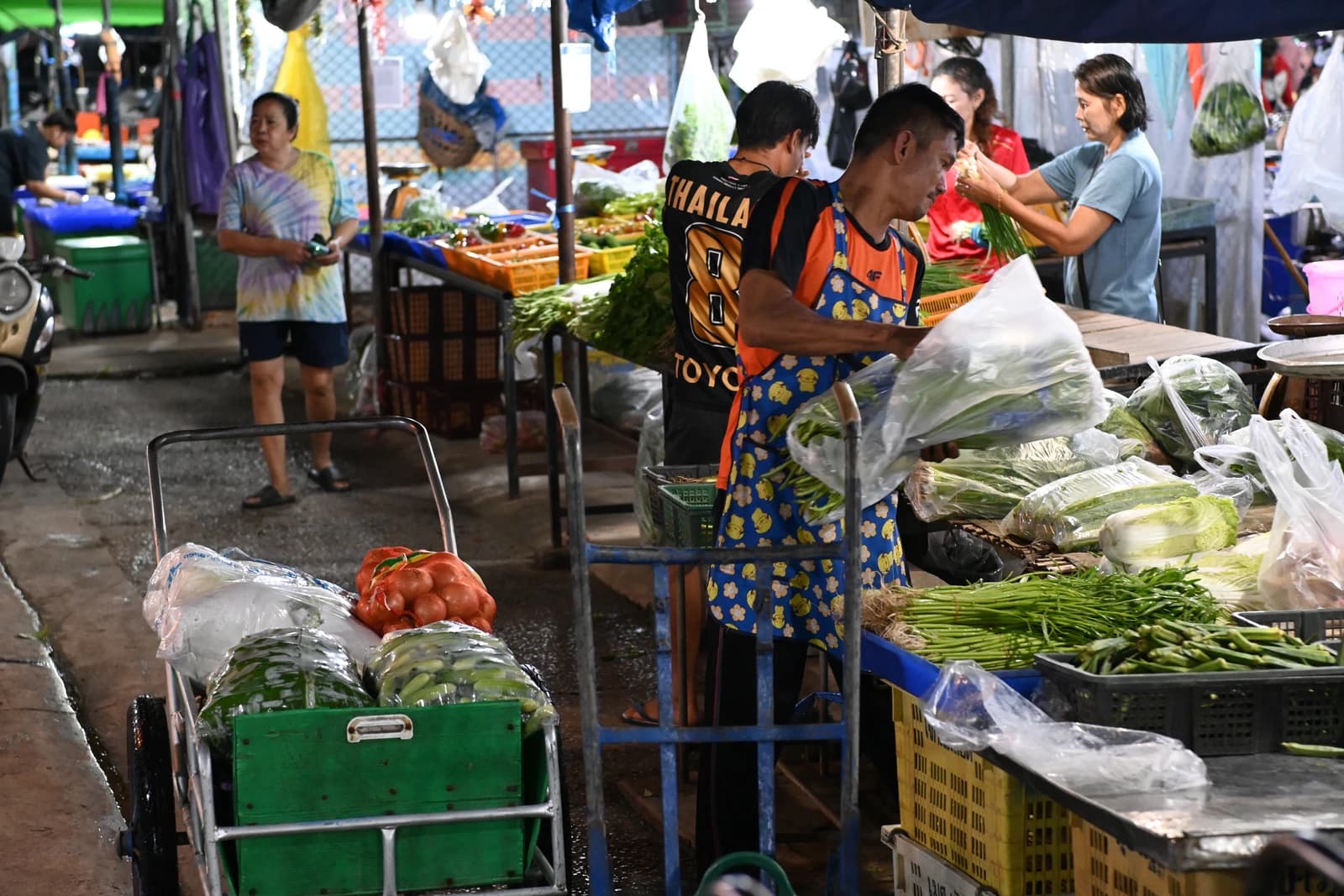
The latest data show consumer prices still elevated, with the U.S. Consumer Price Index at 336.298 in September, while producer prices also remain firm at 287.928 in August. That combination matters because food price shocks can bleed from farms to grocery shelves quickly, keeping headline inflation sticky even when broader demand is cooling.
Sentiment IndicatorsⓘProprietary · adalytica.com · October 15, 2026
This is a snapshot — live sentiment, awareness and momentum for 130+ markets update continuously in the dashboard.Open AlphaPulse
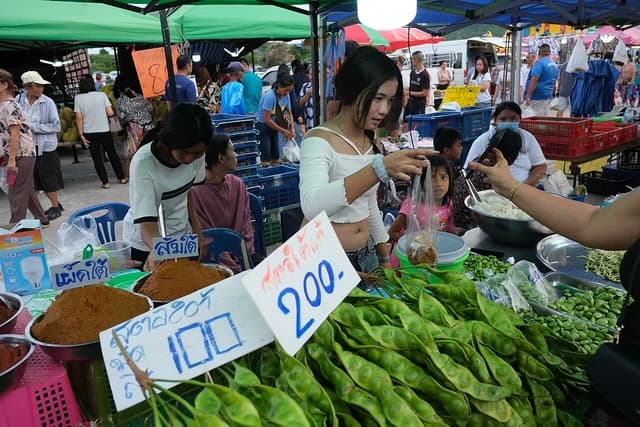
For investors, the move reinforces the case for volatility in food and agriculture names, especially agribusinesses exposed to weather-driven supply swings. Commodity-linked funds such as the Invesco DB Agriculture Fund, which tracks a basket of farm products, have traded above both their 50-day and 200-day moving averages in recent sessions, a sign that crop-price support has remained intact even as momentum indicators have cooled.
The pressure is also landing unevenly across the food chain. Growers can benefit from higher selling prices, but retailers and food distributors face a tougher mix of higher input costs and potentially softer consumer demand if grocery inflation keeps climbing. That is the same margin squeeze flagged in company filings from grocers, which have warned that food inflation and deflation can materially affect sales and profitability.
Shares of fertilizer producer Mosaic have swung sharply this year as traders weigh crop economics and supply disruptions. Archer-Daniels-Midland has also been volatile, reflecting how closely the market links farm profitability to weather, energy and global pricing power.
The macro picture adds to the risk. Inflation expectations remain firm enough to keep central banks cautious, and any fresh jump in food prices would complicate efforts to declare the inflation fight over. Investors will be watching the next inflation prints, weather reports and crop updates for signs that drought-driven vegetable costs are a temporary spike or the start of another leg higher in food inflation.
| Entity | Gains | Losses |
|---|---|---|
| Vegetable growers | ▲Higher produce prices | ▼Higher water and input costs |
| Grocery retailers | ▲Limited pass-through power | ▼Margin pressure from food inflation |
| MOS / ADM | ▲Stronger crop-price backdrop | ▼Volatile earnings from supply shocks |
| Consumers | ▲None | ▼Higher supermarket bills |