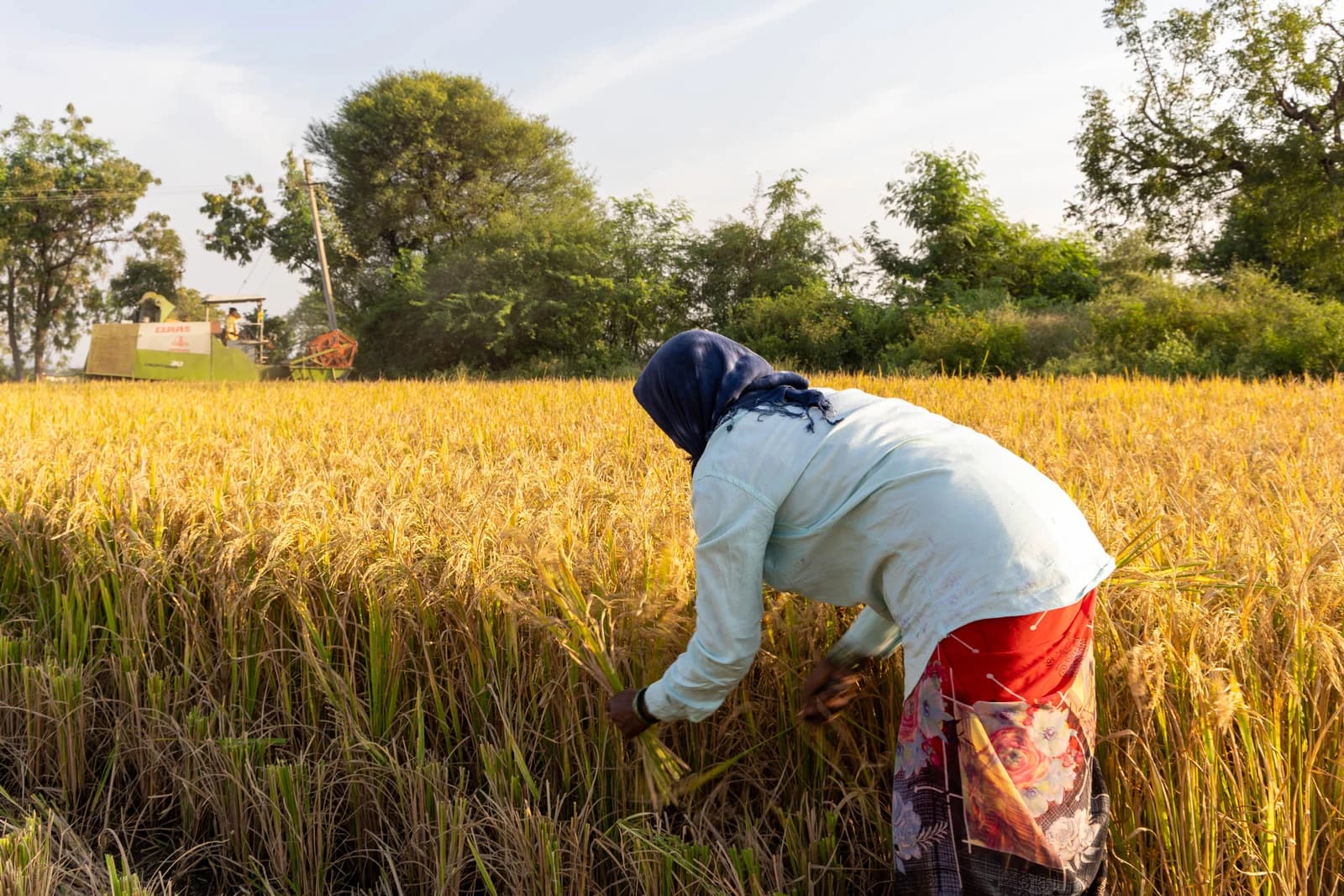
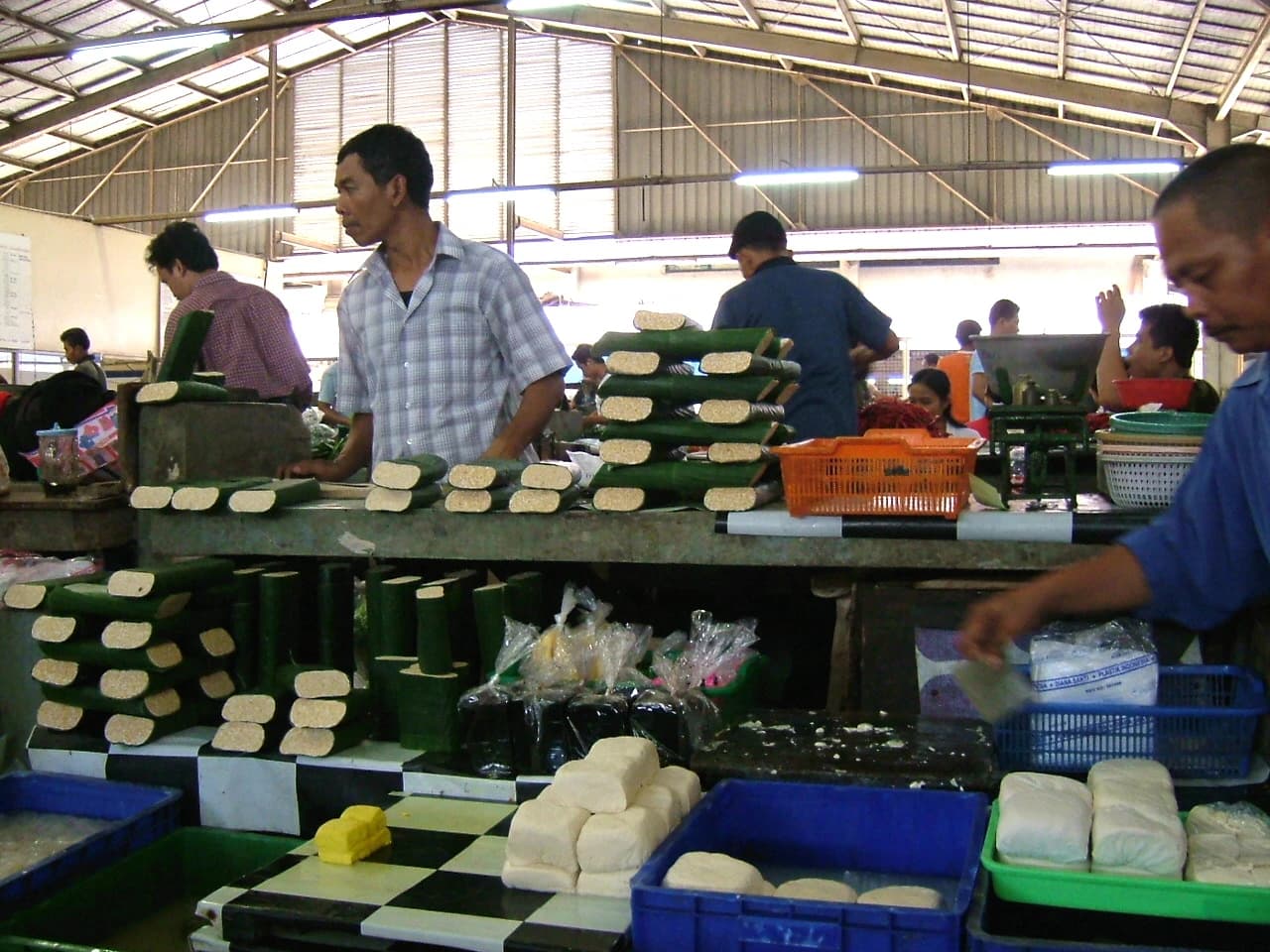
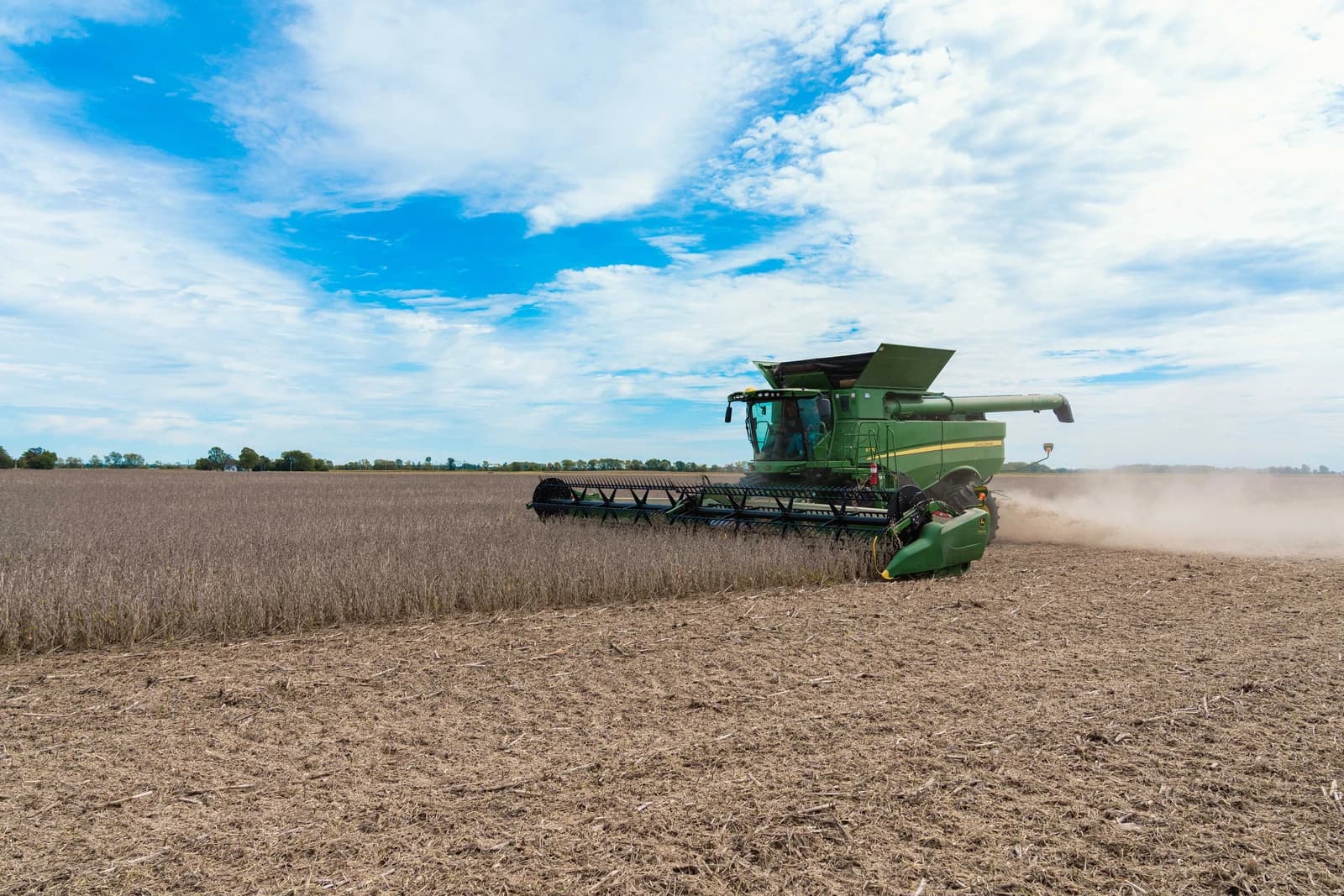
Thailand’s animal-feed bill is rising fast enough to squeeze livestock producers, even as farm-gate meat prices barely move, and that mismatch is the real market story. Corn prices at factory silos have climbed to 612 baht per “hab,” from 588 baht, while imported soybean meal has been lifted to 18.85 baht a kilogram from 18.70 baht, tightening margins for poultry and pork producers across the country.
Thailand feed costs rise as livestock margins shrink
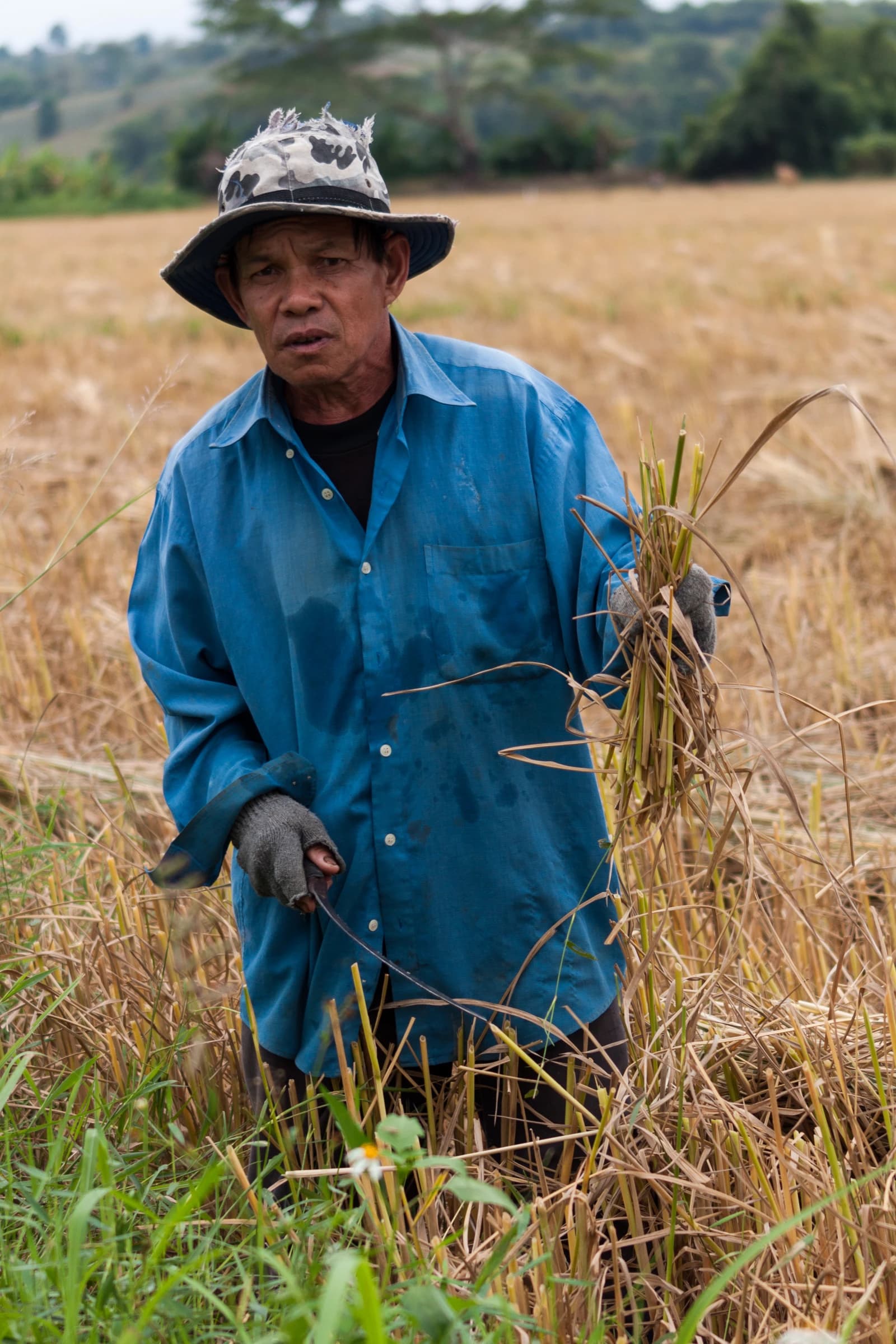
That matters because feed is the largest cost line for much of Thailand’s livestock sector. When corn, soybean meal and rice — all core feed inputs or substitutes in the agricultural chain — rise together, producers have limited room to absorb the shock. National poultry farmers are already reporting losses of as much as 15% from a 75% jump in feed costs, according to the news context, a sign that the pressure is no longer theoretical. If the squeeze persists, higher costs will eventually filter through to chicken, egg and milk prices, with direct implications for inflation and household purchasing power.
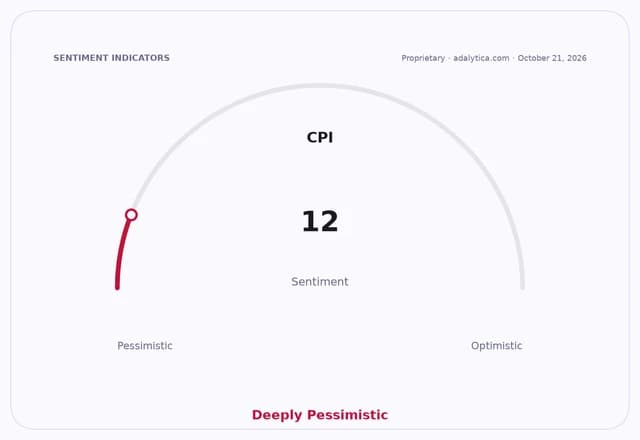
Sentiment IndicatorsⓘProprietary · adalytica.com · October 21, 2026
This is a snapshot — live sentiment, awareness and momentum for 130+ markets update continuously in the dashboard.Open AlphaPulse
The market is getting a mixed global signal. Chicago corn futures for December delivery fell 0.57% to $4.7800 a bushel after the USDA surprised traders by raising U.S. crop output forecasts, while soybean futures dropped 1.12% to $12.63 a bushel, the lowest in seven weeks, as new-crop supply started to reach the market. But those international declines have not yet translated into lower domestic Thai prices, where local supply conditions, logistics and import economics still keep feed ingredients elevated.
That disconnect is what investors should watch. The immediate winners are grain and oilseed processors, importers with pricing power and companies able to pass through costs. The losers are integrated livestock operators and smaller farmers who cannot reprice finished products quickly enough. In Thailand, live hog prices are still holding at 62-68 baht a kilogram by region, broilers are stuck around 43 baht a kilogram, and egg prices remain unchanged at 4 baht apiece, leaving producers with little relief while input costs rise.
There is also a policy floor under the story. Thailand’s Cabinet has approved 120 million baht in support measures for the 2026/77 animal-feed corn crop, underscoring how seriously officials view the risk of oversupply one month and cost inflation the next. That intervention may stabilize parts of the feed market, but it does not solve the underlying problem: the livestock industry is trapped between expensive raw materials and weak pricing power.
The broader narrative is that Thailand’s agricultural chain is entering a new margin cycle. Rice prices are rising too, with 100% grade 2 white rice and broken rice both moving higher, which adds another layer of food-cost pressure across the ecosystem. For investors, the key takeaway is simple: the market underestimates how quickly feed inflation can become a profit warning for livestock names, and over time the most attractive positions are the toll-road businesses — grain traders, feed distributors and processors with scale — rather than the farmers absorbing the shock.
| Entity | Gains | Losses |
|---|---|---|
| Feed suppliers/importers | ▲Higher selling prices | ▼Volume-sensitive farmers |
| Livestock producers | ▲Nothing material | ▼Margin compression |
| Thai consumers | ▲Stable near-term supply | ▼Higher food prices later |
| Grain traders/processors | ▲Pricing power | ▼Producers with weak pass-through |