Indonesia is preparing Rp100 billion to stabilize soybean prices for tofu and tempe producers, but the bigger economic story is that the country’s food-security response still sits atop a supply chain that is overwhelmingly import-dependent.
Indonesia soybean price support targets tofu and tempe
The funding, earmarked under the government’s food-price stabilization program, is not an automatic subsidy and will only be deployed in areas where prices rise above the official ceiling. That makes the measure more of a targeted safety valve than a broad intervention, and it underscores the central problem: Indonesia still relies on imported soybeans for about 95% of demand.
Sentiment IndicatorsⓘProprietary · adalytica.com · October 21, 2026
This is a snapshot — live sentiment, awareness and momentum for 130+ markets update continuously in the dashboard.Open AlphaPulse
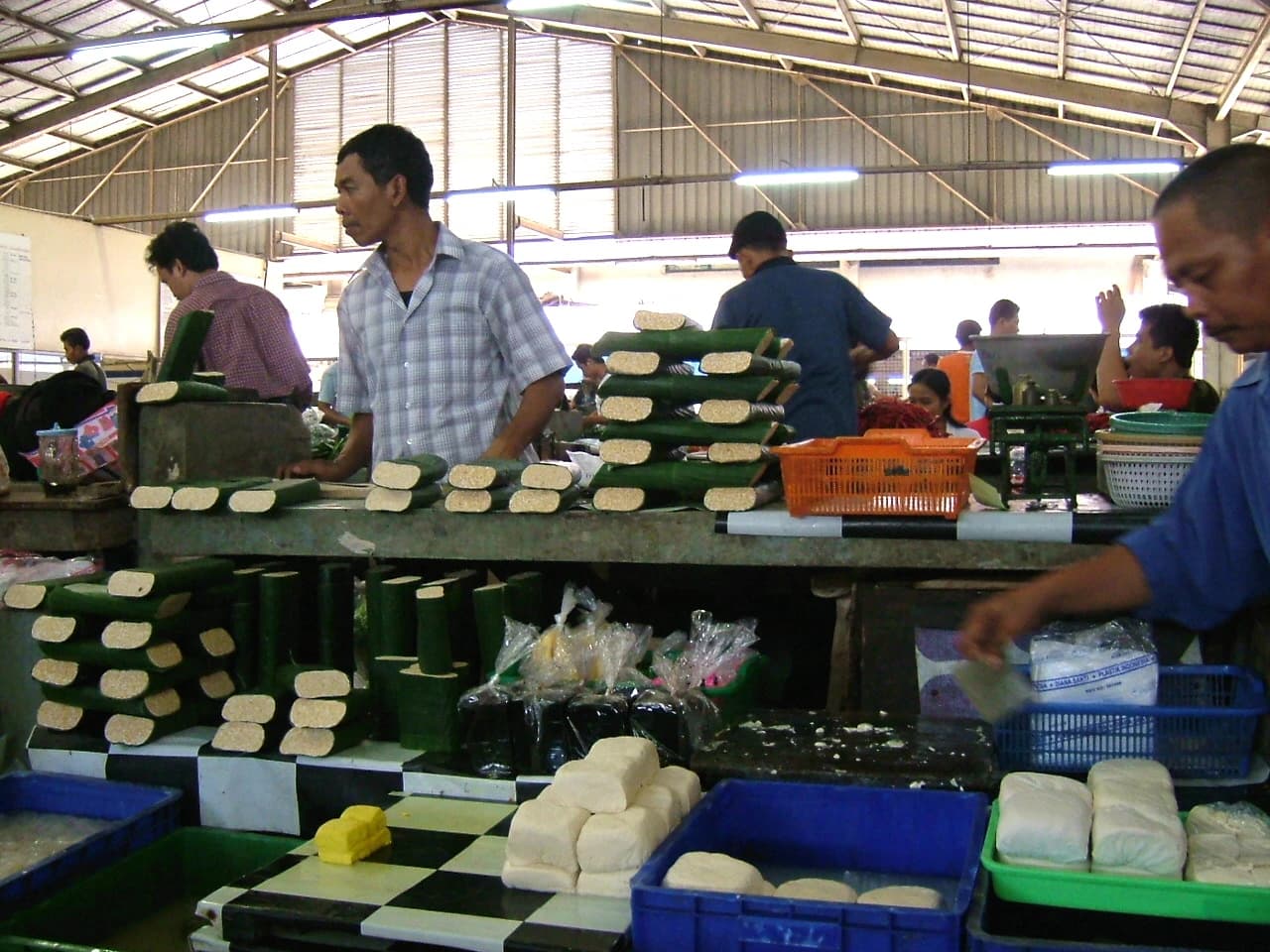
For investors and traders, that matters because soybeans are not just another agricultural commodity in Indonesia; they are a politically sensitive input for a huge base of small-scale processors that make tofu and tempe, staples of the domestic diet. If import prices, freight costs or currency moves push landed soybean costs higher, the ripple effects can quickly show up in food inflation, producer margins and consumer spending. The government is trying to prevent that with a limited backstop, but it has not yet altered the structural dependence on overseas supply.
Officials say the average imported soybean price in Java, the main processing hub, was Rp11,573 per kilogram in the first week of October, still below the government’s Rp12,000-per-kilogram reference price for imported beans at the processor level. Local soybeans are capped at Rp11,400 per kilogram. Because prices remain below those thresholds, authorities are treating the situation as contained for now and are leaving room to intervene only in districts where costs breach the ceiling.
That distinction is important for markets because it signals the government is trying to avoid a blanket subsidy that would distort trade and strain the budget. The Rp100 billion allocation is part of President Prabowo Subianto’s second-half 2026 economic stimulus program, but the emphasis on region-specific intervention suggests policymakers are aware that national averages can mask supply tightness in certain provinces. In practical terms, the policy is meant to protect small producers without encouraging importers or distributors to pass through excessive price increases.
The broader risk, however, is that Indonesia remains exposed to global soybean dynamics it does not control. The agriculture ministry projects 2026 soybean demand at 2.7 million tons, with imports covering roughly 2.6 million tons. Domestic production has averaged only about 227,000 tons a year over the past five years, with yields and planted area far too small to materially close the gap. Through April 2026, domestic output was just 4,982 tons, highlighting how little buffer the local crop provides.
That leaves the government balancing two competing objectives. On one hand, it needs to shield tofu and tempe makers from sudden cost spikes and the inflation they would pass on to households. On the other, it wants to reduce long-run import dependence, which remains the real vulnerability. The risk for investors is not only in agricultural commodities but also in the policy response: repeated interventions can suppress price signals and delay investment in domestic production, storage and logistics.
For now, the message from Jakarta is that soybean prices are manageable, but the underlying trade imbalance is not. As long as Indonesia depends on imports for almost all of its soybean needs, any disruption in global supply, shipping or the rupiah can quickly turn a localized food-price issue into a broader consumer-cost problem.
| Entity | Gains | Losses |
|---|---|---|
| Tofu and tempe makers | ▲Short-term price support | ▼Continued import dependence |
| Indonesian government | ▲Flexibility to target hotspots | ▼Pressure to fund repeated interventions |
| Importers and distributors | ▲Stable demand framework | ▼Scrutiny over price increases |
| Consumers | ▲Lower risk of food inflation | ▼Limited progress on self-sufficiency |