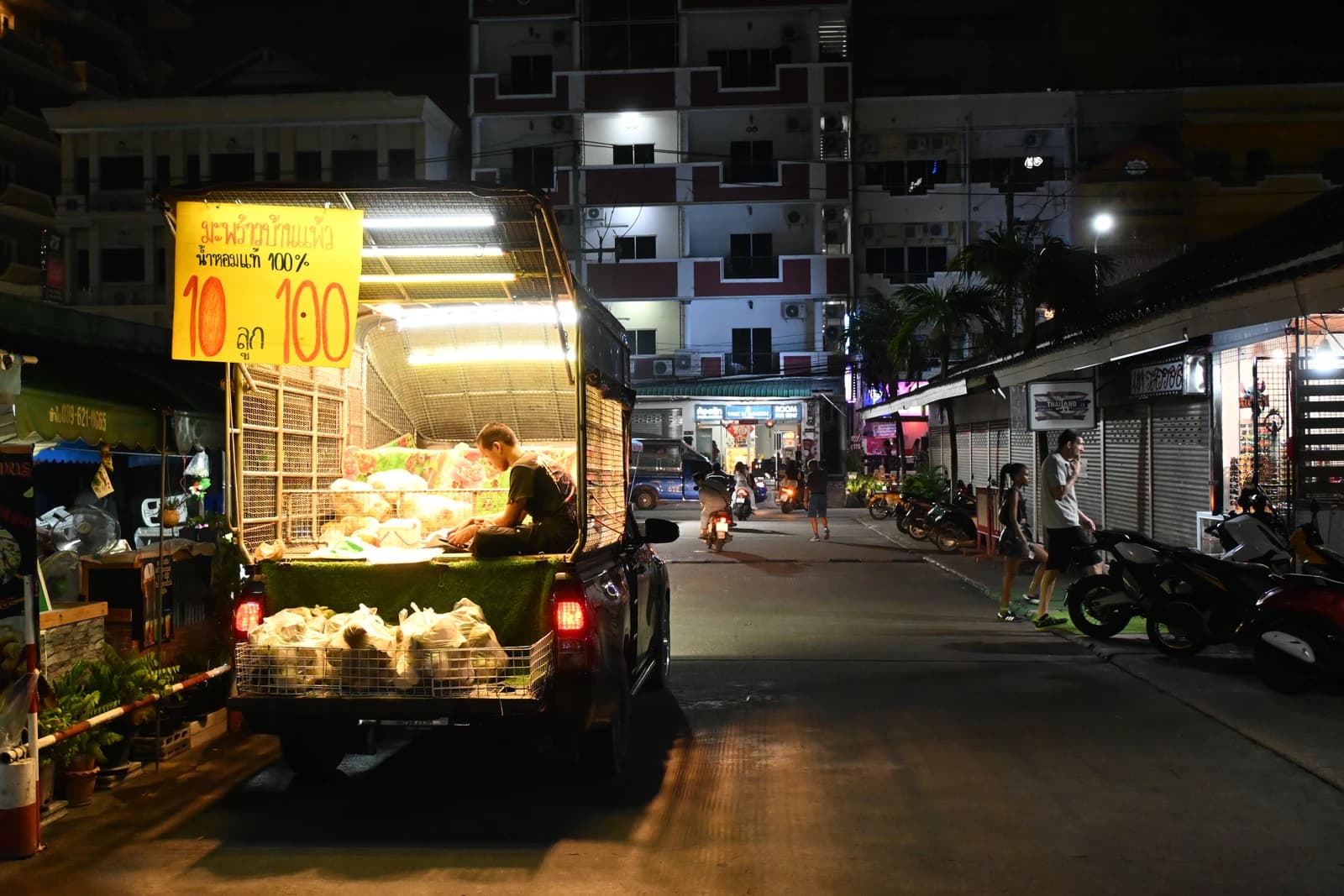
Rice and other staple food prices in Bali were mixed on Oct. 17, underscoring how household food budgets remain under strain even without a sharp spike in the island’s core groceries.
Bali rice prices stay mixed on Oct. 17

The clearest pressure point is rice, the most politically sensitive food item in Indonesia. In Bali, premium rice was priced at Rp16,181 a kilogram, medium rice at Rp15,138 and the higher-grade super I at Rp16,530, while subsidized SPHP rice was sold at Rp11,781, according to the Sigapura food-price system. Those levels suggest the market is still operating above the government’s cheaper intervention channel, keeping the burden on consumers who rely on open-market purchases.
Sentiment IndicatorsⓘProprietary · adalytica.com · October 20, 2026
This is a snapshot — live sentiment, awareness and momentum for 130+ markets update continuously in the dashboard.Open AlphaPulse
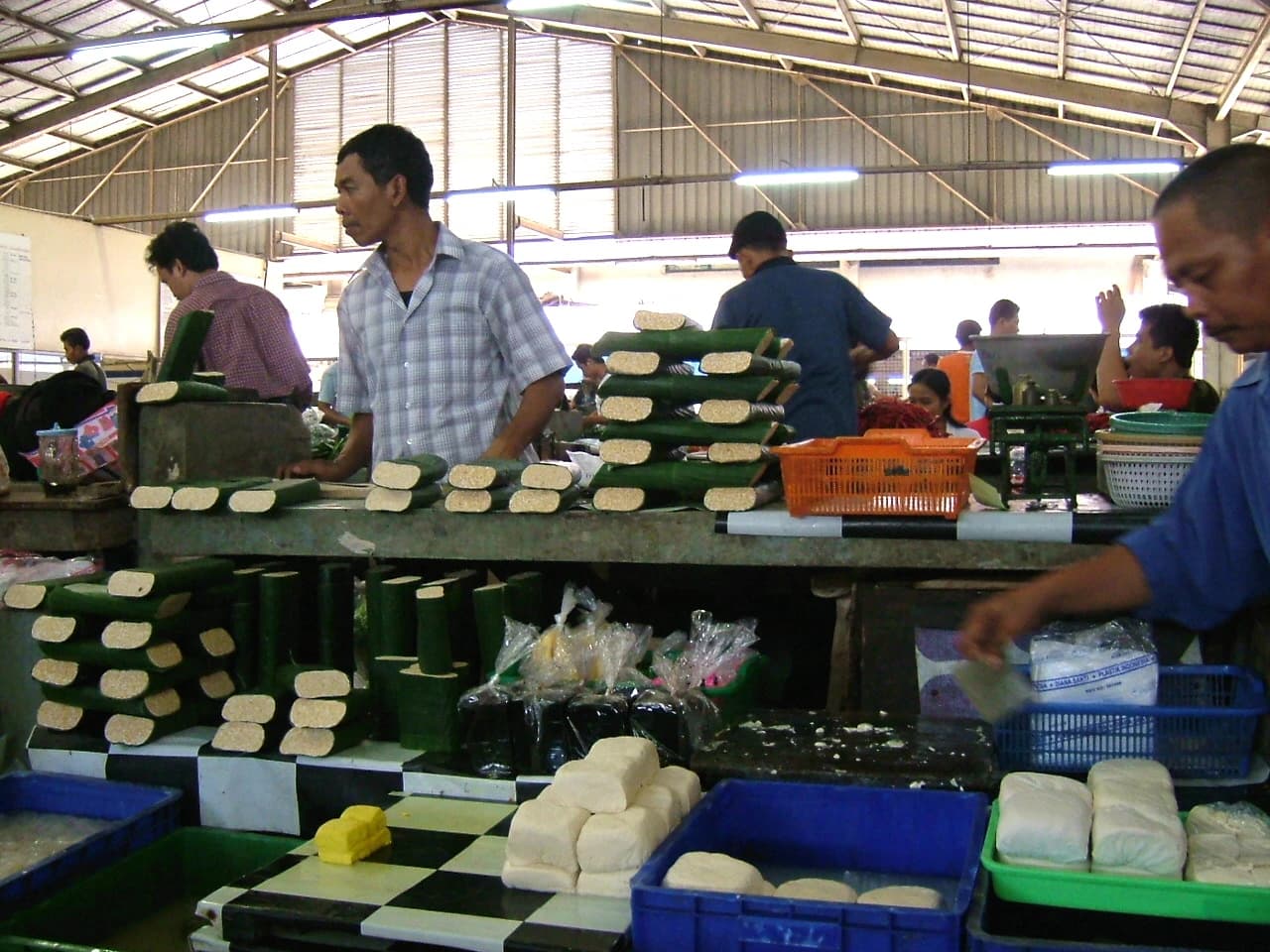
The rest of the basket points to broad but uneven inflation in daily essentials. Red bird’s eye chili fetched Rp66,030 a kilogram, far above other vegetables, while garlic was at Rp30,196 and shallots at Rp26,429. Cooking oil was listed at Rp21,634 and sugar at Rp18,651. On the protein side, beef has luar reached Rp131,100, pork Rp86,185 and chicken Rp44,214, with eggs at Rp28,133. For Bali households, that mix matters because food takes up a large share of spending and price swings in rice, chilies and animal protein quickly feed through to the cost of living.
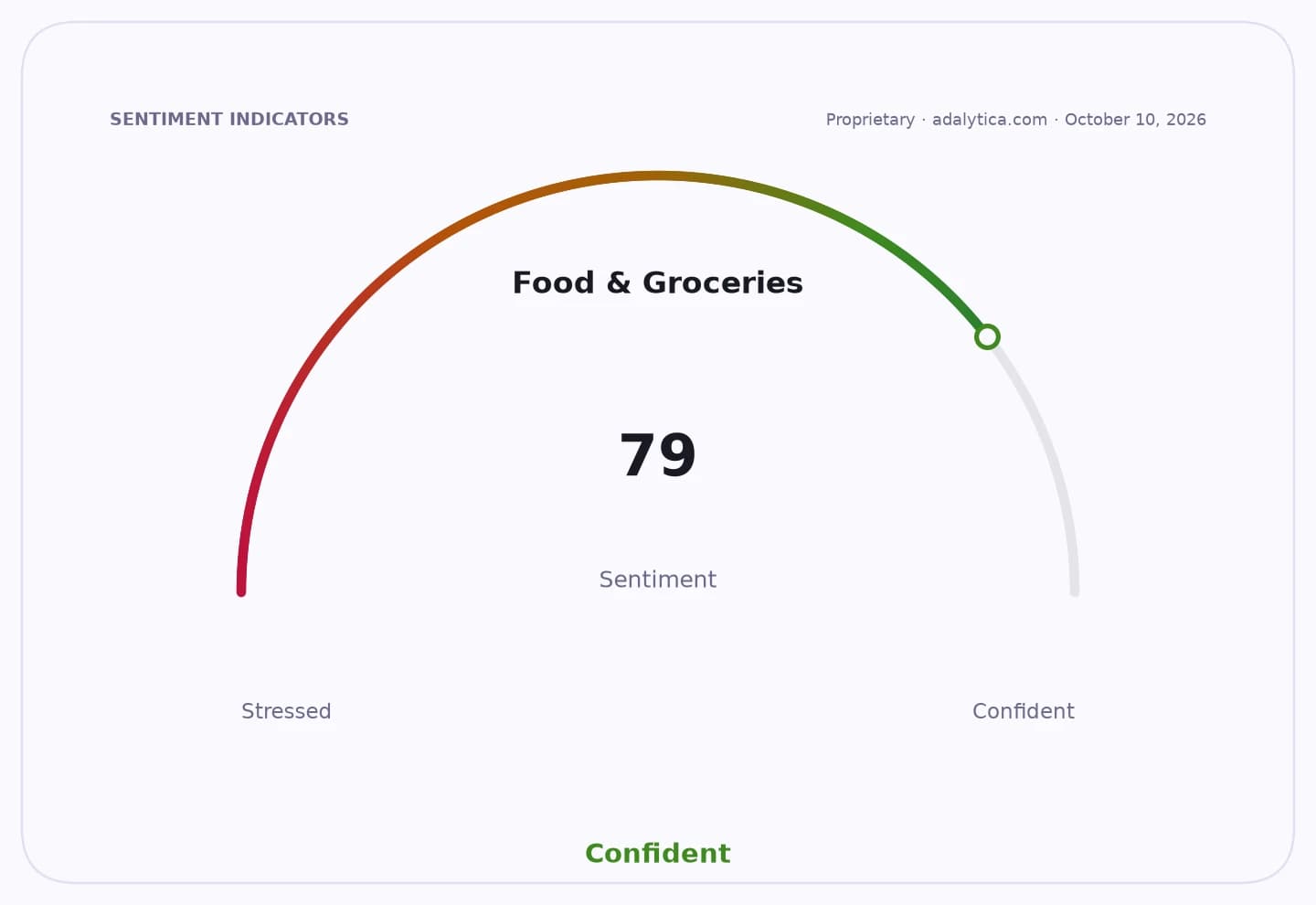
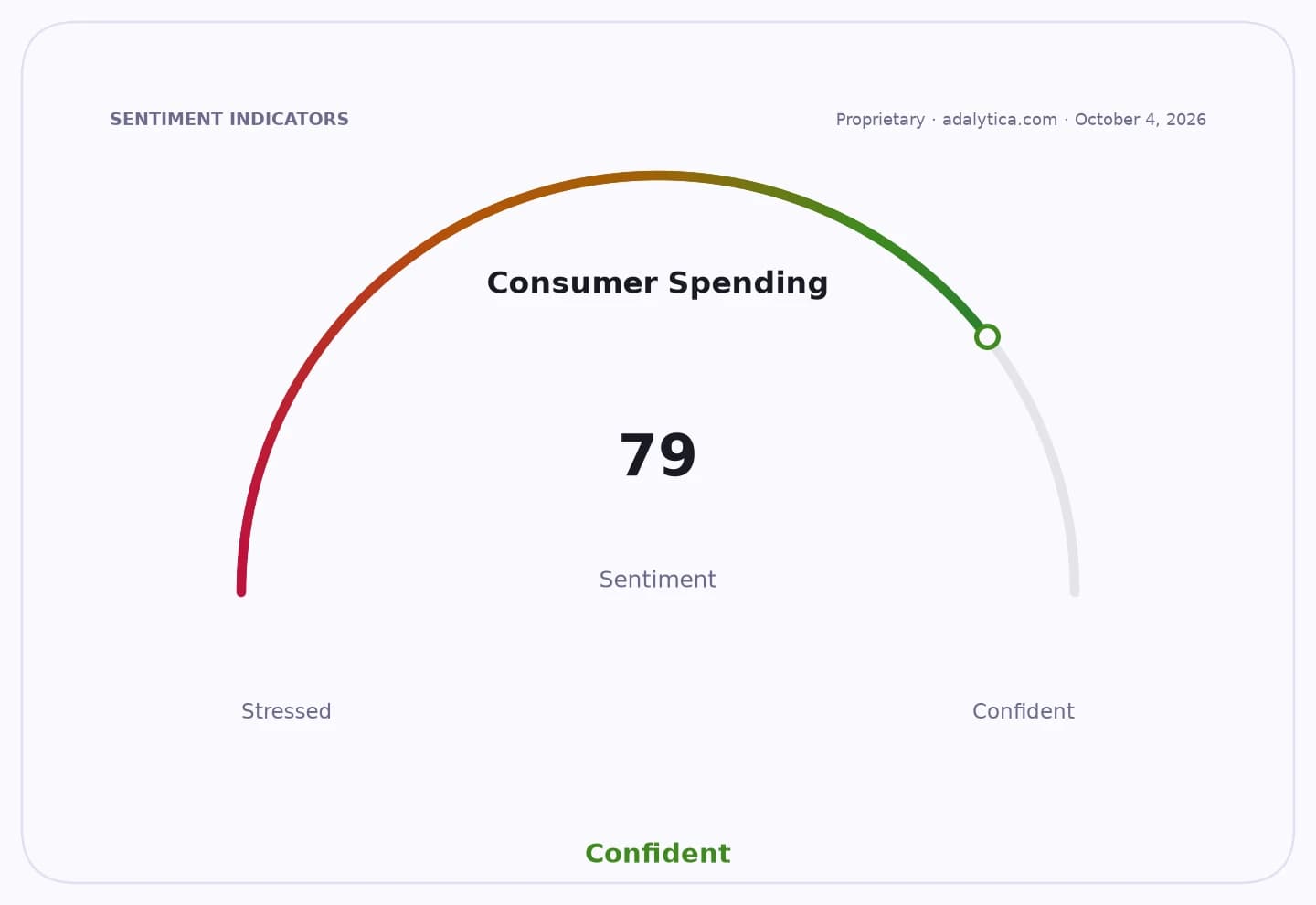
For policymakers, the numbers are a reminder that headline inflation can stay contained while food insecurity remains local and persistent. Food-price sentiment tracked by Adalytica’s FOODG gauge was neutral at 46, but its awareness reading sat in “extreme fear,” reflecting how quickly consumers notice changes in the grocery basket even when the broader macro picture is calmer. The CPI sentiment gauge was also neutral, suggesting investors are not yet pricing in a broad inflation shock, but they will keep watching whether rice and chili prices spread into wider household inflation.
The takeaway for investors is that Bali’s food market still looks manageable, but not comfortable. If rice prices stay anchored near current levels and subsidized supply remains available, the risk to inflation should remain limited. If not, food retailers, consumer discretionary spending and local policy credibility could come under renewed pressure, especially as rice remains the benchmark commodity for measuring purchasing power across Indonesia.
| Entity | Gains | Losses |
|---|---|---|
| Subsidized rice buyers | ▲Lower-priced access | ▼Limited supply availability |
| Open-market consumers | ▲Stable supply | ▼Higher household budgets |
| Food retailers | ▲Steady demand | ▼Margin pressure from cost swings |
| Indonesian policymakers | ▲Controlled headline inflation | ▼Credibility if rice prices rise further |