Soybean futures in Chicago fell to a seven-week low as traders focused on a fast-advancing U.S. harvest and record production expectations, with fresh Chinese purchases proving too small to change the supply picture.
Soybean futures fall on fast U.S. harvest
The most-active contract slipped 0.18% to $12.75 a bushel at 11:16 GMT after touching $12.67, the weakest since Aug. 27, marking a fourth straight session of losses. The decline underscores how a larger-than-expected U.S. crop is keeping a lid on prices even after China bought 470,000 tons from private U.S. sellers and traders reported another 8 to 10 cargoes booked for delivery from December 2026 onward.
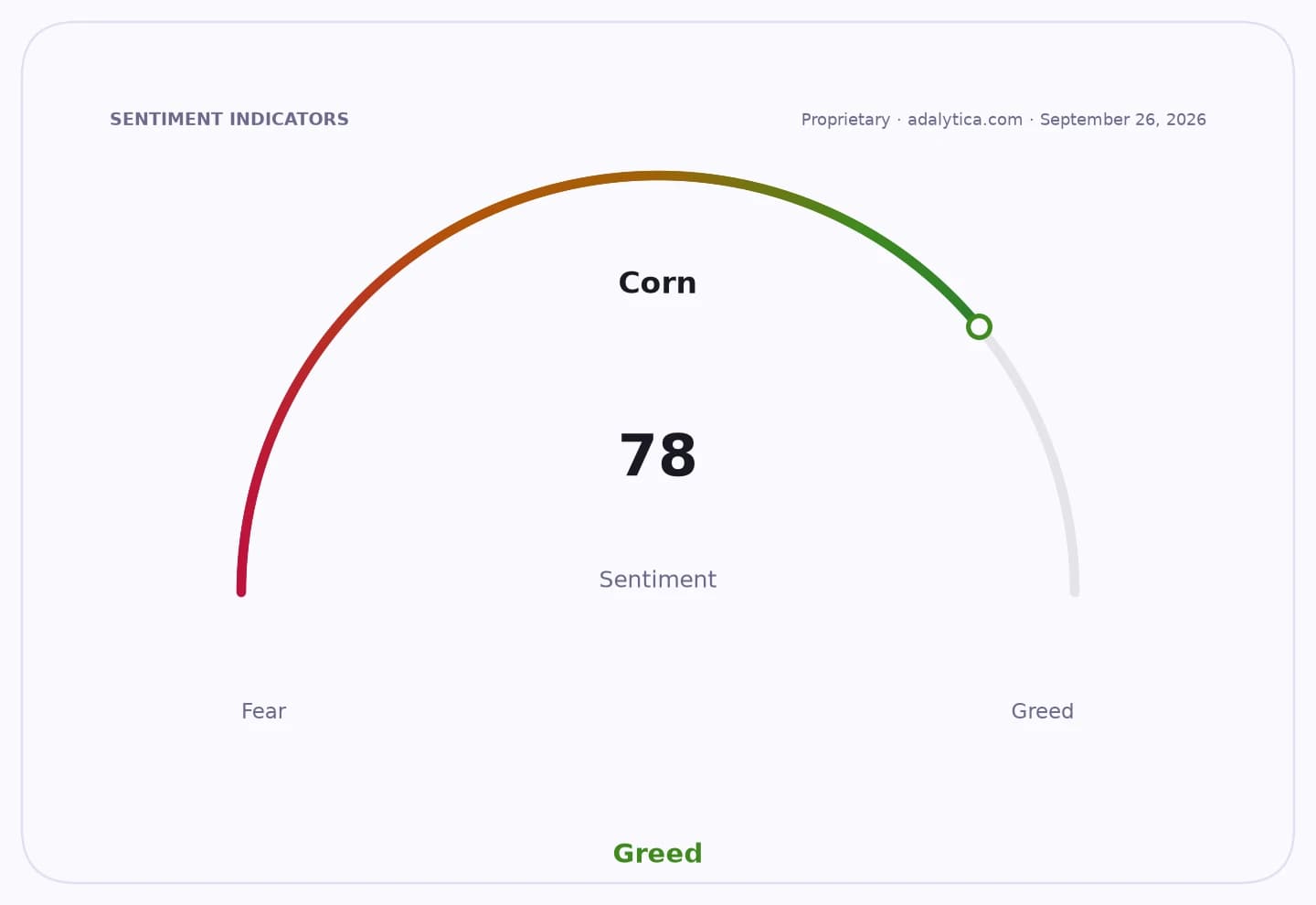
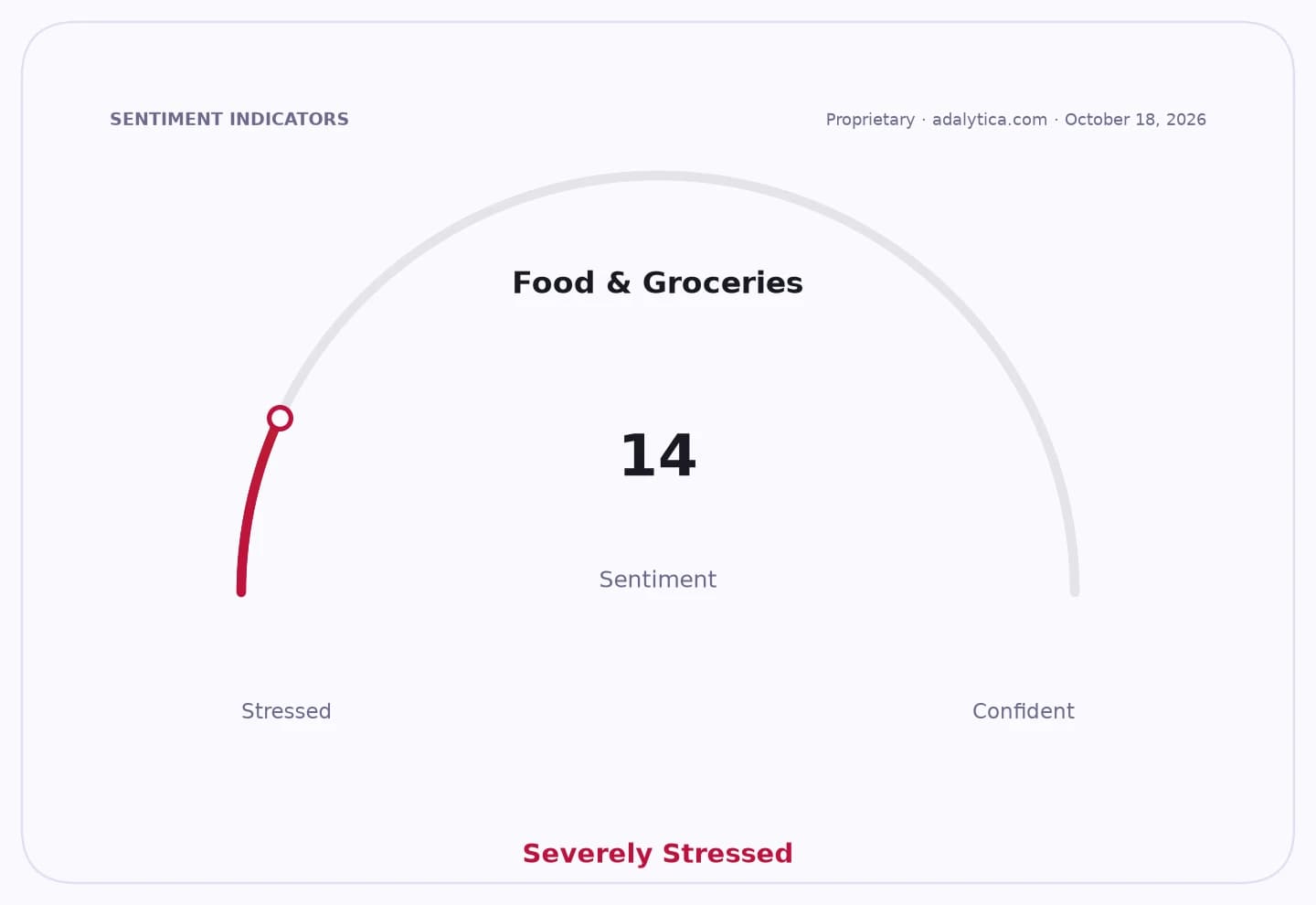
Sentiment IndicatorsⓘProprietary · adalytica.com · October 17, 2026
This is a snapshot — live sentiment, awareness and momentum for 130+ markets update continuously in the dashboard.Open AlphaPulse
For investors, the move matters because soybean prices feed directly into grain merchant margins, processor economics and farm revenues across the U.S. Midwest. A bigger crop tends to pressure cash bids and futures alike, while weaker prices can squeeze growers and support crushers and livestock producers that rely on cheaper feedstock.
China’s demand remains the key swing factor, but it has been losing force. Beijing did not announce tariff cuts on U.S. soybeans after the September bilateral summit, and Chinese imports fell 7.7% in September from a year earlier, suggesting the buying spree is not yet enough to offset sluggish underlying demand.
On the supply side, the U.S. Department of Agriculture said 46% of the soybean crop had been harvested as of Oct. 11, ahead of the average analyst pace, even as midweek rain in parts of the Midwest was expected to slow fieldwork temporarily. Dry weather is likely to speed harvest back up next week, reinforcing expectations that a record-sized U.S. crop will hit the market in the weeks ahead.
The price weakness also comes against a broader backdrop of softer grain sentiment. Adalytica’s Corn Fear & Greed Index showed extreme fear on awareness readings, highlighting how commodity traders are increasingly pricing in abundant U.S. row-crop supplies rather than weather-driven shortages.
With harvest progressing and China still buying selectively rather than aggressively, soybean futures are likely to stay sensitive to export-sales updates, weather delays and any change in Beijing’s tariff stance.
| Entity | Gains | Losses |
|---|---|---|
| U.S. soybean buyers/processors | ▲Cheaper input costs | ▼ |
| U.S. farmers | ▲ | ▼Lower cash prices |
| Grain merchants/traders | ▲Export demand clarity | ▼Harvest-driven price pressure |
| Chinese crushers/importers | ▲Lower-cost supply options | ▼Limited tariff relief |