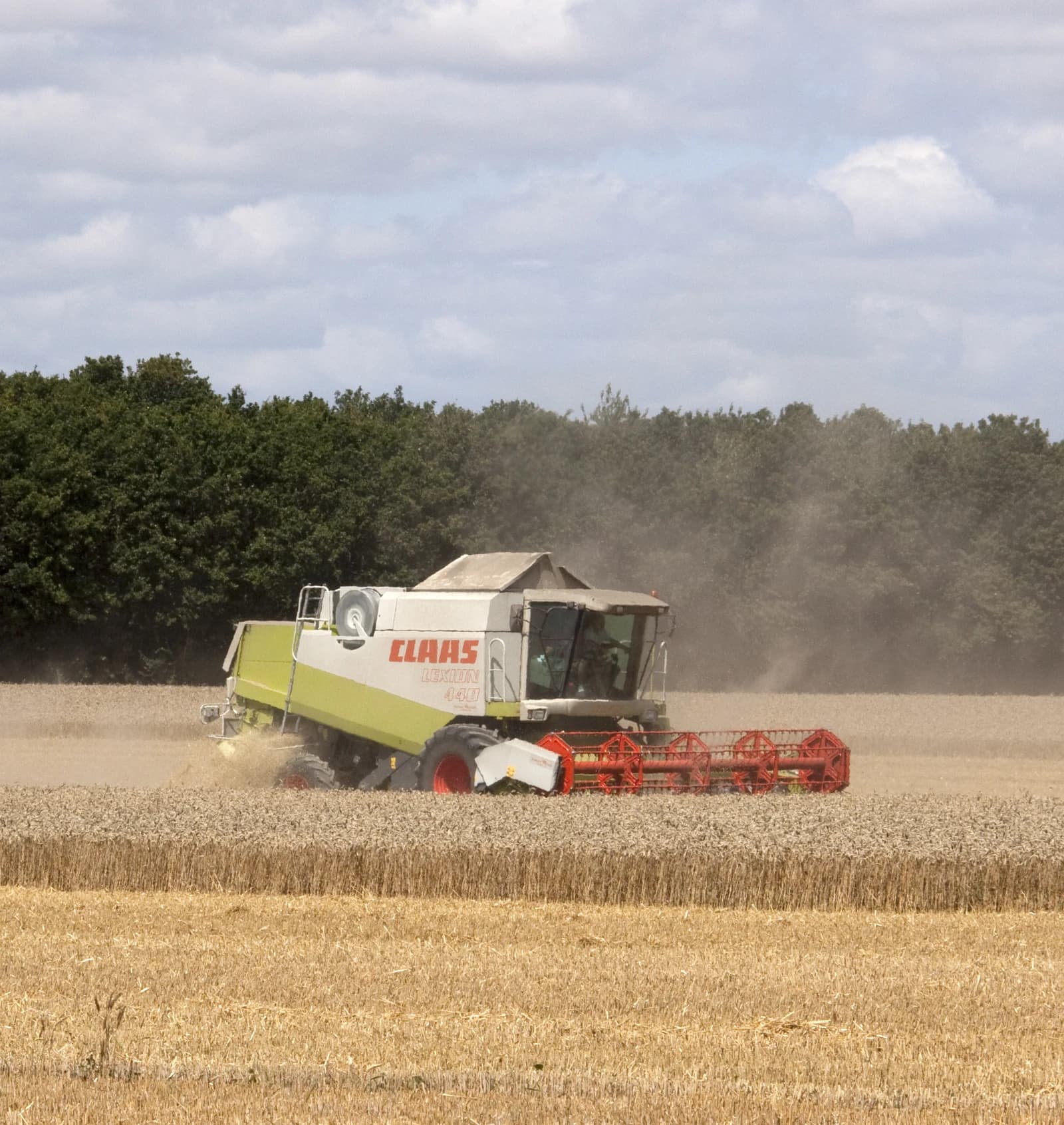
Rising fuel prices are adding fresh pressure to European agriculture, lifting the cost of planting and transporting crops just as food inflation remains sticky and grain prices soften.
Europe agriculture faces higher fuel costs
That matters because fuel is a key input for tractors, irrigation, harvesting and distribution, so every jump in diesel hits farm margins before it reaches supermarket shelves. In France, the prime minister has already promised a 10-euro cut in fuel prices as policymakers try to cool anger over living costs and food inflation.
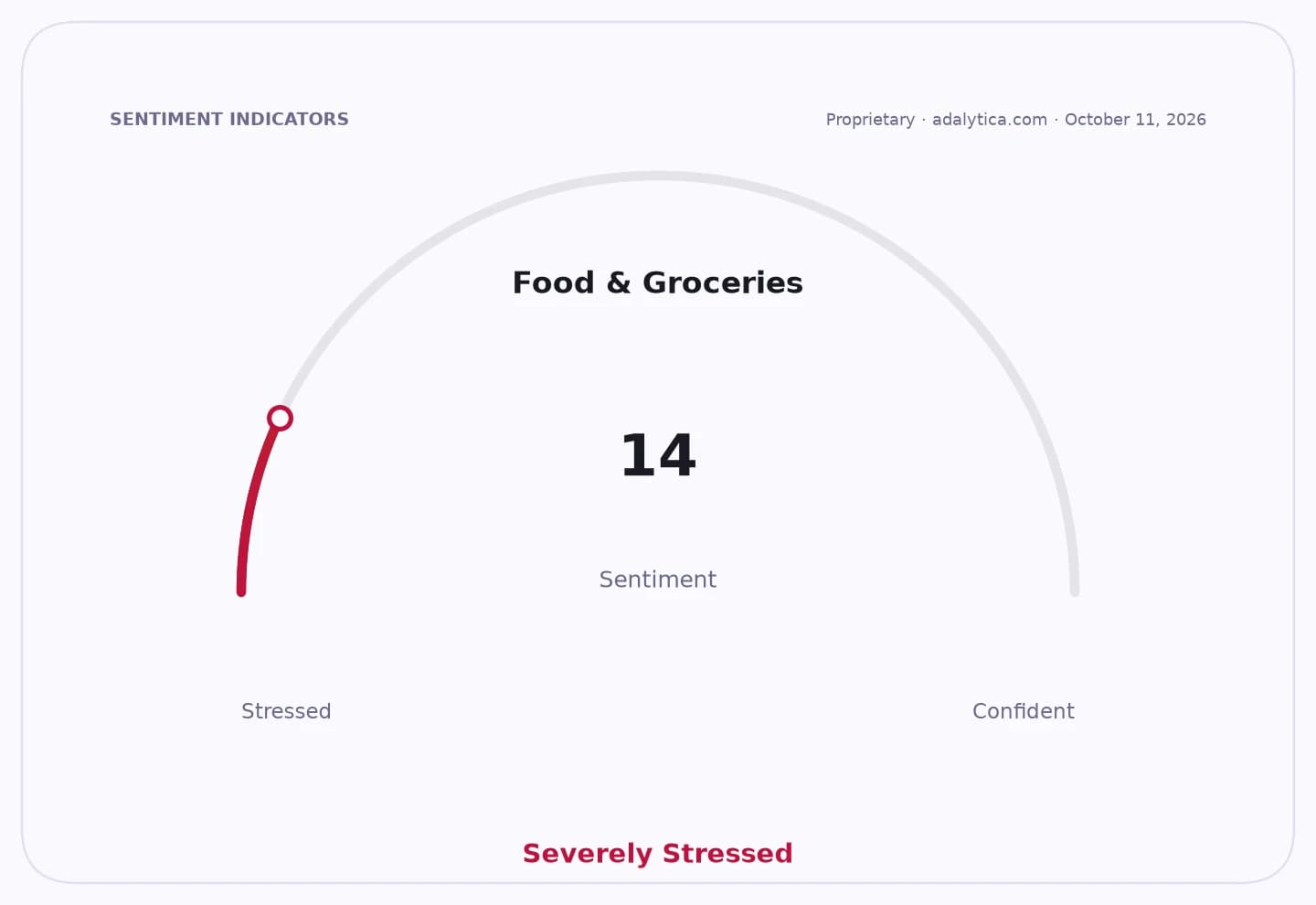
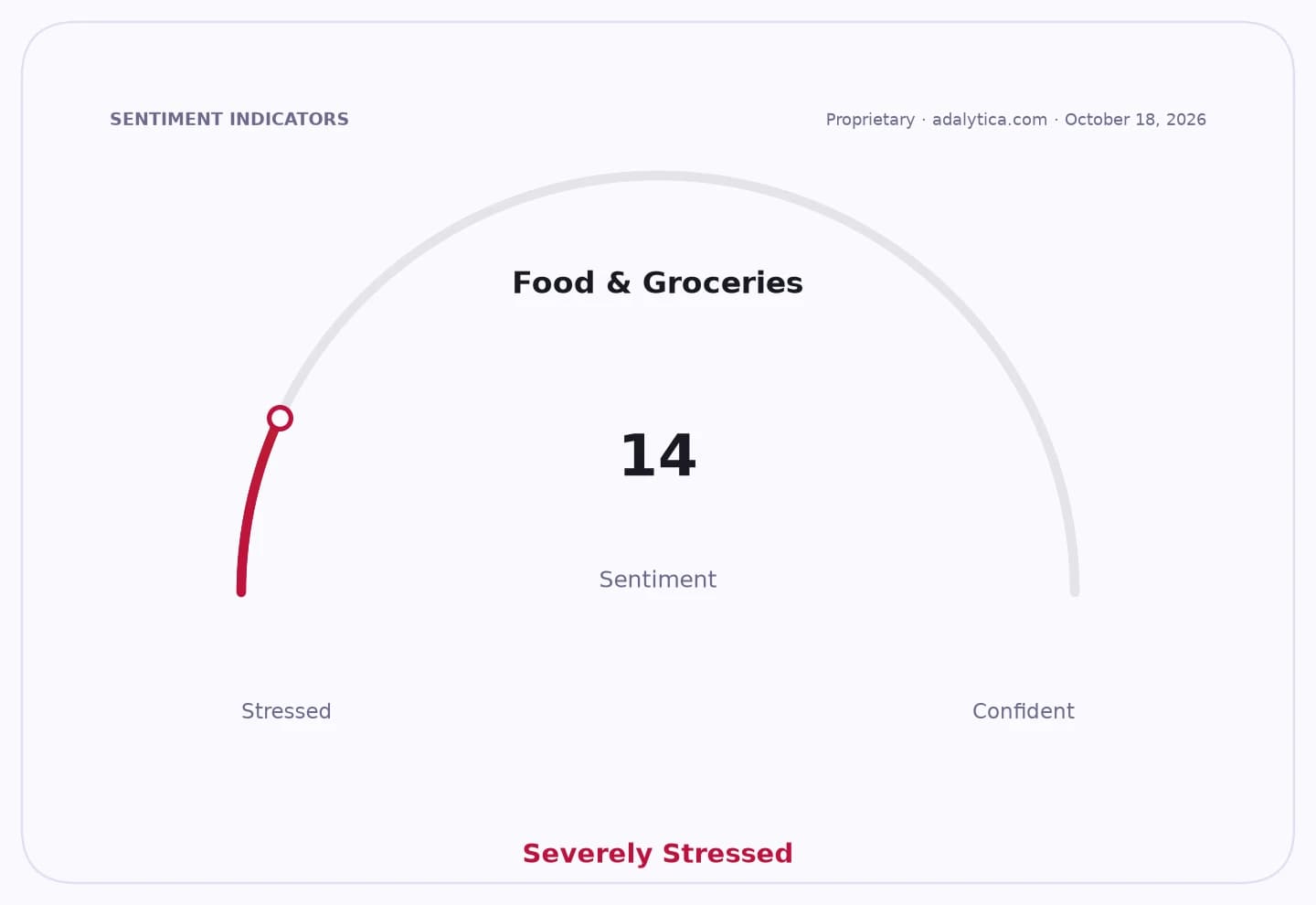
The strain is showing up across the continent. Fresh agricultural products in Europe rose 5.8% year on year in September, while the gap between what farmers earn and what consumers pay widened for a sixth straight month, according to the supplied data. Portugal has also seen fuel prices surge 24% versus August 2025, even as prices have stabilized in some parts of Europe more recently.
For investors, the key issue is not just higher costs, but the squeeze on the agricultural value chain. Farmers face more expensive fertilizer and fuel, yet weaker pricing for their crops, a combination that can pressure margins across grain production, ag equipment, food processing and grocery retail. That is the backdrop for signs of distress in wheat-linked assets: the WEAT ETF has slipped to $24.00 from a recent peak near $26.96, while broad agriculture tracker DBA has drifted to $28.23 after topping $29.32 in September.
DCOILWTICO vs CPIAUCSL — macro contextadalytica.com
Explore this data interactively — full history, time series and cross-market comparisons.Open AlphaPulse
Crude oil is the immediate catalyst. U.S. benchmark West Texas Intermediate is trading around $99 a barrel, up from $85.23 in late September, and the move is feeding through to fuel and freight costs. The higher crude backdrop also keeps inflation risks alive, with U.S. CPI running at 336.298 in September versus 333.979 in May, reinforcing the market’s sensitivity to another energy-driven leg higher.
That leaves policymakers under pressure to intervene, especially in countries where farmers are warning that sustained fuel volatility could reduce planting and threaten output of wheat and vegetables. Any subsidy, price cap or emergency relief would help producers but could keep fiscal costs elevated and leave consumers exposed if food prices continue climbing.
The next focus is whether fuel stabilizes or extends its run, and whether governments move from ad hoc relief to broader support for strategic crops. If energy prices stay high, the strain on farm economics and household food bills is likely to deepen into the winter.
| Entity | Gains | Losses |
|---|---|---|
| Farmers | ▲Temporary relief if subsidies expand | ▼Higher diesel and fertilizer costs |
| Consumers | ▲Lower prices if governments intervene | ▼Still-facing sticky food inflation |
| Fuel producers | ▲Stronger revenue from higher crude | ▼Demand risk if subsidies curb consumption |
| Wheat ETFs / agriculture funds | ▲Potential hedge demand | ▼Pressure from weaker crop margins |