Europe’s soft wheat growers are poised to trim planted area by about 2% for next year’s harvest, a shift that could tighten supplies in one of the world’s biggest grain-exporting regions and keep a floor under wheat prices.
EU Soft Wheat Area Seen Down 2% Next Year
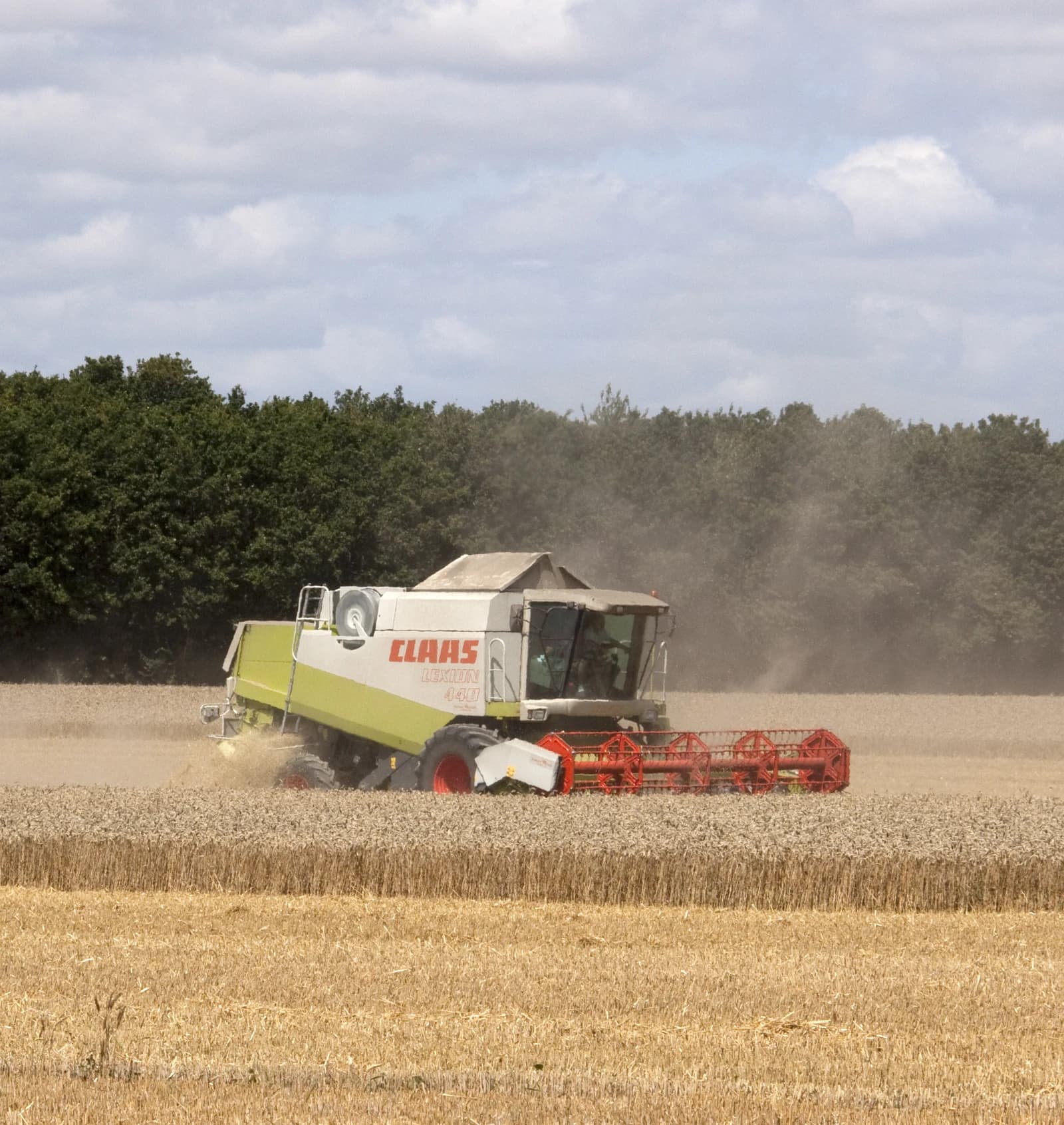
The move matters because the European Union is a key supplier to North Africa, the Middle East and parts of Asia. Even a modest acreage decline can ripple through global trade if it coincides with weather risk, weaker yields or competition from corn and oilseeds for land.
Sentiment IndicatorsⓘProprietary · adalytica.com · October 17, 2026
This is a snapshot — live sentiment, awareness and momentum for 130+ markets update continuously in the dashboard.Open AlphaPulse
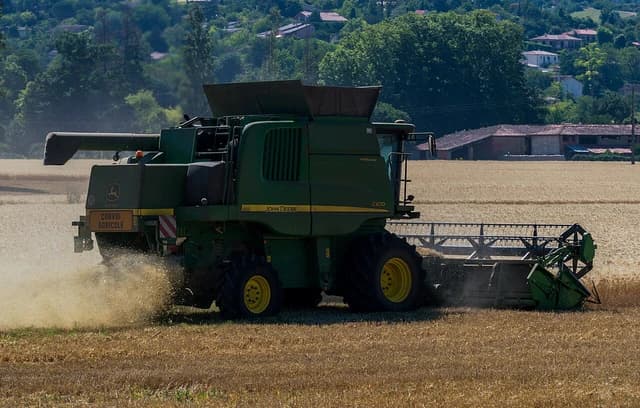
Expana’s estimate suggests farmers are still weighing relative returns after a volatile year for grain markets. Wheat has struggled to hold investor enthusiasm even as broader agricultural sentiment has improved, with the Teucrium Wheat ETF slipping to $24.00 on Oct. 16 after a summer rally faded. The fund remains above its 200-day moving average, but recent closes below its 50-day moving average and a subdued RSI reading point to cooling momentum.
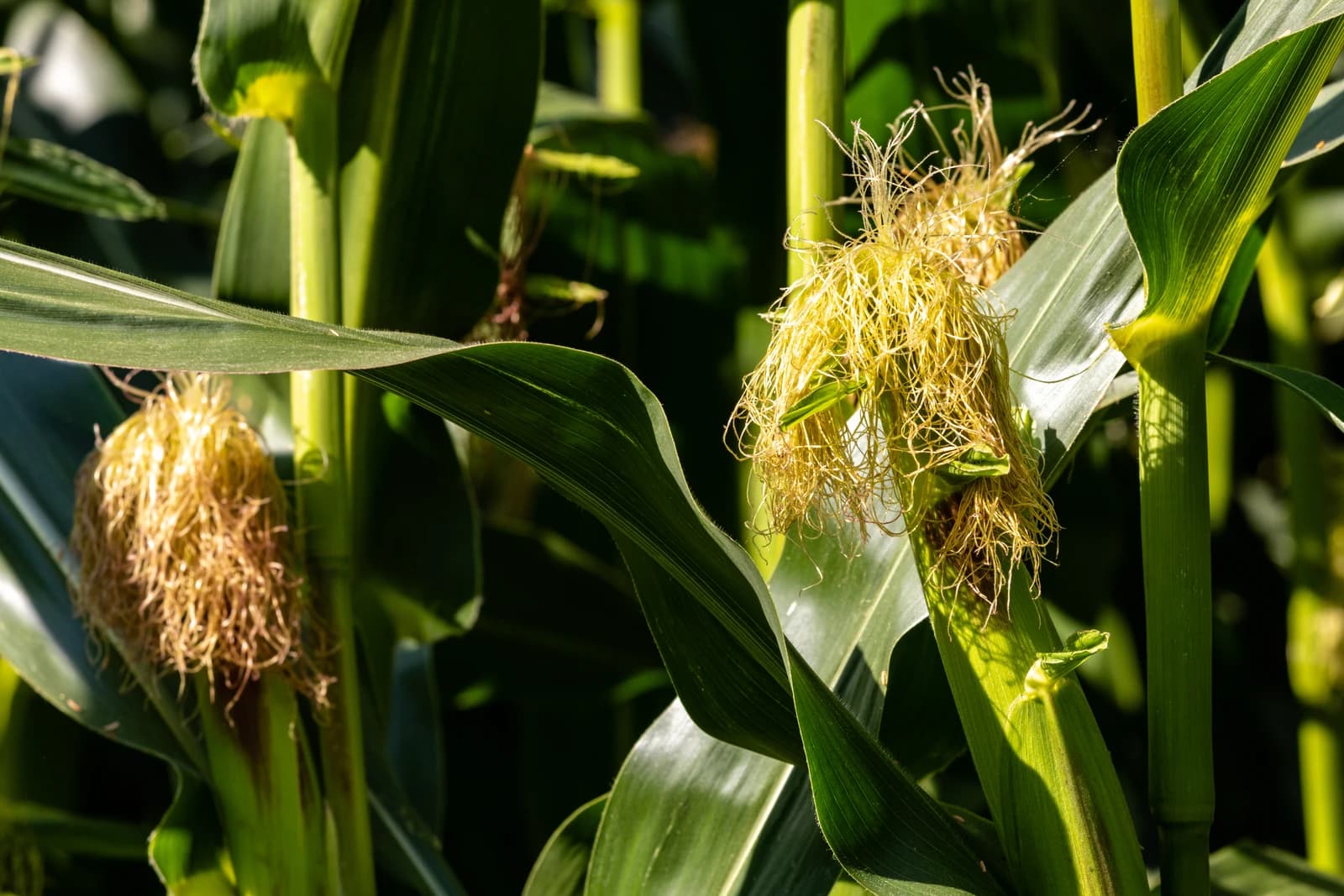
Corn markets are sending a mixed signal. The Teucrium Corn Fund is also under pressure at $18.19, but prices have been more resilient than wheat, and that can influence planting decisions as growers chase the best margin per acre. Farmers often switch land into crops with better price prospects or lower input risk, especially when fertilizer, fuel and financing costs stay elevated.
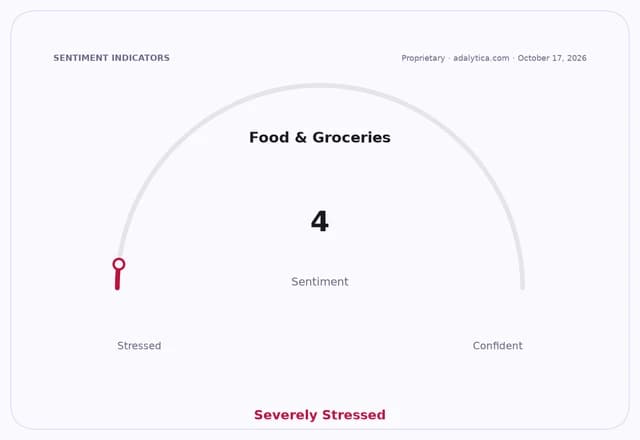
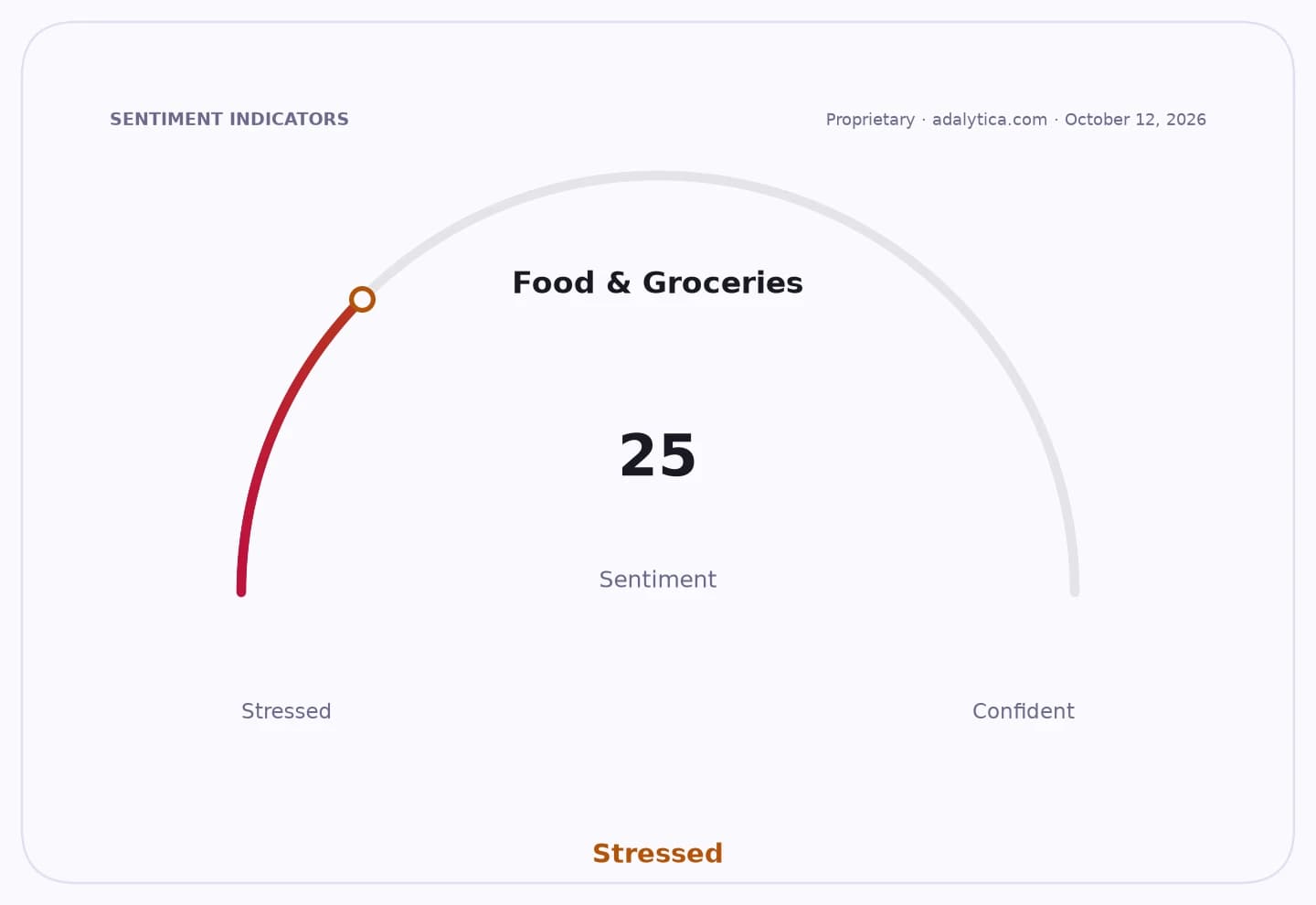
That macro backdrop is not ideal for consumers either. Brent-linked crude benchmarks have climbed back above $100 a barrel in recent sessions, underscoring stubborn input costs across the farm economy and adding to pressure on food prices. Adalytica’s food-and-grocery spending sentiment gauge is in “Extreme Fear,” a sign households remain sensitive to higher shelf prices.
For investors, a smaller EU soft wheat area is supportive for wheat-sensitive assets if it translates into tighter export availability later in the 2027 marketing year. It could also benefit competing crops if acreage shifts toward corn or oilseeds, while millers, importers and food manufacturers face the risk of firmer procurement costs.
The next catalysts are the final planting decisions across major EU growers, winter weather, and spring crop-condition reports. If acreage cuts deepen or weather turns adverse, wheat bulls could regain control fast; if yields improve and Russia stays aggressive on exports, the market may absorb the acreage drop without much price follow-through.
| Entity | Gains | Losses |
|---|---|---|
| Wheat bulls | ▲Tighter supply narrative | ▼Lower acreage if ignored |
| EU growers switching crops | ▲Better margins from alternatives | ▼Wheat-specific revenue |
| Importers and millers | ▲Stable harvest, if weather cooperates | ▼Higher procurement costs |
| Corn and oilseed farmers | ▲More planted area | ▼Competition for land |