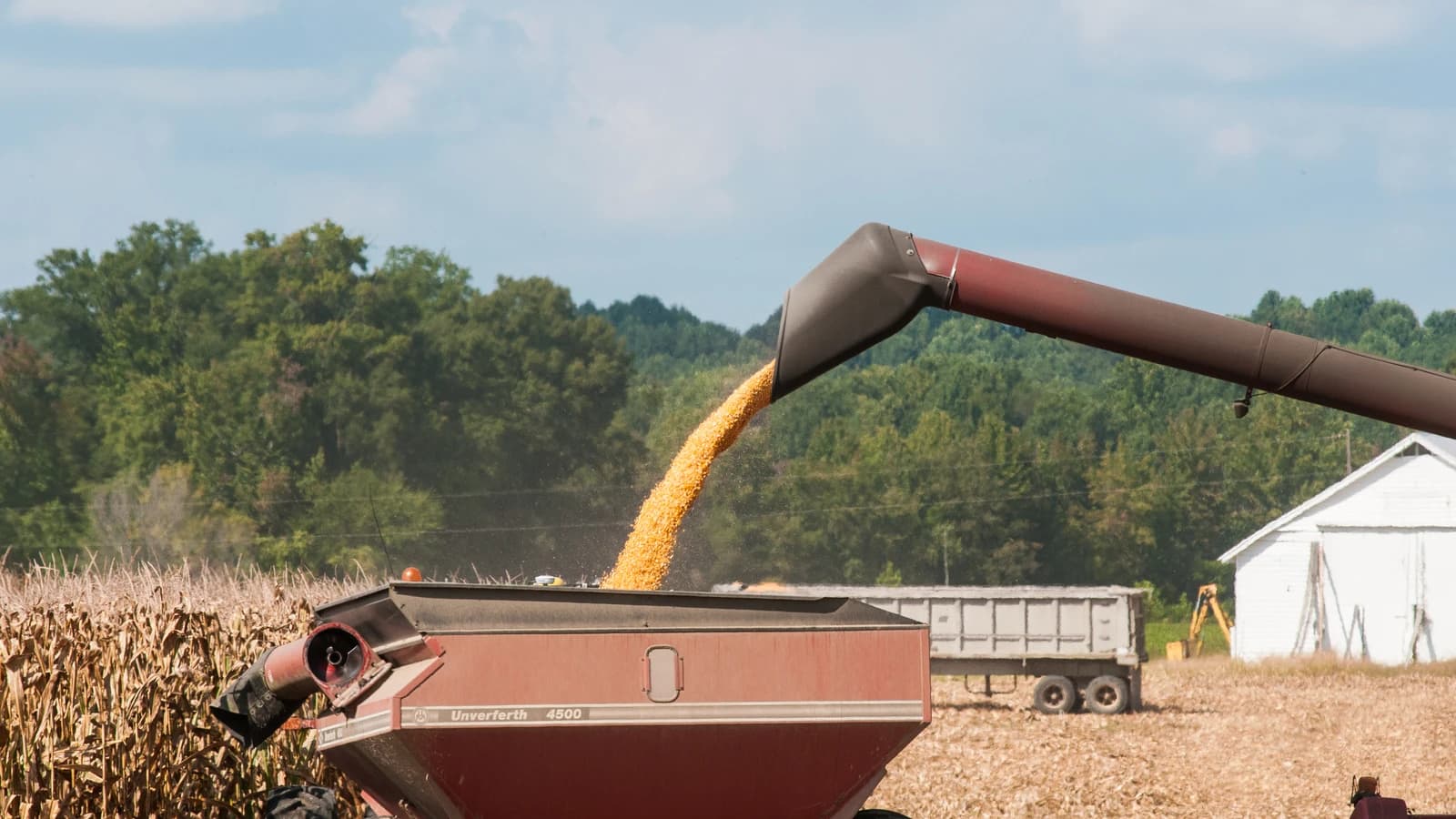
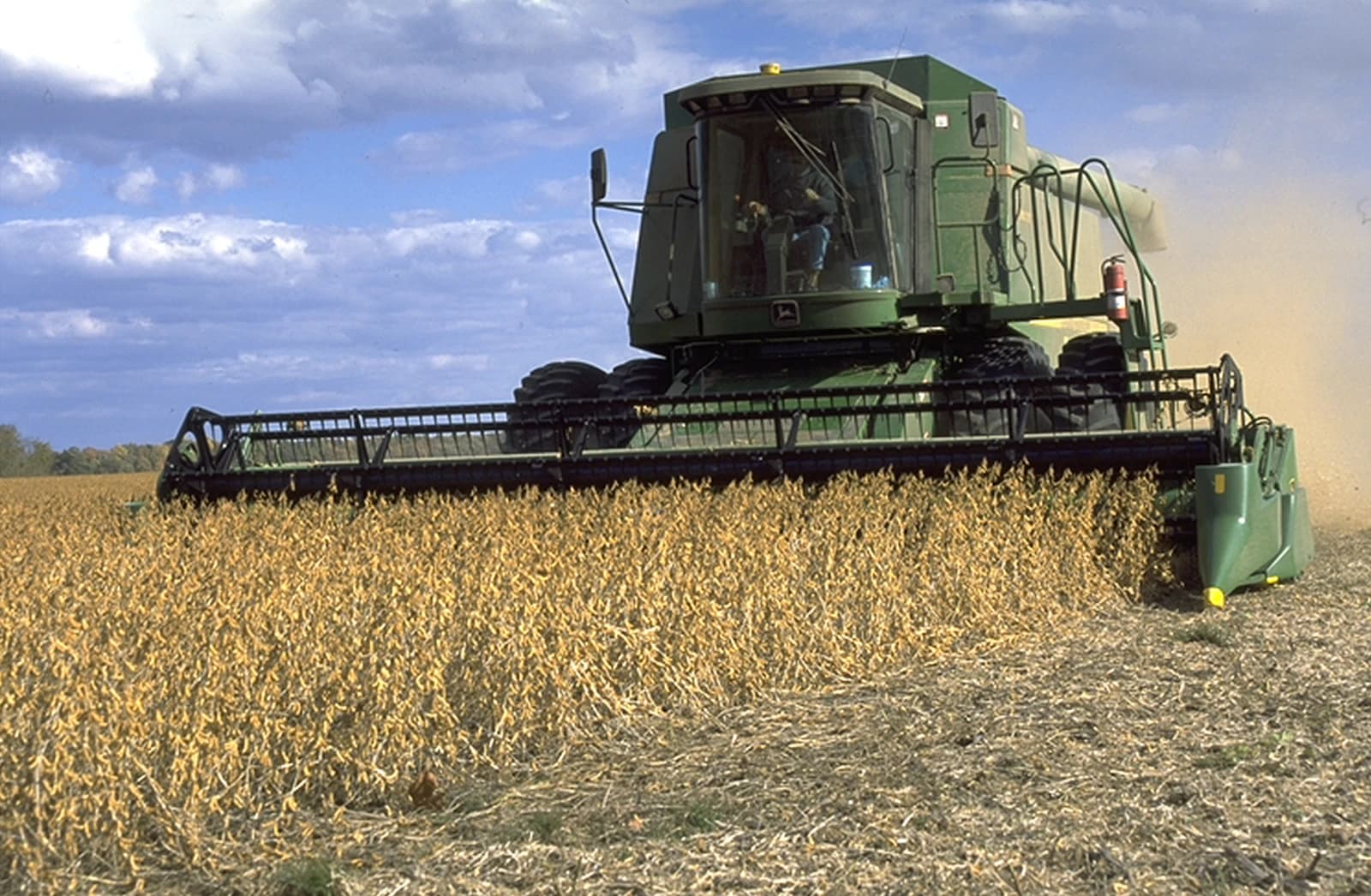
Drought cut corn harvest volumes in the Traunstein district and neighboring parts of southeastern Bavaria this year, with farmers facing widely different results from field to field as dry, light soils ran out of water.
Bavaria Corn Harvest Falls on Drought
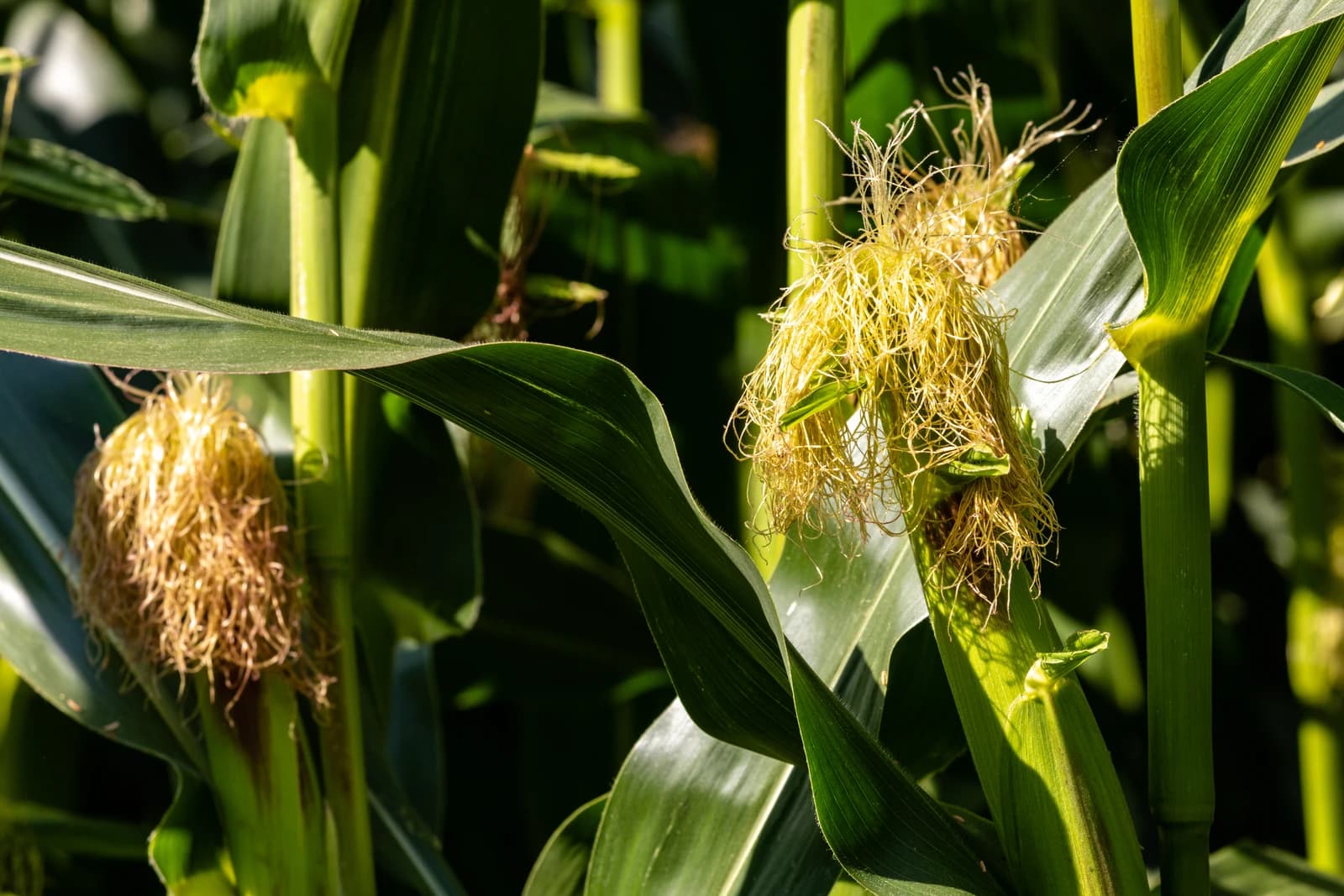
The economic significance is less about a single regional crop and more about how uneven weather is translating into tighter feed supplies, lower quality silage and higher operating risk for livestock farms already dealing with weak grass yields. In a year when forage availability matters more than headline tonnage, the difference between a decent crop and a poor one can determine whether farms need to buy in extra feed, pull forward harvests or accept lower-quality rations.
Sentiment IndicatorsⓘProprietary · adalytica.com · October 8, 2026
This is a snapshot — live sentiment, awareness and momentum for 130+ markets update continuously in the dashboard.Open AlphaPulse
Agricultural advisers said maize, which usually tolerates heat better than many other fodder crops, still hit its limits this season. The decisive factors were not just rainfall totals but when the rain fell, as well as soil condition, soil type and cultivation before sowing. Very light, gravelly plots were hardest hit, because the water simply ran out. Fields in poor overall condition also underperformed.
At the Traunstein machine ring, manager Raphael Röckenwagner said farmers saw losses in both quantity and quality on average, but results varied sharply even between neighboring fields. Some stands appeared almost dead before later rainfall revived them, making the right harvest date difficult to judge. Because grassland yields were also relatively weak, many farmers were relieved maize was “not so bad” in comparison.
The crop shortfall was even clearer in the Berchtesgadener Land and around Laufen, where the machine ring said harvest volumes were only 70% to 80% of last year’s level. That comparison is softened somewhat by an exceptionally strong prior year, but it still points to a marked retreat from the bumper harvest of 2025. A handful of farms reportedly took in only half as much maize as a year earlier. Early sowing in mid-to-late April helped some growers secure stronger biomass, underlining how timing can offset part of the weather damage.
Quality proved more resilient than many had feared, though not uniformly. On gravelly ground, some plants failed to form cobs altogether, while drought-hit areas such as Petting, Kirchanschöring and Fridolfing were forced into early chopping as soon as mid-August. A hailstorm later added further damage in the stretch from Taching and Tettenhausen to Götzing. By contrast, stands around Anger, Teisendorf and Piding held up better thanks to more frequent rain.
For investors, the immediate relevance sits in the feed-cost channel. Lower and more variable local maize output can tighten forage budgets for dairy and livestock producers, especially where grass yields were also poor, and that can feed through to farm profitability, milk production decisions and regional demand for purchased feed. Broader grain markets are not likely to move on a single district, but drought-driven crop variability reinforces the supply-risk backdrop that has kept corn pricing sensitive to weather shocks.
The market context remains mixed. Chicago corn futures are near their 200-day moving average after a sharp late-summer rally and subsequent pullback, suggesting traders are still pricing weather risk but not outright shortage. Wheat futures have also eased from early-September highs, which limits the chance of a broad grain-led inflation spike. That makes the Traunstein story more important as a local farm-income issue than as a global price catalyst.
Still, the pattern matters because it shows how quickly one of Europe’s most important fodder crops can turn from adequate to uneven when rainfall distribution is poor. If late-season dryness becomes more frequent, farmers with lighter soils will be pushed further toward irrigation where possible, different sowing dates, or a more diversified feed mix. For livestock producers, the key question now is whether this year’s patchy maize crop, combined with weaker grassland output, is enough to force higher feed purchases into winter.
| Entity | Gains | Losses |
|---|---|---|
| Farmers on rain-fed, heavier soils | ▲Better yields | ▼Less exposed to drought |
| Farmers on light, gravelly soils | ▲Early harvests, if timed well | ▼Lower quantity and quality |
| Livestock producers needing feed | ▲Some maize supply remains | ▼Higher feed costs |
| Feed buyers outside the region | ▲Potential buying opportunities | ▼Limited benefit from local shortfall |