Corn futures firmed as delayed U.S. harvest progress tightened near-term supply expectations, while soybeans and wheat drifted lower as traders rotated out of some of the weather premium that has supported grains in recent sessions.
Corn futures rise on delayed U.S. harvest
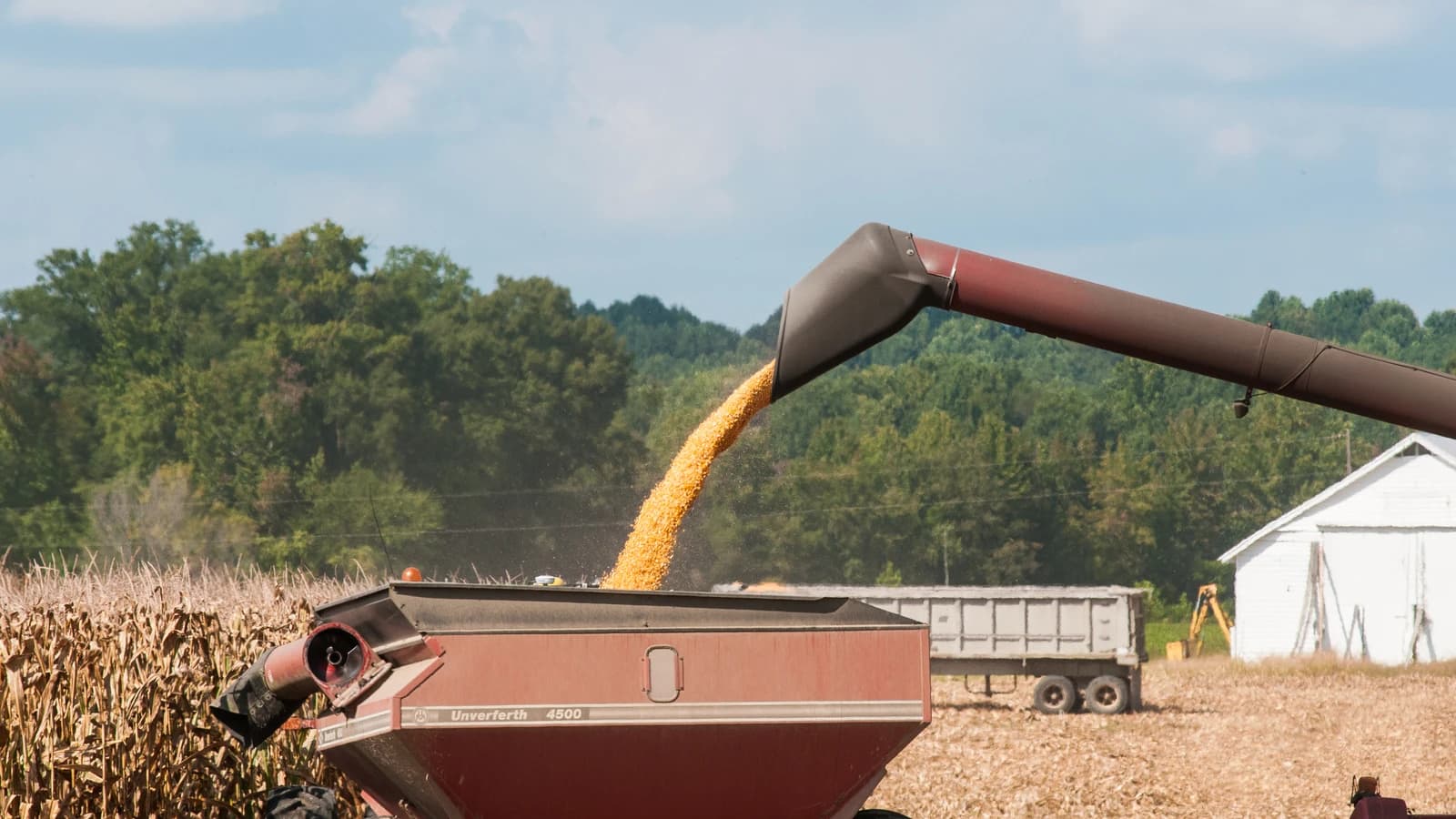
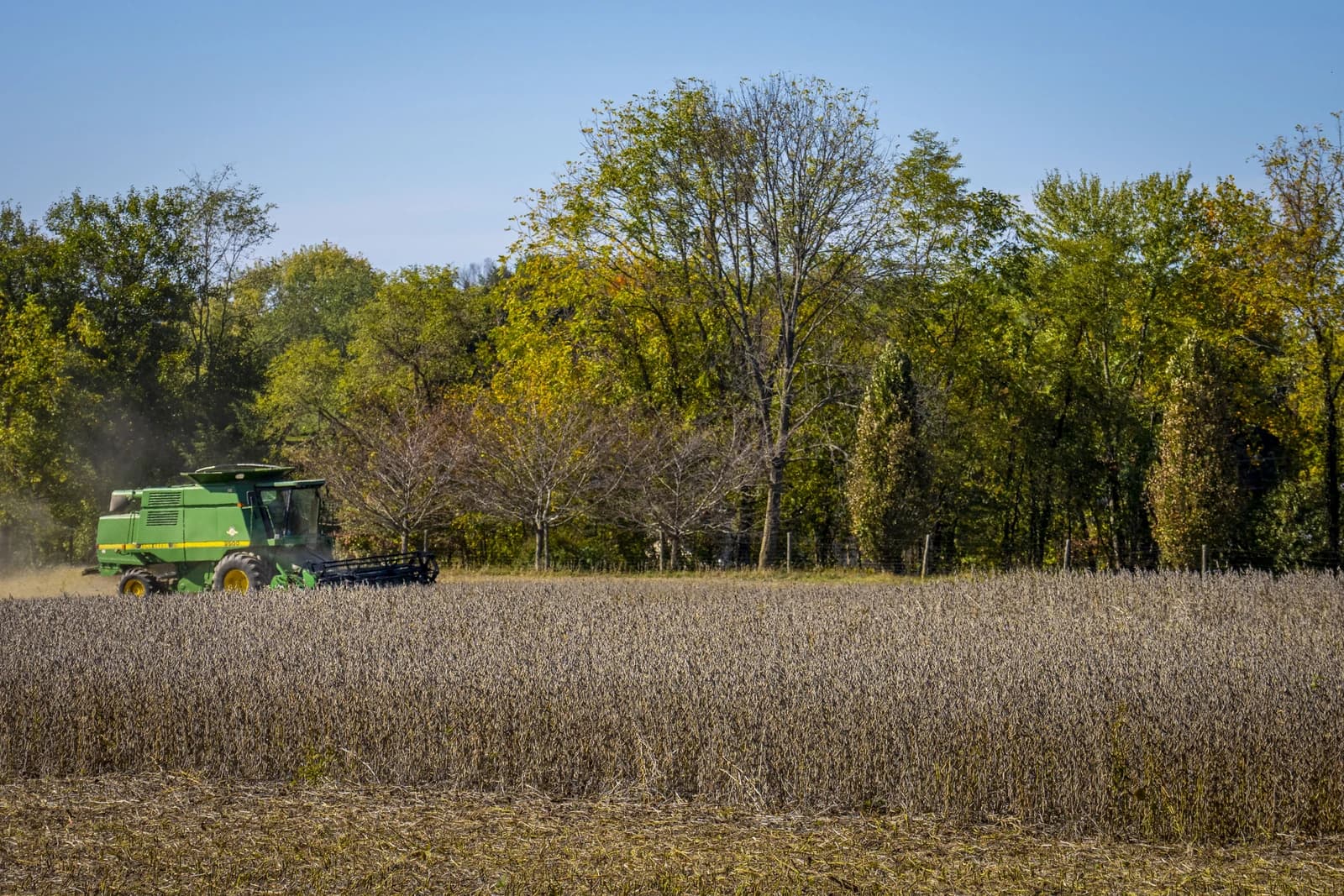
The move matters because harvest timing is one of the cleanest short-term drivers of grain prices: when fields stay wet or access to combines is slowed, more bushels remain unpriced in the country at once and cash market pressure can ease. For corn, that has been enough to keep the contract near the top of its recent range even as the broader grain complex loses momentum.
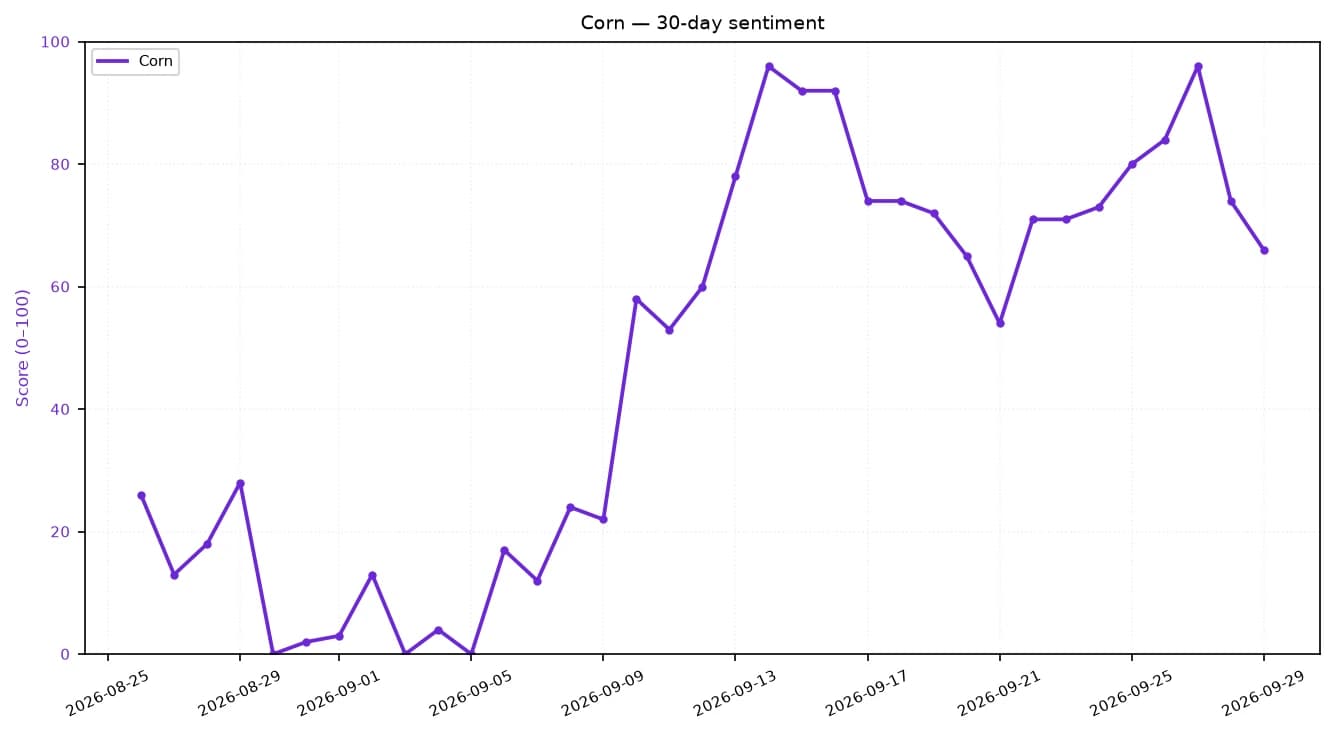
Sentiment IndicatorsⓘProprietary · adalytica.com · October 6, 2026
This is a snapshot — live sentiment, awareness and momentum for 130+ markets update continuously in the dashboard.Open AlphaPulse

In the market context, corn’s recent technical profile still points to strength. The contract had been trading above its 50-day moving average, and the latest readings show momentum holding positive even after a pullback from late-August highs. Relative strength index readings earlier in the period climbed into overbought territory, which suggests the market had already priced in a good deal of bullish harvest and supply risk. That leaves the next leg dependent on whether delays persist or whether fieldwork accelerates enough to loosen nearby supplies.
Soybeans and wheat eased on the same session, underscoring that the market is not pricing a broad-based grain shortage. Soybeans had also been supported by weather and logistics concerns, but recent price action suggests some of that premium is fading as traders wait for firmer evidence of yield losses. Wheat remains more exposed to global supply competition and export flows, making it harder to sustain gains when corn is the only contract getting a weather-related lift.

Adalytica’s oil and dollar trade signals add to the macro backdrop. WTI sentiment has slipped deeper into fear, which can temper inflation expectations and take some urgency out of the commodity trade more broadly. The U.S. dollar signal remains in fear as well, but with a recent uptick in awareness, implying a market that is still sensitive to macro swings rather than locked into a single directional view. For grain investors, that matters because a firmer dollar can restrain export competitiveness, while weaker energy prices can reduce support from biofuel-linked demand narratives.
The fundamental story is still harvest timing, not a structural change in global crop balance. Bullish traders can argue that delayed fieldwork leaves more room for weather setbacks, quality loss and basis firmness in the cash market. The bearish case is that once harvest windows open, supply can hit the pipeline quickly and pressure nearby contracts, especially if yield reports do not confirm meaningful damage.
For now, corn is benefiting from the narrow but powerful economics of delayed supply flow, while soybeans and wheat are showing that the rest of the grain complex still needs a stronger fundamental catalyst. The next key tests will be harvest progress data, late-season weather and export demand, which will determine whether corn’s gain is a short-lived weather trade or the start of a more durable repricing.
| Entity | Gains | Losses |
|---|---|---|
| Corn buyers | ▲Higher nearby supply resilience | ▼Lower prices if harvest speeds up |
| Corn sellers | ▲Firmer cash values | ▼Missed upside if delays fade |
| Soybean longs | ▲Limited spillover support | ▼Premium erodes as weather fear eases |
| Wheat exporters | ▲Competitive pricing if prices soften | ▼Rival grain demand shifts to corn |