Feed and raw grain prices fell again on Friday, with yellow corn and soybean meal easing across Egypt as traders said imported supplies improved after recent dollar-market adjustments and faster customs releases.
Egypt corn and soybean meal prices fall again
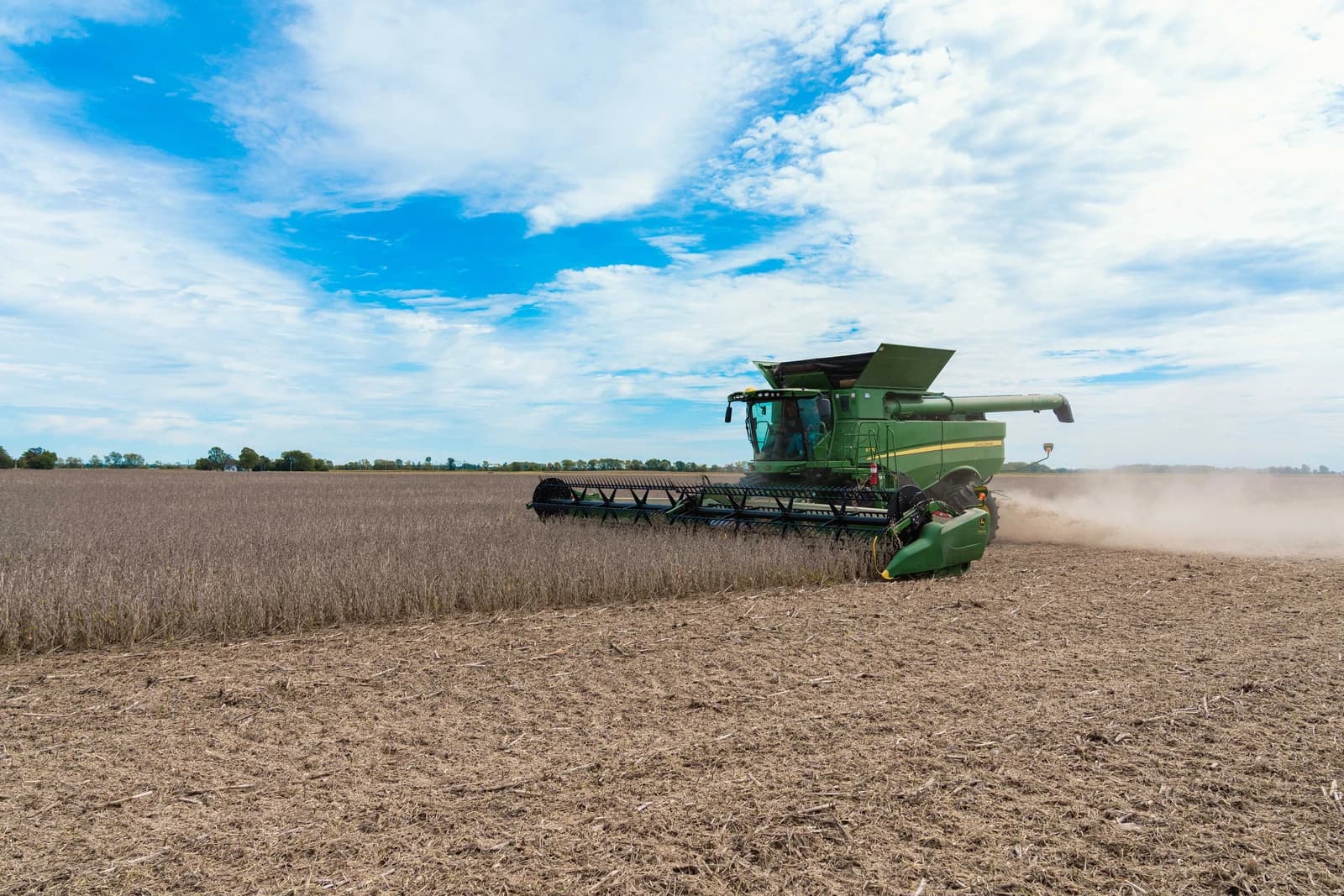
The drop matters because corn and soymeal are the backbone of poultry and livestock feed, so even modest declines can quickly filter through to poultry farms, dairy producers and meat prices. In a market where feed often makes up the largest share of production costs, lower input prices can help squeeze less pressure into animal protein inflation and support farm margins.
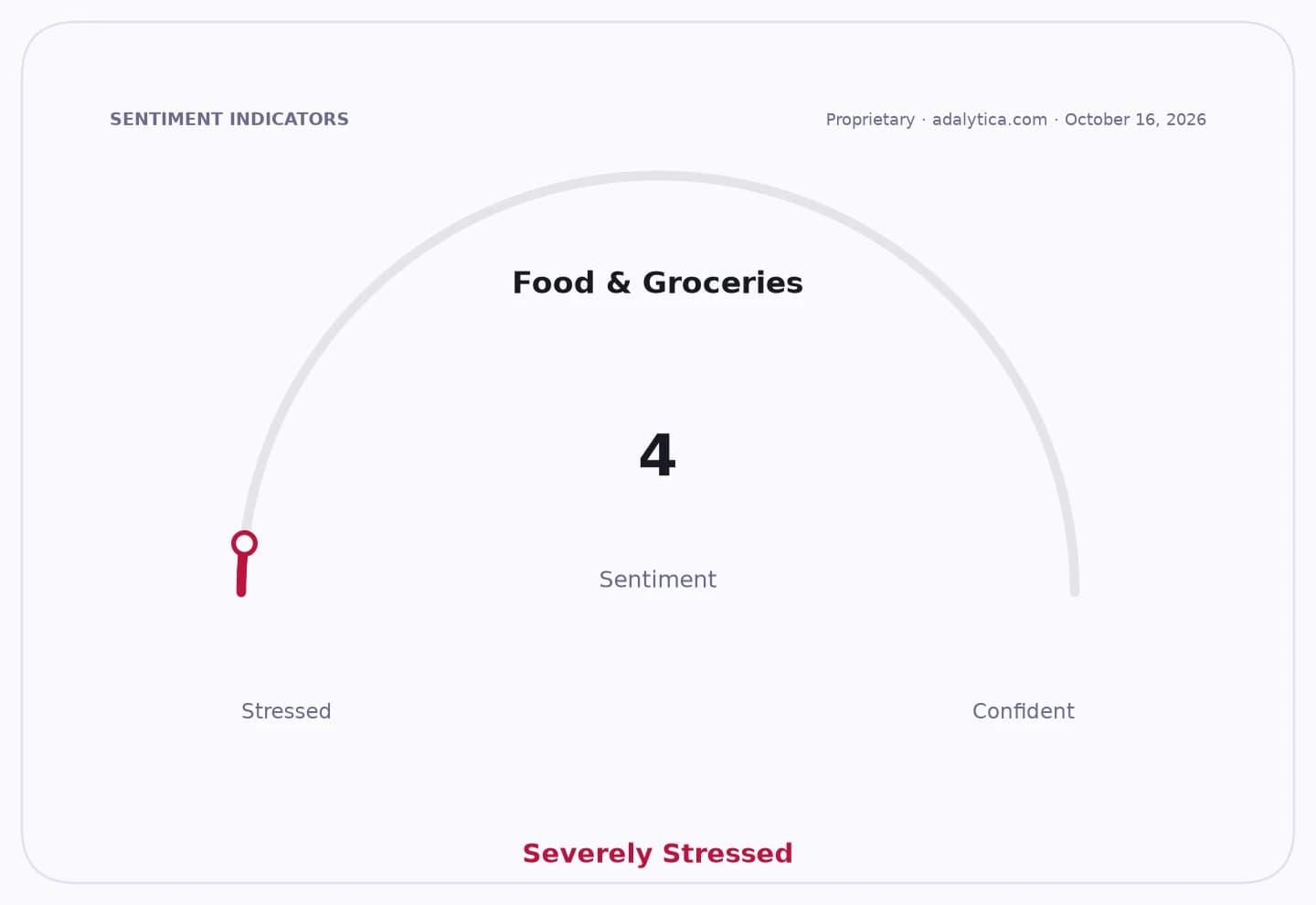
Sentiment IndicatorsⓘProprietary · adalytica.com · October 19, 2026
This is a snapshot — live sentiment, awareness and momentum for 130+ markets update continuously in the dashboard.Open AlphaPulse
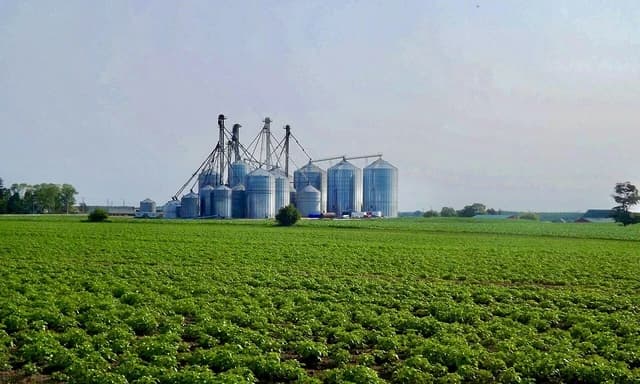
Traders said yellow corn from Brazil and Argentina was quoted at 14,300 pounds a ton, while Ukrainian, Serbian and U.S. corn was at 13,800 pounds. Soybean meal with 44% protein was at 25,000 pounds for local product and 26,000 pounds for 46% protein, with imported meal also at 26,000 pounds after a 500-pound decline.
Chicken feed was offered between 22,000 and 25,600 pounds a ton depending on the bird type and growth stage, while layer feed ranged from 18,700 to 21,500 pounds. Cattle feed was quoted at 16,000 to 21,000 pounds, and duck feed at 22,400 to 24,400 pounds.

The move comes against a backdrop of softer global grain pricing. U.S. corn futures on the Continuous Contract have slipped to 18.19 from 18.42 on Oct. 14, while soybeans eased to 26.88 from 27.19 over the same stretch. Wheat also weakened to 24.00 from 24.40, suggesting feed buyers are still benefiting from a broader pullback in grain markets even as volatility remains high.
At the same time, the macro picture is not uniformly supportive. Oil prices are back near 102.5 a barrel on the October 15 forecast, keeping pressure on transport and input costs, while traders in Egypt continue to cite the war in Ukraine, Middle East tensions and high fuel prices as reasons global feed ingredients can still swing sharply.
For investors, the key issue is margin stability across poultry and livestock producers, feed manufacturers and grain importers. Lower corn and soymeal prices improve working capital needs and may ease pricing pressure on chicken and meat processors, but the benefit could be temporary if freight, currency or geopolitical disruptions reverse the trend.
The next catalyst is whether the recent easing in import prices holds through coming trading sessions and whether additional supply releases keep domestic feed costs trending lower into the rest of October.
| Entity | Gains | Losses |
|---|---|---|
| Poultry and livestock producers | ▲Lower feed costs | ▼Less pricing power |
| Feed mills | ▲Easier raw material sourcing | ▼Margin pressure if retail prices fall faster |
| Consumers | ▲Softer meat and egg inflation | ▼— |
| Grain exporters/suppliers | ▲— | ▼Weaker local selling prices |