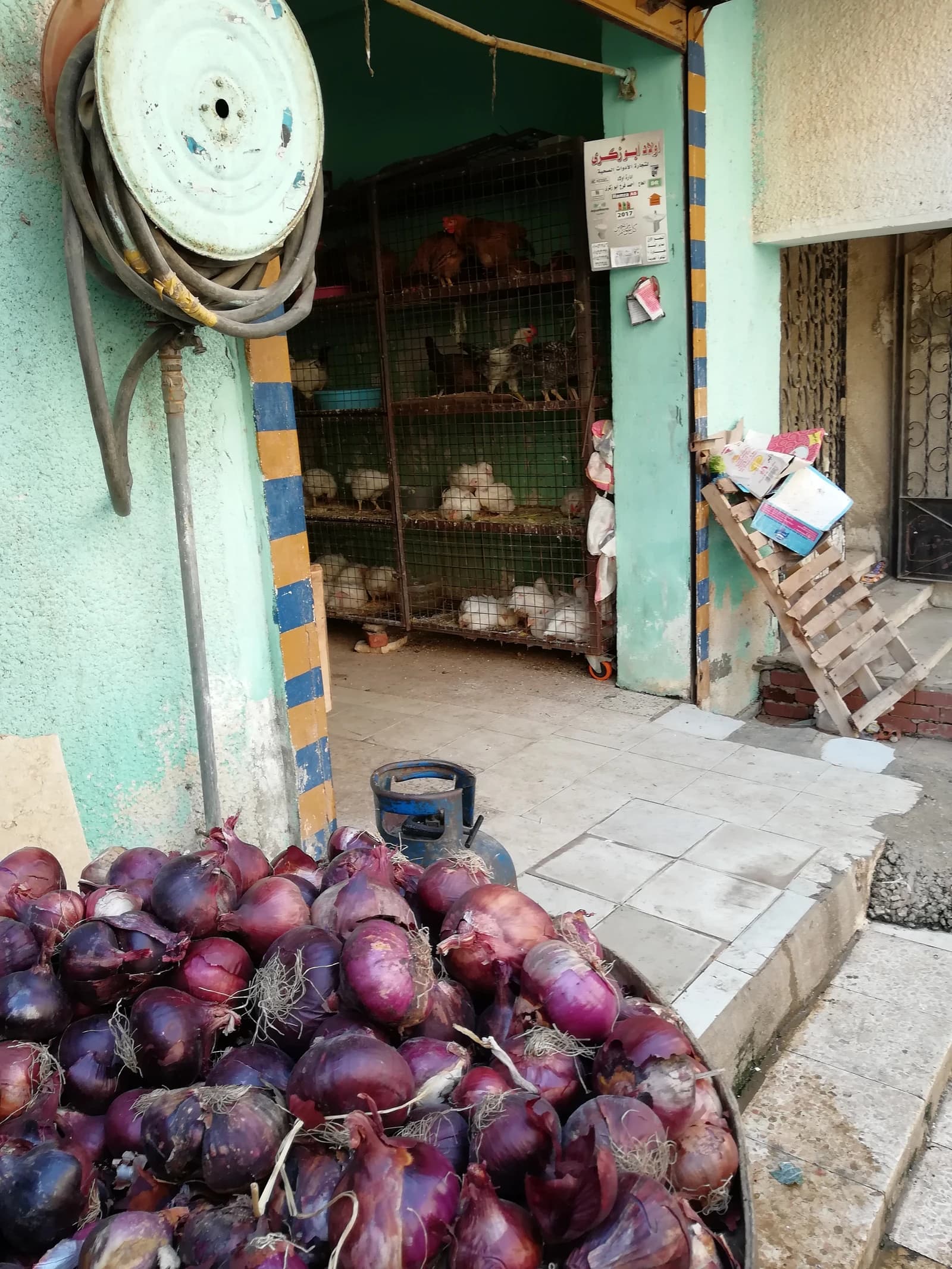
Chicken prices in Qalyubia are hovering around EGP 115 a kilo, underscoring how fragile Egypt’s food-price stability remains even as authorities and producers seek to prevent a broader squeeze on household spending.
Egypt Chicken Prices Hover Near EGP 115 a Kilo
For consumers, the level matters because poultry is one of the cheapest and most widely consumed sources of animal protein in Egypt. When chicken holds at or near that threshold, it feeds directly into grocery bills, restaurant margins and the purchasing power of lower- and middle-income households. For policymakers, it is another sign that food inflation is still being shaped more by supply-chain frictions and trading markups than by a clean return to normal pricing.
The latest readout comes as the wider food market remains uneven. Poultry prices have surged sharply in recent weeks, prompting discussion of discount programs through catering outlets to ease pressure on buyers. Market chatter has also centered on the role of intermediaries, with some traders accused of widening the gap between farm-gate and retail prices. That dynamic matters because it suggests the problem is not just production costs, but the path food takes from producer to consumer.
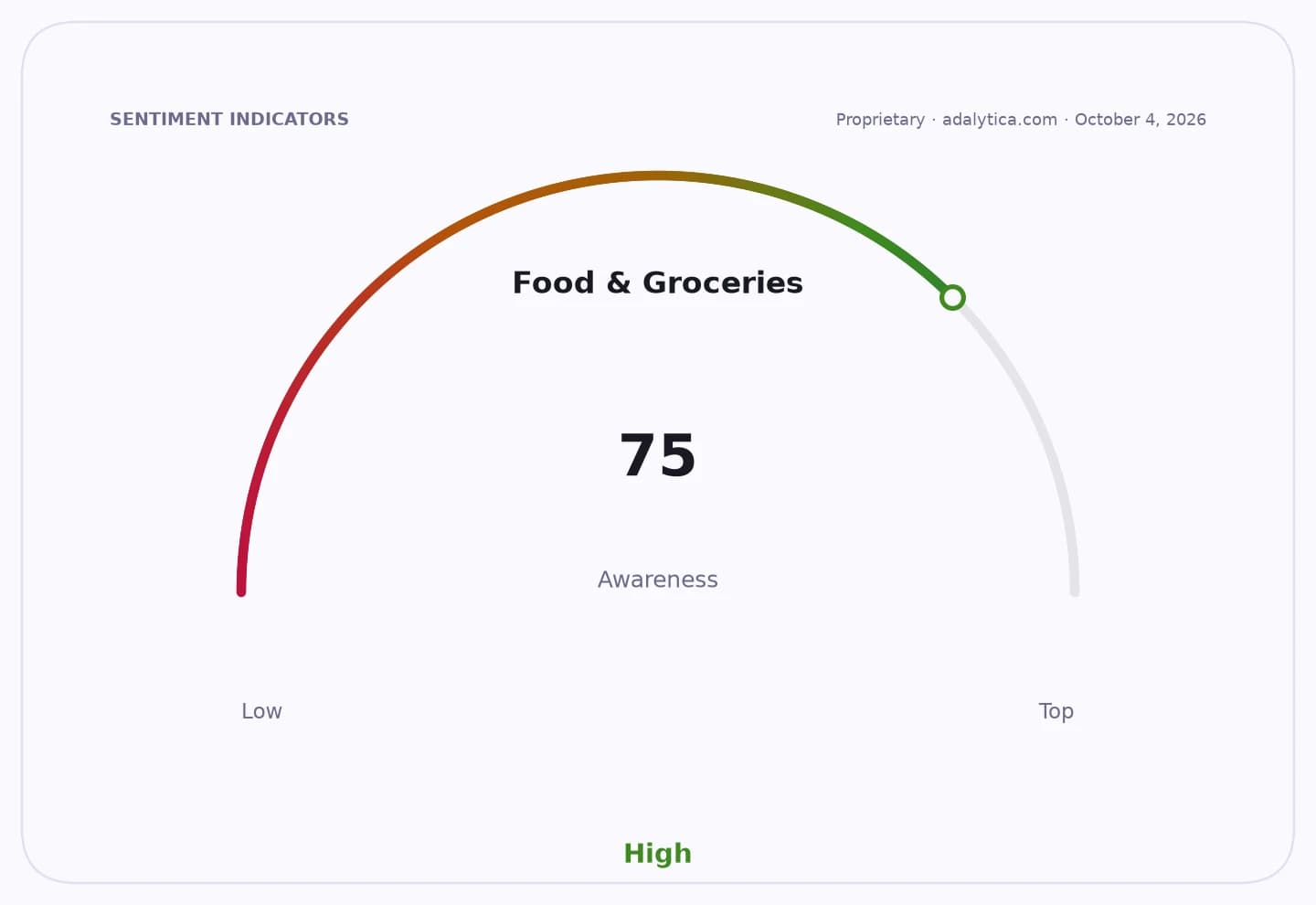
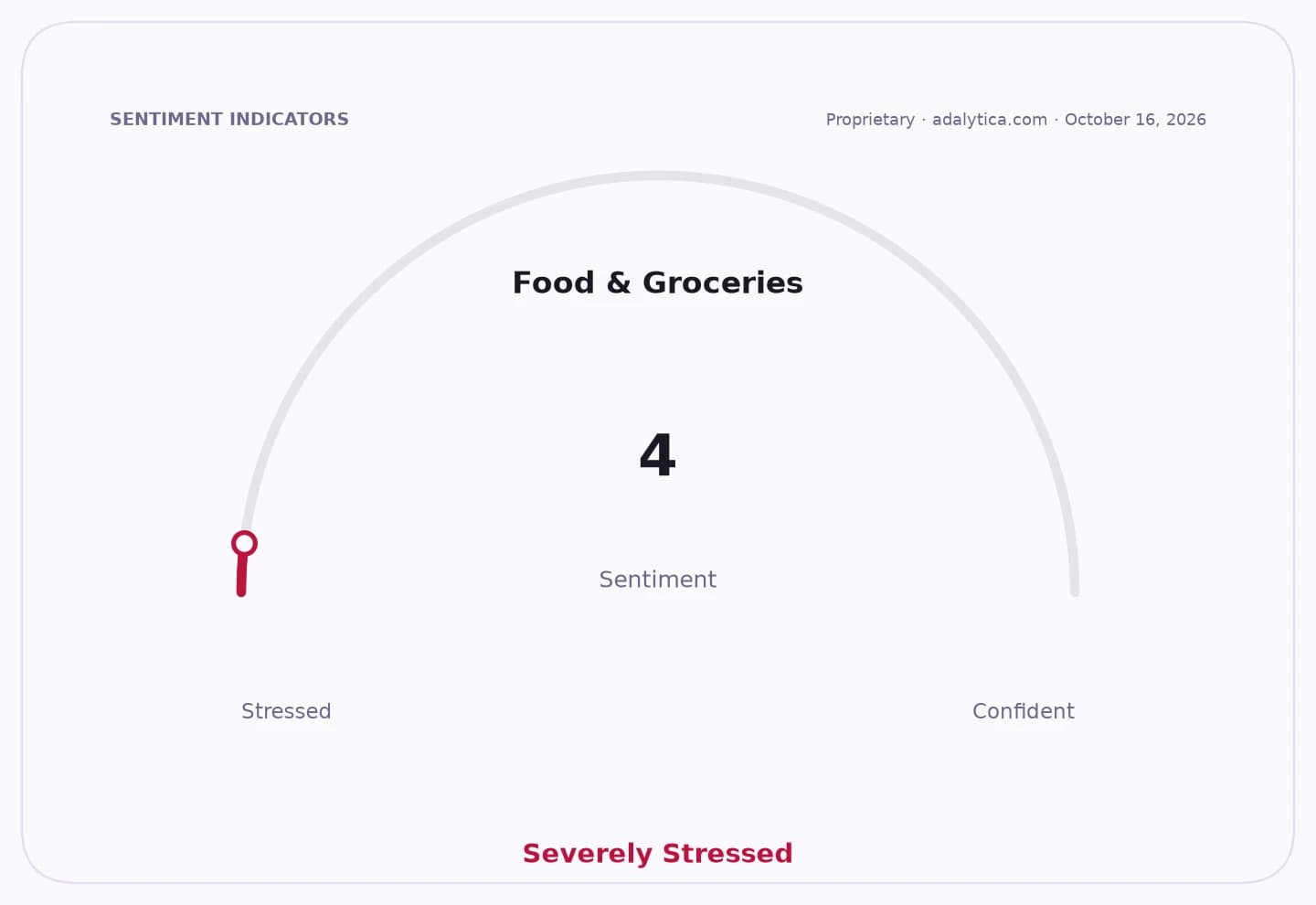
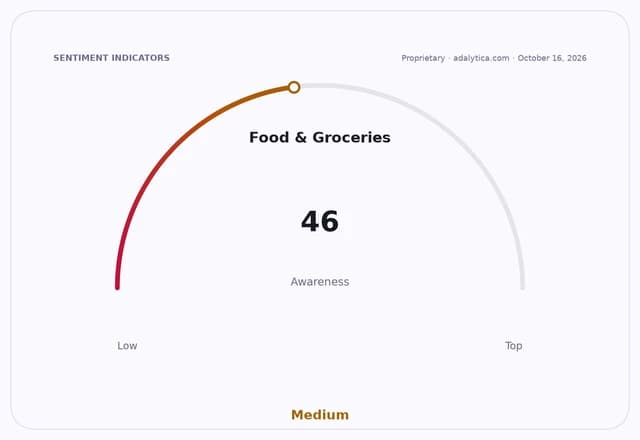
Egg prices have been under similar scrutiny, with reports of sharp increases in some governorates and renewed calls for tighter oversight of producers and distributors. Vegetables and fruit are also showing mixed pricing trends across the provinces, reinforcing the broader picture of an unstable food basket rather than a single isolated spike. Adalytica’s Food and Grocery Spending sentiment gauge, which is based on market awareness and sentiment around household food costs, shows “Extreme Fear,” a sign that consumers remain highly sensitive to any further rise in staples.
For investors and agribusiness players, the key issue is whether the current price level is a short-lived correction or the start of a more durable reset. A sustained rise in chicken prices would be positive for poultry producers and processors after earlier margin pressure, but it would also raise the risk of demand destruction if households trade down further or cut consumption. Retailers and food-service operators face a harder squeeze in the near term, especially if wholesale volatility persists.
The next test will be whether supply measures and discount initiatives can narrow the gap between production costs and retail shelves. If they do, poultry prices could stabilize without a sharp hit to producer margins. If they do not, chicken may remain one of the clearest gauges of Egypt’s still-unresolved food affordability problem.
| Entity | Gains | Losses |
|---|---|---|
| Poultry producers | ▲Better realized prices | ▼Risk of weaker demand |
| Consumers | ▲Potential discount relief | ▼Higher food bills |
| Retailers and traders | ▲Higher turnover on scarce supply | ▼Margin pressure scrutiny |
| Food-service outlets | ▲Possible bulk-discount access | ▼Cost inflation |