Egypt’s poultry industry is being priced in the dark, and that matters because a market that cannot reliably measure output cannot easily police pricing, competition or supply shocks.
Egypt poultry market lacks production data
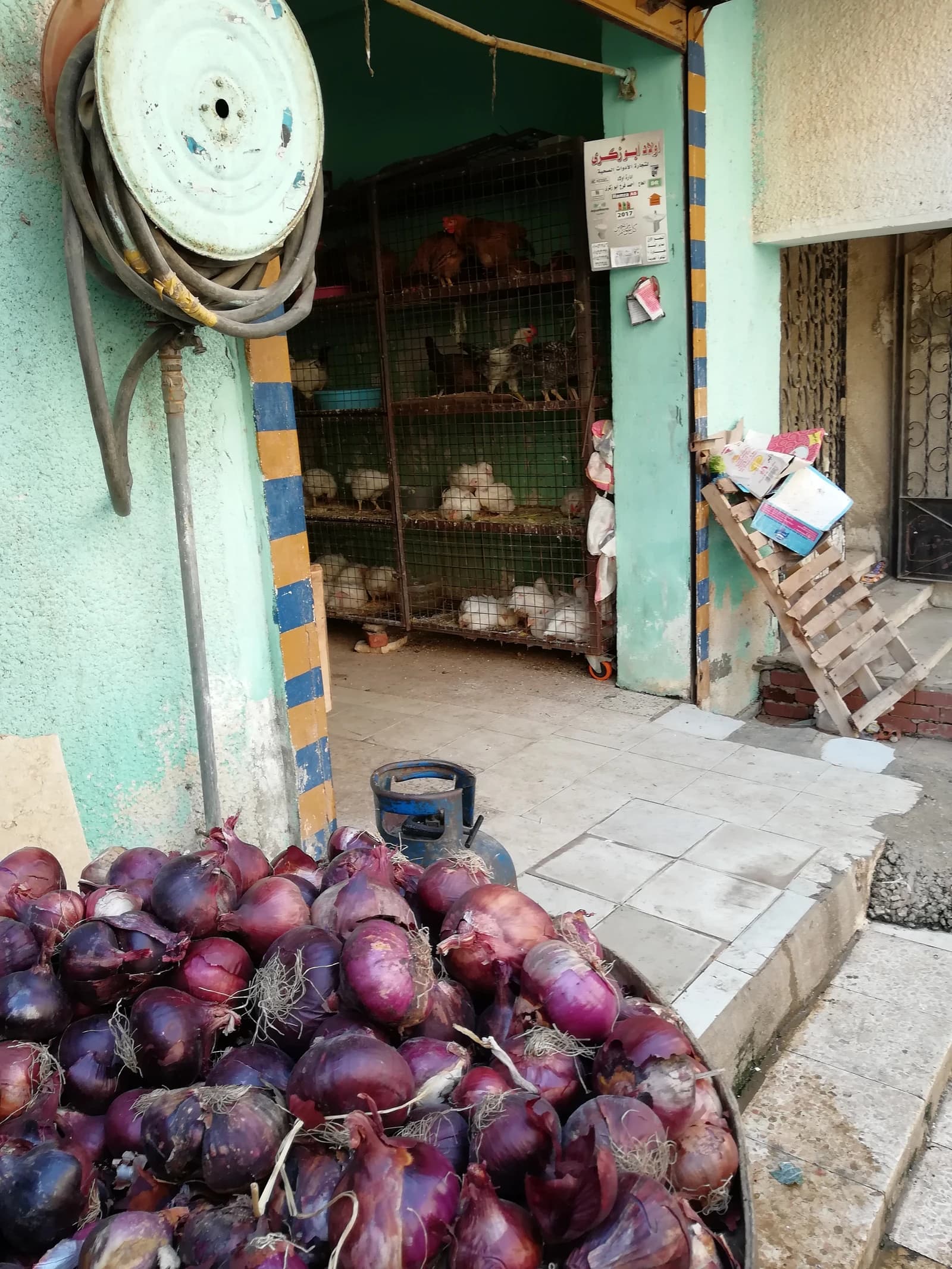
A senior poultry federation official said the country lacks a system to track production of chicken and eggs, while large producers account for about 80% of output and therefore have outsized influence over prices. The comments underline a structural weakness in one of Egypt’s most important food markets: when production data are opaque and trade is concentrated, price discovery becomes less about supply and demand and more about who controls volumes.
That is economically significant in a country where poultry is a staple protein and a key input into household food inflation. In practice, weak transparency can amplify volatility, complicate government efforts to manage consumer prices and leave smaller producers with little bargaining power. For policymakers, the issue is not just market order but food security: without credible production statistics, it is harder to forecast shortages, intervene early or build a functioning benchmark market.
The official also said plans for a poultry exchange have stalled because of a dispute between the Poultry Producers Union and the governor of Qalyubia, now in court. A dedicated exchange was meant to improve price formation and reduce the influence of informal trading. Its delay leaves Egypt reliant on a fragmented market structure, where producers, traders and retailers negotiate without a clear national reference price.
For investors, the story points to a sector with persistent governance risk rather than a simple demand play. Concentrated production can support margins for the biggest operators if supply discipline holds, but it also raises regulatory and political risk if authorities move to curb pricing power or push for greater disclosure. Smaller producers face the opposite problem: thin visibility, weaker scale and limited ability to pass through costs.
The broader narrative is that Egypt’s poultry market is not just struggling with supply; it is struggling with market architecture. Until production is tracked more systematically and a credible pricing mechanism is in place, volatility is likely to remain a feature of the sector, not a temporary disturbance.
| Entity | Gains | Losses |
|---|---|---|
| Large poultry producers | ▲Pricing power | ▼Public scrutiny |
| Small producers | ▲— | ▼Weak bargaining power |
| Consumers | ▲— | ▼Higher price volatility |
| Regulators/government | ▲Better reform case | ▼Harder market oversight |