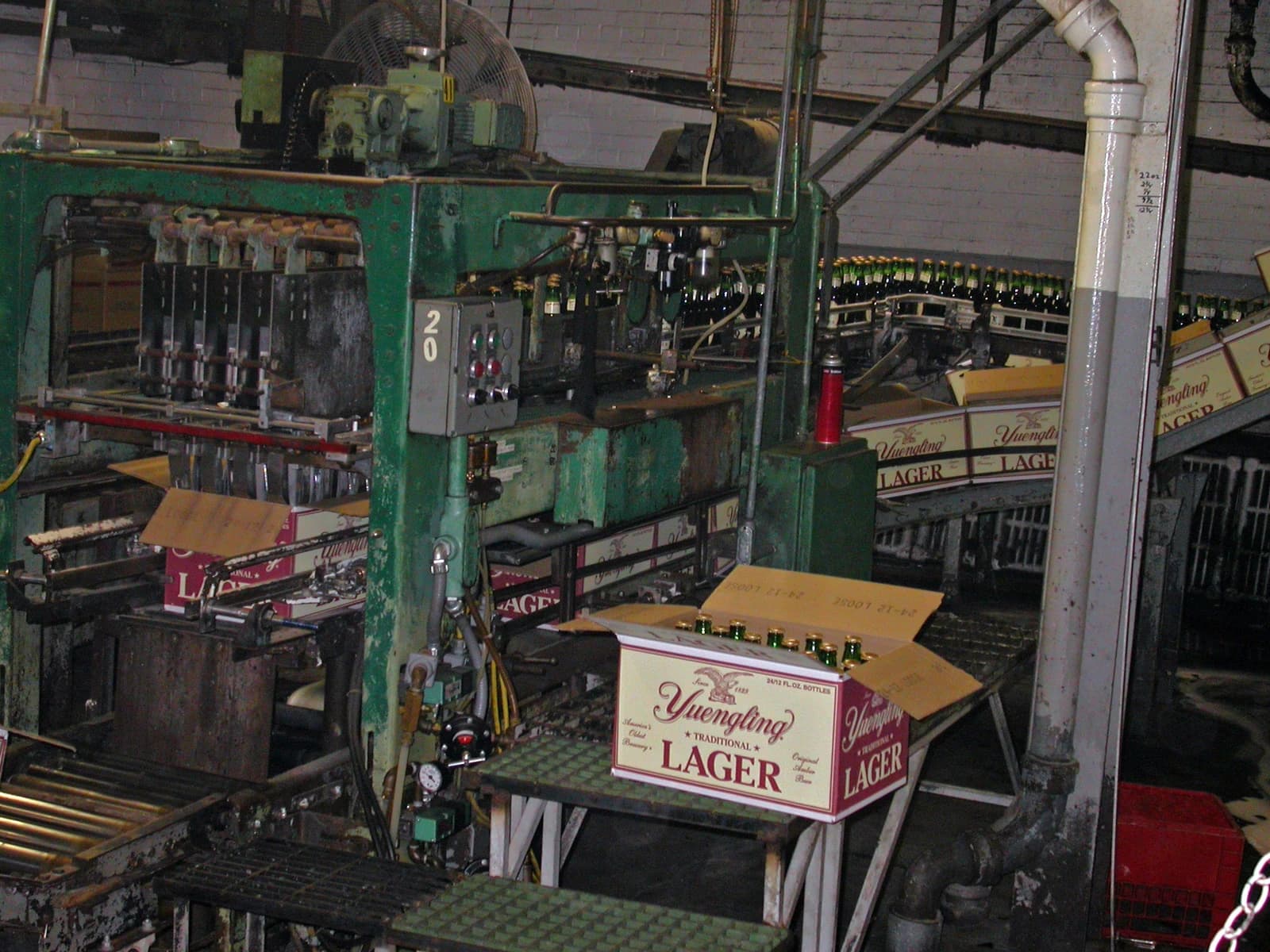
Supermarket Fuji is overhauling its distribution network to lower costs and bolster earnings power at a time when inflation is still squeezing Japanese households and retailers alike.
Supermarket Fuji overhauls distribution network
The move matters because food retailers are caught between stubbornly higher procurement and logistics costs on one side and price-sensitive consumers on the other. In an environment where inflation remains elevated and wage gains have not fully offset living-cost pressure, distribution efficiency can be the difference between preserving margins and watching them erode.
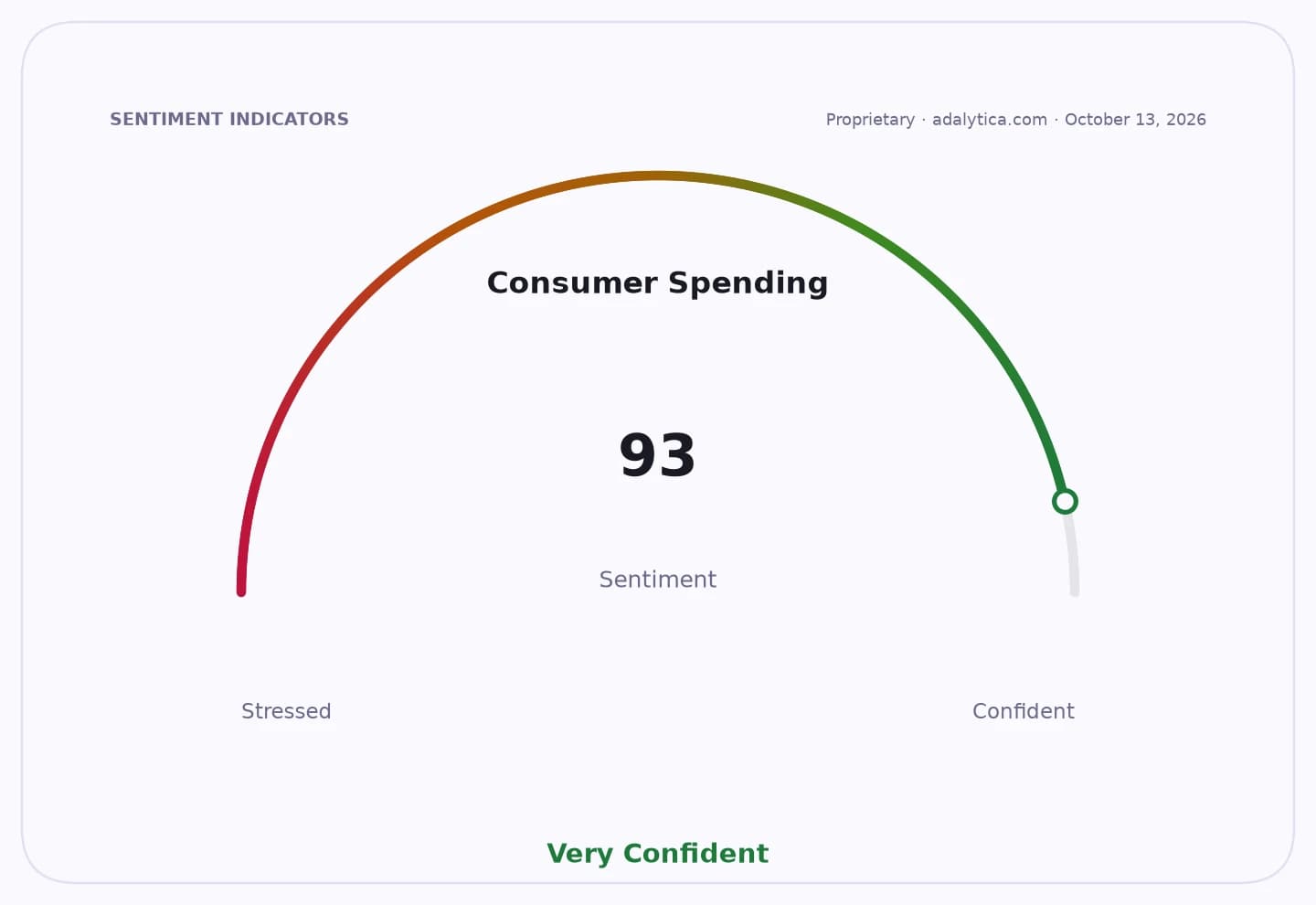
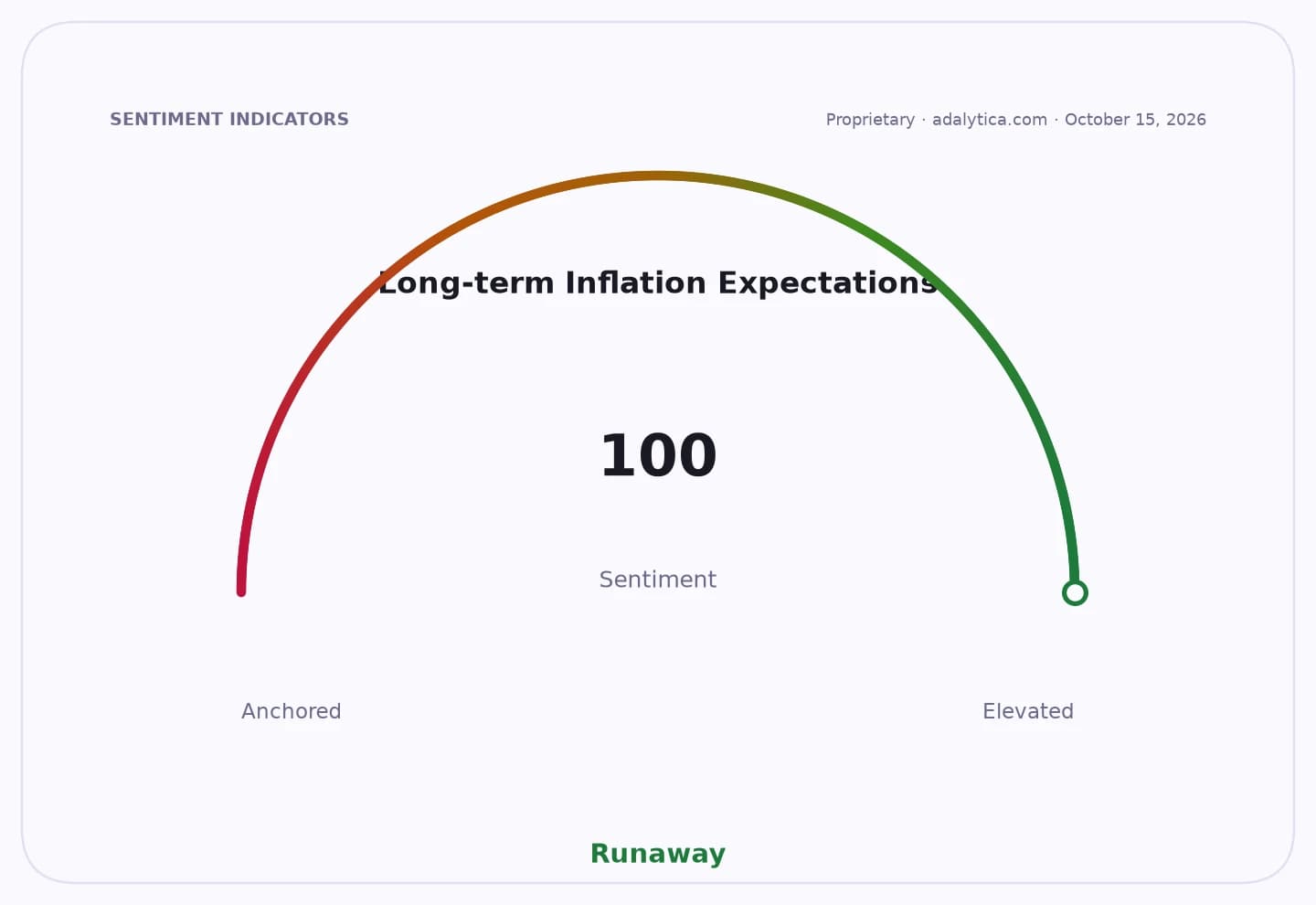
Sentiment IndicatorsⓘProprietary · adalytica.com · October 17, 2026
This is a snapshot — live sentiment, awareness and momentum for 130+ markets update continuously in the dashboard.Open AlphaPulse
For Fuji, reorganizing the supply chain is not just an operational tweak. It is a defensive response to a cost structure that has become less forgiving as fuel, transport and imported food expenses stay volatile. Retailers with dense store networks and thin margins have little room to absorb those shocks, which means every percentage point saved in handling and delivery can feed directly into operating profit.
The backdrop is a broader global inflation picture that remains uncomfortable. U.S. consumer prices accelerated to 3.7% in September, while producer prices were up 2.8%, underscoring how persistent cost pressure is across the retail supply chain. Even where inflation has eased from peaks, companies still face higher base costs than they did before the post-pandemic surge, forcing a renewed focus on logistics, inventory turns and procurement discipline.
That is why Fuji’s initiative fits a wider pattern across the sector. In the U.S., large grocers such as Kroger and Walmart have highlighted productivity initiatives, supply-chain efficiencies and mix improvements as central to margin protection. The common theme is that in a low-growth, cost-sensitive retail market, earnings quality depends less on headline sales growth than on how efficiently companies move goods from supplier to shelf.
Investors typically reward that kind of execution because it can support margins without requiring aggressive price hikes that risk losing traffic. If Fuji can streamline distribution, it may improve cash generation and create more room to defend profitability even if consumer demand stays soft. The bull case is that lower logistics costs and better inventory management lift returns on sales and reduce earnings volatility. The bear case is that restructuring expenses, execution missteps or continued inflation in wages and transport could delay any benefit.
Fuji’s challenge now is whether the network overhaul can translate from a cost-cutting plan into measurable margin expansion. In a retail market still shaped by inflation, the answer will determine whether the company merely absorbs pressure or turns it into a more durable competitive advantage.
| Entity | Gains | Losses |
|---|---|---|
| Supermarket Fuji | ▲Lower logistics costs | ▼Short-term restructuring expense |
| Consumers | ▲More stable pricing | ▼Less room for promotions |
| Suppliers/Carriers | ▲Efficient routing partners | ▼Margin pressure on service terms |
| Competitors with weaker supply chains | ▲— | ▼Loss of cost advantage |