Kroger is preparing to cut thousands of corporate jobs over the next three years as the supermarket chain redirects savings into lower prices and store workers, a move aimed at sharpening its position against Walmart and Aldi.
Kroger Plans Corporate Job Cuts to Fund Lower Prices
The company’s chief executive, Greg Foran, told employees in an internal memo that Kroger should reduce repetitive tasks and adapt to technological change, according to Reuters. The cuts are part of a broader effort to take costs out of headquarters while using artificial intelligence and automation to streamline operations.
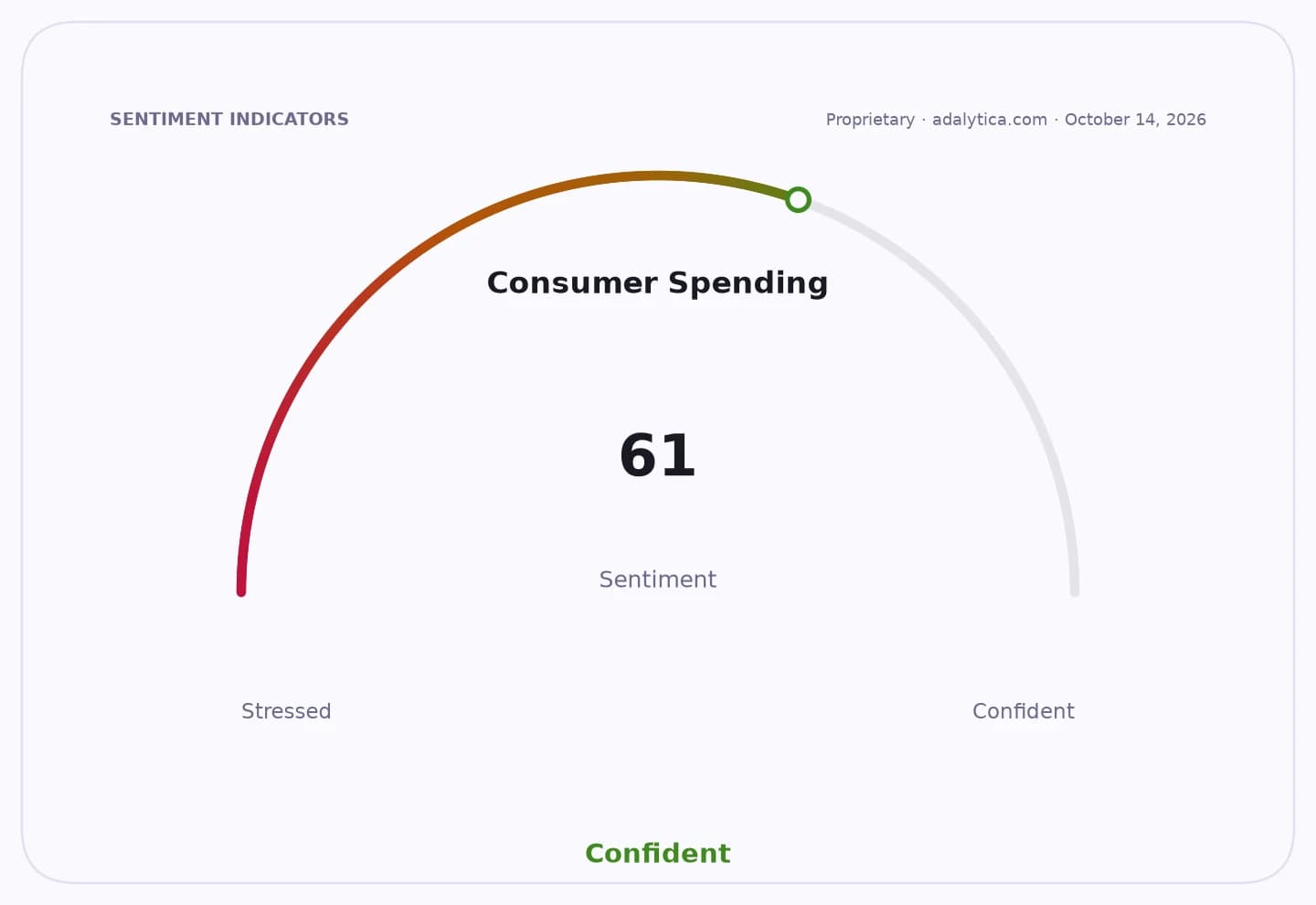
Sentiment IndicatorsⓘProprietary · adalytica.com · October 14, 2026
This is a snapshot — live sentiment, awareness and momentum for 130+ markets update continuously in the dashboard.Open AlphaPulse

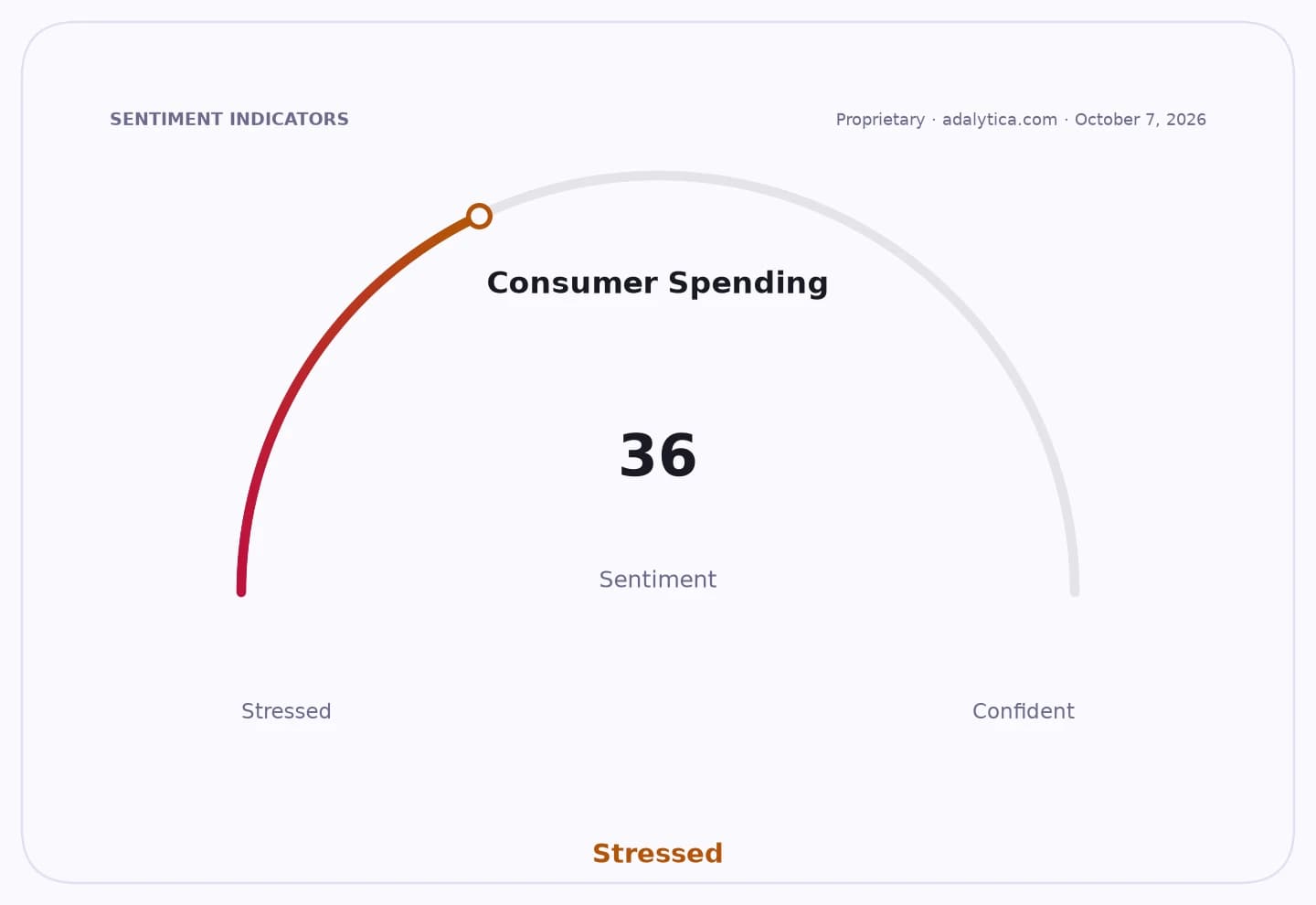
That matters because grocery retail is a volume business with thin margins, and pricing is now a central battleground. Kroger has already trimmed its annual comparable sales outlook and has been under pressure from households pulling back on spending, including due to elevated fuel costs, leaving the chain little room to absorb higher overhead without risking market share.
The savings are meant to do two things investors care about most: protect margins and support traffic. Kroger said the money will be used primarily to lower shelf prices and invest in store employees, a signal that it sees execution in the aisles — not just cost discipline at headquarters — as the key to defending growth.
Kroger, based in Cincinnati, runs about 1,200 stores across the U.S. under banners including Kroger, Fred Meyer, Ralphs, King Soopers and Smith’s. The latest cuts follow a reduction of about 1,000 corporate jobs in June 2025 and mirror a wider wave of restructuring across large companies leaning more heavily on AI to handle routine work.
The strategy also fits a retail landscape where Walmart and Costco continue to pressure rivals with scale, efficiency and aggressive pricing. For Kroger, the test will be whether lower overhead translates into visible price cuts fast enough to keep budget-conscious shoppers from trading down or switching chains.
Investors will be watching for details on the number of roles eliminated, the pace of implementation and whether the savings show up in gross margin, traffic and same-store sales over the next few quarters.
| Entity | Gains | Losses |
|---|---|---|
| Kroger | ▲Lower costs, price flexibility | ▼Corporate headcount |
| Shoppers | ▲Lower grocery prices | ▼Less corporate staffing |
| Walmart and Aldi | ▲Category pressure eases less | ▼Kroger’s cheaper competition |
| Kroger shareholders | ▲Potential margin support | ▼Near-term restructuring costs |