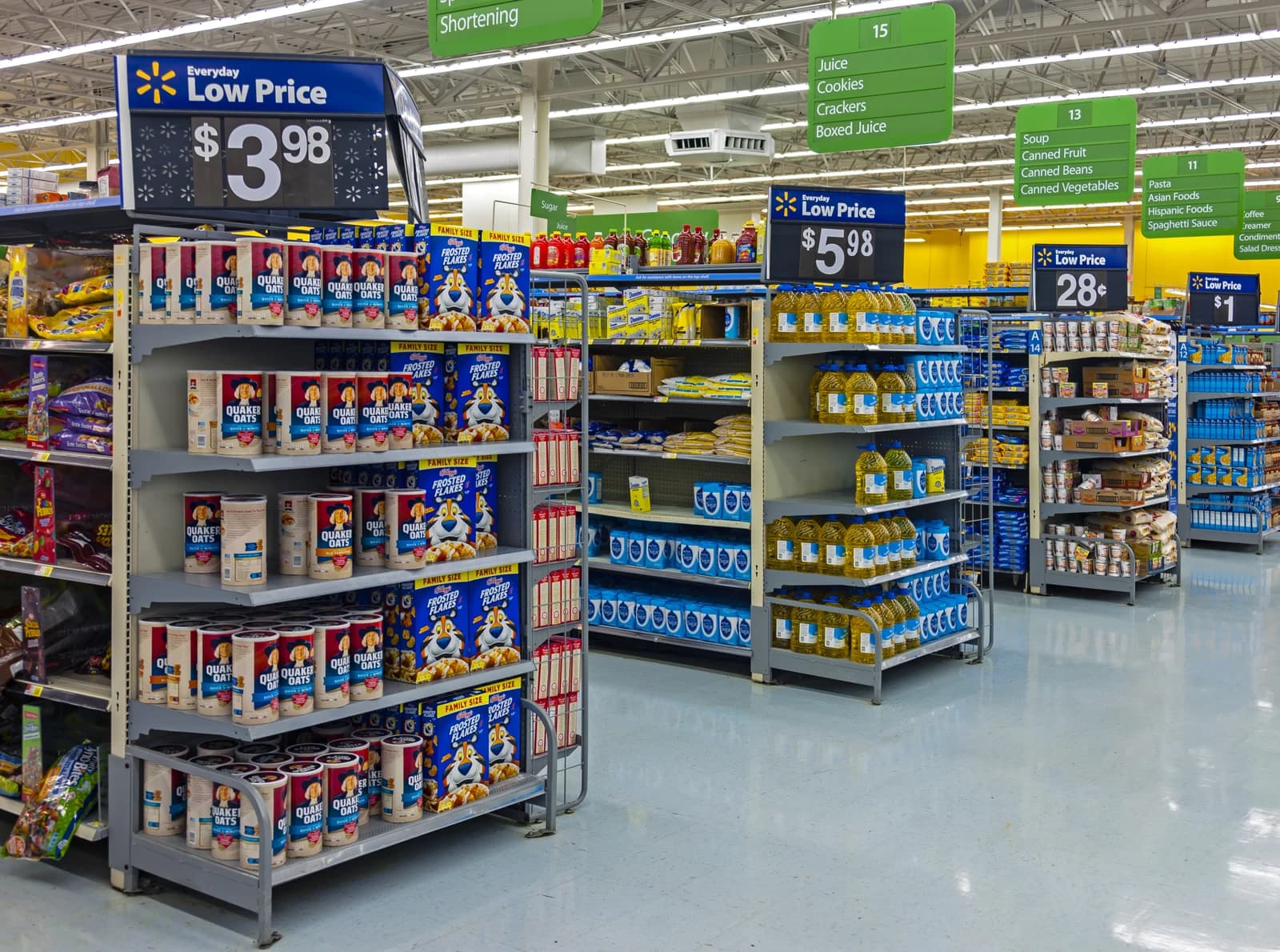
Walmart, Target and Dollar General are changing the look and layout of their stores as the big U.S. retailers push to win back shoppers and defend sales in a tougher consumer environment.
Walmart, Target and Dollar General remodel stores
The moves matter because physical stores remain the center of U.S. retail, even as shopping shifts online and consumers grow more selective on spending. For investors, store reinvestment is a tell on where chains think demand will come from next: convenience, faster trips and better merchandising, not just lower prices.
Sentiment IndicatorsⓘProprietary · adalytica.com · October 14, 2026
This is a snapshot — live sentiment, awareness and momentum for 130+ markets update continuously in the dashboard.Open AlphaPulse
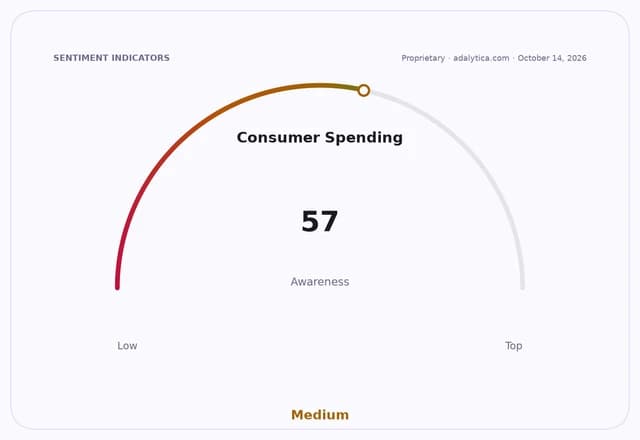
Walmart’s stock has climbed to $112.28, near its 50-day moving average of $108.50 and still below its 200-day average of $117.77, with the relative strength index at 54.6 and a positive MACD reading, suggesting the shares have regained some momentum after a sharp midyear reset. Adalytica’s Walmart earnings sentiment stands at 82, or “Greed,” with awareness at 89, reflecting unusually high investor attention around the company’s next phase of execution.
Target has also been active, with the stock at $151.99, below its 50-day average of $156.88 and its 200-day average of $129.37 after a volatile run that included a peak near $169.89 in late August. Dollar General closed at $125.00, holding above both its 50-day average of $123.55 and its 200-day average of $125.16, a sign that investors are still treating the discount chain as a defensively positioned play even after a steep retreat from its $151.58 February high.
The store changes fit a broader retail pattern: chains are spending to make shopping feel easier, faster and more rewarding in person, rather than relying solely on promotions. That is especially important for Walmart and Target, which compete not just on price but on convenience, basket size and trip frequency, and for Dollar General, where store conditions and layout can directly affect traffic in lower-income and rural markets.
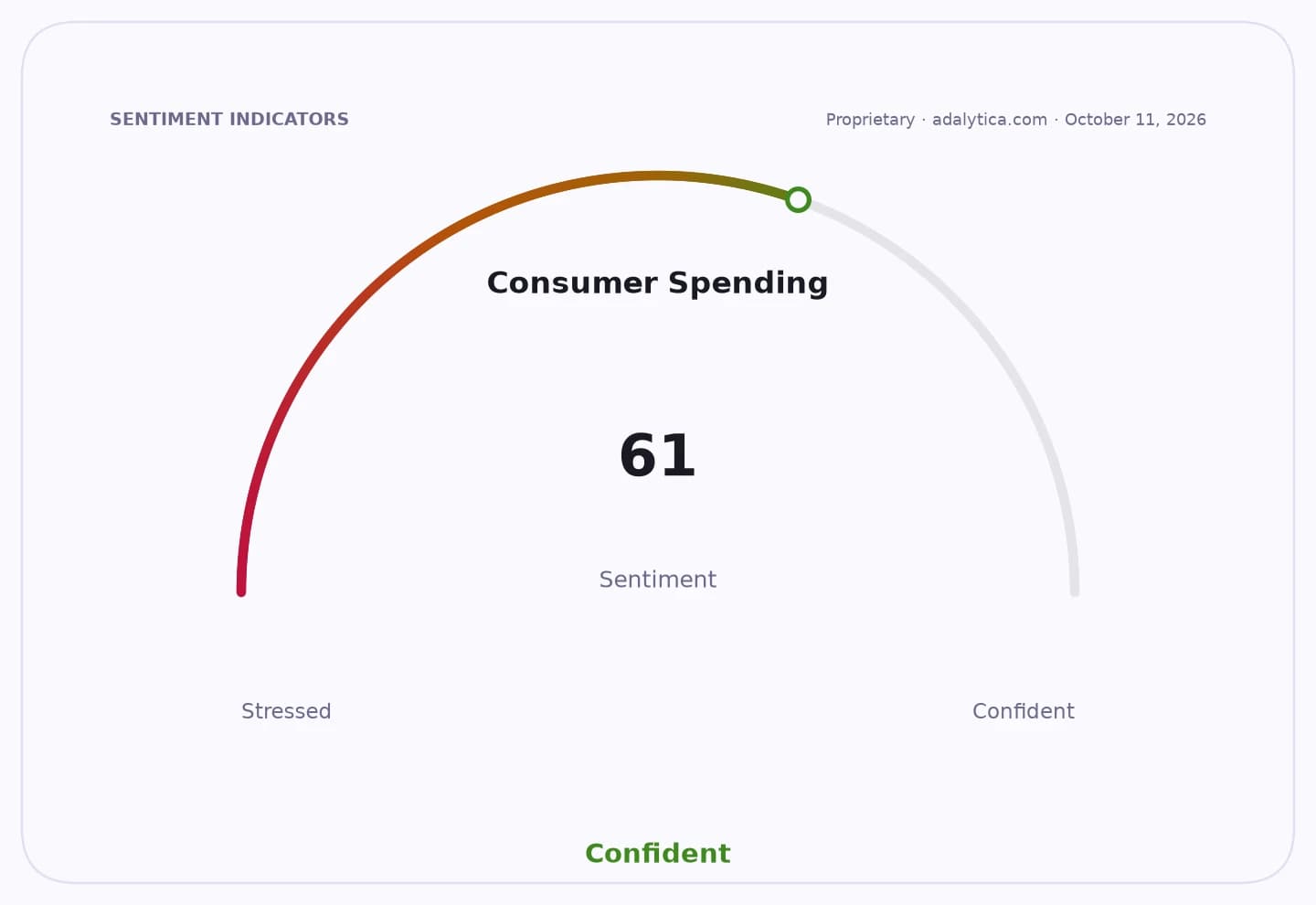
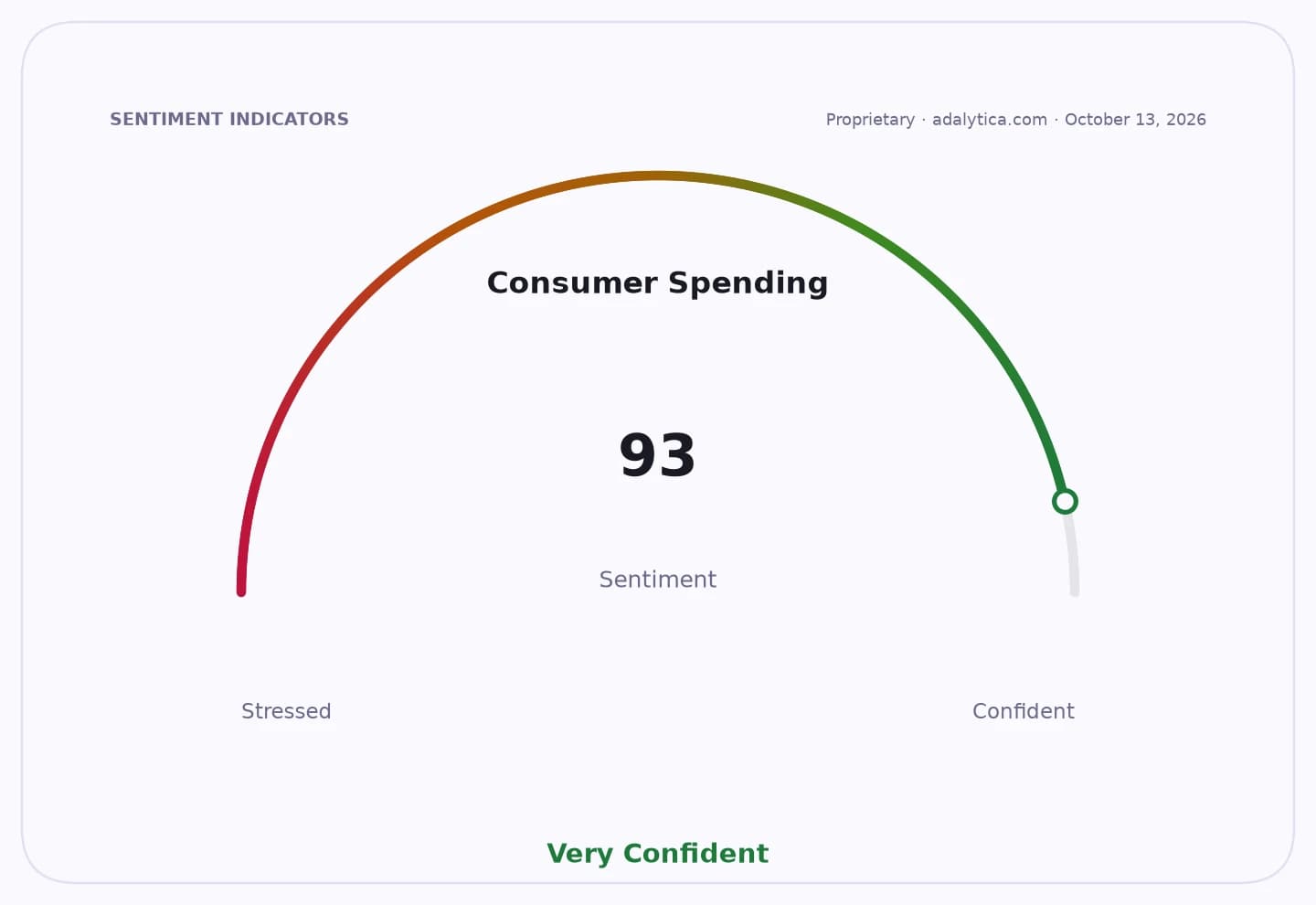
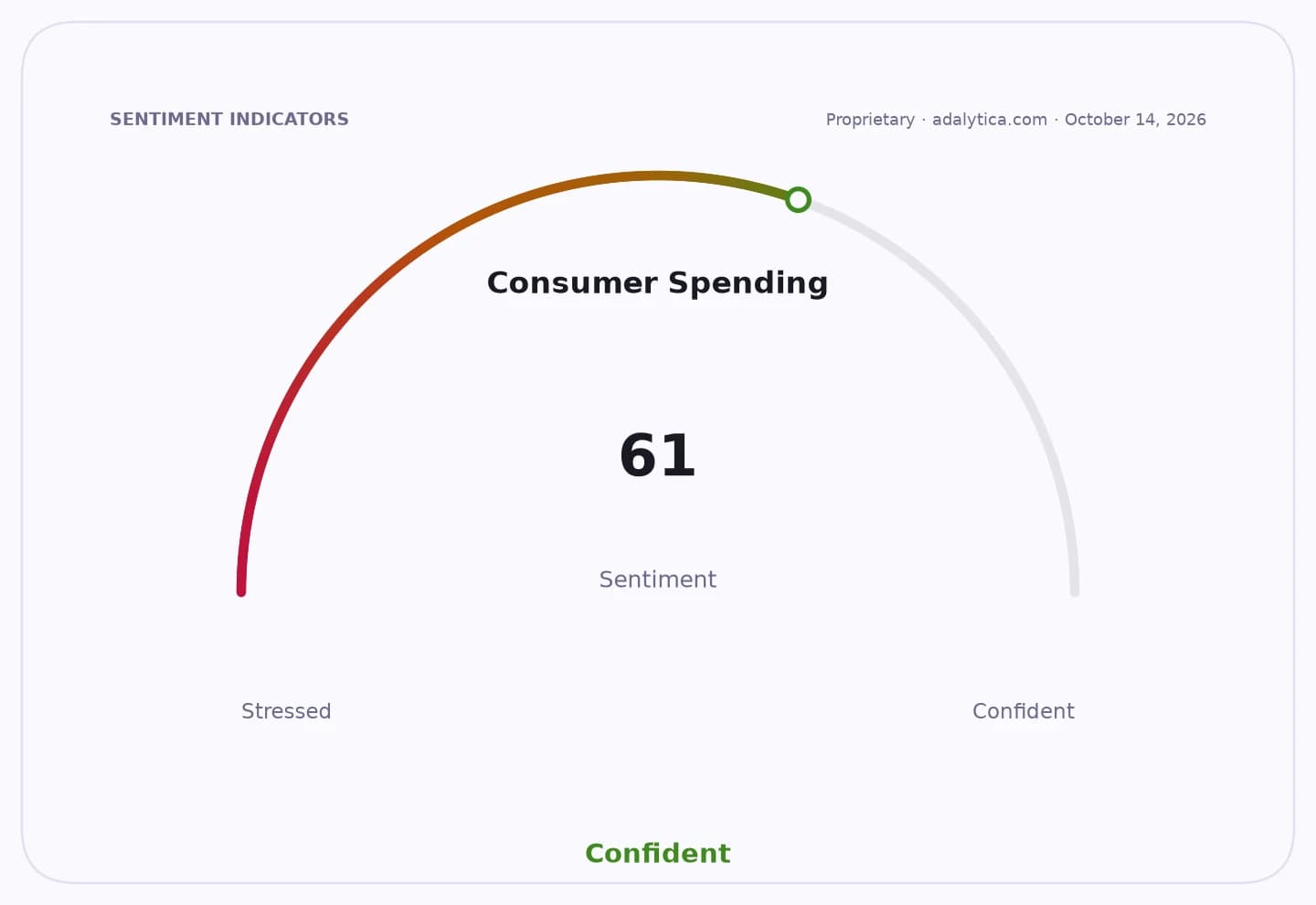
The backdrop is still mixed. Adalytica’s consumer spending sentiment sits at 61, neutral, while its S&P 500 trade signals show awareness at just 4, or “Extreme Fear,” underscoring how uneasy the market remains despite pockets of resilience in retail. That leaves store upgrades as both a defense and an offense: a way to protect share in a choppy spending climate while trying to lift sales per visit.
Investors will be watching whether the remodels and store changes translate into better comparable sales and margin stability in coming quarters. If they do, the spending could look like a smart bid for traffic; if they do not, it risks becoming another round of costly reconfigurations in a highly promotional retail market.
| Entity | Gains | Losses |
|---|---|---|
| Walmart | ▲Higher traffic, better conversion | ▼Refit costs |
| Target | ▲Improved store appeal | ▼Execution risk |
| Dollar General | ▲Stronger basket sizes | ▼Capex burden |
| Smaller retailers | ▲None | ▼More competition |