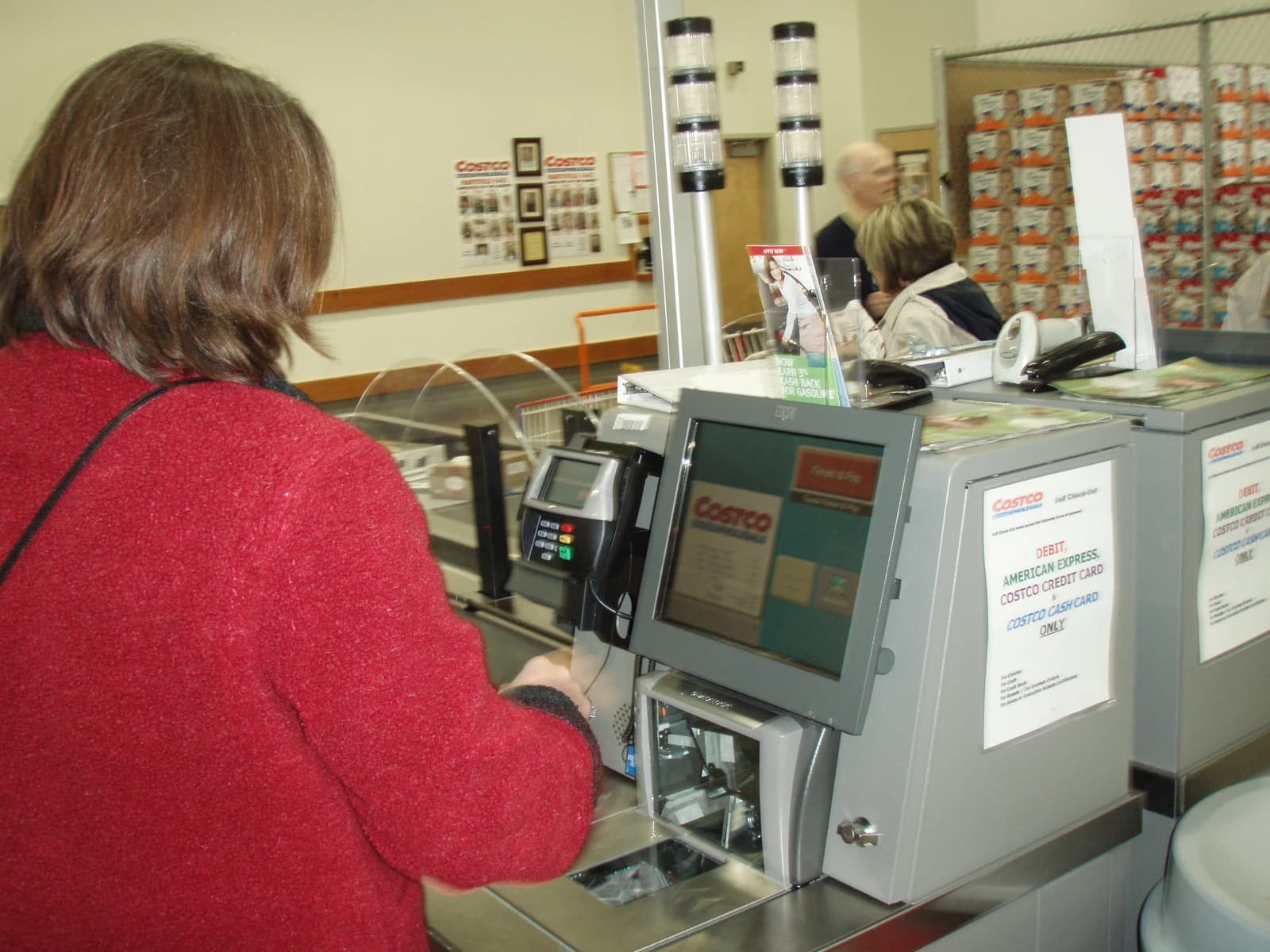
Consumers facing stubborn supermarket prices are increasingly financing food with credit cards and Buy Now, Pay Later plans, a sign that grocery inflation is still eroding household budgets even as overall inflation shows signs of cooling in some markets.
U.S. shoppers use credit cards for groceries
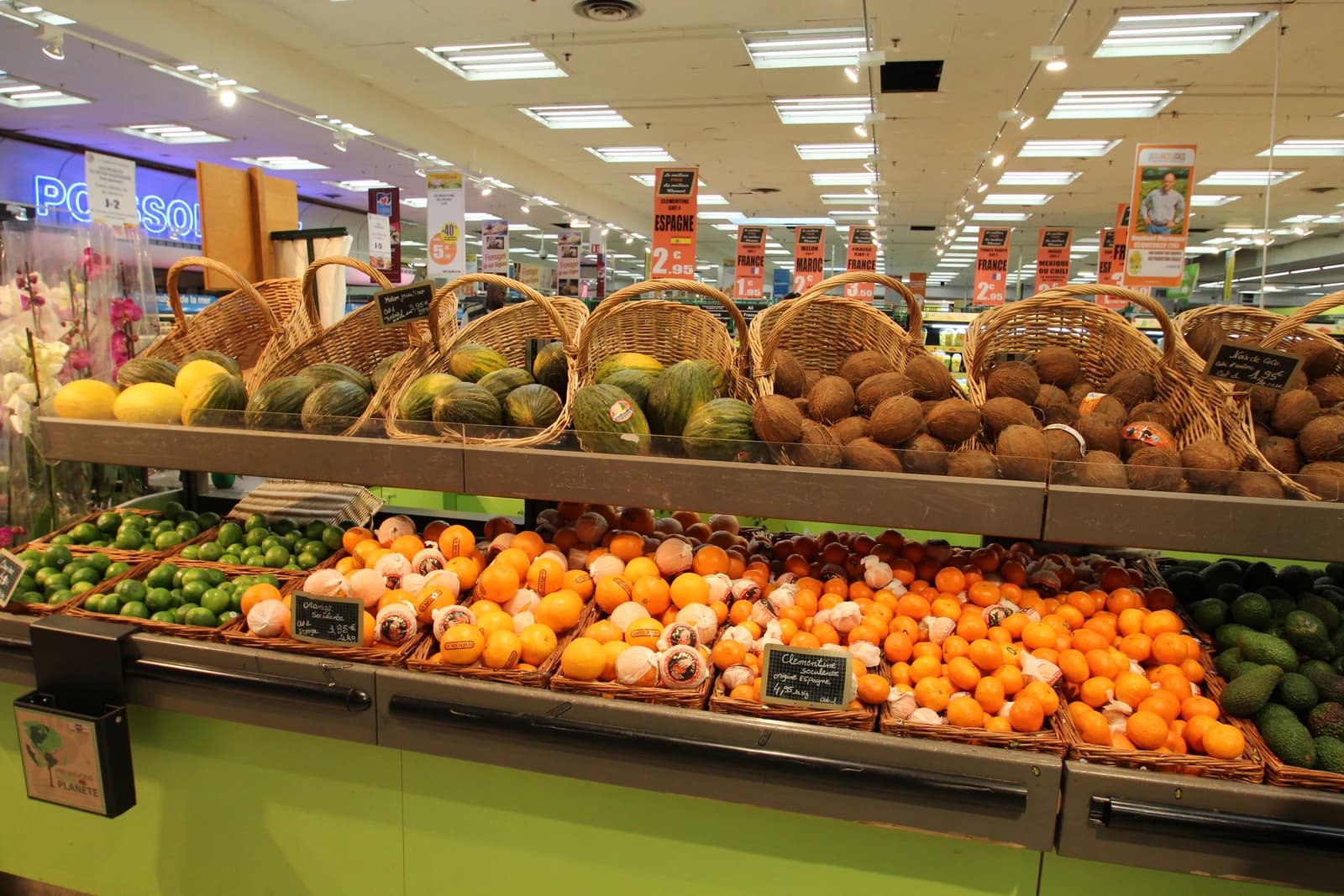
That pressure matters because groceries are a non-discretionary expense: when families are borrowing to buy staples, the strain quickly spills into delinquency risk, weaker discretionary spending and, eventually, slower growth across the broader economy. An Urban Institute analysis found more than one in four working-age adults had trouble paying off groceries charged to credit cards last year, while nearly one in 10 used Buy Now, Pay Later and many struggled to keep up with payments.

The data underscore how food costs remain one of the most politically and economically sensitive parts of the inflation story. Even where headline inflation eases, supermarket receipts can stay elevated because food prices are shaped by a separate mix of transport, wages, packaging and supplier costs. U.S. consumer-price data in the context show the index still hovering near 334 in August, while producer prices were around 288, levels that leave little room for relief at the checkout.
For investors, that keeps pressure on the retail landscape divided between value-oriented operators and everything else. Discount chains and warehouse clubs such as Costco, BJ’s, Aldi and Lidl are still drawing traffic because they beat Walmart on price in Consumer Reports’ comparison, while shoppers hunting for savings are trading down to store brands, digital coupons and unit-price comparisons. That behaviour tends to favour private-label heavy grocers and membership formats, while squeezing brands and retailers dependent on higher basket sizes.
The market evidence points to the same split. The Consumer Staples Select Sector SPDR ETF has recovered from its spring lows but remains below recent highs, reflecting a defensive bid rather than confidence that consumers have fully healed. Costco shares have stayed resilient, helped by its ability to keep value-conscious members spending, while Walmart has also remained a relative winner as shoppers trade down. More premium grocers, by contrast, have less cushion if budget stress persists.
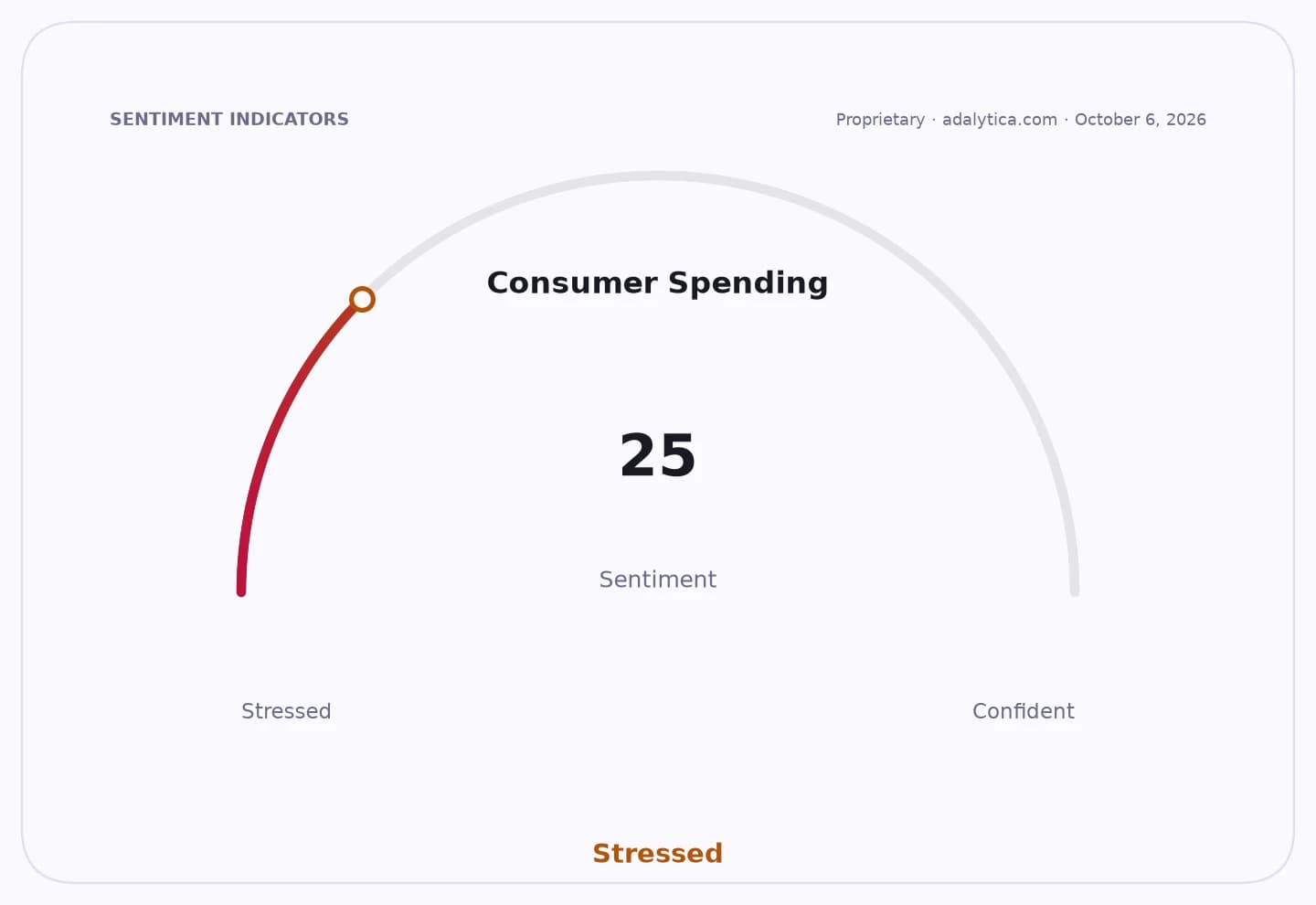
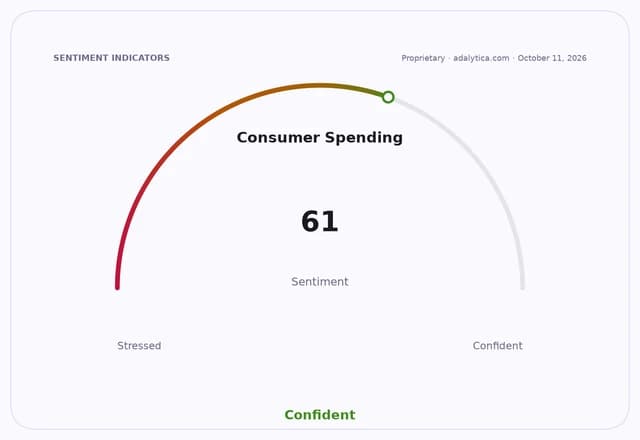
There is a policy and macro angle too. If households are using revolving credit to buy food, central banks get less comfort from moderating headline inflation because the consumer is not yet recovering in real terms. Adalytica’s Consumer Spending Sentiment gauge at 61 is neutral, but its 30-day drop shows the mood has deteriorated, reinforcing the idea that price fatigue is still shaping behaviour rather than one-off spending hiccups.
Consumer Reports’ advice is practical for households, but the larger message is structural: the grocery aisle remains a battleground for value, and the companies best able to prove they are cheap, convenient and consistent are likely to keep gaining share. Investors should watch whether food inflation keeps easing, whether shoppers continue to trade down, and whether credit stress around basic goods starts to show up in delinquency trends and retail earnings.
| Entity | Gains | Losses |
|---|---|---|
| Costco/BJ’s/Aldi/Lidl | ▲Trade-down traffic | ▼Premium grocers |
| Walmart | ▲Defensive share gains | ▼Higher-price rivals |
| Shoppers using coupons/store brands | ▲Lower grocery costs | ▼Brand-name manufacturers |
| Credit card issuers/BNPL lenders | ▲More consumer usage | ▼Delinquency risk from overstretched households |