Irish households are still being asked to do more with less at the supermarket, and that makes small changes in shopping habits financially meaningful even as grocery inflation eases from its peaks.
Irish Households Cut Grocery Costs as Inflation Eases
With the average Irish family of four spending about €180 a week on groceries and households making roughly 23 supermarket trips a month, the cumulative cost of impulse buys, food waste and poor unit-price comparisons can quickly add up. Sophie Morris’s advice on freezing bread, shopping with a list, using own-label goods and switching to cheaper cuts of meat speaks to a broader consumer reality: after several years of high inflation, shoppers are increasingly optimizing the basket, not just trimming discretionary spending.
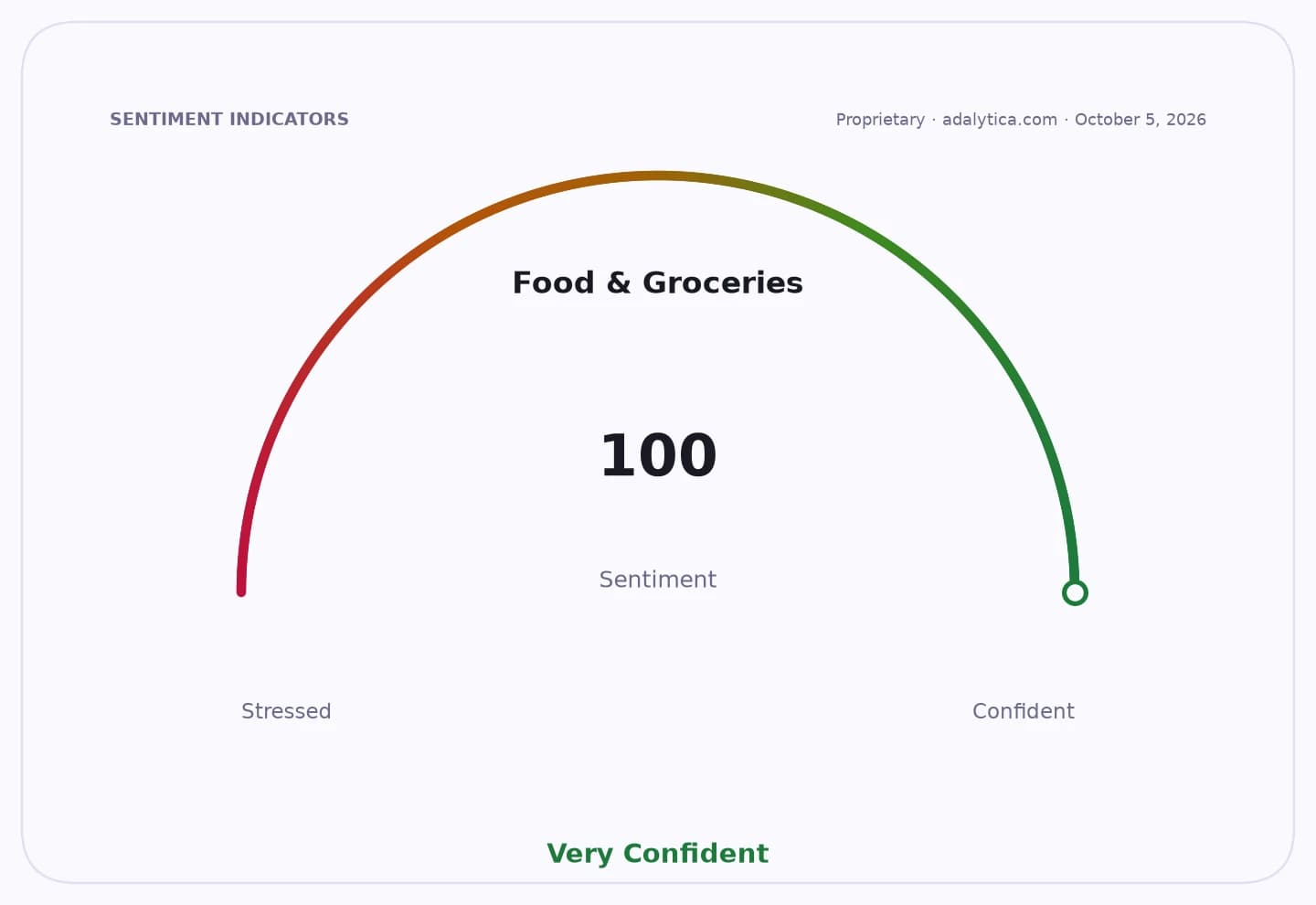
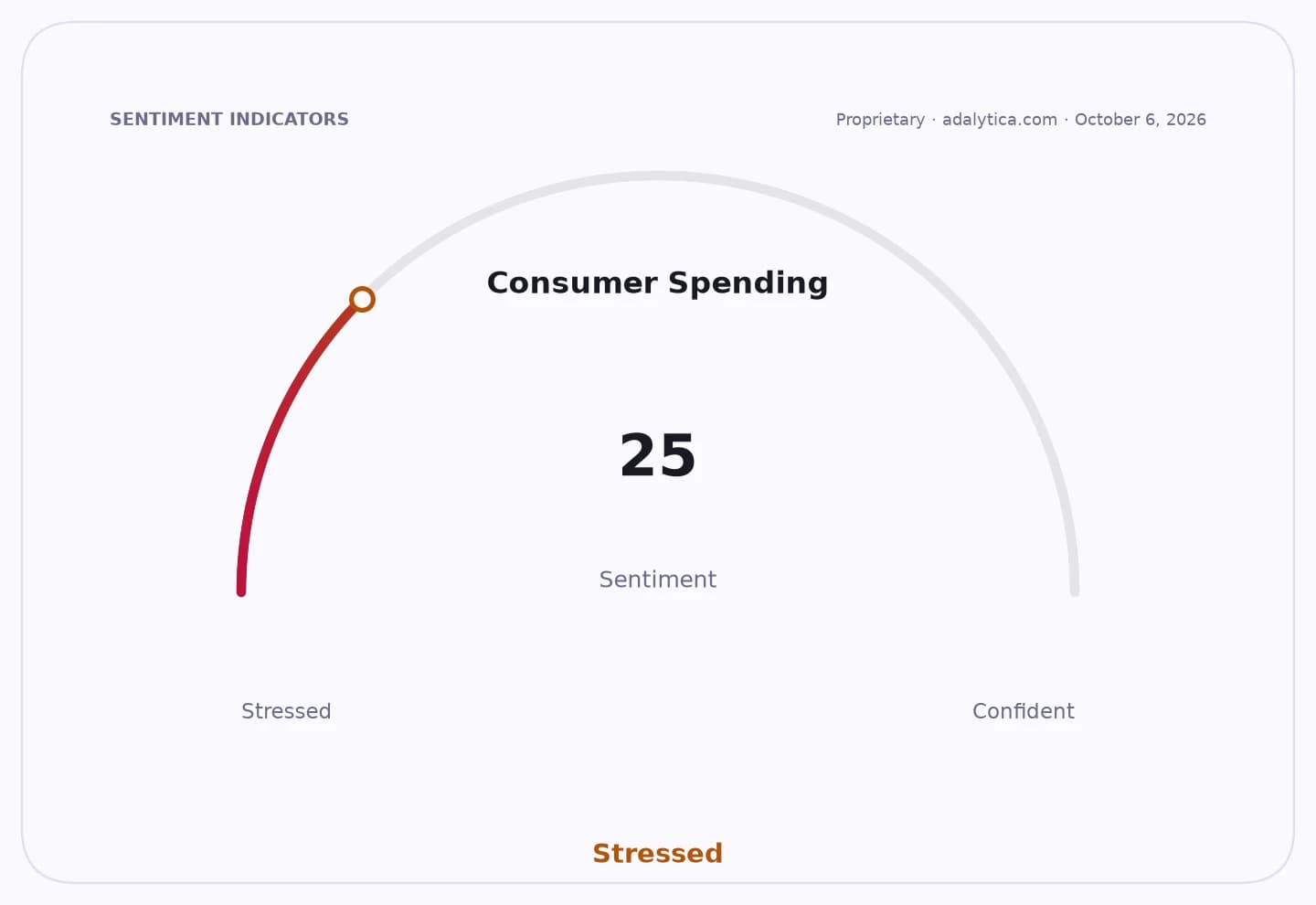
Sentiment IndicatorsⓘProprietary · adalytica.com · October 6, 2026
This is a snapshot — live sentiment, awareness and momentum for 130+ markets update continuously in the dashboard.Open AlphaPulse
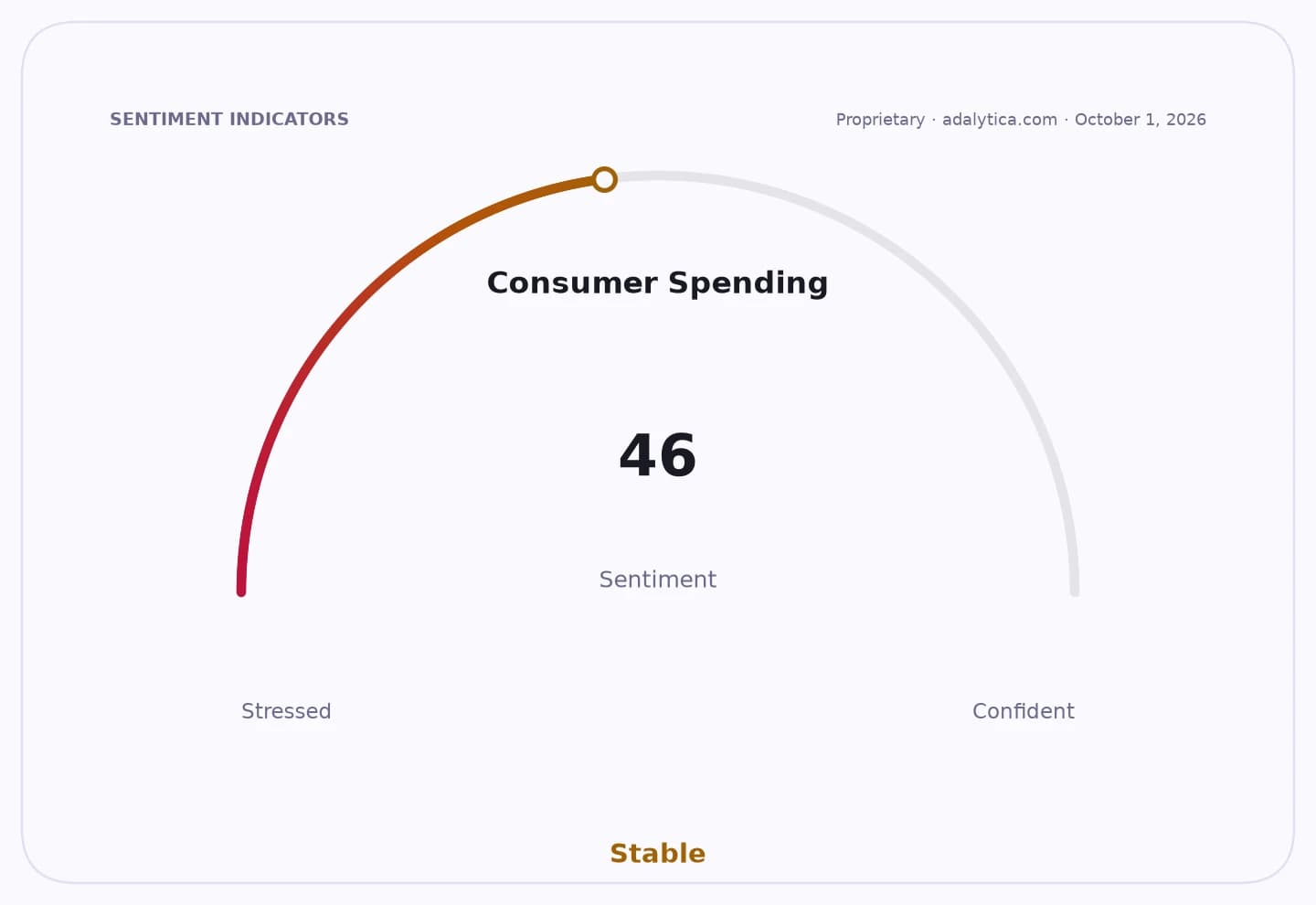
That shift matters economically because food remains one of the most visible pressure points in household budgets. Official U.S. inflation data in the context points to consumer prices still running materially above pre-pandemic levels, while producer prices are higher as well, underscoring that cost relief through the supply chain has been incomplete. Separate consumer-sentiment data from Adalytica shows spending sentiment in “Fear” territory, with a sharp drop over the past week, a sign that shoppers remain sensitive to every euro saved. In that environment, the marginal gains from practical tactics—buying frozen produce, avoiding multi-buys that lead to waste, or comparing unit prices rather than shelf tags—become more than lifestyle advice; they are a response to real purchasing-power pressure.
The message also has clear implications for retailers. Supermarkets are fighting for a larger share of a constrained wallet, and own-brand products have become a crucial battleground. Morris’s suggestion that switching just half a basket to supermarket labels can cut bills by about 25% captures why chains such as Tesco, Aldi, Lidl, Kroger, Walmart and Costco have leaned harder into value ranges, promotions and private-label expansion. For branded suppliers, that shift can mean slower volume growth and pricing pressure. For discounters and warehouse clubs, it can mean traffic gains as shoppers trade down.
The evidence points to a consumer market that is not collapsing, but becoming more discriminating. Kroger and Walmart shares have both reflected the tension between resilient traffic and margin pressure, while Costco remains better supported by members trading up to bulk value. Technical indicators on Walmart and Costco show both names recently below or near key moving averages, suggesting investors are still weighing whether value-led demand can offset mix and margin pressure. For grocery investors, the question is not whether consumers will keep spending, but how much of that spend migrates toward lower-margin essentials, private label and promotional channels.
The broader narrative is one of adaptation rather than relief. Even if inflation cools further, households that have learned to freeze bread, plan baskets and hunt for unit value are unlikely to go back to old habits quickly. That keeps pressure on branded food makers and rewards retailers that can offer credible savings without sacrificing convenience or quality.
| Entity | Gains | Losses |
|---|---|---|
| Households | ▲Lower grocery bills | ▼Less room for waste |
| Supermarkets with own-brand ranges | ▲Higher volume mix | ▼Margin pressure |
| Branded food suppliers | ▲Brand loyalty | ▼Trading-down demand |
| Discounters / value retailers | ▲More traffic | ▼Limited pricing flexibility |