Self-checkouts are no longer just a convenience feature for grocery shoppers; they have become a labor-cost strategy that can speed lines in some cases while shifting work, errors and liability onto customers.
Kroger Self-Checkout Cuts Labor, Adds Shrink Risk
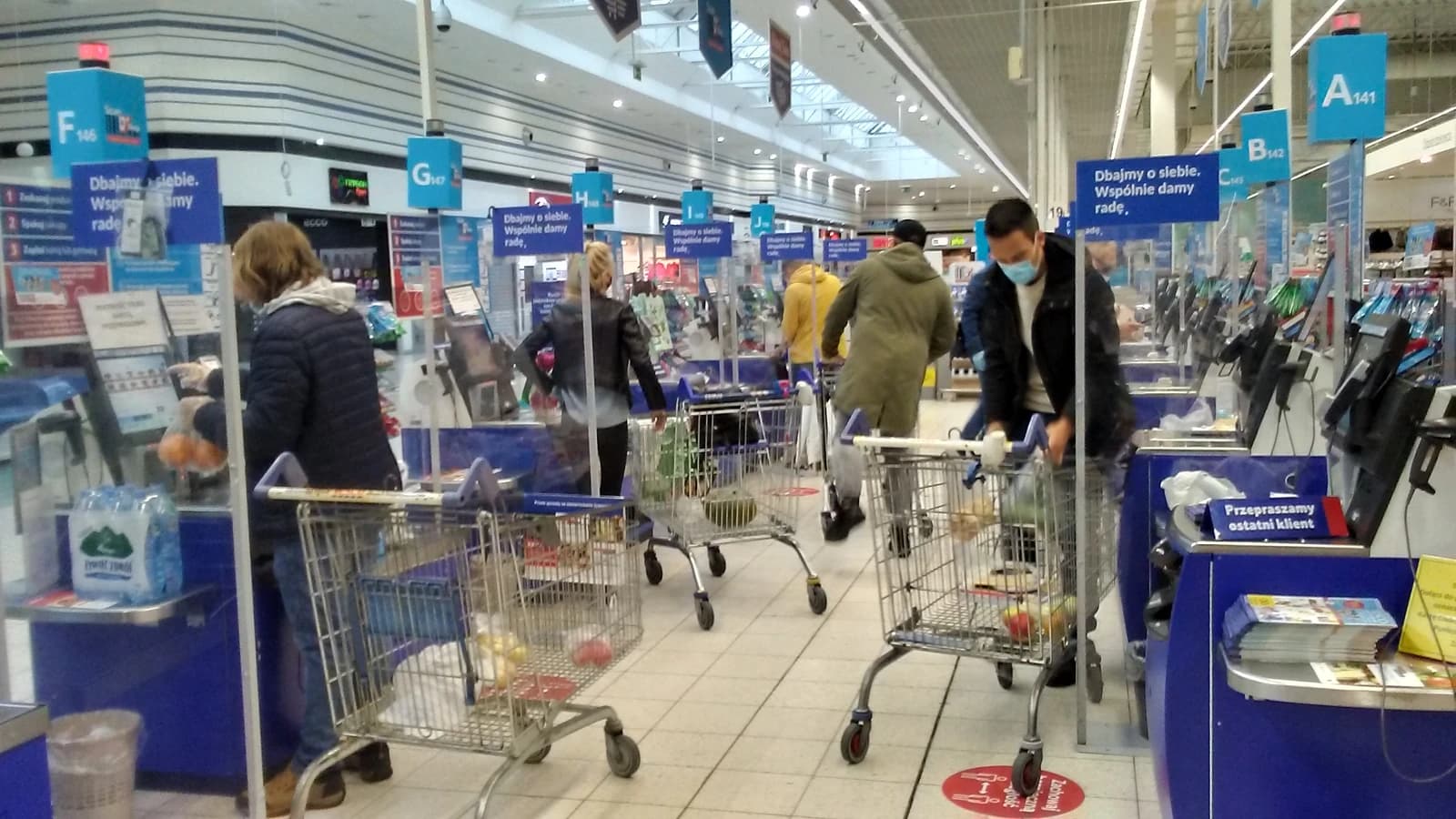
That trade-off matters because the economics of grocery retail are built on thin margins. Kroger, one of the most exposed U.S. grocers, has been leaning harder into automation and e-commerce as it tries to protect profitability, while shopper behavior and store execution are increasingly determining whether self-checkout is a gain or a drag. In practice, the technology can raise throughput in peak hours, but it can also create hidden labor elsewhere in the store when items fail to scan, age-restricted products need approval or marked-down goods trigger intervention.
Sentiment IndicatorsⓘProprietary · adalytica.com · October 14, 2026
This is a snapshot — live sentiment, awareness and momentum for 130+ markets update continuously in the dashboard.Open AlphaPulse
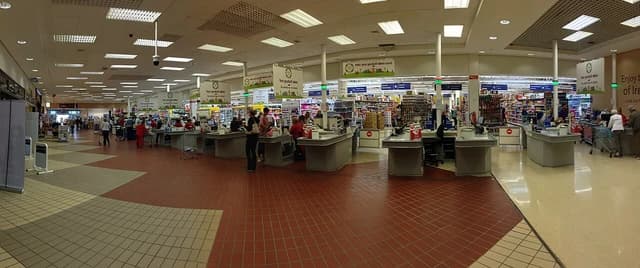
The core argument for self-checkout is simple: less waiting, fewer cashiers and lower payroll pressure. Industry estimates cited in the source material suggest one self-checkout lane can replace two or three cashiers at busy times, which helps explain why there are already about 100,000 such terminals in Russia and why large chains elsewhere have been quick to deploy them. For retailers, that can mean better staffing flexibility and more sales per labor hour, especially in high-volume grocery formats where minutes at the front end matter.
But the consumer side of the equation is less clean. Self-checkout pushes more responsibility onto the shopper to scan accurately, apply discounts correctly and catch items that never made it into the basket. The source material notes that in one review of 93 recorded incidents, only three were intentional theft and 90 were operational mistakes. That distinction is important for retailers because it suggests many losses blamed on “shrink” may actually stem from interface design, unclear prompts or rushed customers rather than organized shoplifting.
That is where the economics start to bite. Every failed scan or manual override adds friction, and every intervention requires an associate to leave another task and resolve the problem. In a store with bulky baskets, produce, alcohol and regulated goods, the supposed efficiency gain can evaporate quickly. What looks like labor saved at the register can reappear as labor spent on floor support, security monitoring and dispute resolution.
Retailers are responding by adding cameras and computer-vision systems that compare product images with scan data in real time. Those tools should reduce mistakes and deter theft, and the source says they are expected to become part of large Russian chains’ infrastructure by 2026. For investors, that points to a second wave of capex around self-checkout — not just terminals, but verification systems, software and store redesigns. The benefits may be real, but so are the costs.
For Kroger, the broader implication is that self-checkout is not purely a cost-saving story. It is a mix of labor efficiency, customer throughput and operational risk. Kroger’s latest filings show e-commerce sales rising, which reinforces the company’s push toward more automated, digitally enabled retailing. Walmart, meanwhile, has also highlighted grocery strength and omnichannel traffic, underscoring how front-end efficiency has become part of the competitive fight for share.
Investors should watch whether grocers can keep using self-checkout to support margins without alienating shoppers or inflating shrink-related costs. The bullish case is that automation helps chains offset wage pressure and keep stores open with leaner staffing. The bearish case is that poor execution, more overrides and stricter anti-theft systems turn a convenience tool into a source of customer frustration and added expense. In grocery, where execution is everything, the winner may be the chain that makes the technology almost invisible.
| Entity | Gains | Losses |
|---|---|---|
| Kroger and peers | ▲lower labor costs | ▼more tech and monitoring expense |
| Shoppers with small baskets | ▲faster checkout | ▼less convenience with complex baskets |
| Self-checkout vendors | ▲higher terminal demand | ▼scrutiny over shrink and errors |
| Cashiers and store staff | ▲fewer manual scans to fix | ▼fewer front-end hours |