Soybean futures slipped to a seven-week low as drier weather across the U.S. Midwest is expected to accelerate the harvest, putting fresh supply in front of a market already leaning lower.
Soybean Futures Fall on Midwest Harvest Pressure
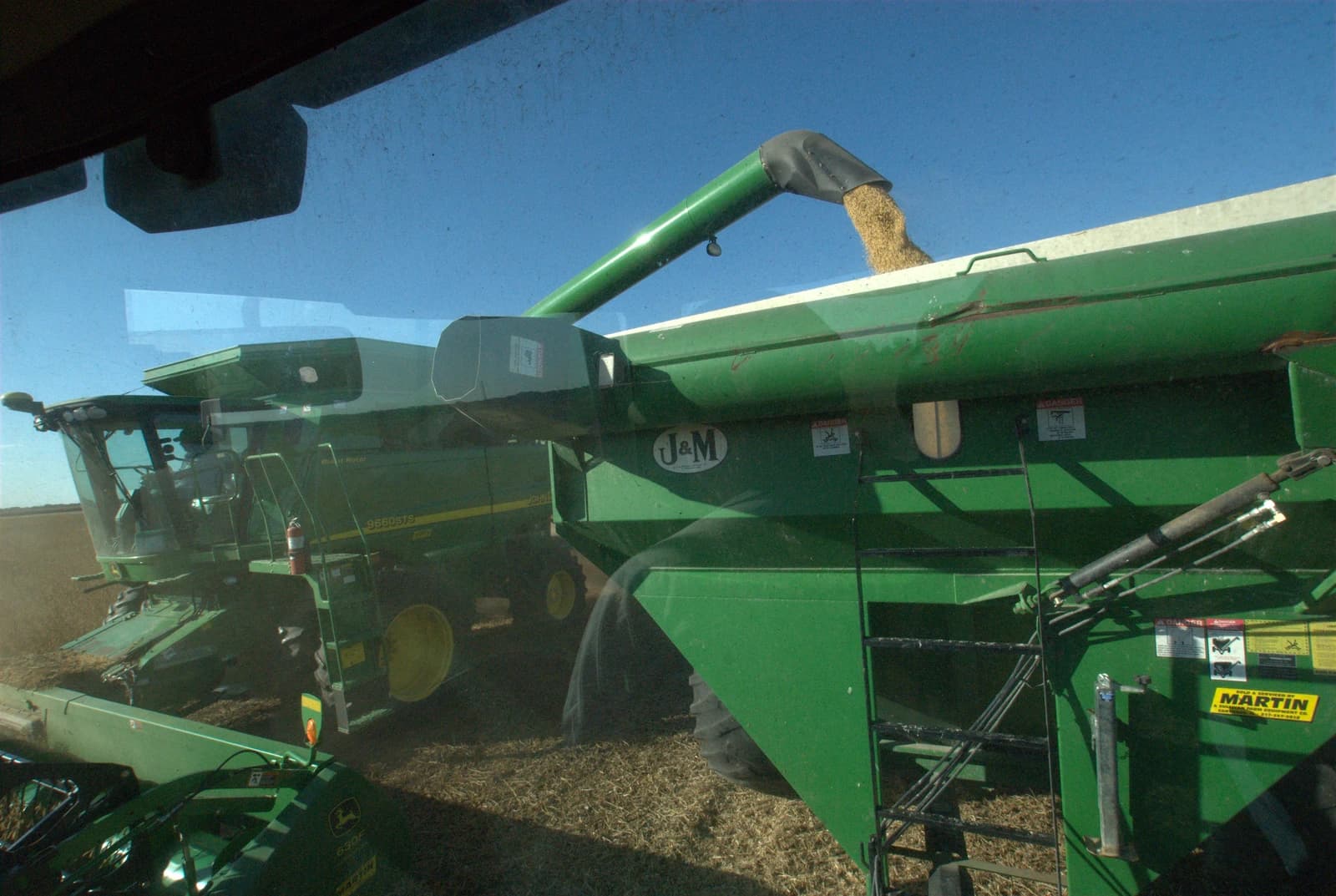
That matters because the soybean trade is now shifting from weather risk to harvest pressure. When fields dry out, combines roll faster, grain moves into the pipeline sooner and prices often lose the premium that hot, wet or delayed conditions can create. For farmers, it usually means a narrower window to hold out for better bids. For processors, exporters and feed buyers, it can translate into cheaper nearby supplies.
Sentiment IndicatorsⓘProprietary · adalytica.com · October 19, 2026
This is a snapshot — live sentiment, awareness and momentum for 130+ markets update continuously in the dashboard.Open AlphaPulse
The decline comes after a strong run earlier in the season, when worries about crop conditions helped lift both soybeans and corn. But the latest move suggests the market is beginning to price in a more orderly harvest rather than a supply shock. That is classic seasonal behavior, and it often puts the burden back on demand to justify higher prices.
Technically, soybean-linked funds have also lost momentum. SOYB, the exchange-traded product tied to soybeans, recently fell below its 50-day moving average, and its RSI reading has dropped into weak territory, a sign that buying enthusiasm has cooled. The underlying soybean futures contract, ZS=F, has also eased back from recent highs, reinforcing the view that traders are no longer paying up for weather scares.
Corn has followed a similar path, with the CORN fund sliding to a fresh low as the harvest gets underway. That matters for grain investors more broadly because soybeans and corn often trade as part of the same weather-and-yield narrative. When both markets weaken together, it usually means the supply side is dominating the story.
For long-term investors, the bigger lesson is that agricultural markets remain highly cyclical and weather-driven. Short-term price swings can be sharp, but they do not always change the long-term investment case for agribusiness firms, fertilizer makers, farm equipment suppliers or diversified commodity merchants. If harvest conditions stay favorable, the near-term pressure could persist; if export demand improves or weather turns disruptive again, prices can rebound just as quickly.
For now, the message is straightforward: drier weather is helping farmers bring soybeans in faster, and that is weighing on prices. Investors should keep the commodity on the watchlist, but in a market like this, patience usually beats prediction.
| Entity | Gains | Losses |
|---|---|---|
| Soybean farmers | ▲Faster harvest progress | ▼Lower cash prices |
| Grain buyers/processors | ▲Cheaper nearby supply | ▼Less urgency to secure inventories |
| Soybean futures bulls | ▲None in the near term | ▼Weather premium unwinds |
| Agribusiness investors | ▲Potential margins for crushers/merchants | ▼Commodity-linked price weakness |