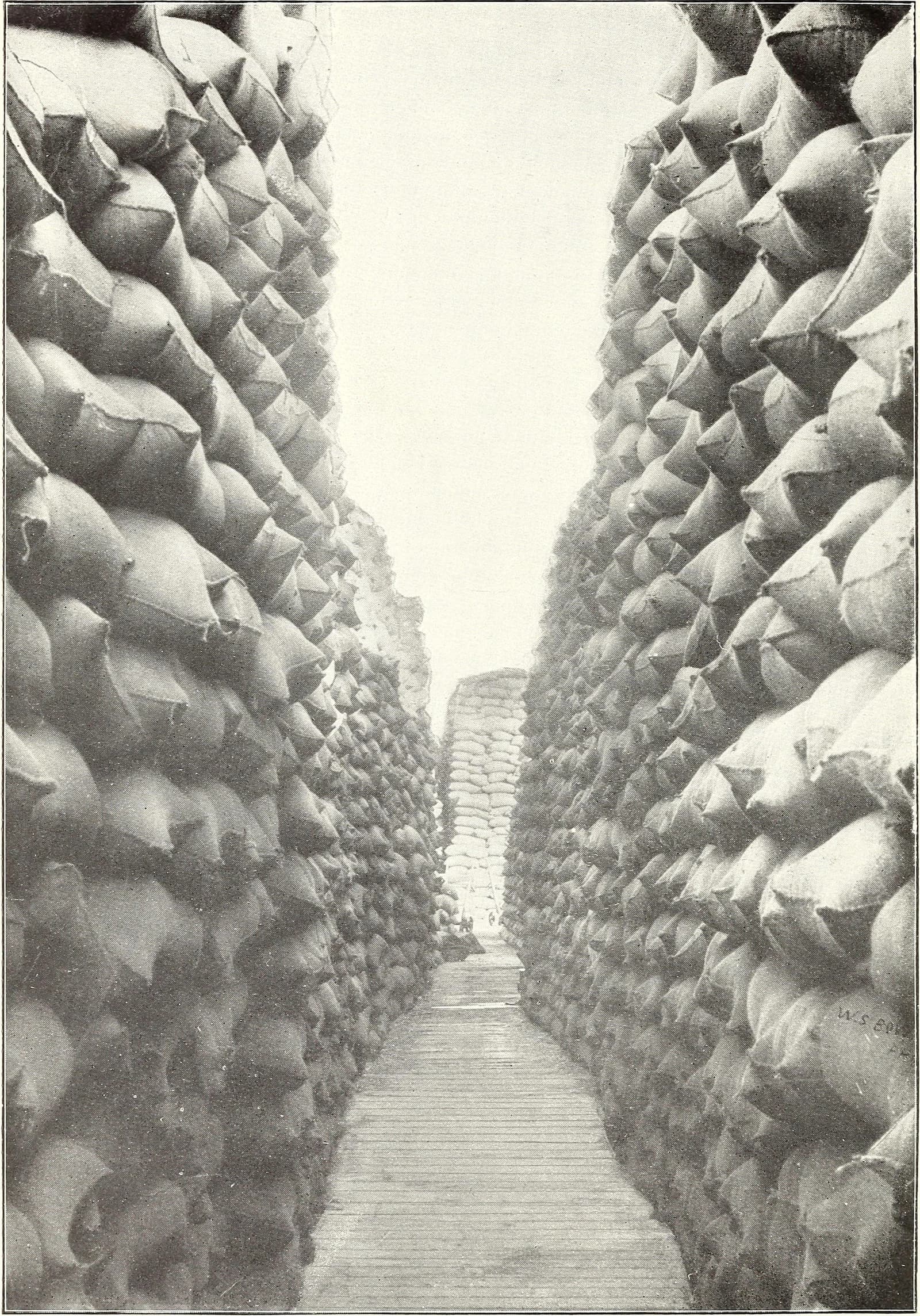
Egypt’s parliament is preparing to tackle the parts of agriculture policy that matter most to inflation, import dependence and farm income: subsidized fertilizer, the smart card system, wheat output and contract farming. For investors watching the region, the significance is simple — Egypt is trying to move from supporting farmers in theory to securing food in practice, and that shift could shape everything from grain imports to fertilizer demand.
Egypt parliament reviews wheat, fertilizer, and subsidies
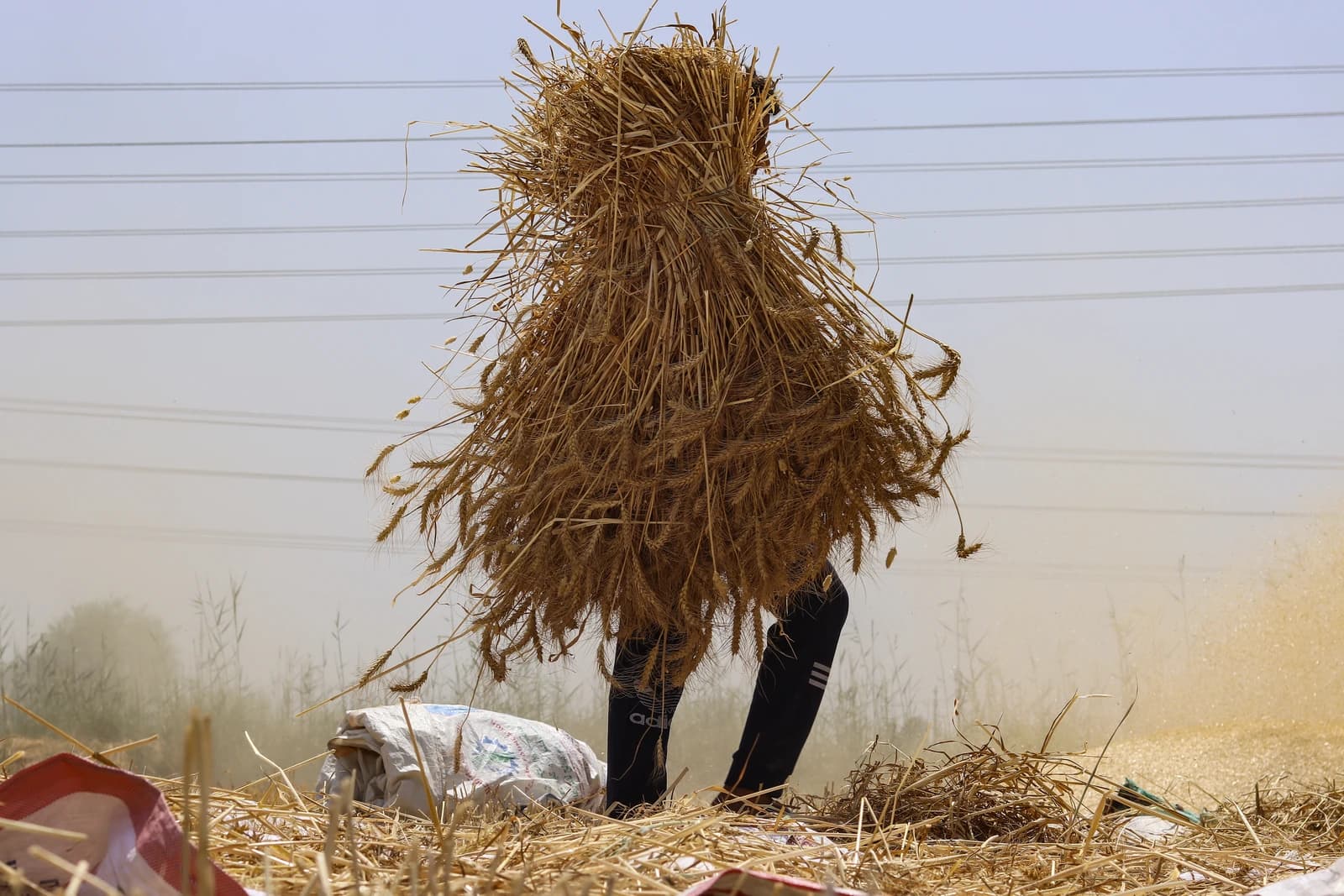
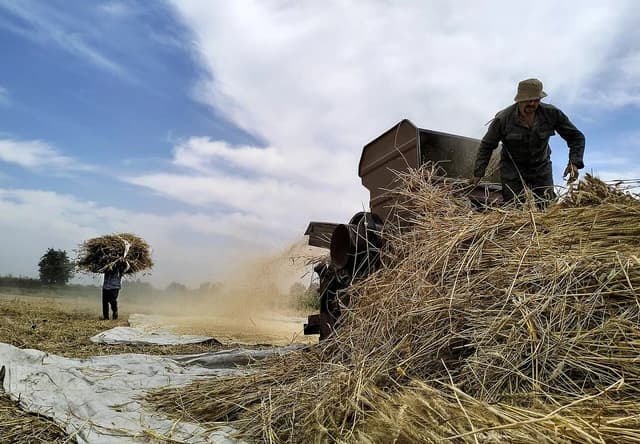
The committee’s agenda, led by the Agriculture, Irrigation, Food Security and Livestock Committee, shows how food security is becoming a more structured economic policy rather than a series of ad hoc interventions. The focus on wheat is especially important because Egypt remains one of the world’s biggest importers of the grain, leaving households exposed whenever global prices move higher. Any credible effort to raise domestic productivity, improve seed quality and align planting decisions with market demand can help narrow the country’s food bill over time.
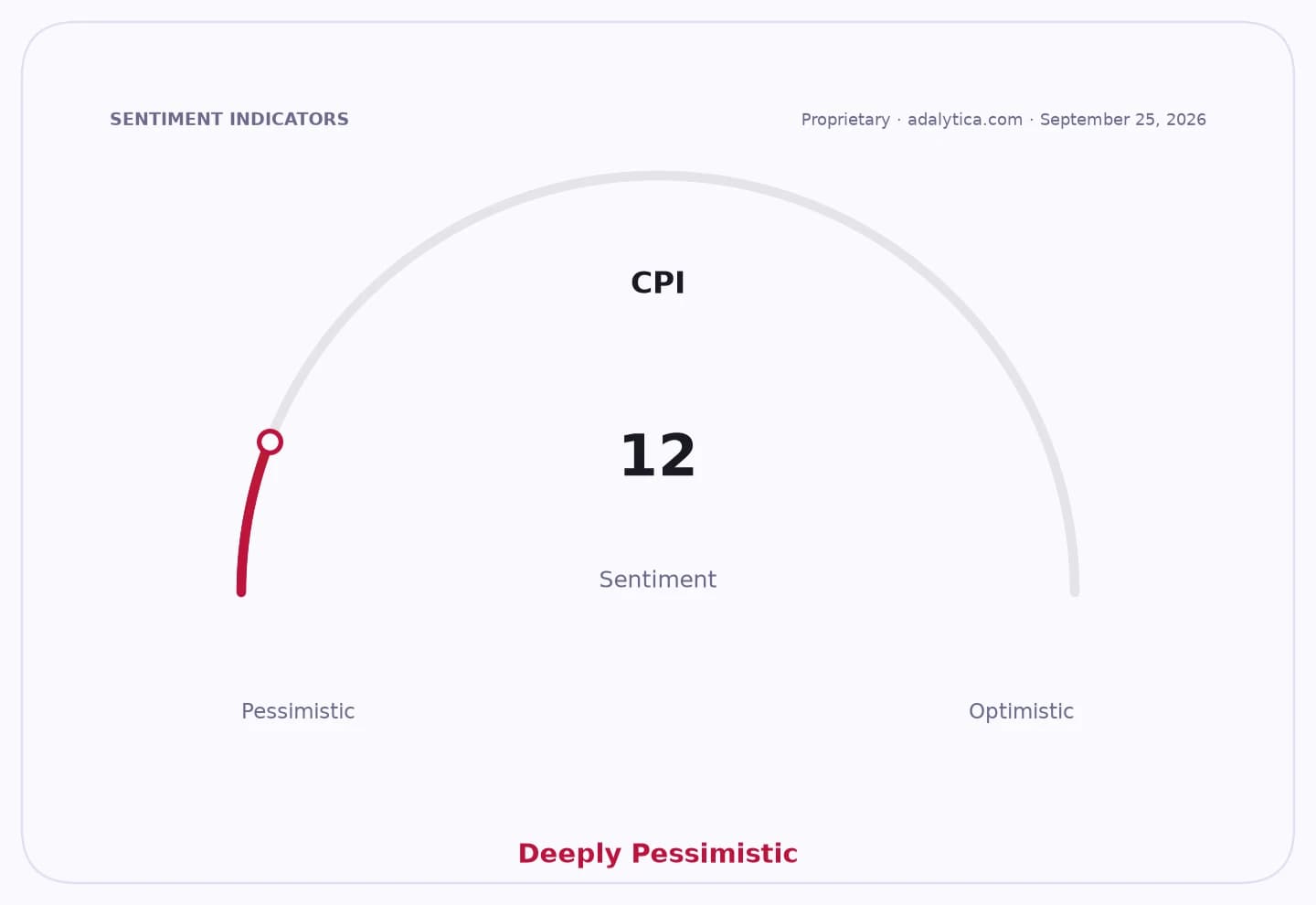
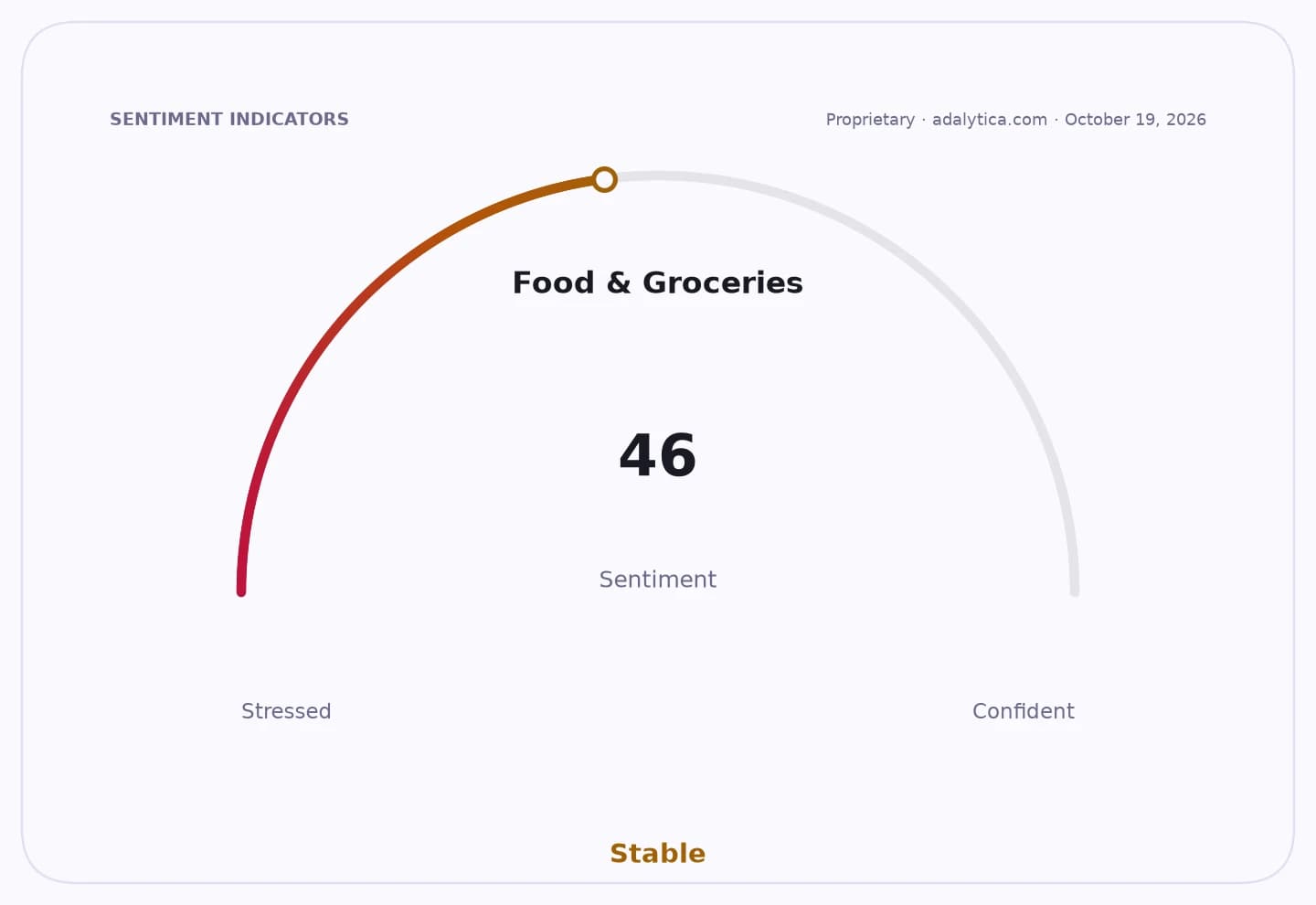
Sentiment IndicatorsⓘProprietary · adalytica.com · October 18, 2026
This is a snapshot — live sentiment, awareness and momentum for 130+ markets update continuously in the dashboard.Open AlphaPulse
That matters in an inflationary world. The latest U.S. consumer price data in the context underscores that food and energy shocks can still ripple through prices, and Egypt is even more exposed because it relies heavily on imported staples and fuel-linked logistics. Brent crude near $102 a barrel in the supplied data is another reminder that transport, fertilizer production and farm inputs remain vulnerable to energy swings. When oil rises, so do the costs of moving grain, making fertilizer and irrigation efficiency even more valuable.
The smart card file is just as important. In practical terms, it is about making sure subsidized fertilizer reaches the farmers who actually need it, while reducing leakage and mismatched allocations. If the system works, it should improve the quality of data on landholdings and cropping patterns, which gives policymakers a better grip on where support is flowing and where it is being wasted. That is the kind of administrative reform that rarely grabs headlines but can have an outsized effect on yields and public spending.
CPIAUCSL vs DCOILWTICO — macro contextadalytica.com
Explore this data interactively — full history, time series and cross-market comparisons.Open AlphaPulse
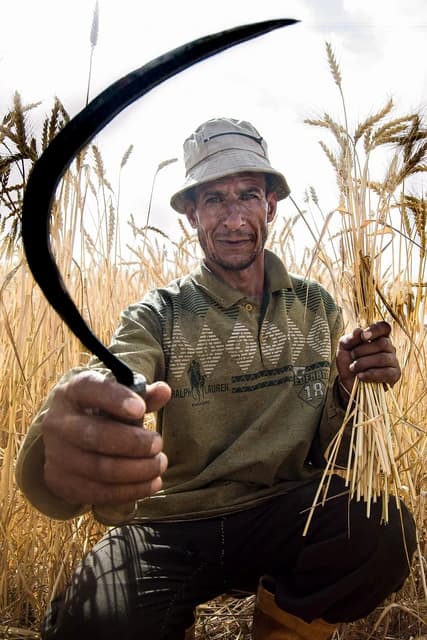
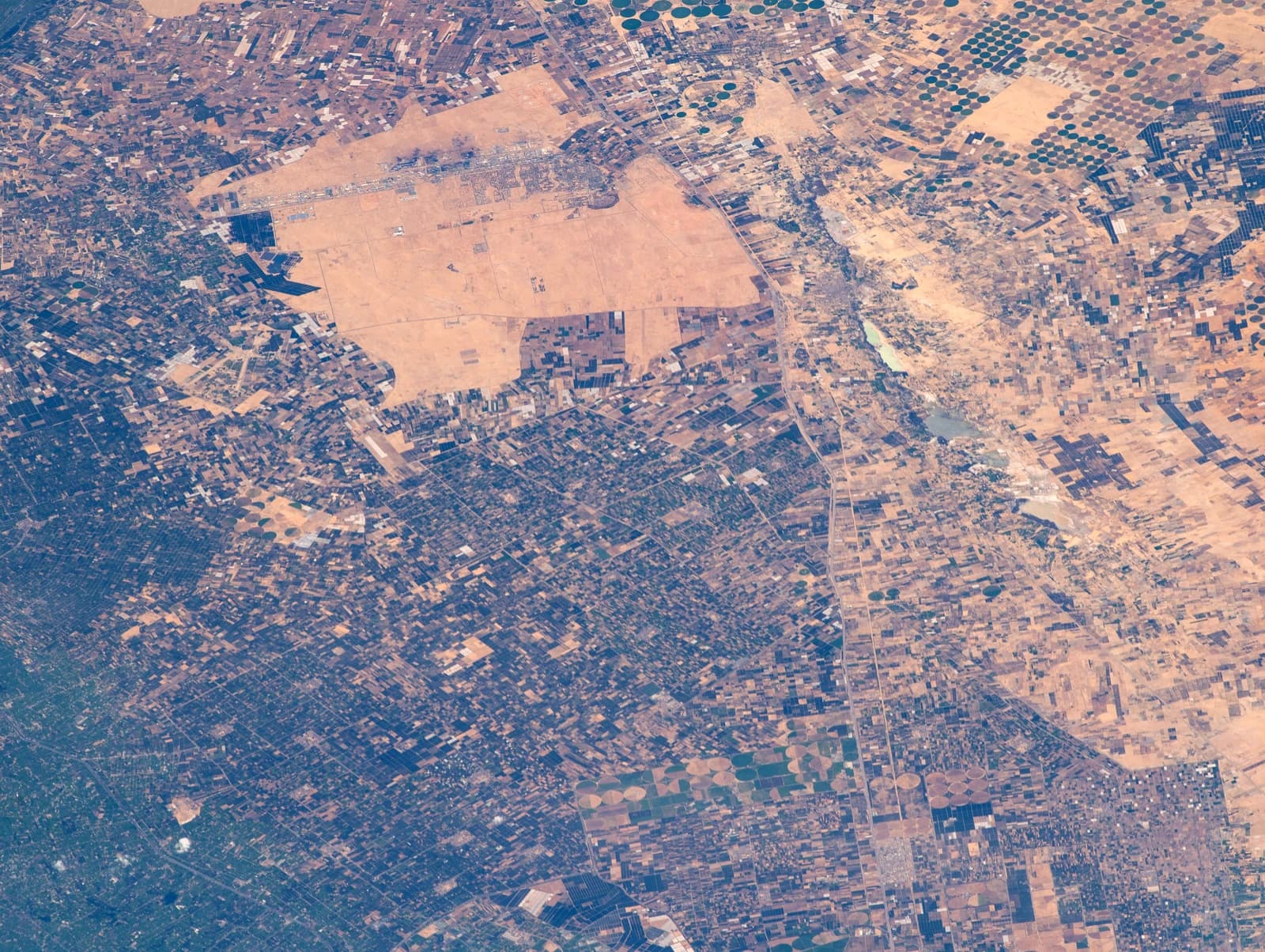
Wheat is the centerpiece because it sits at the intersection of food security and political stability. Egypt wants more output from existing acreage, not just more land under cultivation. That means better seeds, better extension services, better timing of planting and harvesting, and more disciplined water use. The committee’s interest in a new agricultural map tied to available water resources suggests lawmakers understand the real constraint: Egypt cannot grow its way out of scarcity by ignoring water limits.
Contract farming could be the most investor-friendly part of the agenda if it is implemented well. By fixing terms before planting — including quantity, quality, delivery and pricing rules — it reduces the risk that farmers face when markets swing. It also gives food processors, millers and buyers more certainty about supply. For agriculture to become a more durable growth engine, farmers need predictable sales, not just higher theoretical yields.
There is also a clear market angle for agricultural inputs. Higher crop productivity usually means better demand for improved seed, agronomy services and, when supply is tight, fertilizers. But the committee’s push to review the subsidy system suggests the government is equally concerned with controlling costs and preventing shortages. That creates winners and losers: efficient suppliers and well-organized growers should benefit, while wasteful middlemen and poorly targeted subsidy flows should not.
For long-term investors, the broader message is encouraging even if execution remains uncertain. Egypt is not just talking about food security in abstract terms; it is trying to build the administrative machinery behind it. If lawmakers and ministries can align subsidies, planting decisions, contract enforcement and water planning, the payoff could be stronger domestic production and a smaller import gap. That would not eliminate Egypt’s food vulnerability, but it would make the system sturdier — and sturdier systems are what compound over time.
| Entity | Gains | Losses |
|---|---|---|
| Egyptian farmers | ▲Better input access and pricing visibility | ▼Less room for informal shortages |
| Grain importers | ▲Clearer planning, but lower long-term demand | ▼Greater pressure if local wheat rises |
| Fertilizer suppliers | ▲More disciplined distribution channels | ▼Leakage and subsidy arbitrage |
| Consumers and the state budget | ▲More stable food supply and lower waste | ▼Higher near-term reform costs |