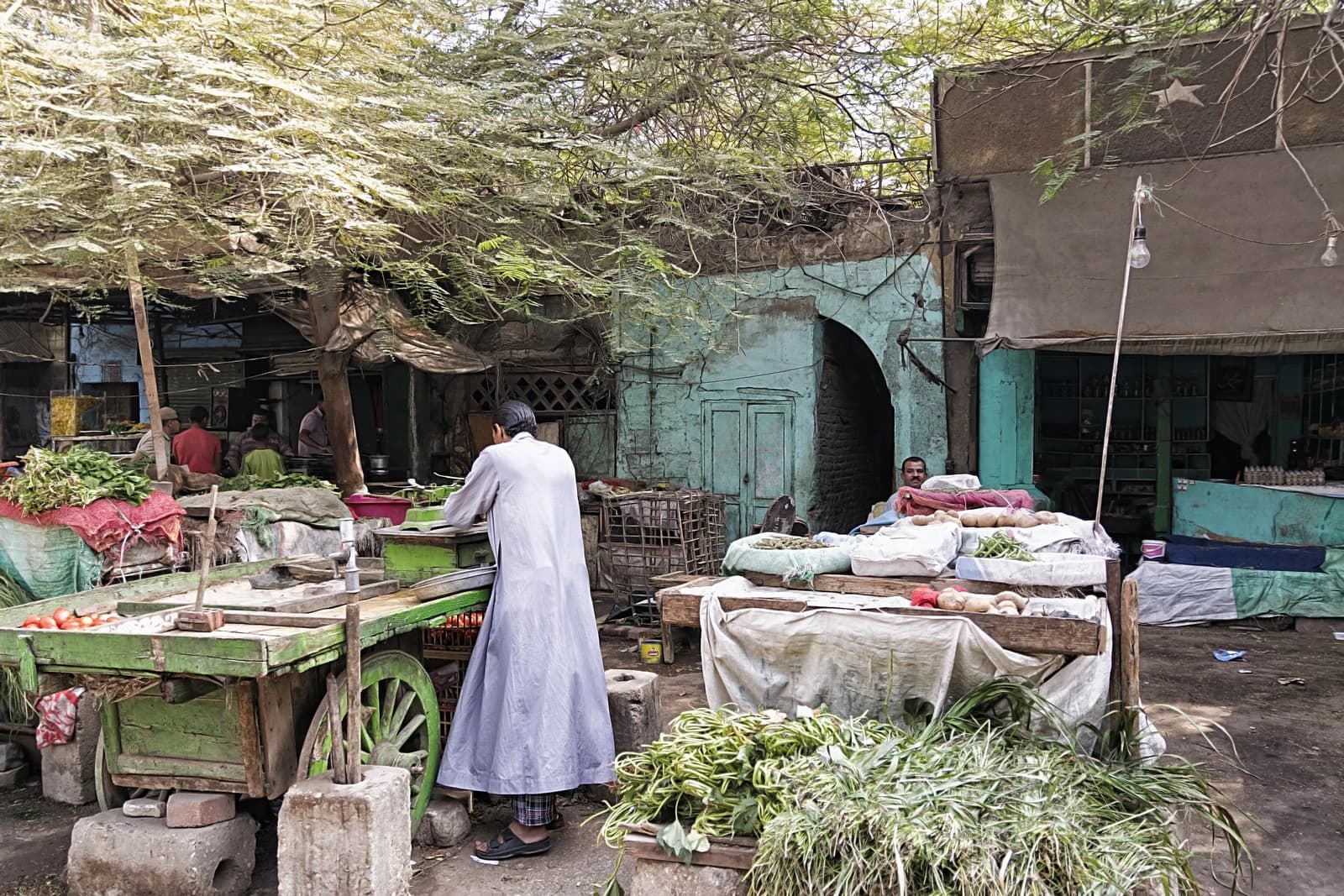
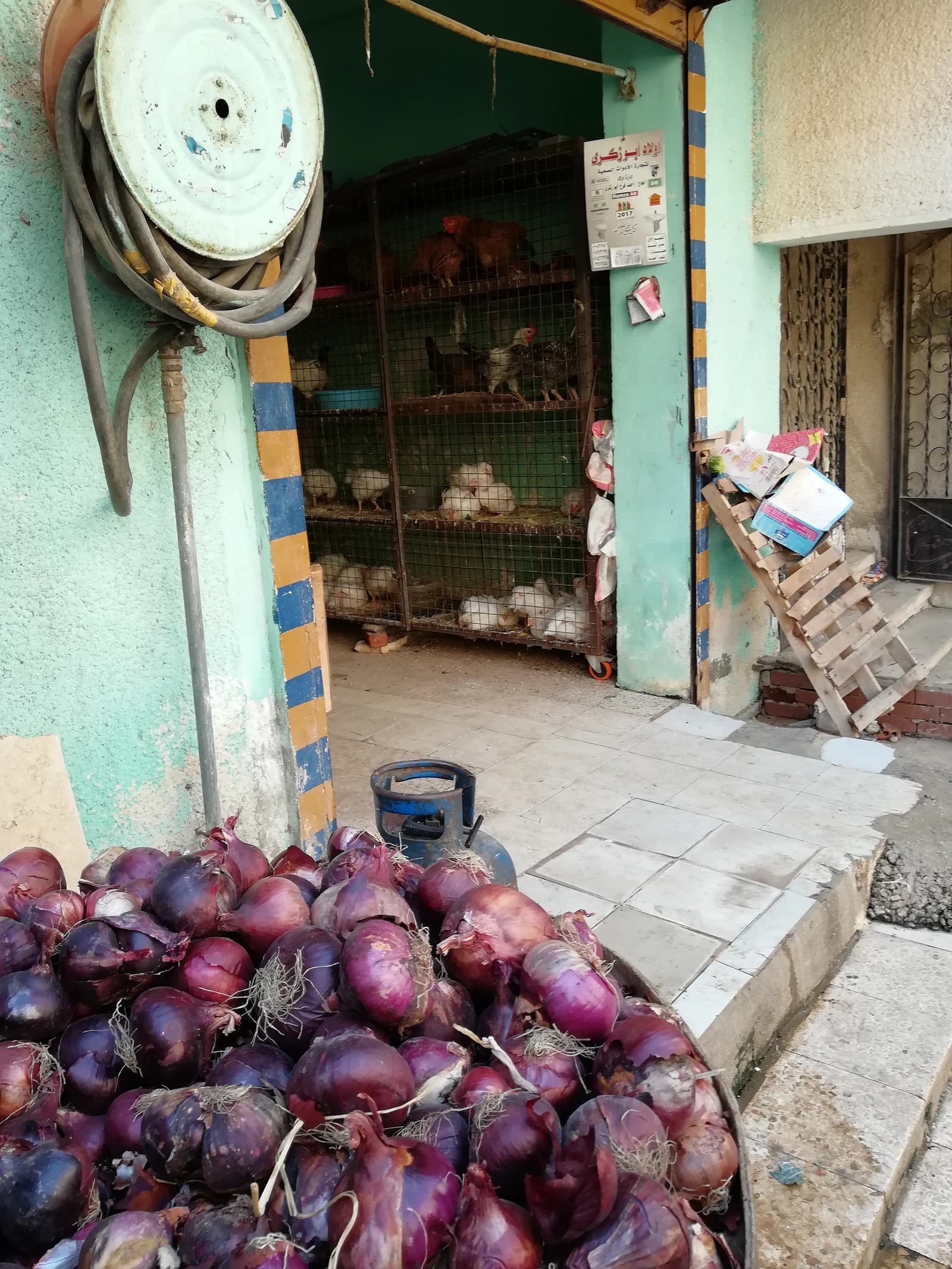
Egypt’s Supply Ministry is rolling out discounted staples across Giza Governorate in a move aimed at easing household budgets and stabilizing local markets as inflation remains elevated.
Egypt Supply Ministry discounts staples in Giza
The initiative targets basic food and household goods, with the government listing fixed prices for items ranging from sugar and rice at 25 Egyptian pounds a kilogram to flour at 20 pounds, cooking oil at 50 pounds for 700 ml and pasta at 9 pounds for 350 grams. Other essentials include milk, tea, cheese, lentils, beans, detergent, soap and biscuits, underscoring the state’s effort to keep frequently purchased items affordable.
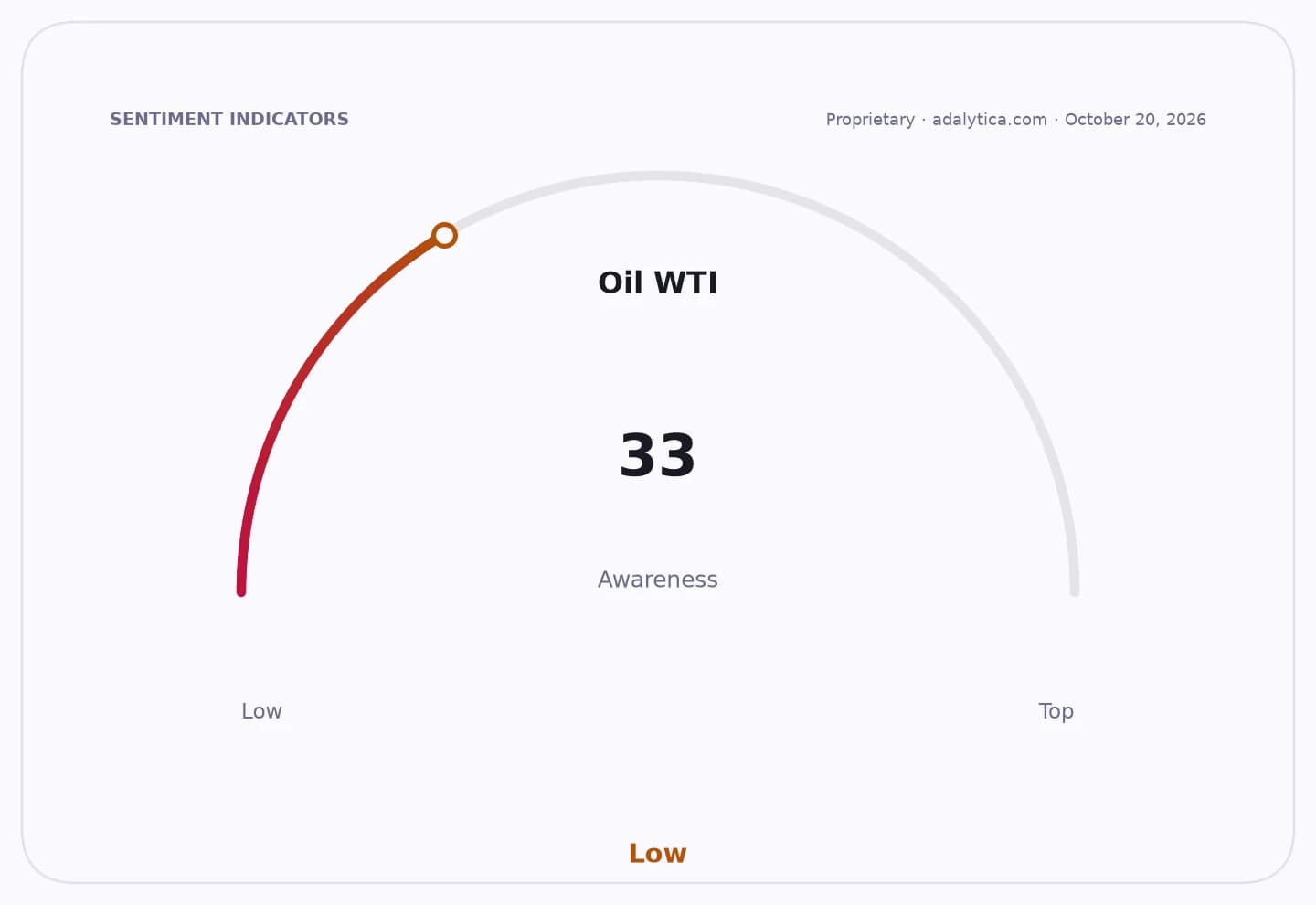
Sentiment IndicatorsⓘProprietary · adalytica.com · October 20, 2026
This is a snapshot — live sentiment, awareness and momentum for 130+ markets update continuously in the dashboard.Open AlphaPulse
For consumers, the program offers immediate relief on high-turnover products that dominate weekly spending. For policymakers, it is part of a broader push to increase supply, contain price spikes and reduce pressure on purchasing power after months of inflation-linked strain.
The timing matters for investors and businesses because food prices feed directly into headline inflation and household demand. Any sustained expansion of subsidized or discounted sales can help cool price expectations, but it also signals that authorities still see enough cost pressure to intervene in consumer markets rather than rely only on monetary policy.
Egypt has been trying to shore up macroeconomic stability through reforms, stronger reserves and rising foreign investment, while annual urban inflation has eased to 13.9% in September 2026. But with the pound still under pressure and food remaining a politically sensitive category, the government’s price-reduction campaign suggests cost-of-living support remains a policy priority.
The key question now is how widely the lower prices are rolled out beyond Giza and whether the initiative can be sustained without straining supply chains or distorting margins for retailers and producers.
| Entity | Gains | Losses |
|---|---|---|
| Egyptian households | ▲Lower grocery bills | ▼Less pricing flexibility |
| Supply Ministry | ▲Public relief credibility | ▼Fiscal and logistics burden |
| Retailers and distributors | ▲Higher foot traffic | ▼Tighter margins |
| Food manufacturers | ▲Volume support | ▼Pressure on pricing power |