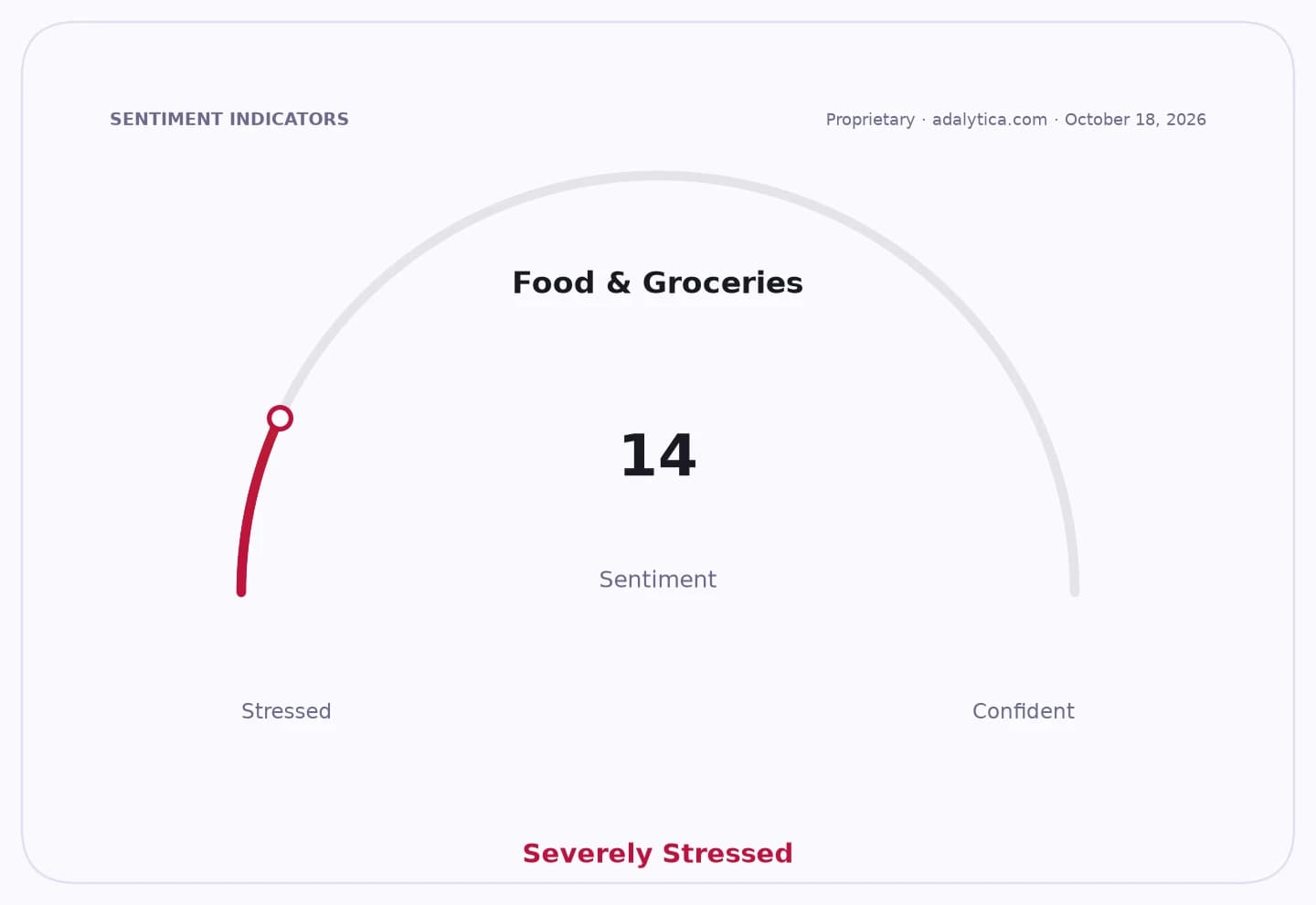
Vegetable prices in Egypt’s Matrouh markets are stable on Saturday as larger supplies of basic produce keep pressure off consumers and cap any near-term jump in food costs.
Egypt Matrouh Vegetable Prices Stay Stable
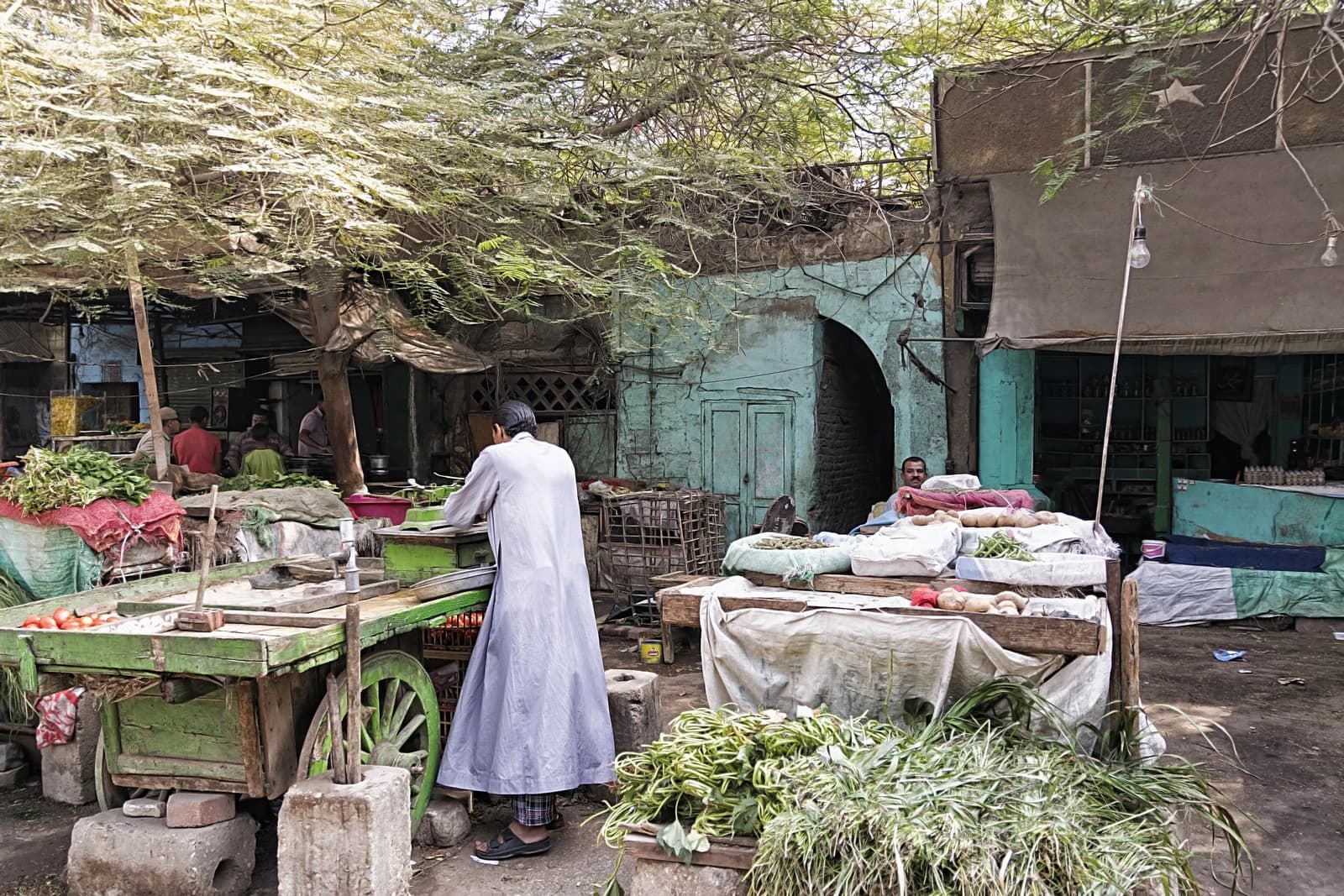
Peppers are selling for around 30 pounds a kilogram in local markets, while other staples are also broadly steady, according to local market reports. The pattern points to adequate availability rather than a demand-led spike, which matters for households already facing years of elevated food bills.
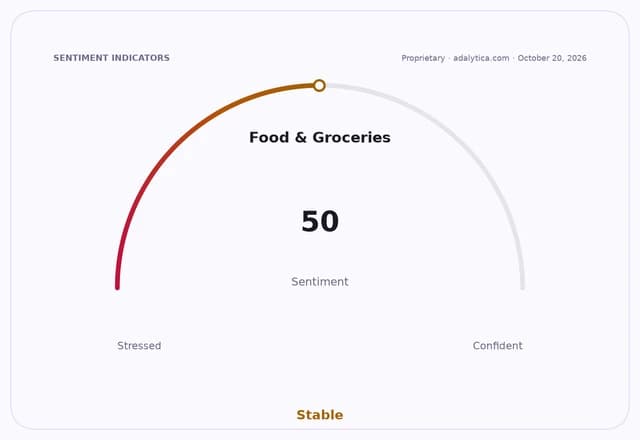
Sentiment IndicatorsⓘProprietary · adalytica.com · October 20, 2026
This is a snapshot — live sentiment, awareness and momentum for 130+ markets update continuously in the dashboard.Open AlphaPulse
The steadiness in Matrouh follows a wider pattern across Egyptian governorates, where local coverage over the past several days has shown mostly stable or only mildly changing prices for vegetables, poultry, eggs and meat. In some markets, including Alexandria, vegetable prices have eased, while others have seen mixed moves rather than broad inflation.
That matters because food is a major driver of spending for lower- and middle-income families, and even small shifts in vegetable prices can quickly filter into daily consumption budgets. With consumer prices already running far above historical norms, any local sign of supply easing helps limit the risk of another food-cost squeeze.
For investors, the read-through is broader than Matrouh itself. Softer or stable farmgate and wholesale prices can ease pressure on food retailers, processors and restaurant operators, while also shaping expectations around inflation-sensitive consumer spending. Commodity markets are watching corn and other feed inputs as well, with corn futures recently trading below their 50-day moving average and near technical support, a sign that grain pricing is not flashing immediate inflation stress.
Adalytica’s CPI sentiment gauge still shows “Fear” even as awareness remains elevated, underscoring how sensitive markets remain to any fresh move in food inflation. The next test will be whether this price stability holds into the rest of October as supplies and transport costs settle.
| Entity | Gains | Losses |
|---|---|---|
| Matrouh consumers | ▲Lower grocery pressure | ▼Price shock risk eases slowly |
| Local vegetable sellers | ▲Stable turnover | ▼Less pricing power |
| Food retailers | ▲Predictable margins | ▼Fewer inflation-led markups |
| Inflation watchers | ▲Softer near-term pressure | ▼Less urgency for disinflation bets |