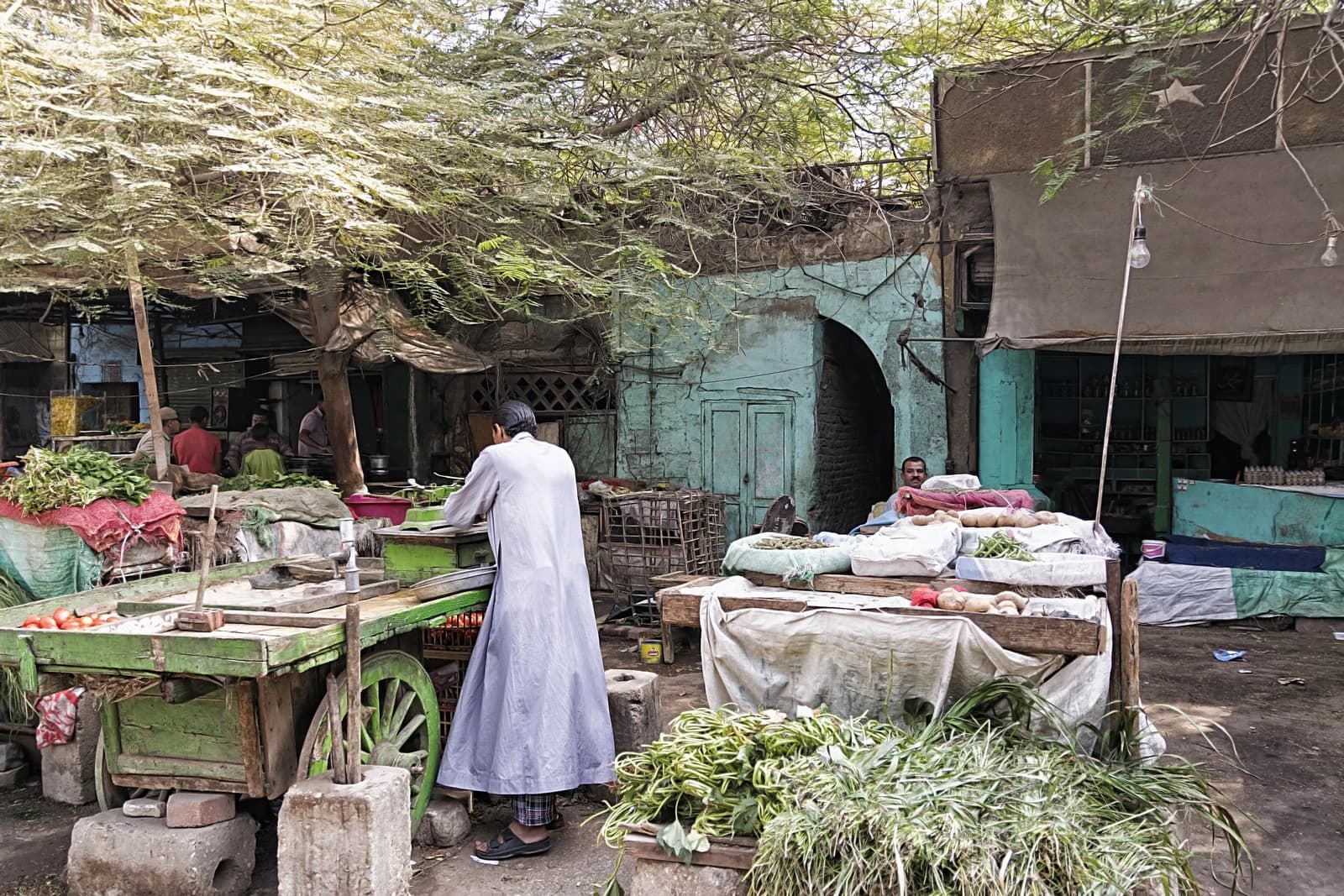
Tomato prices in Ecuador’s Machala markets have doubled, a fresh sign that supply disruptions in staple vegetables are feeding through to household budgets and squeezing small traders.
Ecuador Tomato Prices Double in Machala Markets
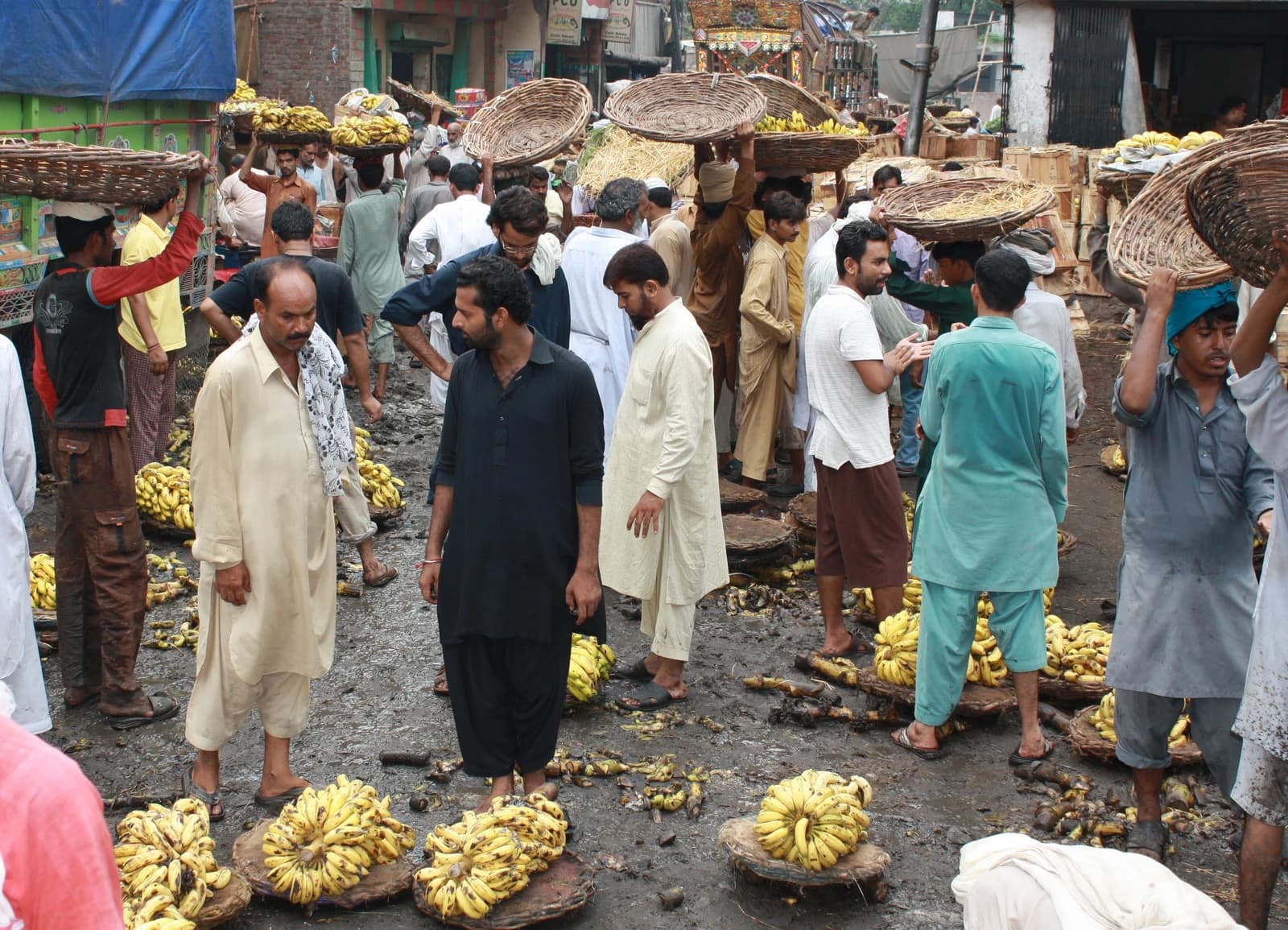
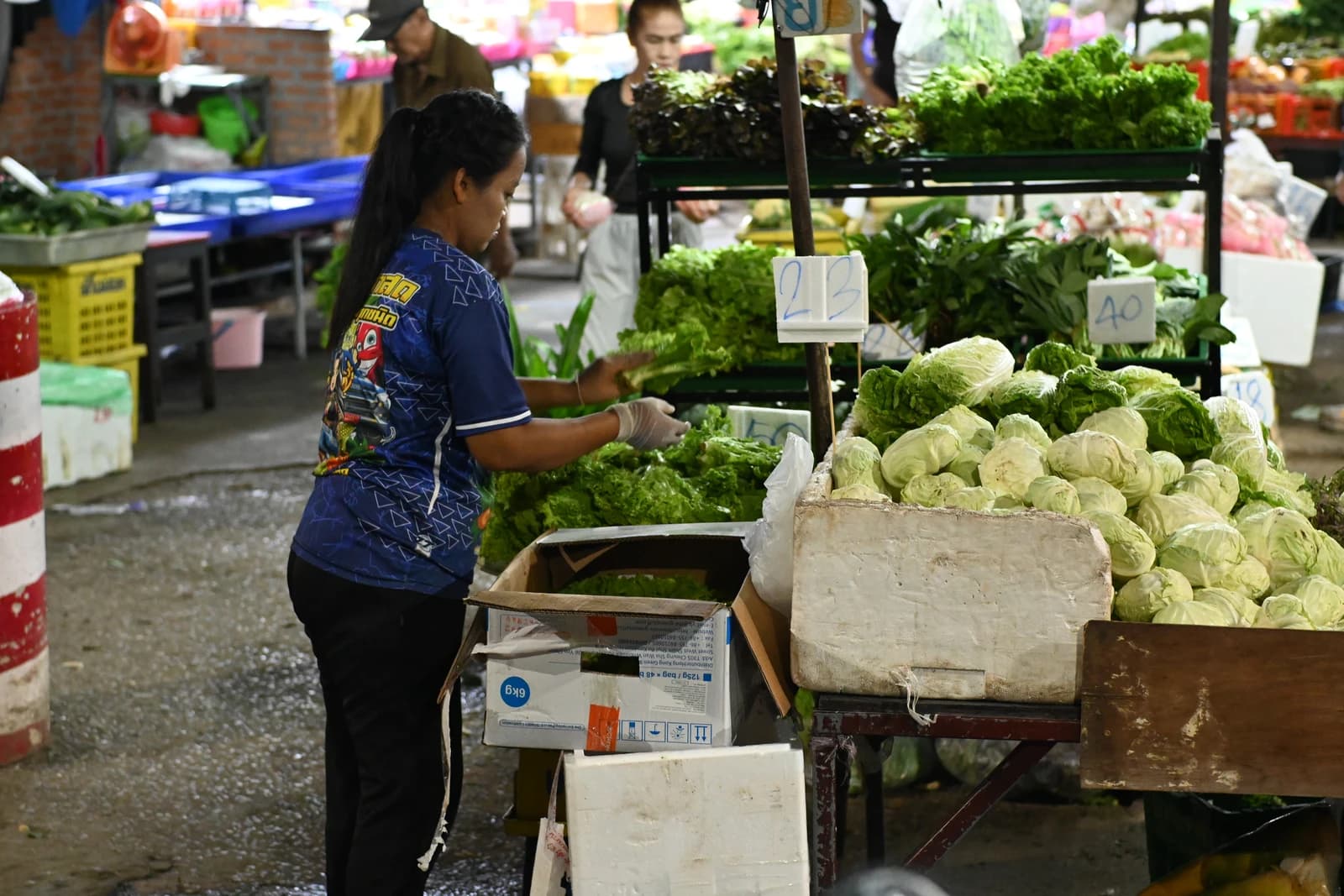
The price of a pound of tomato has risen to 50 cents from 25 cents, a 100% jump that merchants say reflects weaker harvests, weather damage and tighter shipments from the Sierra. The increase is not just a tomato story: potatoes and onions have also become more expensive, underscoring how fragile produce prices remain when supply from farming regions is disrupted.
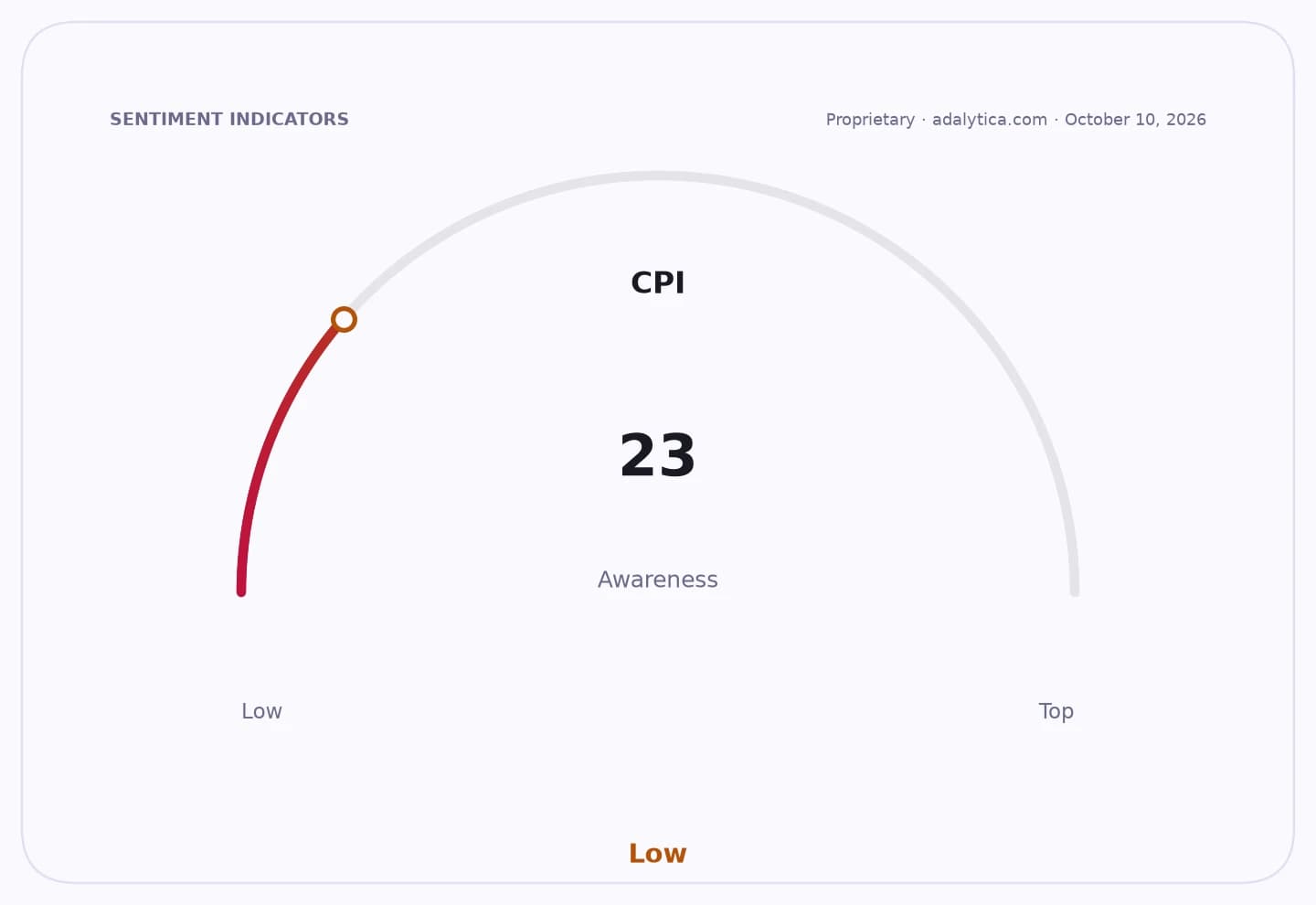
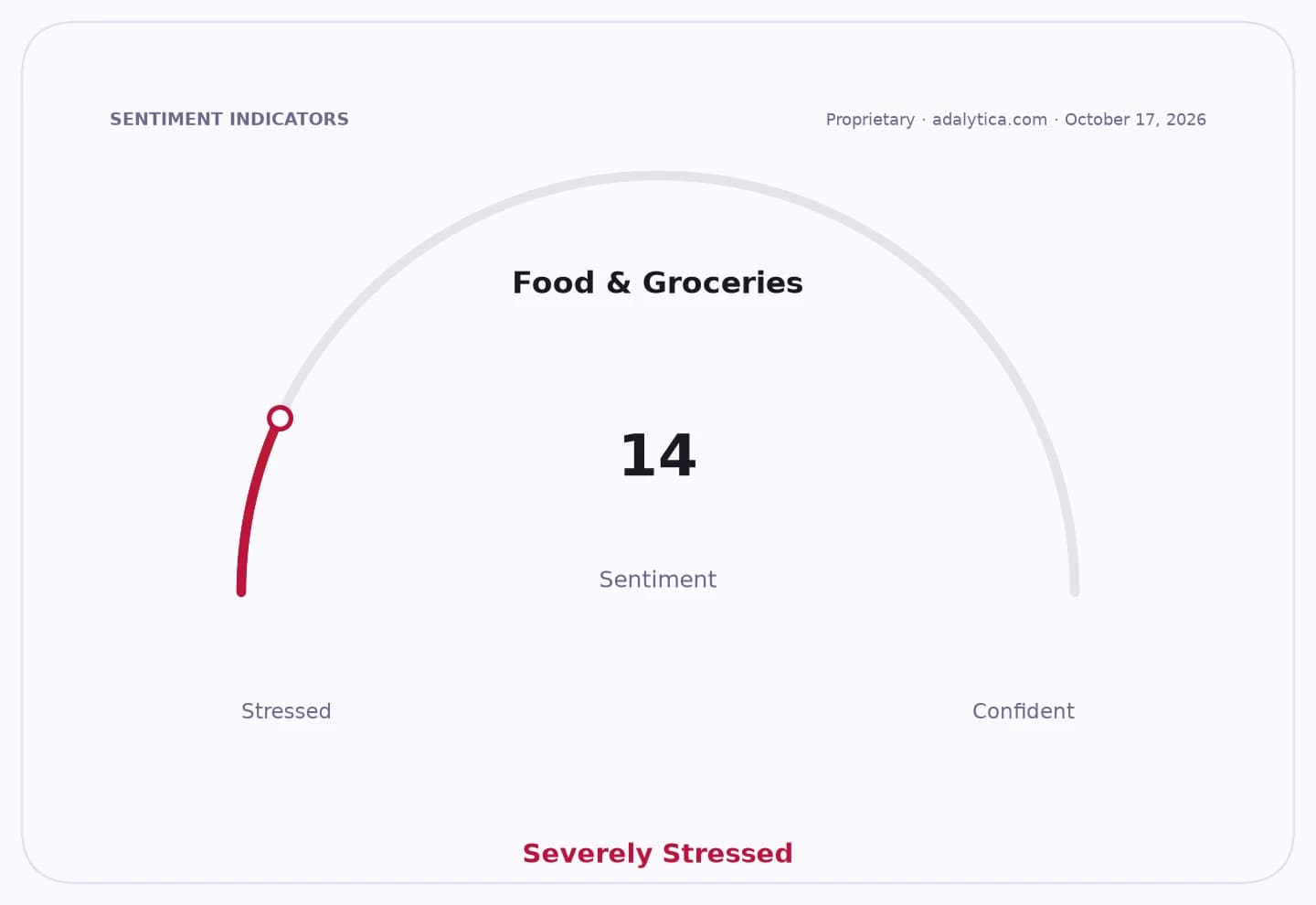
Sentiment IndicatorsⓘProprietary · adalytica.com · October 20, 2026
This is a snapshot — live sentiment, awareness and momentum for 130+ markets update continuously in the dashboard.Open AlphaPulse
For consumers, the move matters because food inflation hits immediately and disproportionately. The local market shows families shifting to smaller quantities and cheaper substitutes as prices change day to day, a pattern that typically erodes real disposable income fastest among lower-income households. For merchants, the problem is equally acute: higher replacement costs reduce volumes, compress turnover and make it harder to preserve margins when customers resist paying up.
The broader economic significance is that fresh produce inflation can quickly spill beyond one market. In Machala, vendors said the wholesale price of a tomato box has risen to about $19 to $22 depending on grade, while the price of a market tomato varies by size and quality. Potato prices have also tightened, with sellers saying they now offer only three pounds for $1 instead of four to five pounds previously, and onions are selling at three to four pounds for $1. Those shifts suggest a supply-side shock rather than a simple retail markup, especially as merchants pointed to difficulties sourcing from Ambato and other highland supply corridors.
The story also matters for investors and policymakers because food-price volatility often becomes a test of logistics, market oversight and consumer resilience. Higher agricultural input and transport costs can filter into broader inflation readings if shortages persist, particularly in economies where fresh food carries significant weight in household spending. The merchants’ calls for tighter wholesale-market controls and better security also point to a familiar risk: when distribution networks are strained, price spikes can be magnified by inefficiencies, losses and opportunistic pricing.
Wholesale reference tables at Mercados Machala EP show the spread in pricing by variety and presentation, with washed potatoes listed around $23 to $29 per sack depending on type, and tomato at about $21 per 50-pound box. That range suggests the current jump is not uniform across the chain, but it is enough to reset retail pricing and force smaller buyers to cut back.
The key question now is whether supply normalizes quickly. One wholesale tomato vendor said prices had already been high two or three months ago and have started to ease, which would argue for a temporary spike. But if weather issues and transport bottlenecks persist, the latest doubling may prove to be part of a wider cycle of volatile food costs rather than a one-off move.
| Entity | Gains | Losses |
|---|---|---|
| Tomato wholesalers | ▲higher nominal prices | ▼weaker buyer demand |
| Retail merchants | ▲none | ▼thinner sales volumes |
| Consumers | ▲cheaper substitutes | ▼higher food bills |
| Highland growers/transporters | ▲stronger selling prices | ▼demand resistance |