Household food budgets in Lima are under fresh pressure as staple crops including yellow potatoes, corn and red onion have climbed sharply, reflecting tighter supply and higher transport costs that can quickly ripple through Peru’s family basket.
Peru food prices rise in Lima wholesale market
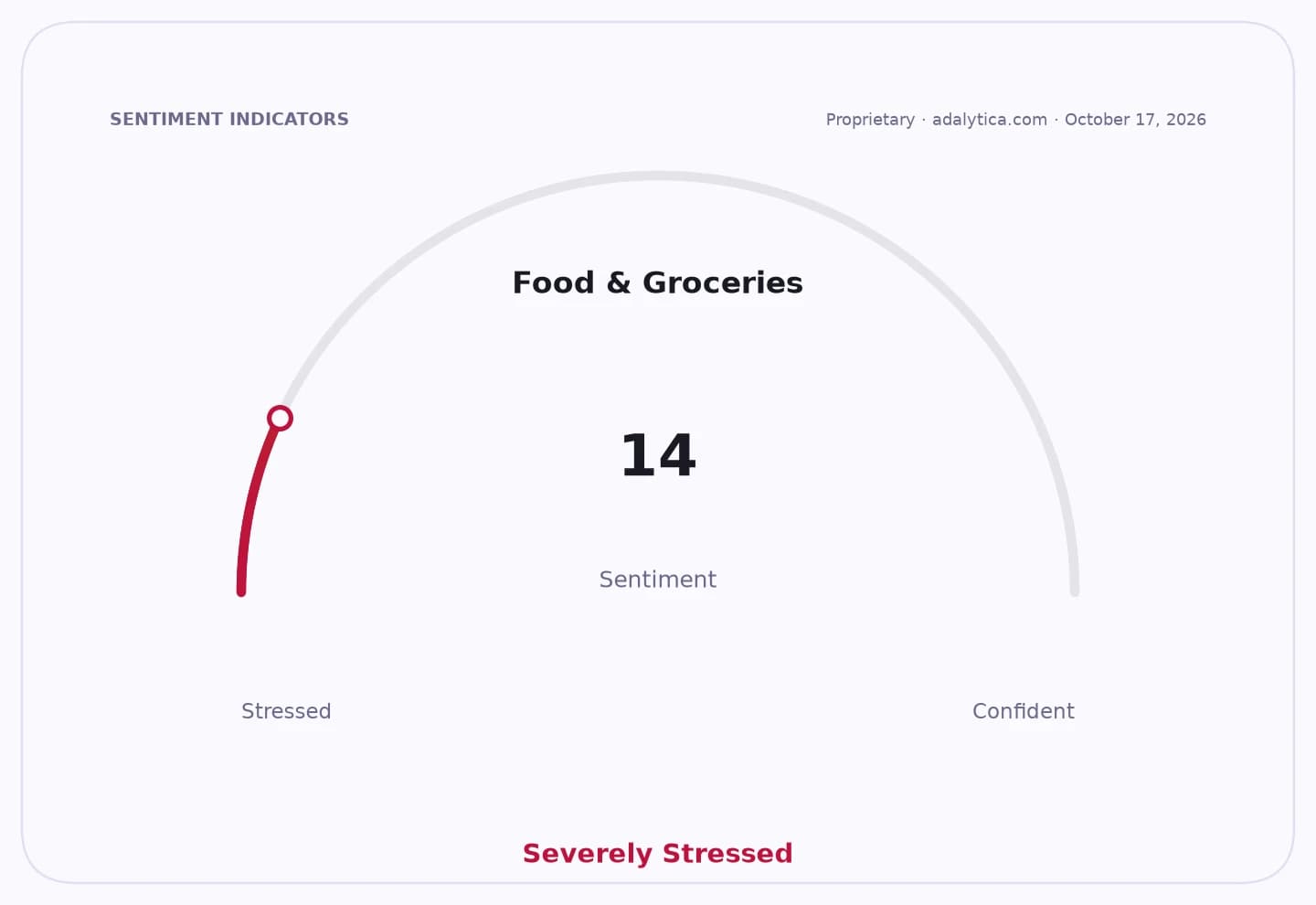
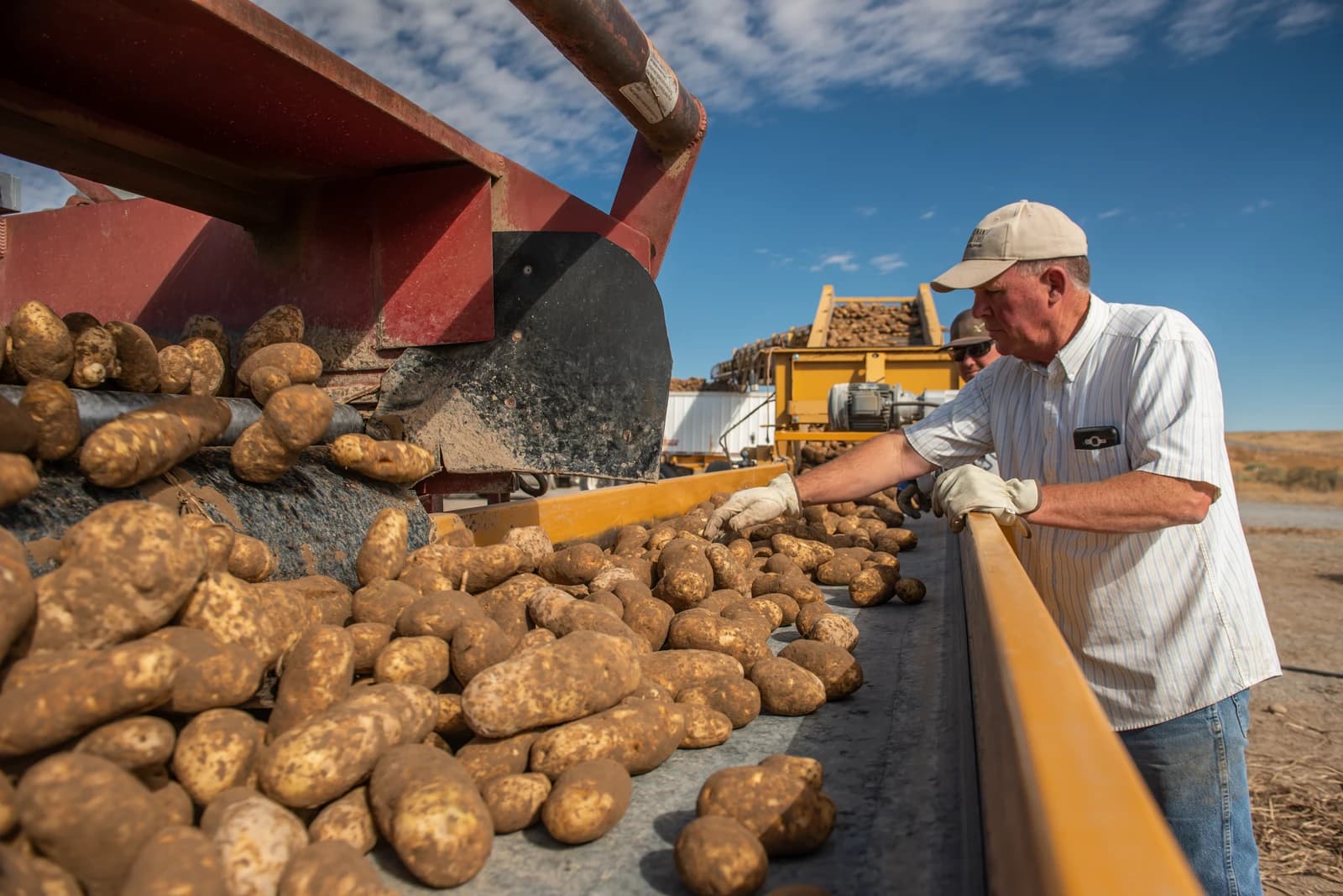
The steepest move is in first-quality corn, where wholesale prices at Lima’s Santa Anita market surged to S/300-S/320 per hundred from S/140-S/180, effectively more than doubling. Yellow potatoes rose to S/4.30-S/4.50 a kilo from S/3.30-S/3.50, a jump of about 30%, while red onion also posted a notable increase. For consumers already facing higher food costs, the changes matter because these are not discretionary items: they sit near the center of the daily diet and tend to feed directly into headline inflation expectations.
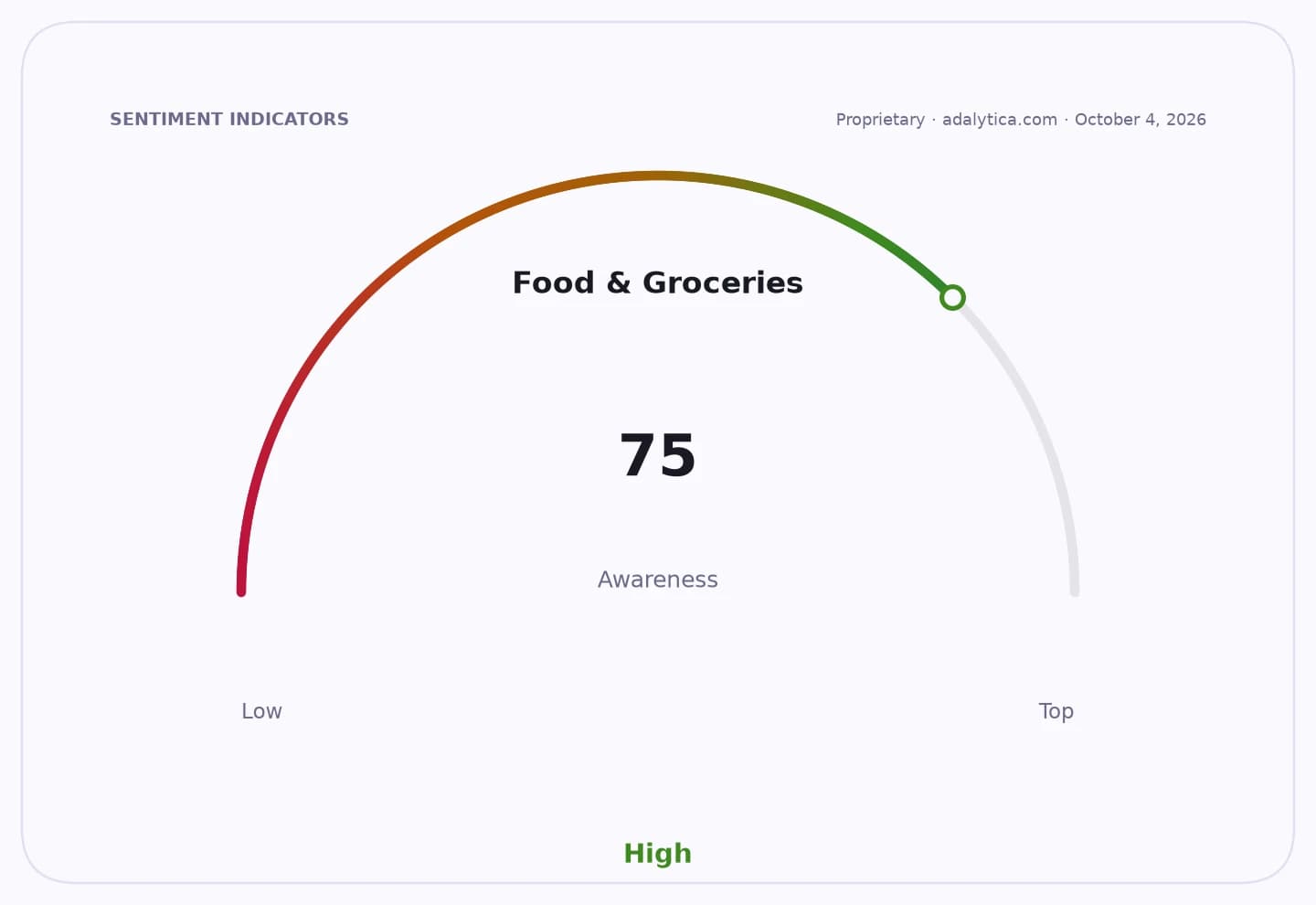
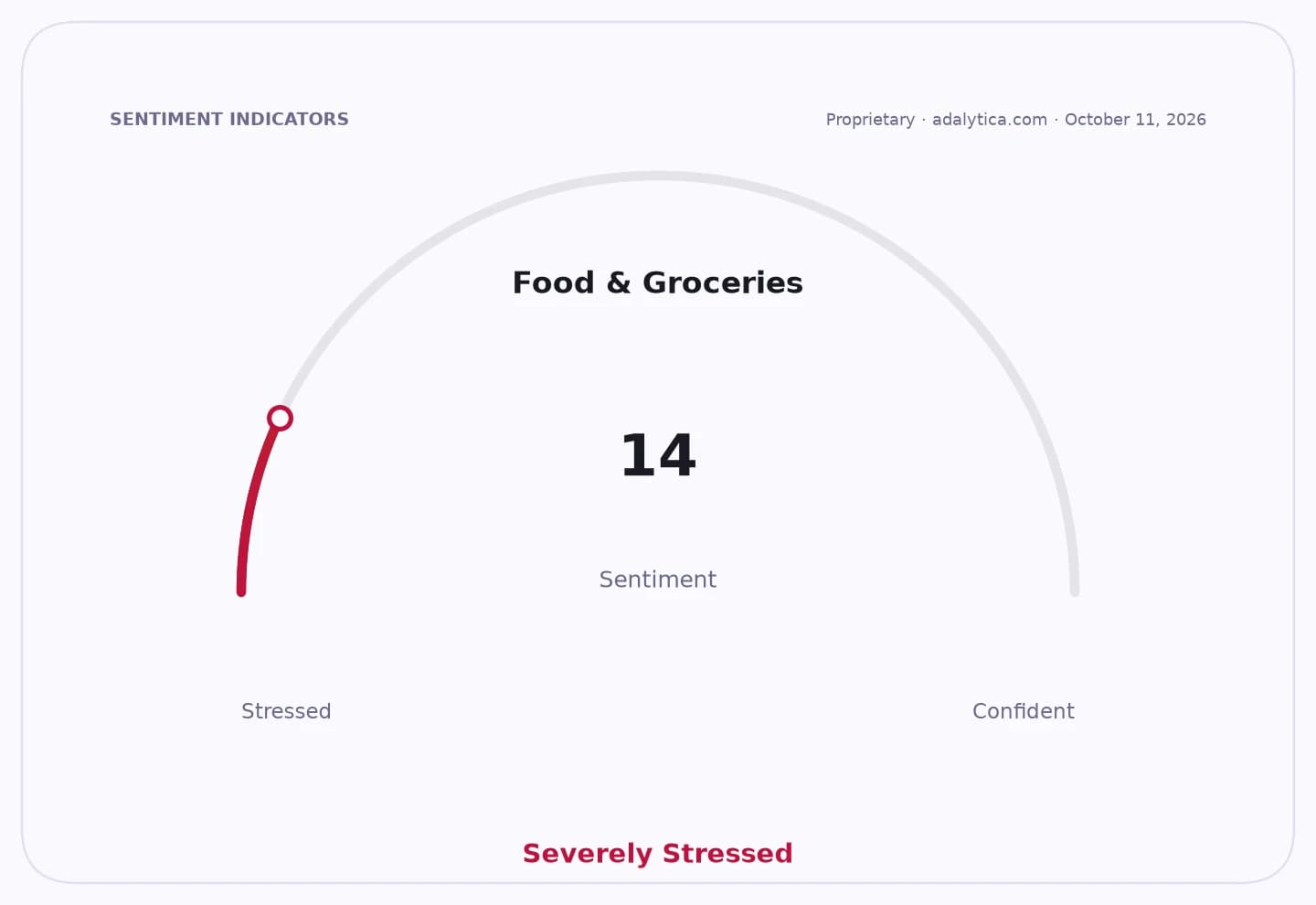
Sentiment IndicatorsⓘProprietary · adalytica.com · October 17, 2026
This is a snapshot — live sentiment, awareness and momentum for 130+ markets update continuously in the dashboard.Open AlphaPulse
The price spikes point to a supply-side problem rather than a demand boom. Traders cited weaker harvests, planting difficulties and higher transport costs as the main drivers, all of which compress available supply in the capital’s wholesale market. That makes the rise more than a temporary market oddity. If fewer trucks are arriving in Lima and farm output remains constrained, retailers typically pass on the higher cost base quickly, pressuring low- and middle-income households first.
Macro conditions reinforce the squeeze. Global food prices remain vulnerable to climate shocks, logistics disruptions and geopolitical risks, and Peru is not insulated from those forces. Even where national inflation is easing, food can remain volatile because it responds faster to weather and freight bottlenecks than other parts of the basket. The fact that tomato prices fell at the same market underscores how uneven the move is: this is a supply-specific rotation, not a broad food deflation story.
For investors, the immediate relevance is in inflation-linked assets, local consumer spending power and the policy response. Persistent rises in staple foods can keep pressure on the cost of living, weakening discretionary demand and complicating the central bank’s inflation outlook if the shock broadens. Food retailers and distributors may see volume pressure if shoppers trade down to cheaper varieties such as Guairo potatoes, while producers with better logistics or steadier harvests could gain share.
The key question for October is whether supply normalizes enough to cap the surge. If weather improves and transport bottlenecks ease, prices could stabilize. If not, Peru’s household basket may face another round of food inflation that hits consumers long before it shows up in aggregate data.
| Entity | Gains | Losses |
|---|---|---|
| Farmers with strong harvests | ▲Higher farmgate prices | ▼Buyers facing scarce supply |
| Transport and logistics providers | ▲More pricing power | ▼Households absorbing costs |
| Lower-income consumers | ▲Cheaper alternatives if they trade down | ▼Purchasing power |
| Peru food retailers | ▲Higher nominal sales | ▼Demand if volumes weaken |