Potato prices in Argentina surged 329% year over year in August after a steep cut in planted area and a return to more balanced supply and demand pushed producer prices sharply higher.
Argentina potato prices rise 329% in August
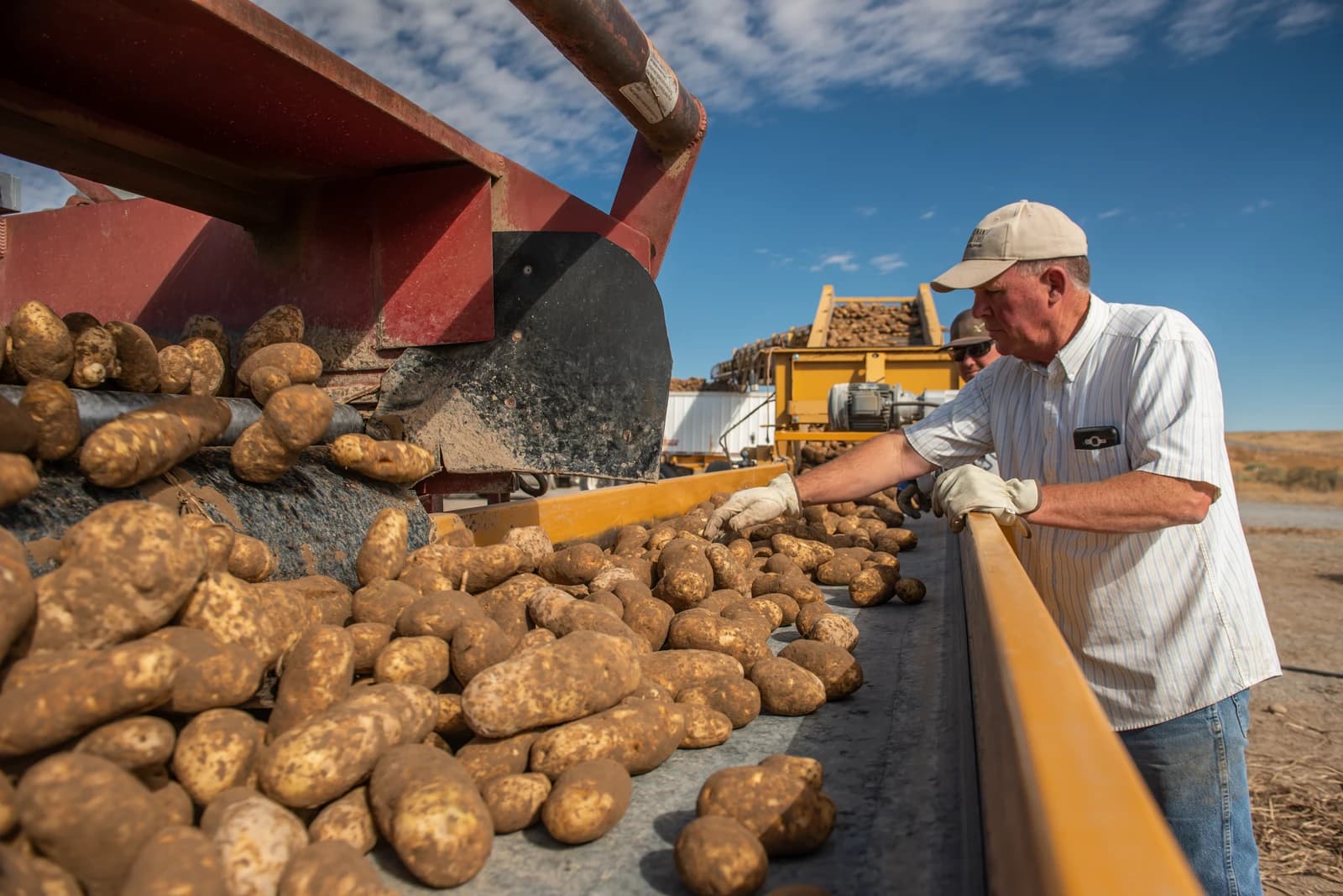
The move matters because potatoes are a staple crop and a fast read on regional food inflation, farm margins and consumer costs. After a record harvest last season flooded the market and crushed prices paid to growers, the new campaign began with a 12% reduction in planted area, helping lift values 19% in August alone and 151% over the latest four months, according to Coninagro.
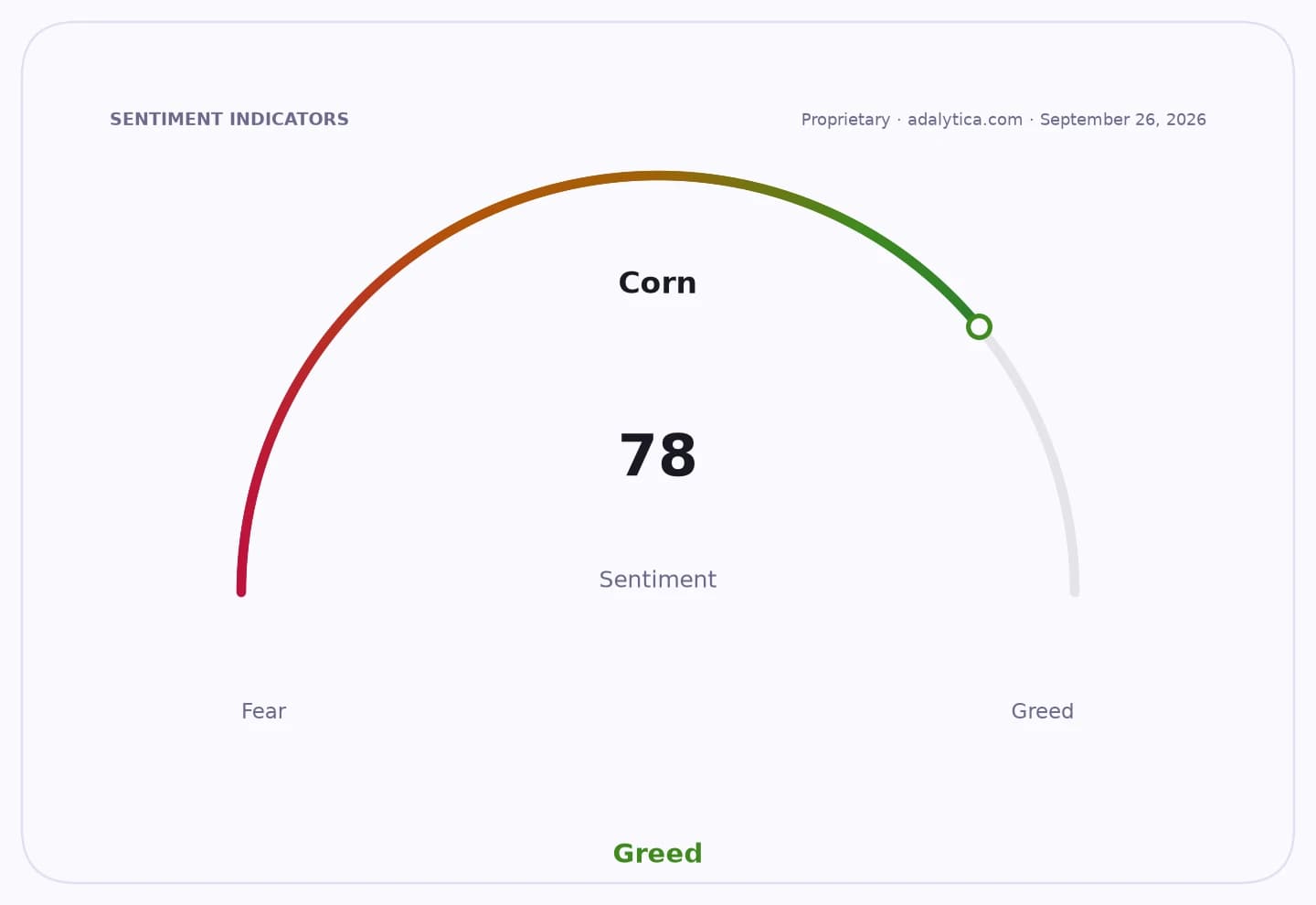
Sentiment IndicatorsⓘProprietary · adalytica.com · October 15, 2026
This is a snapshot — live sentiment, awareness and momentum for 130+ markets update continuously in the dashboard.Open AlphaPulse
That recovery was enough to pull potato farming out of the cooperative group’s “red zone” and into a more favorable category alongside cattle, sheep, grains and honey. It also shows how quickly pricing power can swing in agricultural markets when production shifts from excess supply to tighter availability.
For investors, the story highlights both sides of the farm economy: growers gain when prices recover, but consumers and food buyers face higher input costs. The broader inflation backdrop remains important, with many other regional products still under pressure as producer prices lag inflation and costs keep rising.
The divide across Argentina’s farm sector is still sharp. Tobacco, pears and apples, poultry, hogs and peanuts remain in the yellow zone, while yerba mate, rice, wine, vegetables, cotton, milk, cassava, forestry and sweet citrus stay in red, mostly because weak business conditions and rising costs continue to compress margins.
The next focus is whether tighter potato supply holds into the new season and whether weather, planting decisions and consumer demand keep food prices elevated.
| Entity | Gains | Losses |
|---|---|---|
| Potato growers | ▲Higher farm-gate prices | ▼Consumers facing pricier food |
| Coninagro’s regional economy gauge | ▲Stronger potato indicator | ▼Red-zone crops still under stress |
| Food buyers and processors | ▲None | ▼Higher input costs |
| Argentine households | ▲None | ▼More expensive staple prices |