Butter prices in Egypt have climbed to 320 pounds a kilo, a fresh increase that points to broader cost pressure in the dairy chain just as households typically stock up ahead of the storage season.
Egypt Butter Prices Rise to 320 Pounds a Kilo
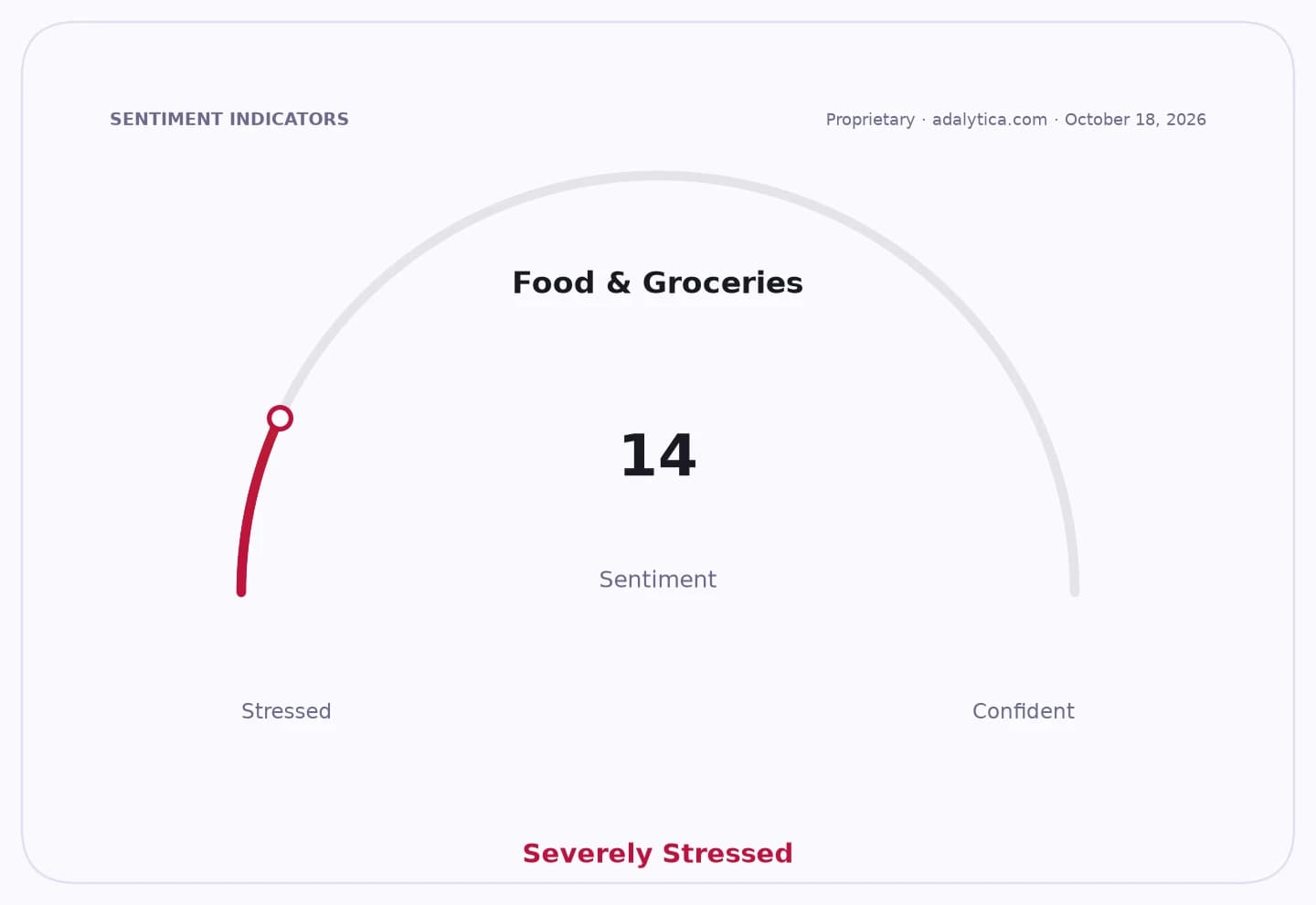
That matters because butter is not just a niche buy for consumers planning to preserve food for the months ahead; it is also a useful read on how fast input costs are feeding through to everyday groceries. When butter gets more expensive, it usually reflects the same forces pushing up milk, feed, transport and processing costs across the dairy aisle. For families, that means a heavier bill for a product with seasonal demand. For investors and businesses tied to food production and distribution, it signals margin pressure is still alive and well in staples.
Local sellers said the kilo had moved from about 280 pounds to more than 300 pounds, with some buyers now paying 320 pounds at the start of the season. Vendors in rural producing areas are bringing butter into cities to meet demand from households that prefer to buy in bulk and store it. That seasonal pattern tends to amplify price swings: when supplies are tight and demand suddenly picks up, retailers can reprice quickly.
Hazem El Menoufy, a food commodities official with Egypt’s chambers of commerce federation, said the rise stems from higher costs for production inputs, feed and transport, alongside supply-and-demand dynamics and the timing of the season. That is the key economic message here. Butter is not rising in isolation; it is moving with the broader cost base for livestock and dairy producers.
For consumers, the near-term risk is straightforward: more expensive dairy staples can squeeze already stretched household budgets. For companies in the food chain, the question is whether they can pass on those costs without killing demand. If they cannot, margins get pinched. If they can, inflation in groceries becomes more entrenched.
The longer-term takeaway for investors is that food inflation remains a live theme wherever feed costs, logistics and weak supply are still working their way through the system. In a market like this, the winners are typically efficient producers and distributors with pricing power. The losers are price-sensitive households and smaller sellers who have less room to absorb cost shocks. Worth watching, because seasonal butter strength can be a warning sign for broader dairy inflation ahead.
| Entity | Gains | Losses |
|---|---|---|
| Butter sellers | ▲Higher selling prices | ▼Price-sensitive demand |
| Dairy producers | ▲Better farmgate revenue | ▼Higher feed and transport costs |
| Consumers | ▲Seasonal access to staple food | ▼Larger grocery bills |
| Retailers | ▲Faster inventory turnover | ▼Margin pressure if demand weakens |