Egypt’s Ministry of Supply is keeping 30 basic food and household items on sale at reduced prices through 284 outlets nationwide, a sign the government is still leaning on direct price intervention to ease pressure on consumers and steady local markets.
Egypt keeps 30 staples discounted at 284 outlets
That matters because groceries and other essentials are where inflation bites hardest. By widening access through state-run outlets, the ministry is trying to cushion household budgets while keeping a lid on sharp swings in prices that can ripple through the broader economy. For Egyptian consumers, that is immediate relief. For policymakers, it is another attempt to preserve social stability in a period when affordability remains a live issue.
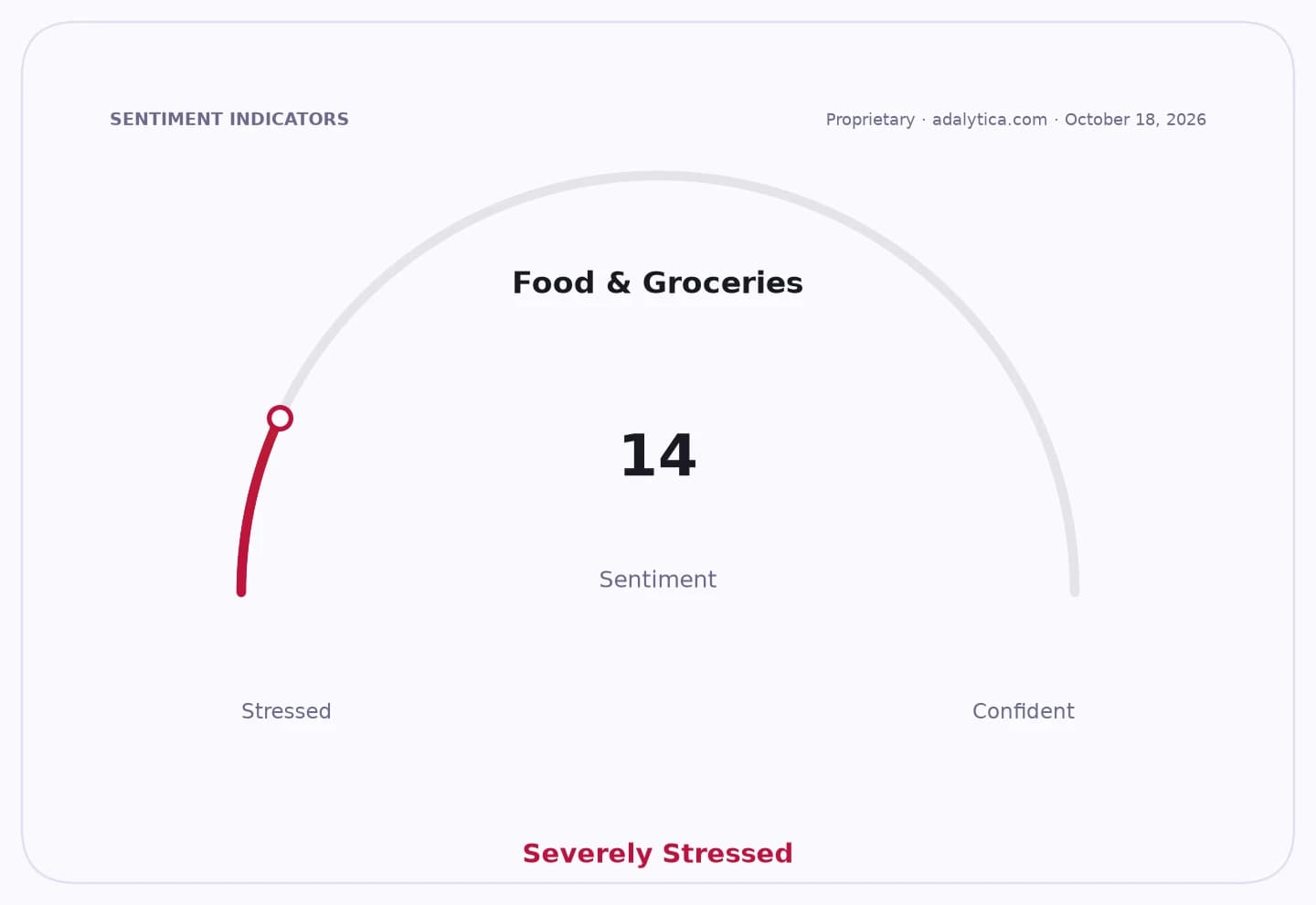
Sentiment IndicatorsⓘProprietary · adalytica.com · October 18, 2026
This is a snapshot — live sentiment, awareness and momentum for 130+ markets update continuously in the dashboard.Open AlphaPulse
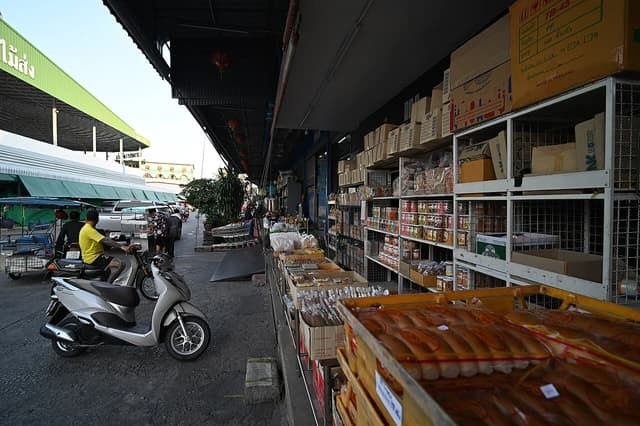
The program covers staples such as sugar, rice, flour, blended oil, pasta, tea, cheese, milk, lentils, detergent and soap. The ministry said it is monitoring prices, quality and supply through a central operations room headed by the supply minister, with checks in place to ensure the discounted goods keep flowing across governorates.
For investors, the more important point is what this says about demand behavior. When governments have to keep basic goods on an administered-price track, it usually means consumers are still highly price-sensitive and trading down where they can. That can support volumes for lower-cost suppliers and distributors tied to the program, while squeezing players that rely on pricing power in discretionary categories.
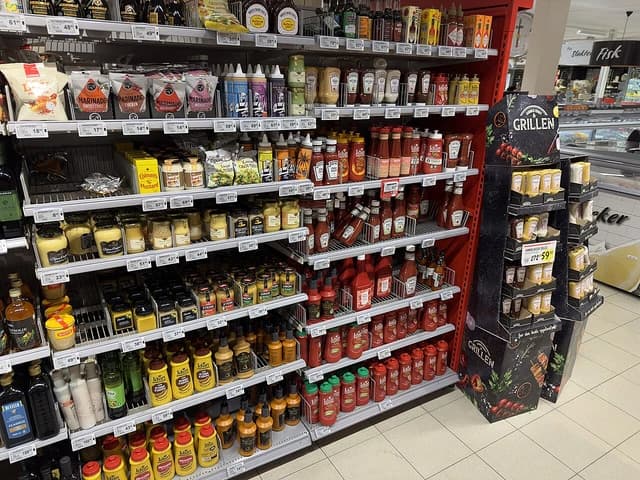
The setup also offers a useful read-through for global food and consumer companies: affordability is still a decisive factor. The same price sensitivity that is visible in Egypt is showing up elsewhere, where even modest increases can dent sales. That makes scale, efficient sourcing and disciplined pricing the key advantages in consumer-facing businesses.
This is not a flashy growth story. It is a reminder that in an inflationary world, the companies and systems that can reliably deliver low prices often win the longest. For investors, the takeaway is to watch which retailers, wholesalers and branded suppliers can protect margins without losing price-conscious customers — and which ones cannot.
| Entity | Gains | Losses |
|---|---|---|
| Egyptian households | ▲Lower grocery bills | ▼Less pricing relief pressure |
| State outlets and participating sellers | ▲Higher traffic, steady demand | ▼Tighter margins |
| Consumer goods suppliers with scale | ▲Volume support | ▼Pricing power |
| Premium brands and higher-cost retailers | ▲Little benefit | ▼Demand erosion |