South Africans are finding a cheaper way to eat as Refreshi scales a marketplace that cuts prices by as much as 60% while returning more than R15 million to stores that would otherwise have written off surplus food.
Refreshi scales surplus food marketplace in South Africa
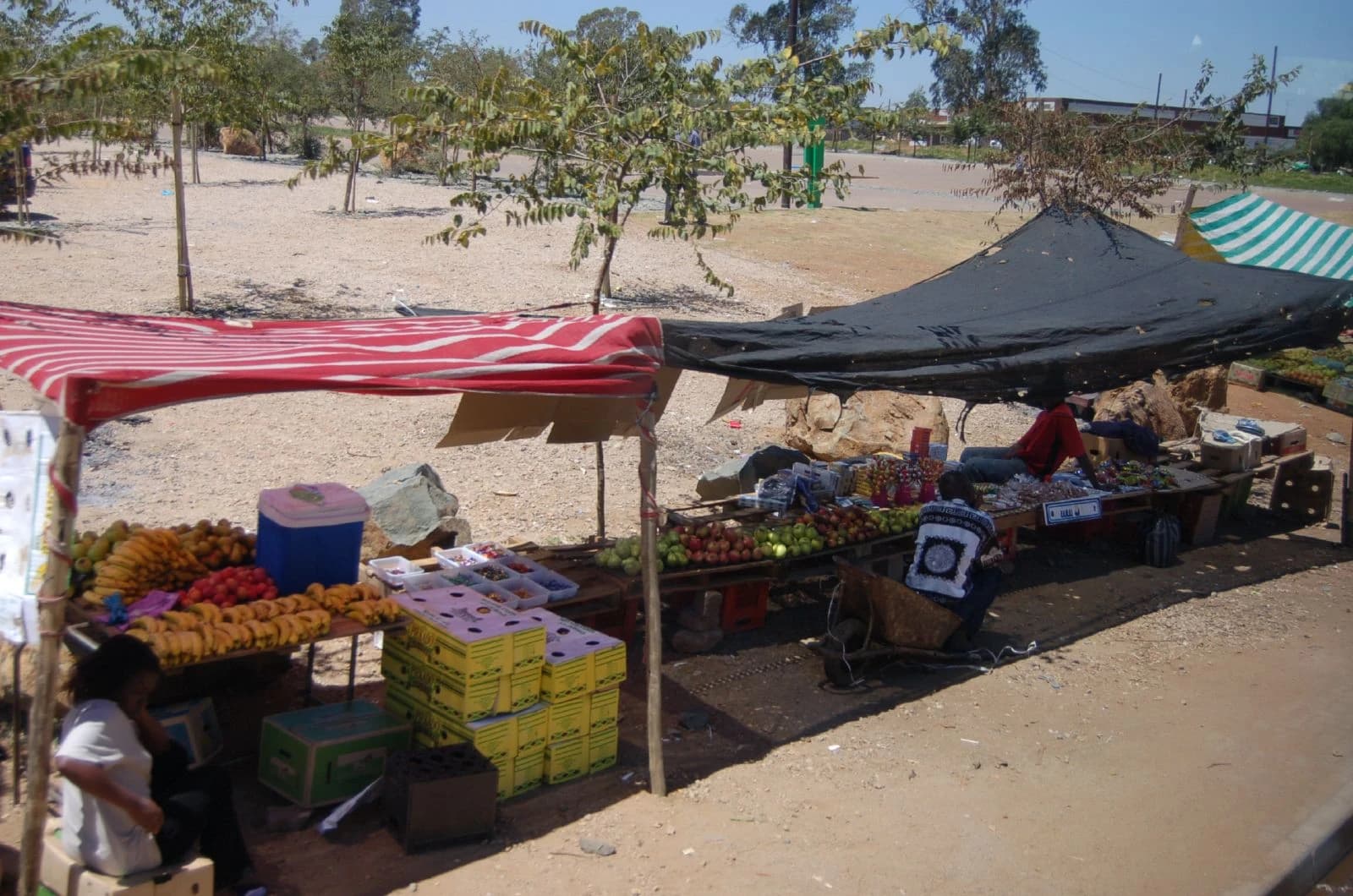
That matters because it hits two pressure points at once: households are struggling with grocery affordability, and retailers are sitting on edible stock that would otherwise become a pure loss. In a country where food inflation and cost-of-living stress remain persistent, a model that turns waste into revenue is not just a consumer gimmick — it is a new distribution rail for value-conscious spending.
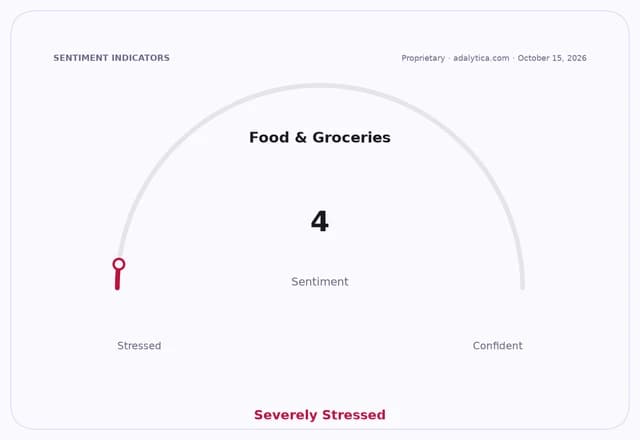
Sentiment IndicatorsⓘProprietary · adalytica.com · October 15, 2026
This is a snapshot — live sentiment, awareness and momentum for 130+ markets update continuously in the dashboard.Open AlphaPulse
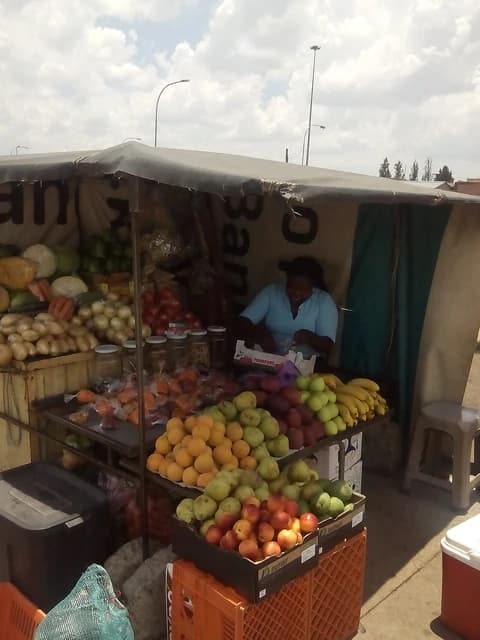
Cape Town-based Refreshi says it has grown from 35 partner stores in March 2025 to more than 700 locations across four provinces, with expansion running at 10 to 15 stores a week and a target of more than 2,000 participating outlets within a year. The marketplace lets shoppers reserve and pay through an app for “Surprise Bags” of surplus items at 50% to 60% below retail value, then collect them in a designated window.
The economic logic is straightforward and powerful. Retailers recover cash from products they had already paid for and were likely to mark down, donate or discard, while consumers get access to cheaper groceries and prepared meals. Refreshi says it has helped prevent more than 20,000 meals a month from ending up in landfills, underscoring how the model converts both financial leakage and food waste into usable demand.
The speed of adoption suggests the market is underestimating how large this category can become. A study by Refreshi and the Consumer Goods Council of South Africa found that 50 participating SPAR-format stores sold more than 23,200 Surprise Bags between April 2025 and July 2026, with monthly sales climbing from 430 bags in June 2025 to 1,939 in June 2026. Stores offering bakery products plus fruit and vegetables sold 77% more bags a month than those with only one category, showing this is not just a discount channel but an assortment-led habit builder.
That makes the winners easy to identify. Grocery chains, cafés and bakeries with recurring surplus inventory gain a new margin recovery tool. Consumers gain a cheaper way to stretch household budgets. Food rescue groups and landfill operators lose waste volume, while traditional retailers without a surplus monetization strategy risk being left with a more expensive cost base in an affordability-driven market.
For investors, the bigger lesson is that food recovery is becoming a commercial infrastructure play, not a side project in sustainability. In an environment where consumers are trading down and Adalytica’s Food and Grocery Spending Sentiment sits at “Extreme Fear,” platforms that aggregate fragmented surplus inventory can compound quickly because they sit at the intersection of pricing pressure, digital marketplace adoption and logistics efficiency. I believe the market is still early in pricing the value of these toll-road models across retail and food service.
The next catalyst is scale. If Refreshi keeps adding stores at its current pace, the addressable network could become large enough to reshape how South African retailers handle surplus stock, with the potential to pull more value from inventory that once represented pure shrink. For investors looking for the asymmetry, the opportunity is in the infrastructure and merchant-enablement layer that makes food cheaper, waste lower and cash flow better.
| Entity | Gains | Losses |
|---|---|---|
| Refreshi | ▲Rapid network scale | ▼Traditional waste model |
| Partner retailers | ▲Recovered revenue | ▼Written-off surplus |
| Households | ▲Lower food bills | ▼Full-price grocery spend |
| Competitors without recovery apps | ▲— | ▼Pricing pressure |