GrabAds is betting that restaurant and beverage brands can no longer rely on awareness alone, as fresh data from GrabFood shows most orders begin with browsing, not brand recall, and only a minority of searches convert directly into purchases.
GrabAds says GrabFood orders start with browsing
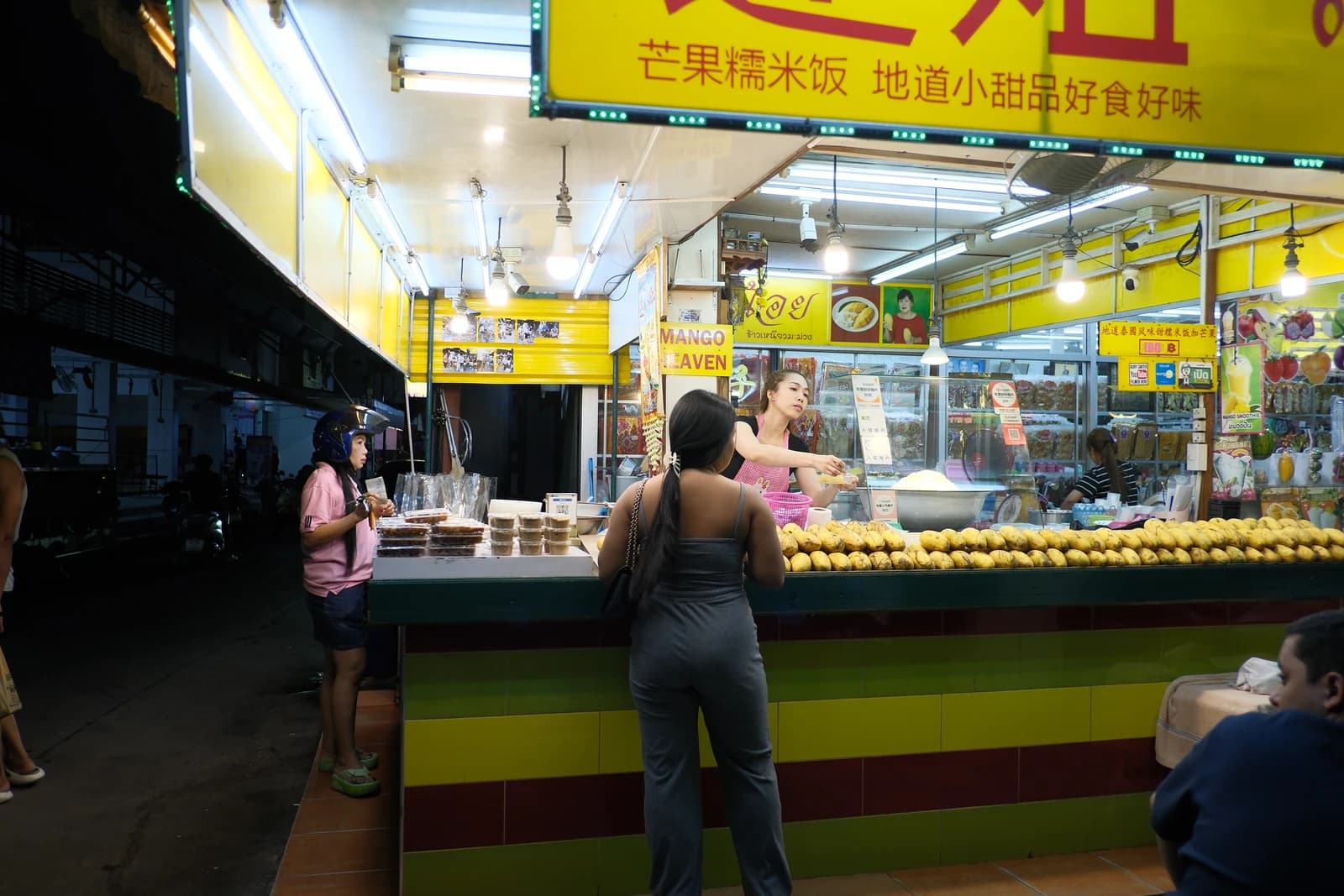
That shift matters because it changes where F&B players have to spend to win sales. If consumers are now treating food delivery apps like a discovery channel rather than a straight-to-cart destination, the economics of digital marketing move away from simple reach and toward conversion, retargeting and placement at the decision point. For merchants, that can determine whether ad spend produces incremental orders or just expensive impressions.
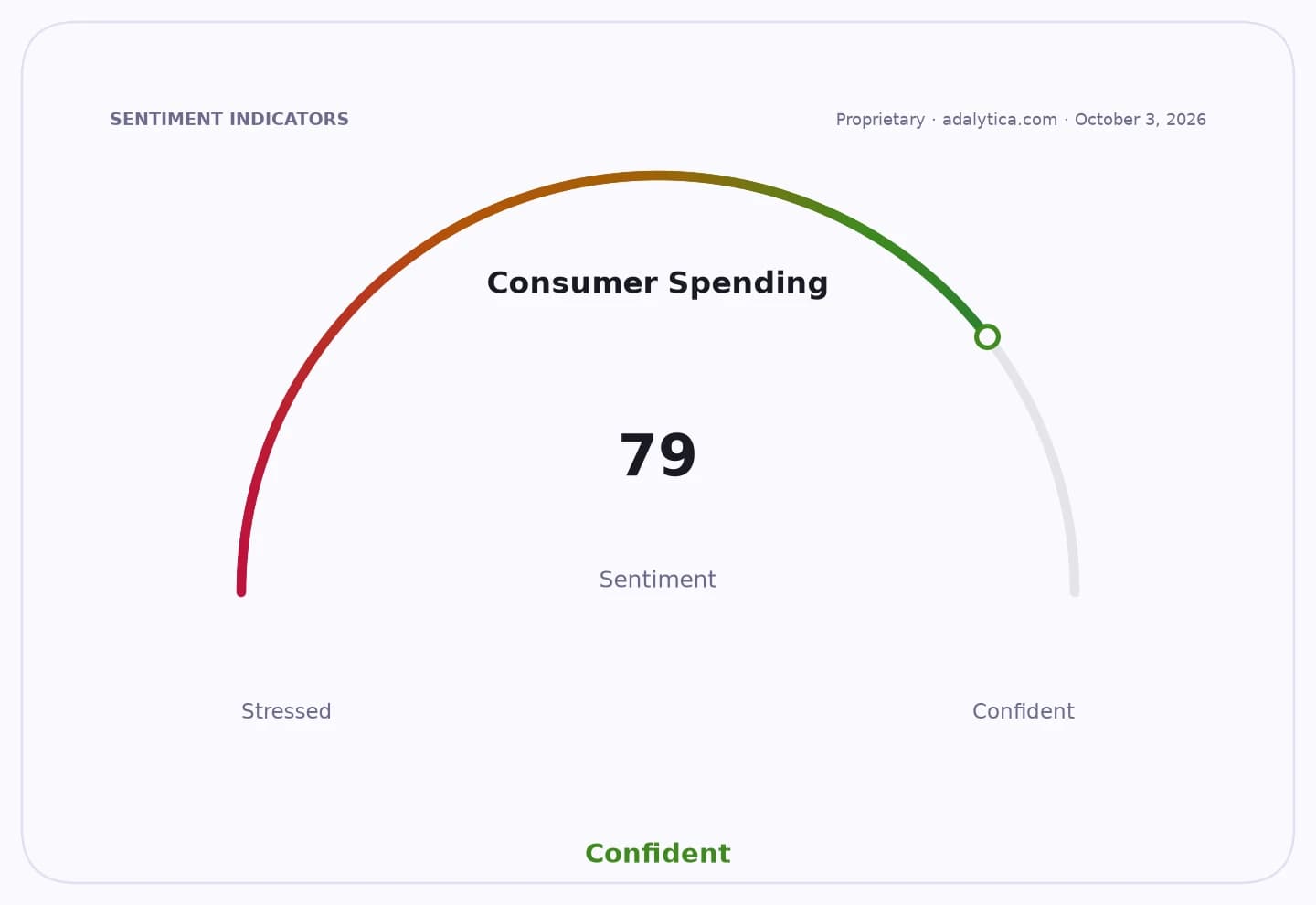
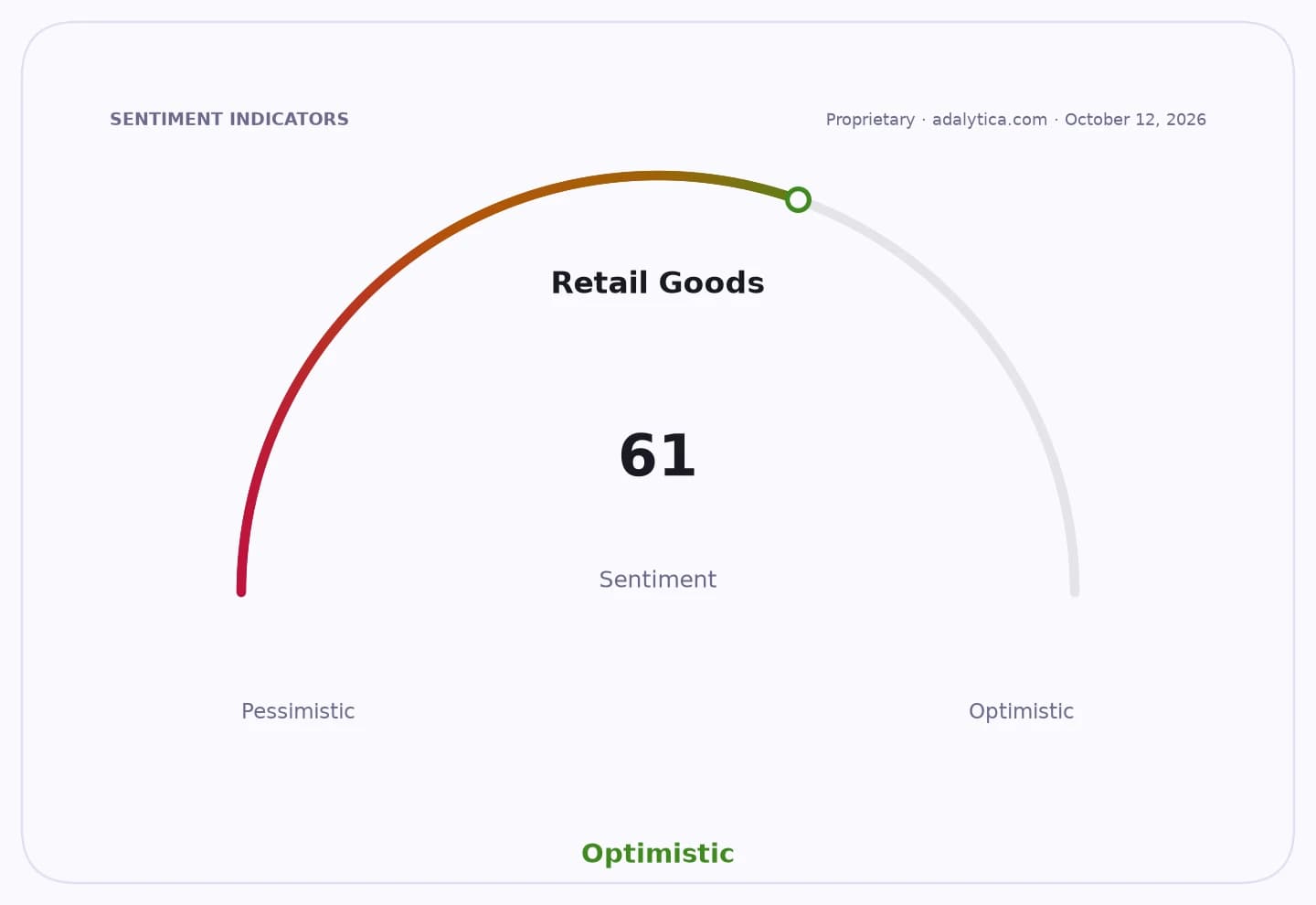
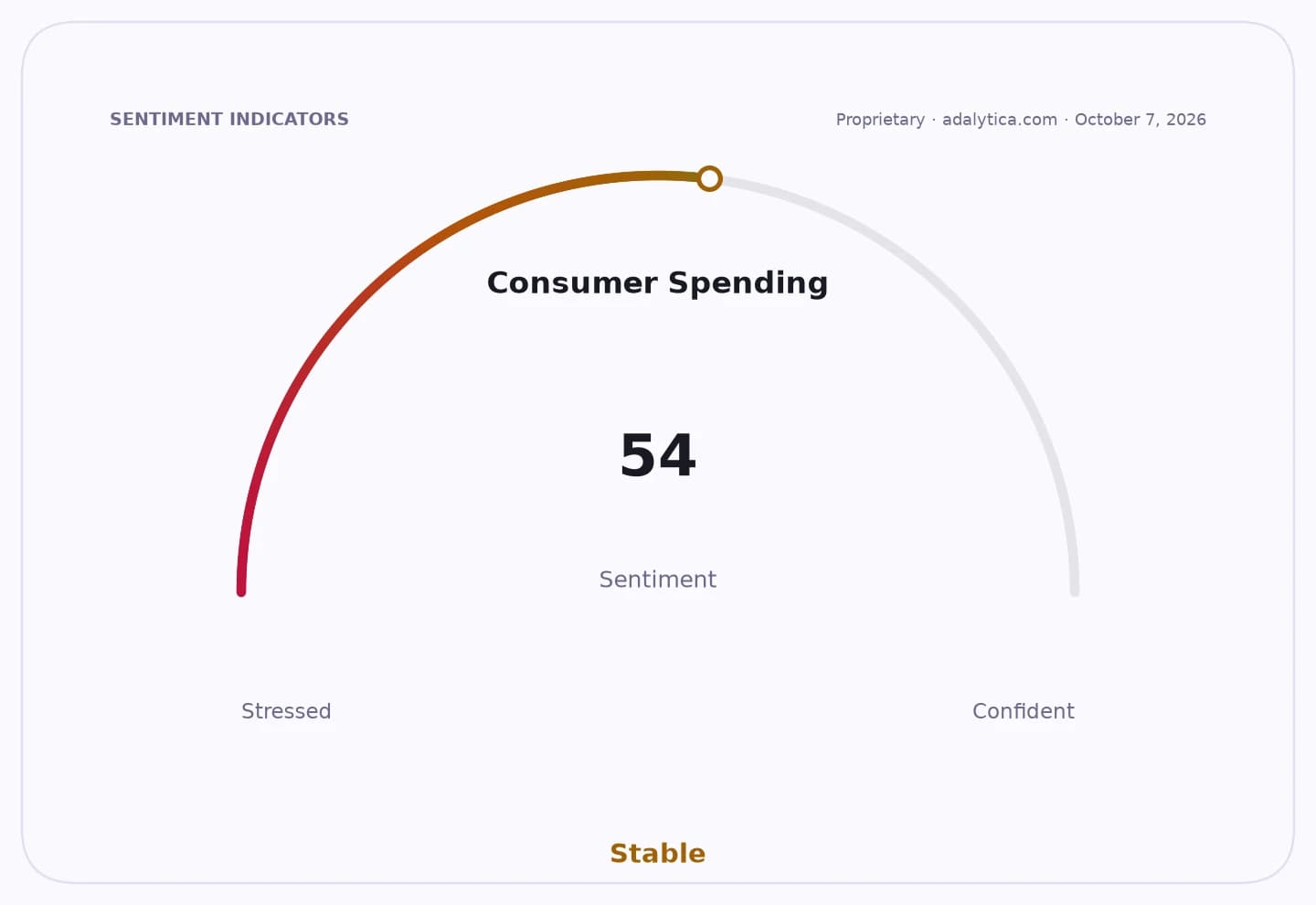
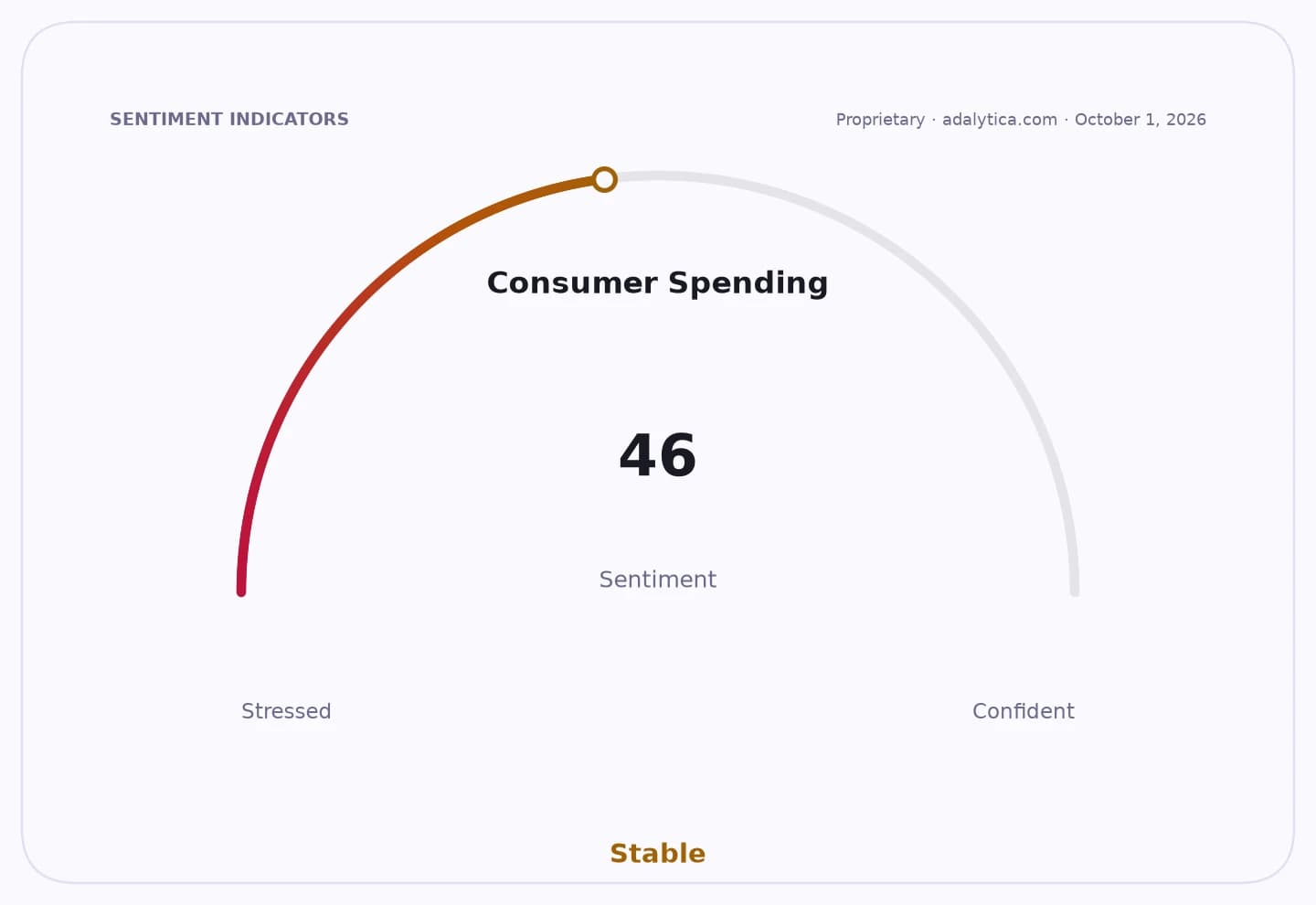
Sentiment IndicatorsⓘProprietary · adalytica.com · October 10, 2026
This is a snapshot — live sentiment, awareness and momentum for 130+ markets update continuously in the dashboard.Open AlphaPulse
Grab Indonesia commercial director Roy Nugroho said 79% of GrabFood orders start with customers exploring options first, with users spending an average 12.4 minutes browsing about six merchants before choosing. Even among large brands on the platform, only about 29% to 42% of brand-name searches end in an order. In other words, being top of mind is no longer enough; merchants need to be top of cart.
That is the logic behind F&B Forward: GrabAds Marketing Summit 2026 in Indonesia, where GrabAds is pitching a full-funnel strategy that links brand building to conversion. The company is trying to position itself not just as an ad inventory seller, but as a commerce platform that can help restaurants influence every step from discovery to checkout.
The timing is notable. Consumer sentiment gauges in the supplied data point to a sharp deterioration in spending confidence, with Adalytica’s Consumer Spending Sentiment at 25, labeled “Fear,” and Retail Goods Spending Sentiment also at 25. In a softer demand environment, brands tend to become more selective about where they advertise and more focused on measurable return. That makes performance-driven retail media and in-app advertising more attractive than broad, upper-funnel campaigns with unclear conversion.
The narrative also fits a wider strain on the consumer backdrop. Households are tightening spending while public budgets remain expansionary in the broader macro environment, a mix that can keep inflation and cost pressures elevated even as discretionary demand weakens. For food service businesses, that usually means more competition for each transaction and less room for inefficient marketing.
Investors should read the GrabAds push as part of a broader trend in digital commerce: platforms with first-party transaction data are trying to monetize the gap between discovery and purchase. For restaurant brands, that offers a path to defend traffic and basket share; for smaller merchants, it raises the stakes of ad efficiency and merchant ranking. The winners are likely to be brands that can measure conversion, optimize creative and spend across the full funnel. The losers are those still treating digital marketing as a branding exercise rather than a sales channel.
What to watch next is whether GrabAds can prove that its approach lifts order conversion enough to justify higher ad budgets from F&B clients. If it can, the platform strengthens its role in Indonesia’s food-commerce ecosystem. If not, the gap between being searched and being bought will remain a costly problem for restaurants and beverage chains.
| Entity | Gains | Losses |
|---|---|---|
| GrabAds | ▲Higher ad monetization | ▼— |
| F&B brands with strong conversion tools | ▲Better order capture | ▼Brands reliant on awareness only |
| Consumers | ▲More relevant offers | ▼More promotional noise |
| Smaller merchants with weak visibility | ▲— | ▼Lower ranking in search and checkout |