Ecommerce advertisers heading into Black Friday are running out of room to let Google and Meta spend on easy repeat buyers, as the platforms’ automation increasingly absorbs budget at the bottom of the funnel unless marketers actively carve out prospecting spend and rebuild customer exclusions.
Google and Meta ad automation shifts Q4 budgets
That matters because Q4 is when incremental demand becomes the most expensive. Automated systems such as Google’s Performance Max and Meta’s Advantage+ campaigns are designed to optimize for conversions, but in practice they tend to harvest existing demand first, since a sale from someone who has already visited the site is cheaper than winning a new customer. Left unchecked, the result is a media plan that looks efficient on blended ROAS while quietly starving awareness and future holiday demand.
Sentiment IndicatorsⓘProprietary · adalytica.com · October 9, 2026
This is a snapshot — live sentiment, awareness and momentum for 130+ markets update continuously in the dashboard.Open AlphaPulse
The shift is especially important on Meta, where the old Existing Customer Budget Cap has been retired. That removes one of the few simple controls advertisers had to keep spend tilted toward new buyers. The replacement is more manual: separate campaign structures, audience exclusions and ad set spending limits if account size justifies them. On Google, the equivalent lever still exists through the new customer acquisition goal, but it is often left off or underused, and it works best when fed a clean Customer Match list rather than relying only on historical conversion data.
For advertisers, the issue is not just structure, but timing. The piece argues that upper-funnel spend needs roughly six to eight weeks to influence revenue, which means money allocated in October can still shape November and December sales, while money added after Black Friday mostly arrives too late and at holiday auction prices. That makes the current window critical for brands that rely on paid social and shopping ads to acquire first-time buyers before peak season.
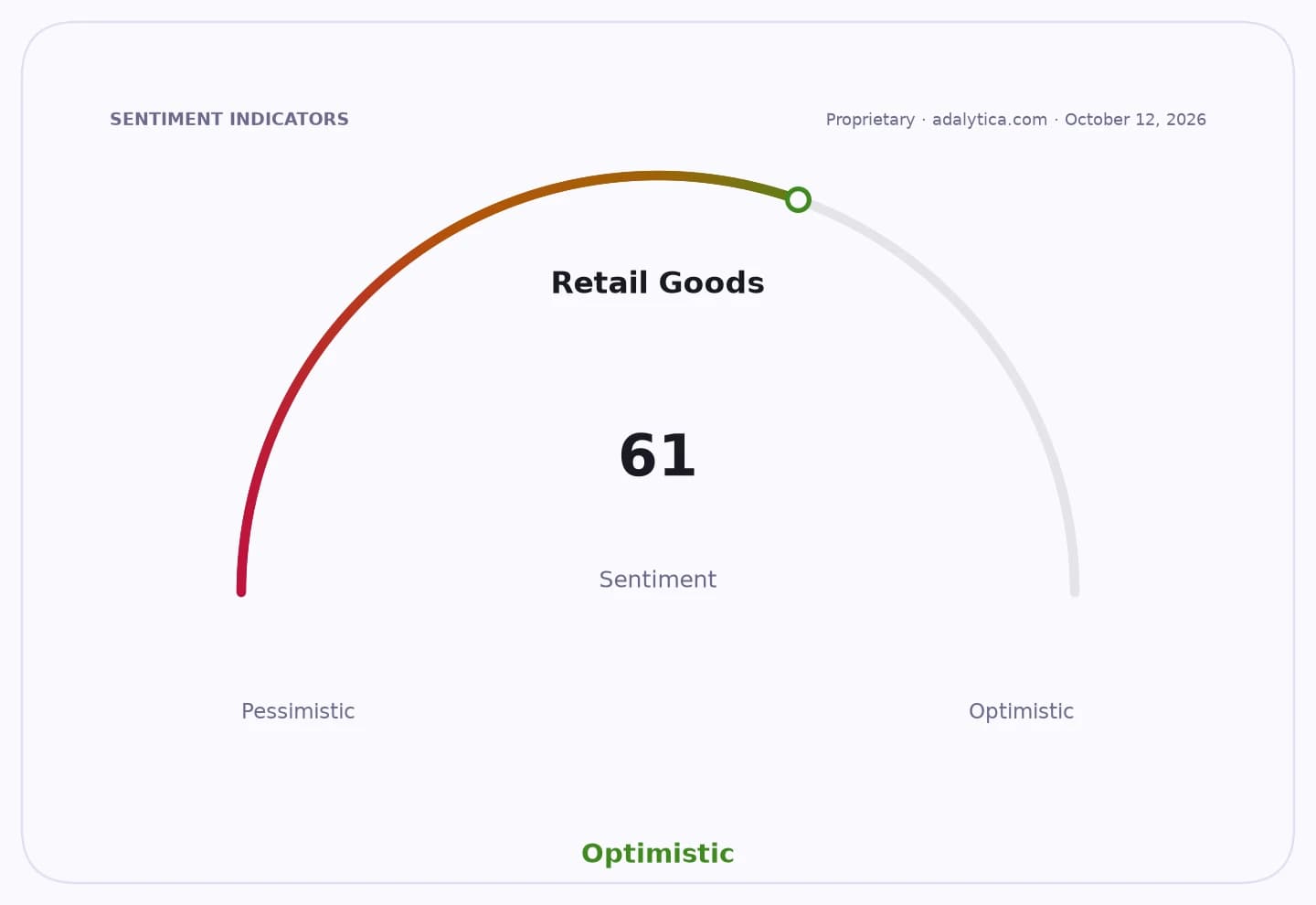
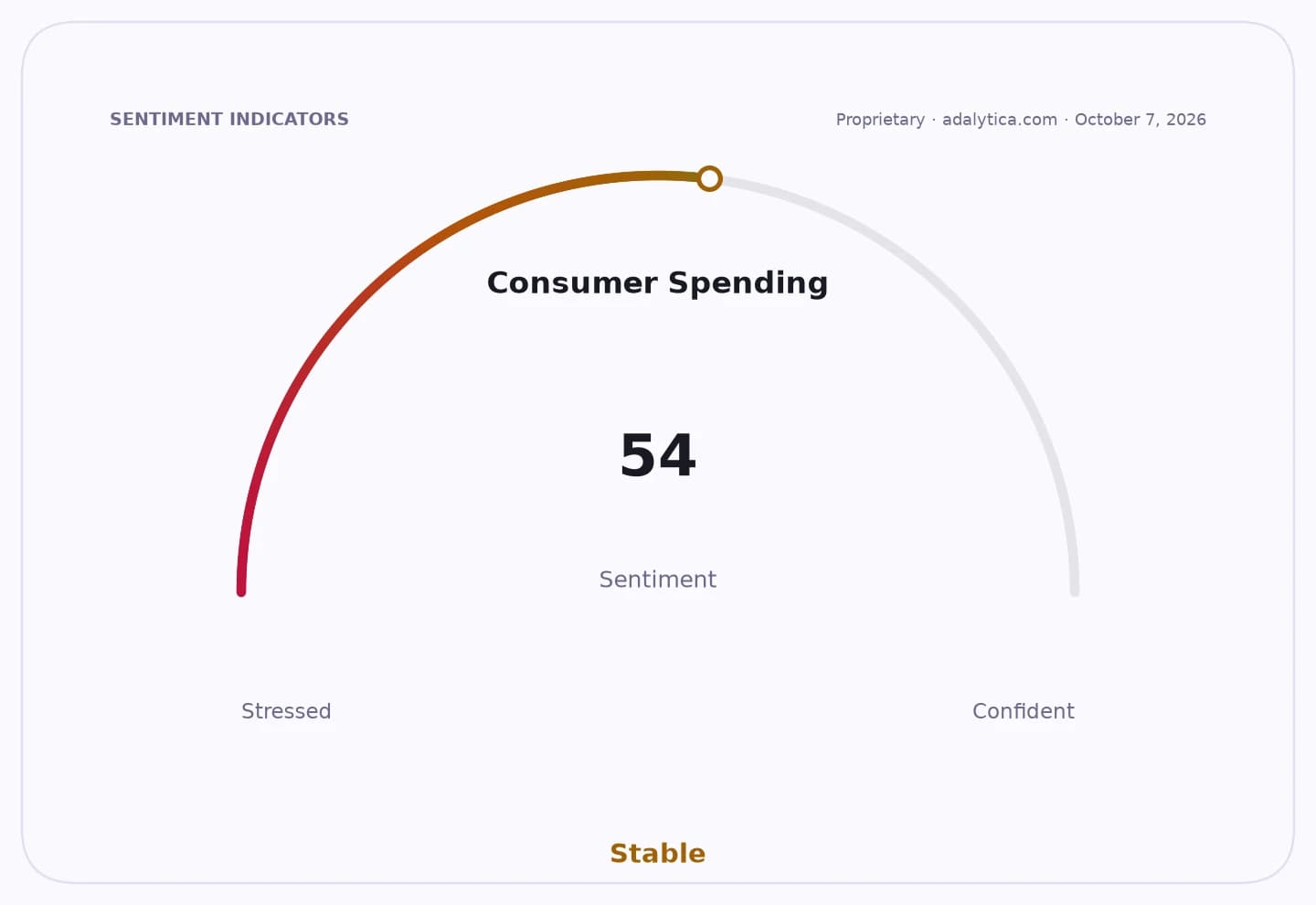
The broader economic context also favors discipline over passive automation. With consumer spending signals looking uneven and consumer-facing budgets under pressure, the temptation is to chase last-click efficiency. But that can be a false economy: if prospecting is cut, the account may preserve near-term ROAS while shrinking the pool of future customers. The advice to keep brand campaigns separate from acquisition campaigns reflects the same logic — brand terms can and should be defended, but they distort the read on prospecting if everything sits in one pot.
Investors in Google parent Alphabet and Meta, as well as public ecommerce platforms and agency networks, should see this as evidence that ad budgets remain contested even in an automation-heavy market. If merchants follow this playbook, it can support higher-quality demand generation into Q4; if they do not, platforms may still report healthy efficiency while the underlying customer base stops expanding. The trade-off will show up first in holiday conversion quality, then in January replenishment, which is why the next few weeks are the decisive setup period.
| Entity | Gains | Losses |
|---|---|---|
| New-customer prospecting | ▲More Q4 demand | ▼Less budget starvation |
| Google and Meta platforms | ▲Cleaner acquisition signals | ▼Less automatic harvesting |
| Repeat buyers / brand demand | ▲Protected campaign separation | ▼Less cross-contamination |
| Last-click ROAS hunters | ▲Near-term efficiency optics | ▼Long-term customer growth |