Amazon is leaning on its Prime Big Deal Days event to pull bargain-hunting consumers back into spending, with more than 30 deals priced below $100 highlighting how aggressively the company is using promotions to drive traffic and conversion. The sale matters because Amazon’s retail business is highly seasonal and promotion-driven, and the event can influence fourth-quarter order volumes, advertising demand and fulfillment activity at a time when consumers remain selective.
Amazon Prime Big Deal Days boosts holiday spending
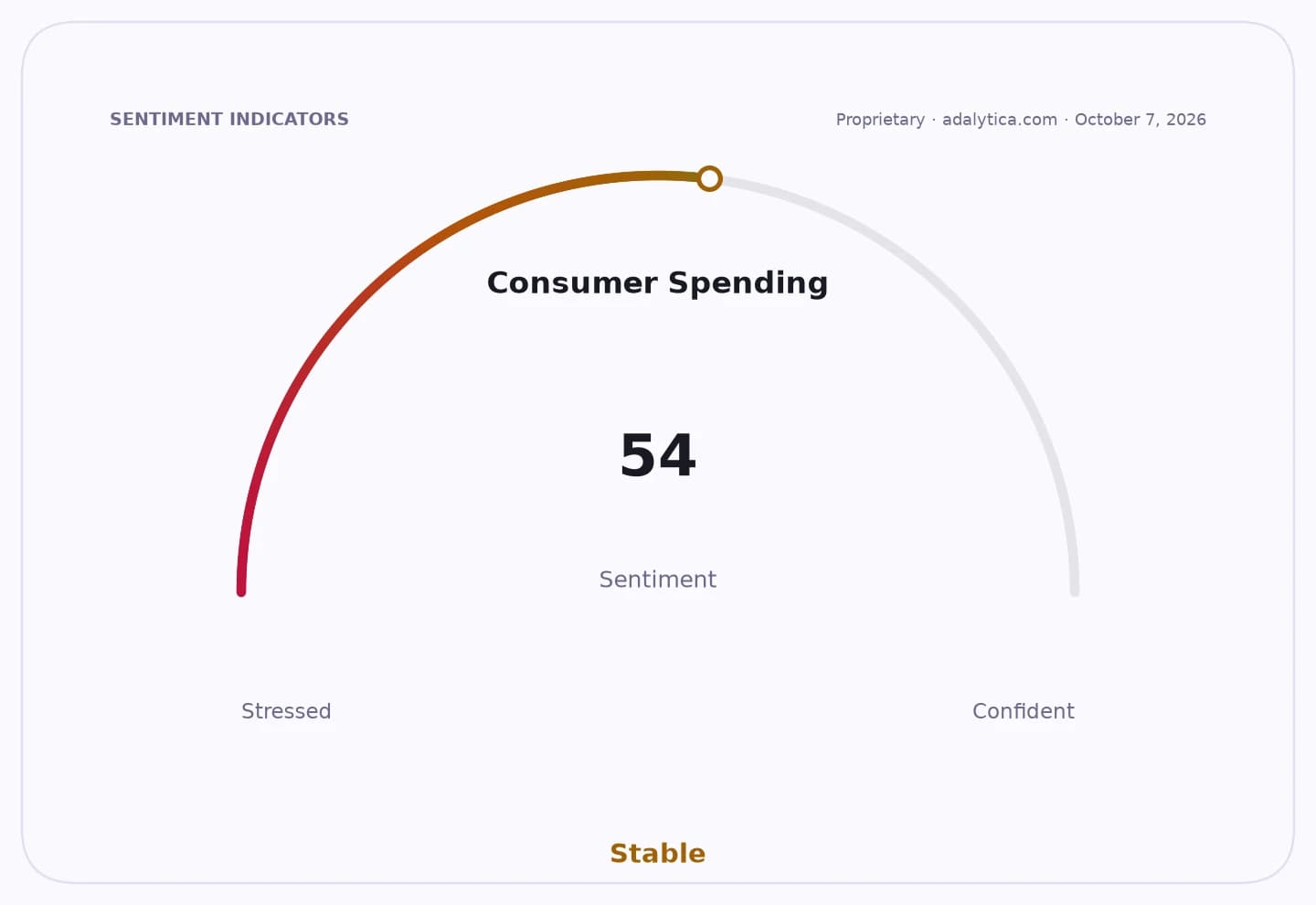
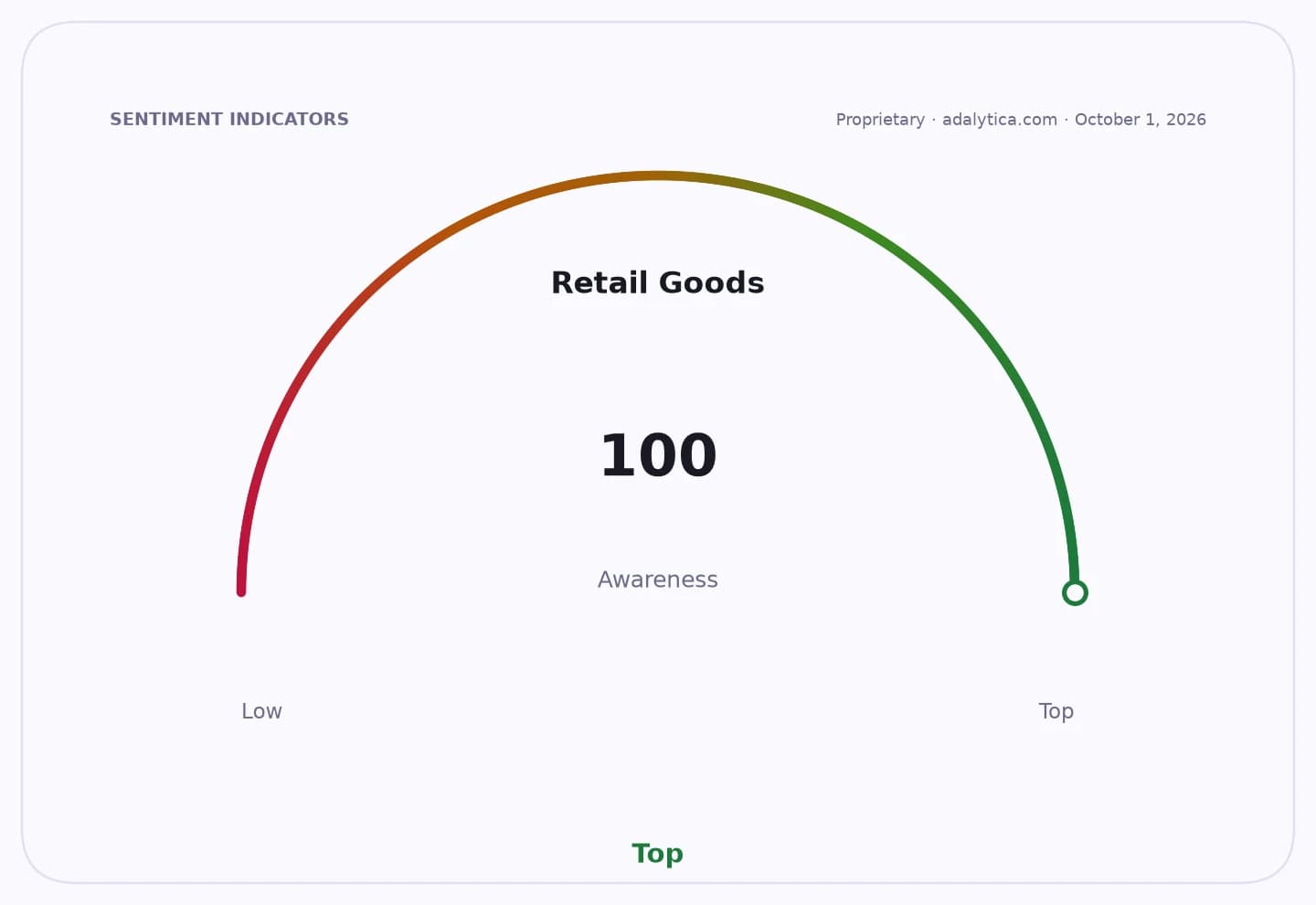
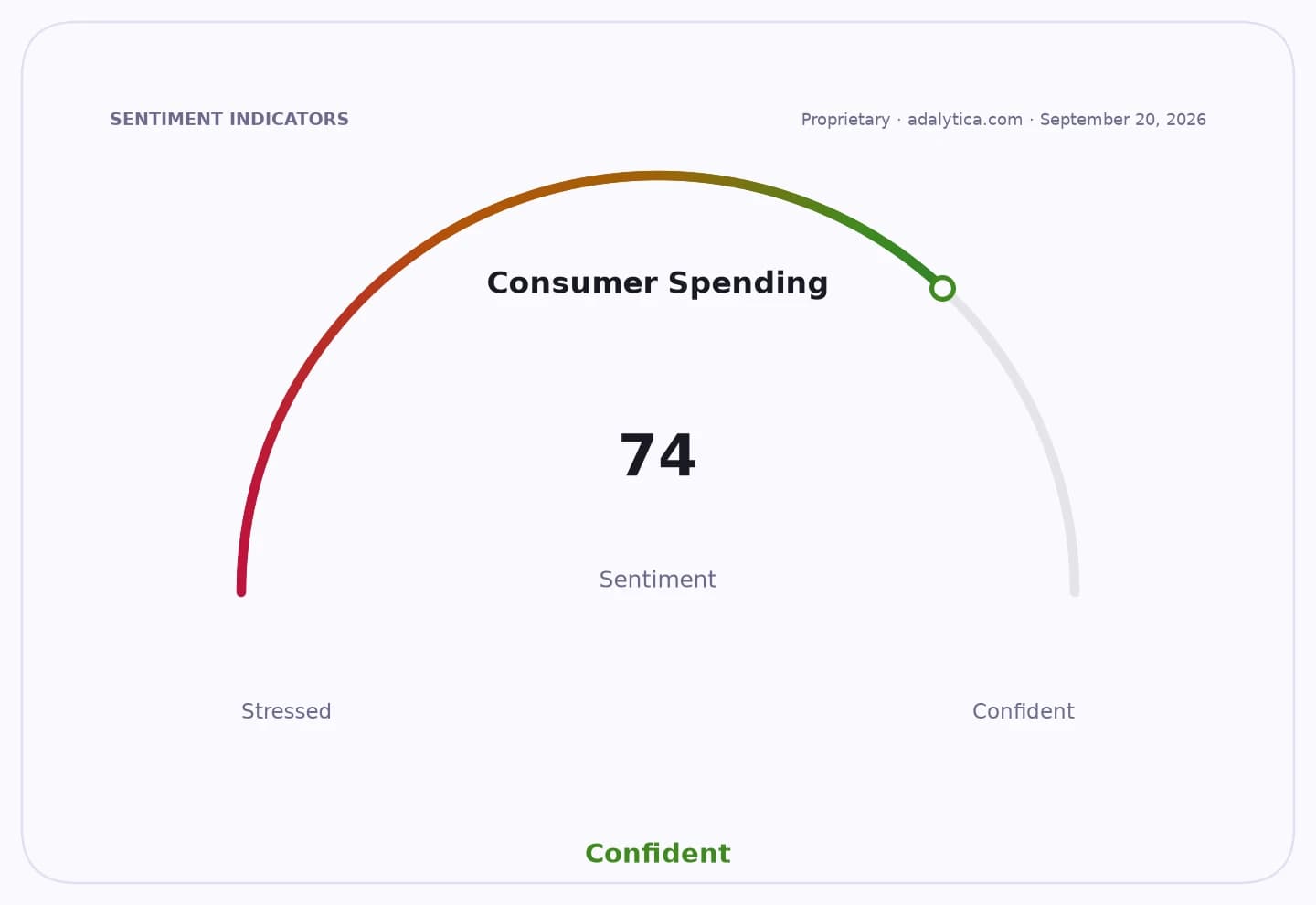
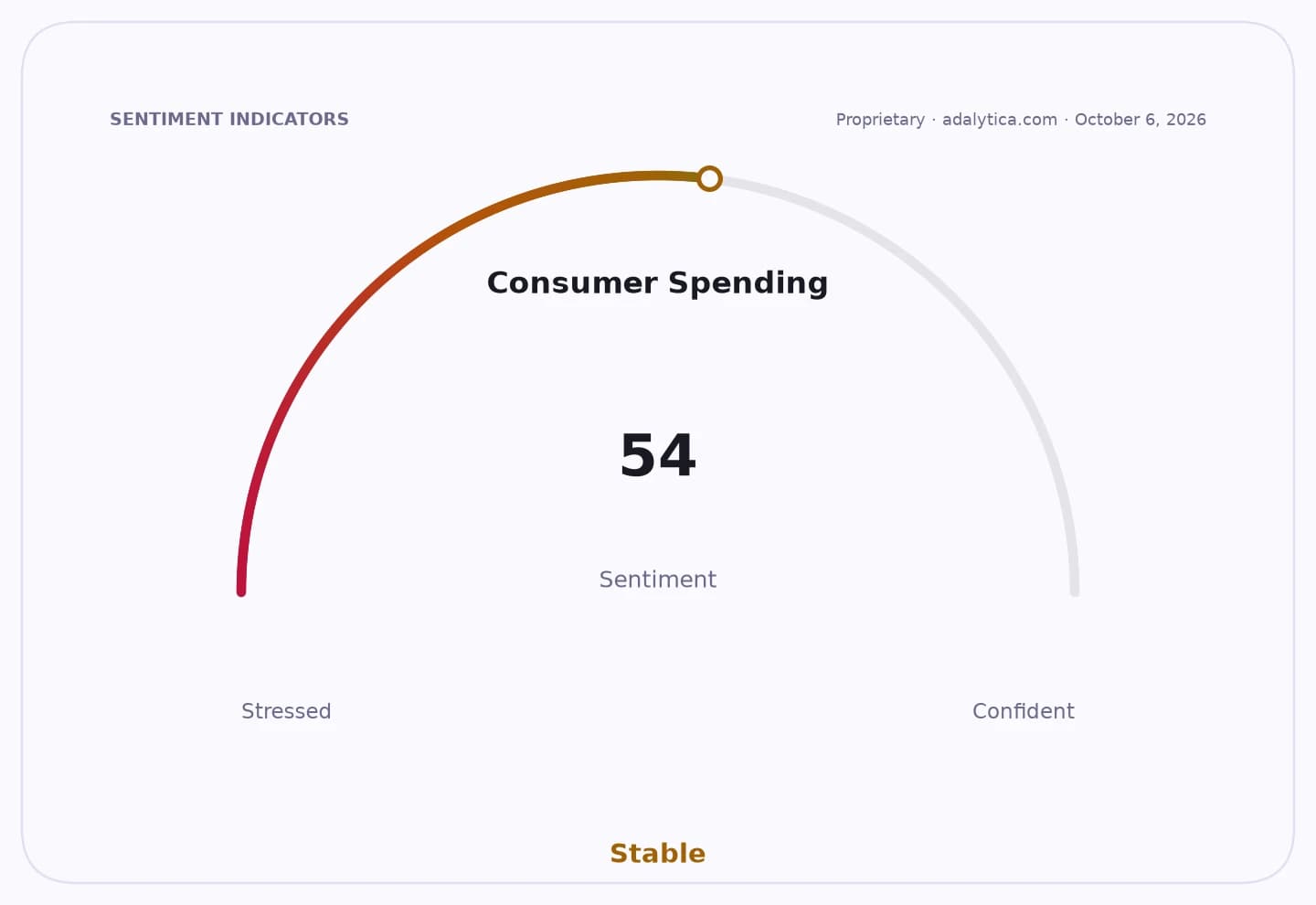
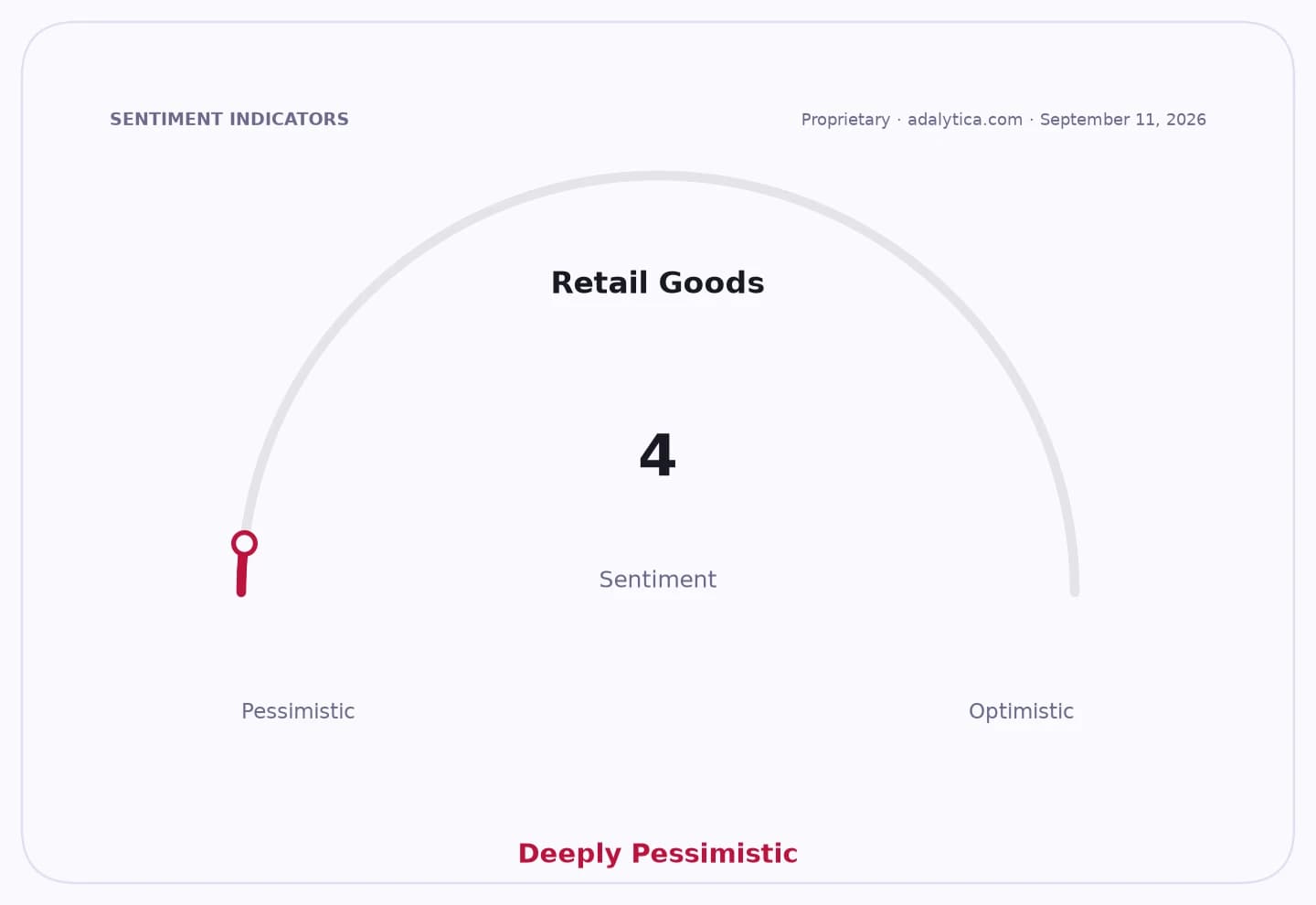
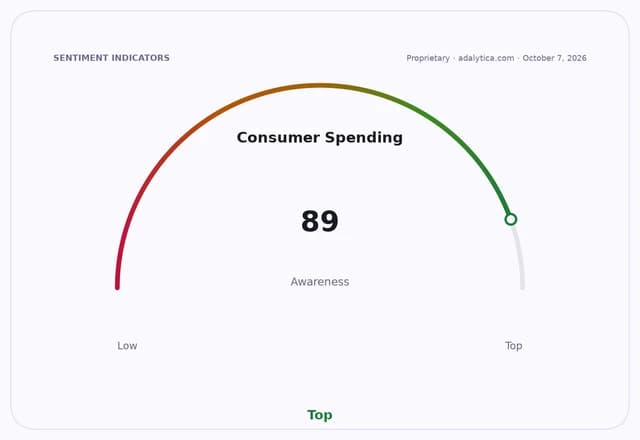
The deal push comes as U.S. consumer spending signals are mixed. Adalytica’s consumer spending sentiment gauge is neutral at 54, while its retail goods spending sentiment sits at 14, deep in “extreme fear,” suggesting households are still cautious even as awareness of retail promotions is elevated. That backdrop makes price cuts and limited-time markdowns more important for retailers competing for discretionary dollars.
Sentiment IndicatorsⓘProprietary · adalytica.com · October 7, 2026
This is a snapshot — live sentiment, awareness and momentum for 130+ markets update continuously in the dashboard.Open AlphaPulse
For investors, the bigger question is not just how many items are discounted, but whether Amazon can translate event traffic into higher basket sizes and more Prime engagement without giving up too much margin. Amazon has repeatedly said demand for its products and services can swing sharply with seasonality and promotions, and the company has been pushing harder on advertising and fulfillment economics to offset retail volatility.
The stock itself has been trying to stabilize after a volatile year. Amazon shares closed at $256.29 on Oct. 6, above both the 50-day moving average of $257.43 and the 200-day moving average of $241.68, while the RSI at 63.7 points to firm momentum after a sharp recovery from the spring selloff. The stock’s next move will likely hinge on whether holiday promotions support growth enough to justify the spending, especially with investors still watching margins, AWS growth and the broader consumer backdrop.
Holiday deal events have become a critical test of Amazon’s ecosystem: sellers gain volume, shoppers gain discounts and Amazon gains traffic, but rivals such as Walmart, Target and other retailers face a sharper fight for wallet share. The next catalyst is the holiday shopping season, when investors will see whether Prime-driven promotions can sustain spending or simply compress pricing across the sector.
| Entity | Gains | Losses |
|---|---|---|
| Amazon shoppers | ▲Lower prices | ▼Full-price purchases |
| Amazon | ▲More traffic and Prime engagement | ▼Retail margins |
| Third-party sellers | ▲Higher order volume | ▼Pricing power |
| Rival retailers | ▲--- | ▼Wallet share and traffic |