Expert eCommerce development is becoming a competitive necessity for merchants on Shopify and Magento as online stores face heavier traffic, more integrations and tighter pressure on speed, security and checkout performance.
Shopify shares fall as eCommerce build demand grows
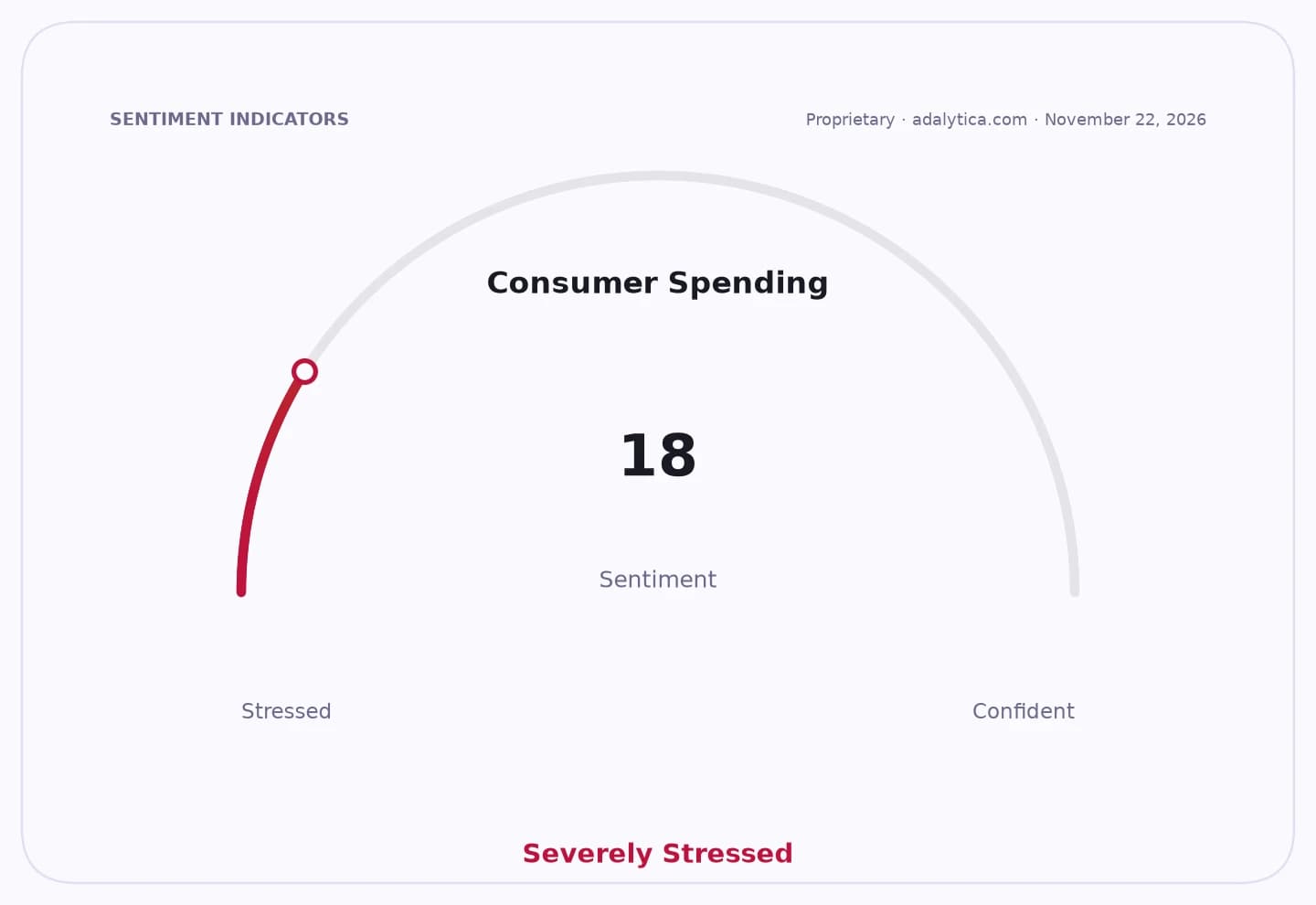
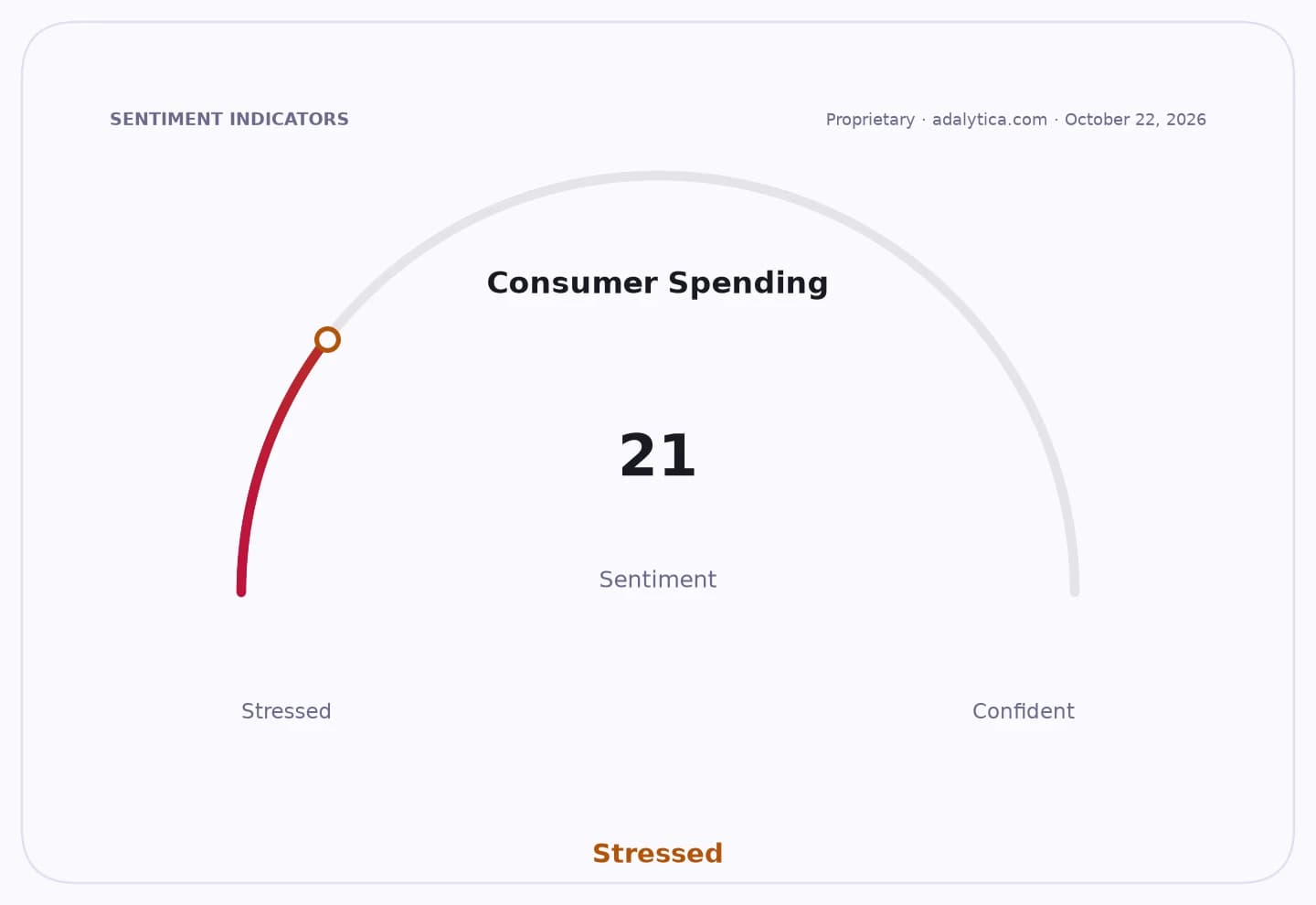
Consumer Spending
The need matters because technical execution increasingly determines whether retailers convert traffic into sales or lose customers to friction. Slow page loads, broken integrations and clunky mobile checkout can erode revenue even when demand is there, while well-built stores can scale product catalogs, manage inventory and support repeat business more efficiently.
Sentiment Indicators
For Shopify, the stakes are especially visible in the stock. Shares have swung sharply in recent weeks, falling to $123.72 on Nov. 20 from $178.14 on Oct. 15, after repeated whipsaws around the 50-day moving average, which sat at $153.26 in the latest reading. The stock’s relative strength index was 29.0, near oversold territory, while MACD remained negative, underscoring how quickly sentiment has cooled after the rally.
That move comes as Shopify’s business continues to lean on merchants that need more than an off-the-shelf storefront. The company said in its latest filing that revenue for the nine months ended Sept. 30 rose 33% to $10.5 billion, with future growth tied in part to expanding the merchant base and localizing features for different geographies. In other words, the platform can keep growing only if merchants can keep building stores that work as they scale.
That is where professional development partners and custom work come in. Magento and Shopify both offer a base layer, but businesses with large catalogs, complex workflows or multiple sales channels often need custom checkout logic, third-party integrations, inventory automation and performance tuning. Without that, stores can become slower and more expensive to maintain just as traffic and transaction volume rise.
The macro backdrop is not helping. Adalytica’s Consumer Spending Sentiment snapshot sits at 18.0, labeled Fear, while Retail Goods Spending Sentiment is just 4.0, or Extreme Fear. Weak consumer mood raises the bar for every conversion, making site reliability and checkout efficiency more valuable than ever for eCommerce operators.
Investors are likely to keep watching whether Shopify’s merchant base can sustain growth without more volatility in the shares, and whether businesses continue shifting budget toward development work that improves conversion rates and operating efficiency. The next catalyst is likely to come from holiday-season demand trends, merchant commentary and any fresh evidence that store optimization is helping retailers defend sales in a weaker spending environment.
| Entity | Gains | Losses |
|---|---|---|
| Shopify merchants using custom development | ▲Better conversion rates, faster stores | ▼Higher build and maintenance costs |
| Magento and Shopify developers | ▲More demand for optimization work | ▼Commodity, off-the-shelf sites |
| Shopify | ▲Merchant retention and platform stickiness | ▼Slow or poorly built stores |
| Consumers | ▲Faster checkout, better mobile experience | ▼Clunky sites and abandoned carts |