Gift spending for Children’s Day in Acre is shaping up to be modest, with most consumers in Rio Branco saying they will cap purchases at R$200, a sign that high borrowing costs and household budget strain are still shaping retail demand.
Acre Children’s Day spending stays below R$200
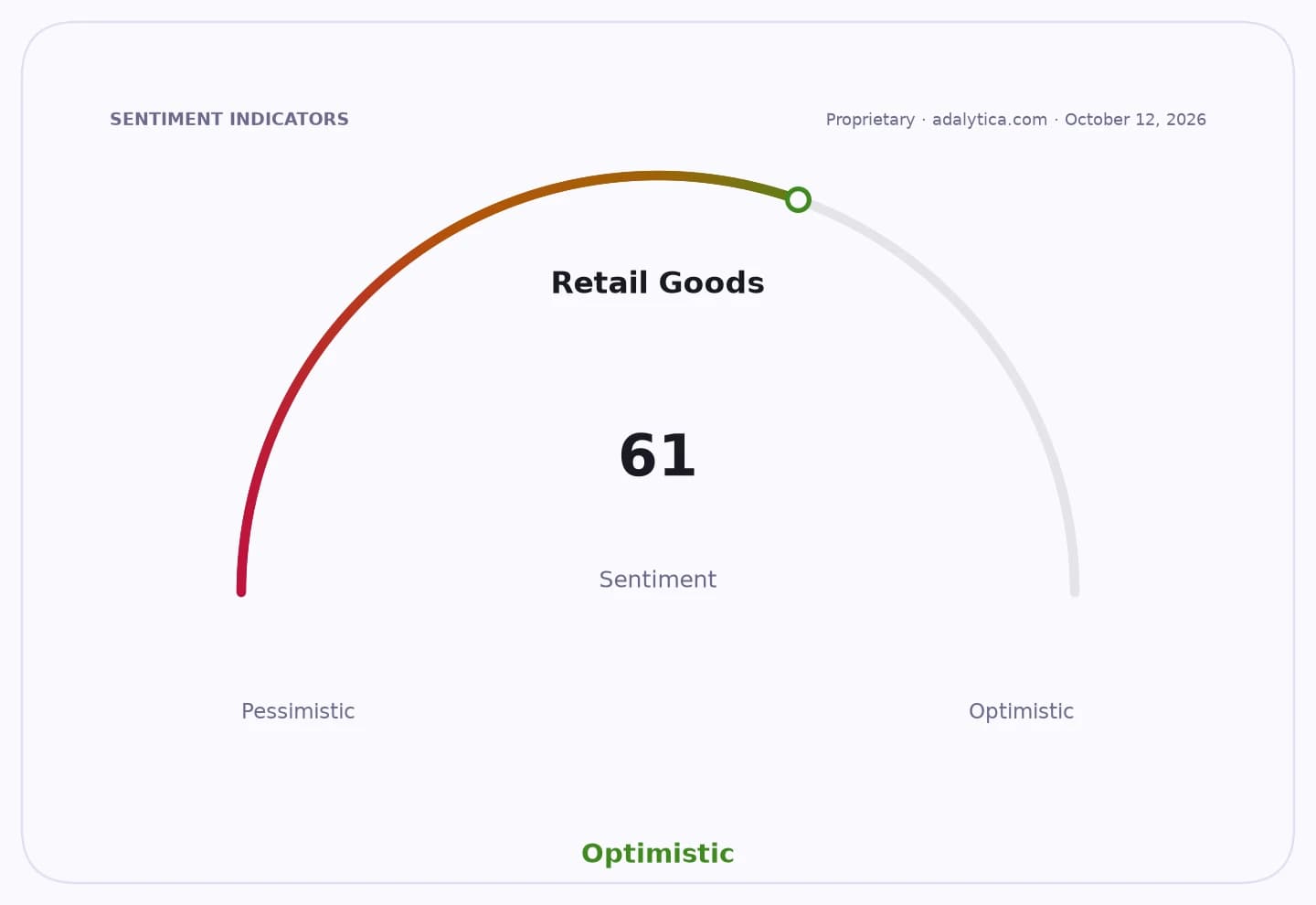
A survey by Fecomércio-AC, based on polls with DataControl and national data from the CNC, found that 63.5% of consumers intend to buy gifts for the holiday, but 83.5% of planned spending falls at or below R$200. The biggest share, 37%, expects to spend between R$51 and R$100, while 33.9% are targeting R$101 to R$200.
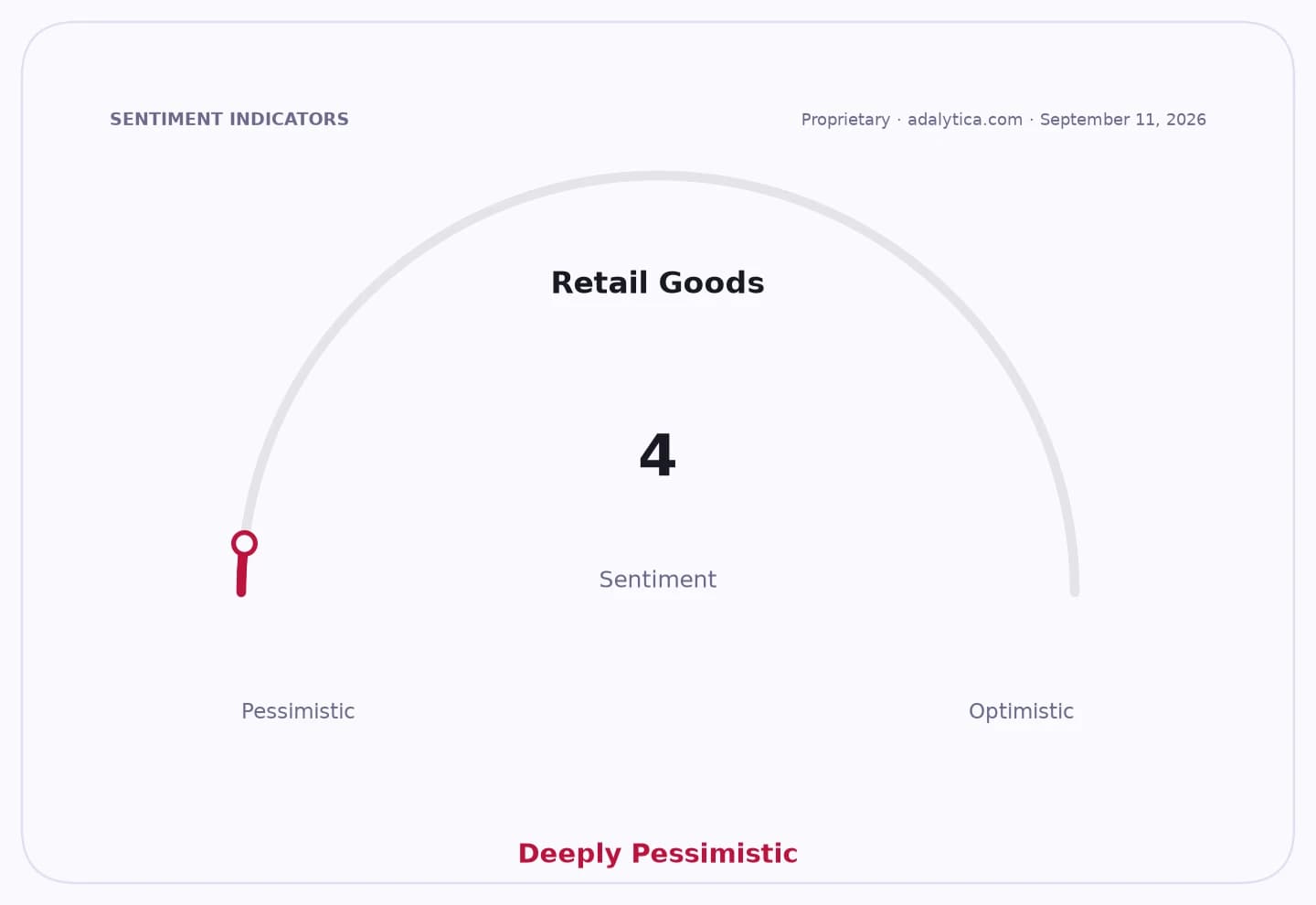
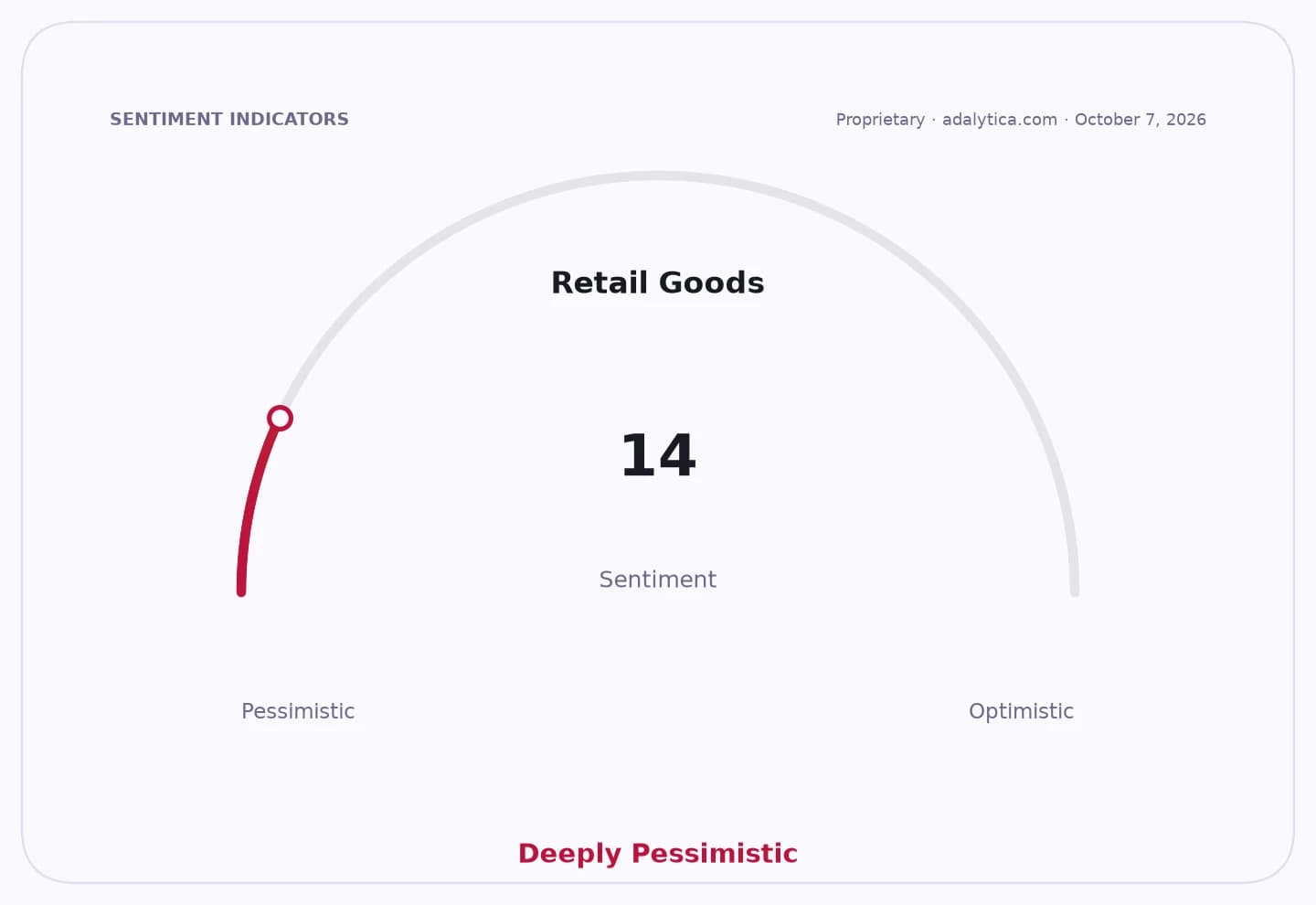
Sentiment IndicatorsⓘProprietary · adalytica.com · October 12, 2026
This is a snapshot — live sentiment, awareness and momentum for 130+ markets update continuously in the dashboard.Open AlphaPulse
The findings matter because Children’s Day is one of the more important dates for Brazilian retail after Mother’s Day and Christmas, and the price ceiling suggests a cautious shopper more focused on preserving cash than chasing bigger-ticket purchases. In a market where consumer credit remains expensive, the data reinforces how interest rates and debt service continue to suppress discretionary spending, especially in lower-income regions.
Merchants appear to be reading that constraint correctly. Among retailers interviewed, 86% said they expect individual sales to stay below R$200. Nearly four in five consumers, or 79.5%, said they plan to pay in cash, while just 20.5% expect to use installments, underscoring how costlier credit is pushing households toward immediate settlement and smaller baskets.
For investors, the message is not that spending disappears, but that it becomes more selective and promotion-driven. Retailers are responding by leaning on social media and marketing campaigns: 43% said they use social networks to reach customers for the holiday, and 36% highlighted product promotion. That favors businesses with strong discounting power, digital reach and efficient inventory control, while weighing on sellers that rely on financing-led sales or higher-margin discretionary items.
The broader read-through is consistent with a consumer sector still under pressure even as some categories stabilize. For consumer-facing companies, the near-term implication is a fight for volume rather than margin, with success depending on price points, fast-turn merchandise and payment flexibility. If credit conditions ease later in the year, spending could improve, but for now Acre’s Children’s Day poll points to a household sector still choosing caution over celebration.
| Entity | Gains | Losses |
|---|---|---|
| Value retailers | ▲Volume from low-ticket gifts | ▼Higher-margin premium sellers |
| Cash buyers | ▲Less debt burden | ▼Installment-dependent households |
| Local merchants with strong social media | ▲Better customer reach | ▼Stores with weak digital presence |
| Consumer lenders | ▲Lower installment demand | ▼Retailers relying on financed sales |