Amazon’s Prime offer event is turning into a broad price offensive, with 40 products across tech, home and personal care hitting all-time lows as the company leans on deep discounts to drive traffic and convert cost-conscious households.
Amazon Prime Day discounts hit record lows
That matters because Prime Day has evolved from a shopping promotion into a demand test for the wider consumer economy. When Amazon pushes prices to record lows on everything from Fire TV sticks and Echo devices to cookware, vacuum cleaners and detergent, it is not just clearing inventory. It is trying to pull forward spending from households that still want value, even as discretionary demand remains uneven.
Sentiment IndicatorsⓘProprietary · adalytica.com · October 7, 2026
This is a snapshot — live sentiment, awareness and momentum for 130+ markets update continuously in the dashboard.Open AlphaPulse
The mix of products points to the categories where Amazon sees the strongest response to price cuts: household essentials, small appliances, smart-home devices and personal grooming items. Those are the items most likely to benefit from urgency and repeat buying, while also reinforcing Prime’s role as a subscription moat. The event also highlights how Amazon uses its scale to pressure competitors across retail, from big-box chains to specialist consumer-electronics sellers, by pairing discounts with fast delivery and membership incentives.
Investor focus has been on whether Amazon can keep shopper engagement high without sacrificing margin. The stock has remained volatile, with recent trading showing it above both its 50-day and 200-day moving averages, but with momentum easing after a strong summer run. Conventional technical indicators such as RSI and MACD have also swung sharply in recent months, underscoring how sensitive the shares remain to signals on consumer demand, advertising, and operating discipline.
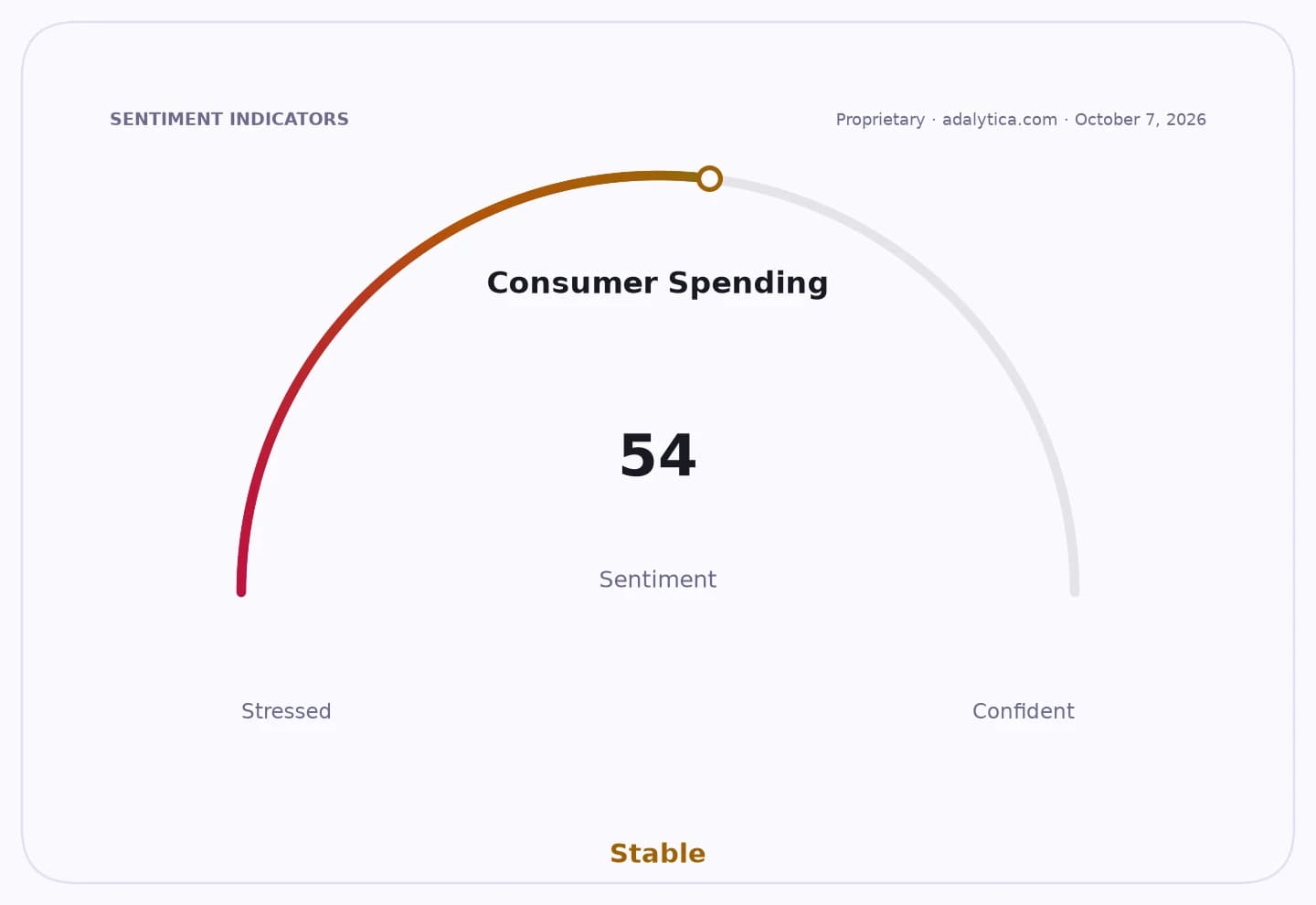
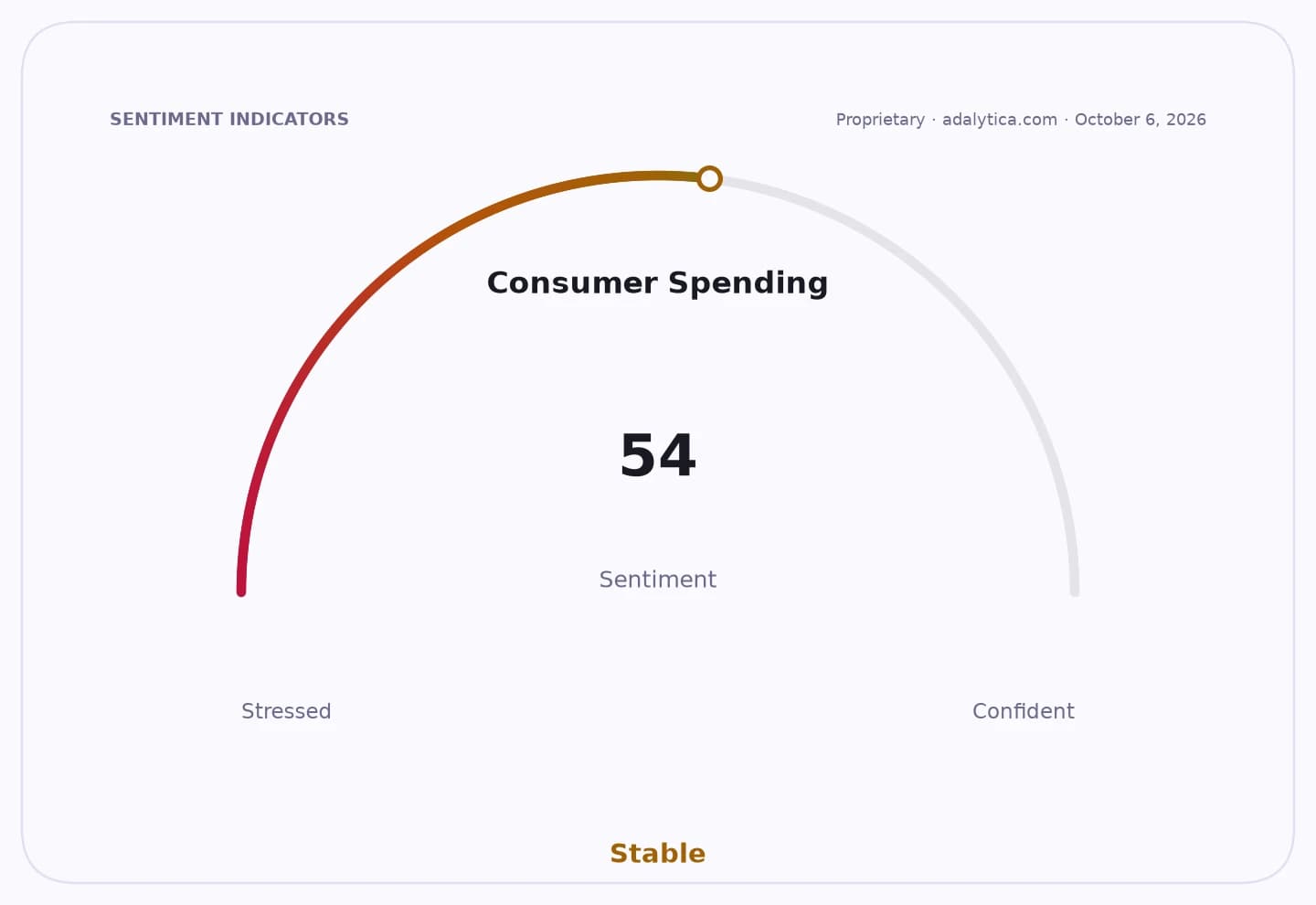
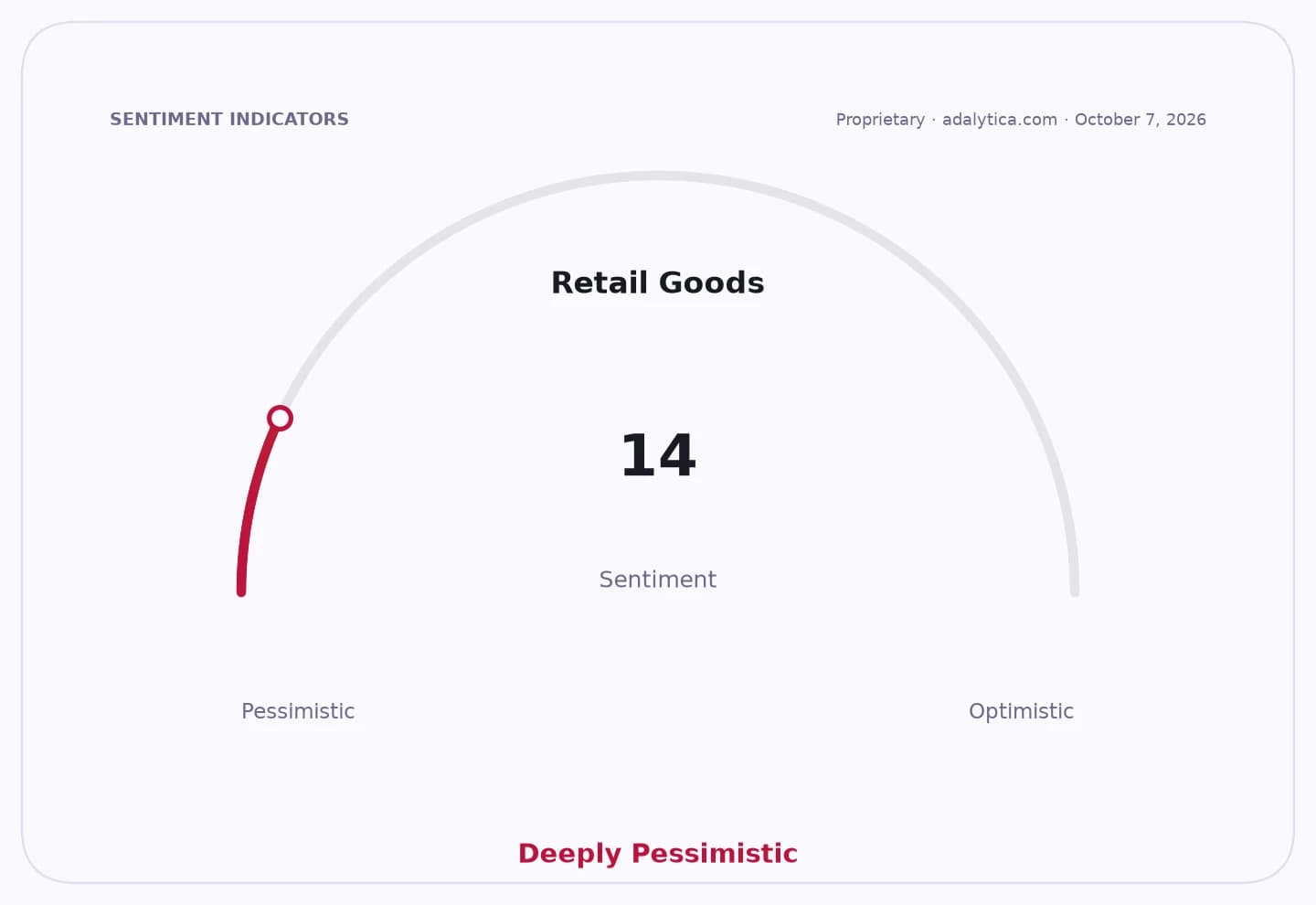
The macro backdrop is mixed. Adalytica’s Consumer Spending sentiment is neutral, while retail-goods spending sentiment sits in extreme fear, suggesting households are selective even if they are still buying. That supports Amazon’s playbook: win share by making the event feel like a destination for necessities and high-interest gadgets, rather than a pure clearance sale. The fact that discounts are landing on branded products from Philips, Dyson, Samsung, WMF and Roborock also shows manufacturers are willing to participate to defend volume and visibility.
For investors, the key question is whether these promotions create incremental demand or simply shift purchases earlier. The bull case is that Prime Day drives new customer acquisition, higher order frequency and stronger Prime loyalty, while helping Amazon’s marketplace and advertising businesses. The bear case is that increasingly aggressive markdowns train shoppers to wait for promotions, putting pressure on gross margins and making growth more dependent on events rather than steady demand.
What happens next will be watched closely in Amazon’s retail results and in broader read-throughs for consumer spending. If the company can sustain traffic and basket sizes without a meaningful margin hit, the event will reinforce Amazon’s pricing power and ecosystem strength. If not, the record-low offers may look less like a growth catalyst and more like a sign that retailers still need heavy discounting to keep households engaged.
| Entity | Gains | Losses |
|---|---|---|
| Amazon | ▲Traffic and Prime engagement | ▼Margin discipline |
| Prime members | ▲Record-low prices | ▼FOMO-driven impulse buys |
| Brands on sale | ▲Inventory turnover | ▼Pricing power |
| Rival retailers | ▲None | ▼Share and pricing pressure |