Consumers are starting to trim everyday spending before the holiday season, a shift that matters because even small cutbacks across millions of households can free up cash for gifts while cooling demand for convenience services, coffee chains and digital subscriptions.
US Consumers Trim Spending Before Holiday Season
The core narrative is not that Americans are suddenly becoming frugal. It is that inflation-weary households are making selective trade-offs ahead of year-end spending, cutting low-priority recurring expenses to preserve room for holiday purchases. That behavior is showing up in the categories people can most easily defer: streaming subscriptions, food delivery, gym memberships, app fees and impulse shopping. PwC says eight in 10 consumers plan to use a budgeting strategy this holiday season, underscoring how normalized pre-holiday cost control has become.
Sentiment IndicatorsⓘProprietary · adalytica.com · September 11, 2026
This is a snapshot — live sentiment, awareness and momentum for 130+ markets update continuously in the dashboard.Open AlphaPulse
The savings are not trivial. A household that drops a $35 weekly delivery order for eight weeks keeps $280. Canceling a $40 gym membership for three months frees $120. Even small habits add up quickly: a $6 weekday coffee habit runs to about $120 over four weeks, while three forgotten $5 app subscriptions cost $15 a month. The article’s underlying point is that households do not need to eliminate discretionary spending entirely to make a meaningful dent in holiday budgets.
That has implications for the consumer economy. The spending cuts described here are aimed at convenience and impulse purchases, not essentials, which means they are likely to hit margin-rich businesses first. Subscription services, food-delivery platforms, convenience retailers and coffee chains are all exposed to a consumer who is increasingly willing to pause, downgrade or substitute. At the same time, the shift may support big-box and online retailers if redirected dollars move toward planned gifts and promotional holiday purchases.
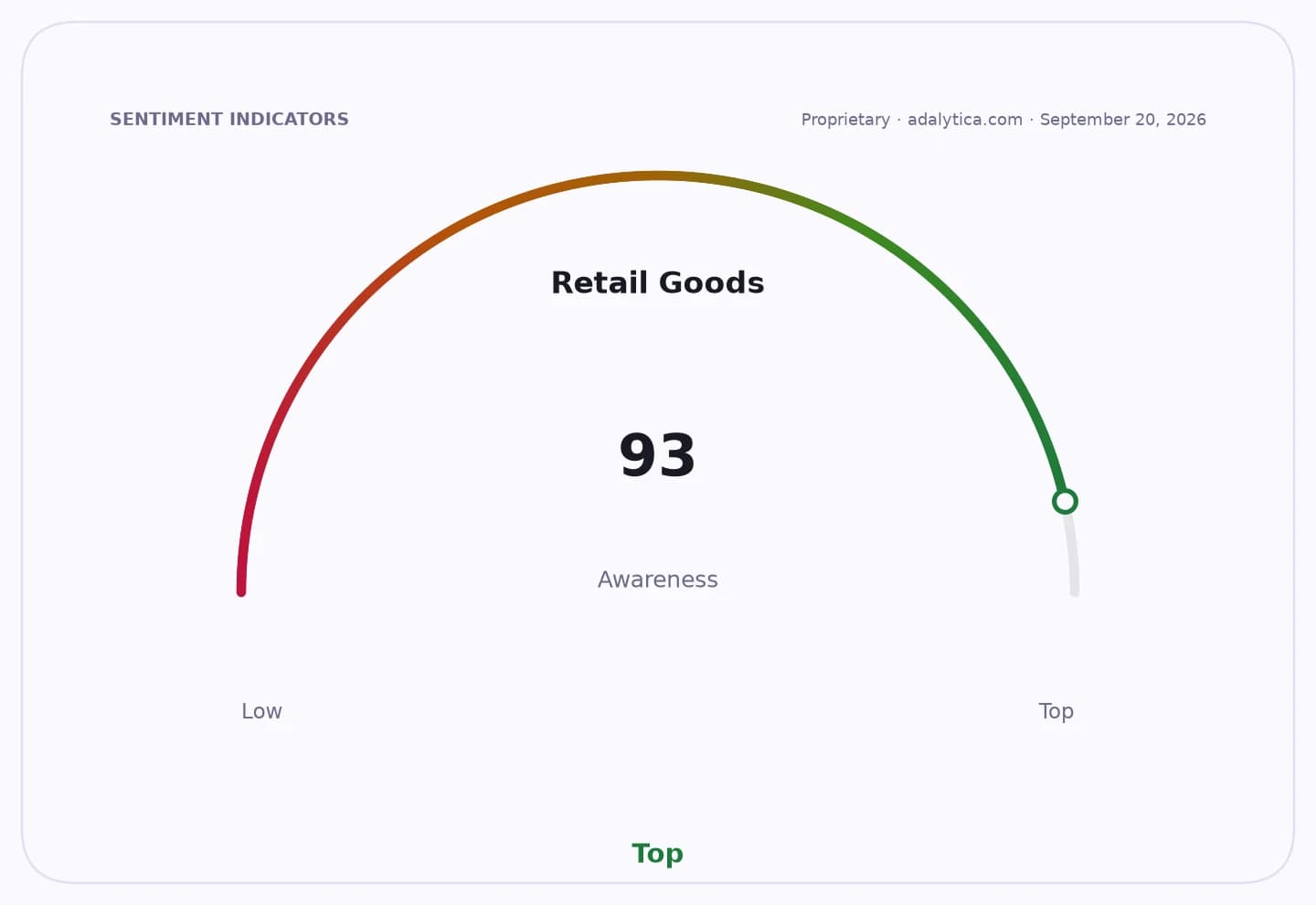
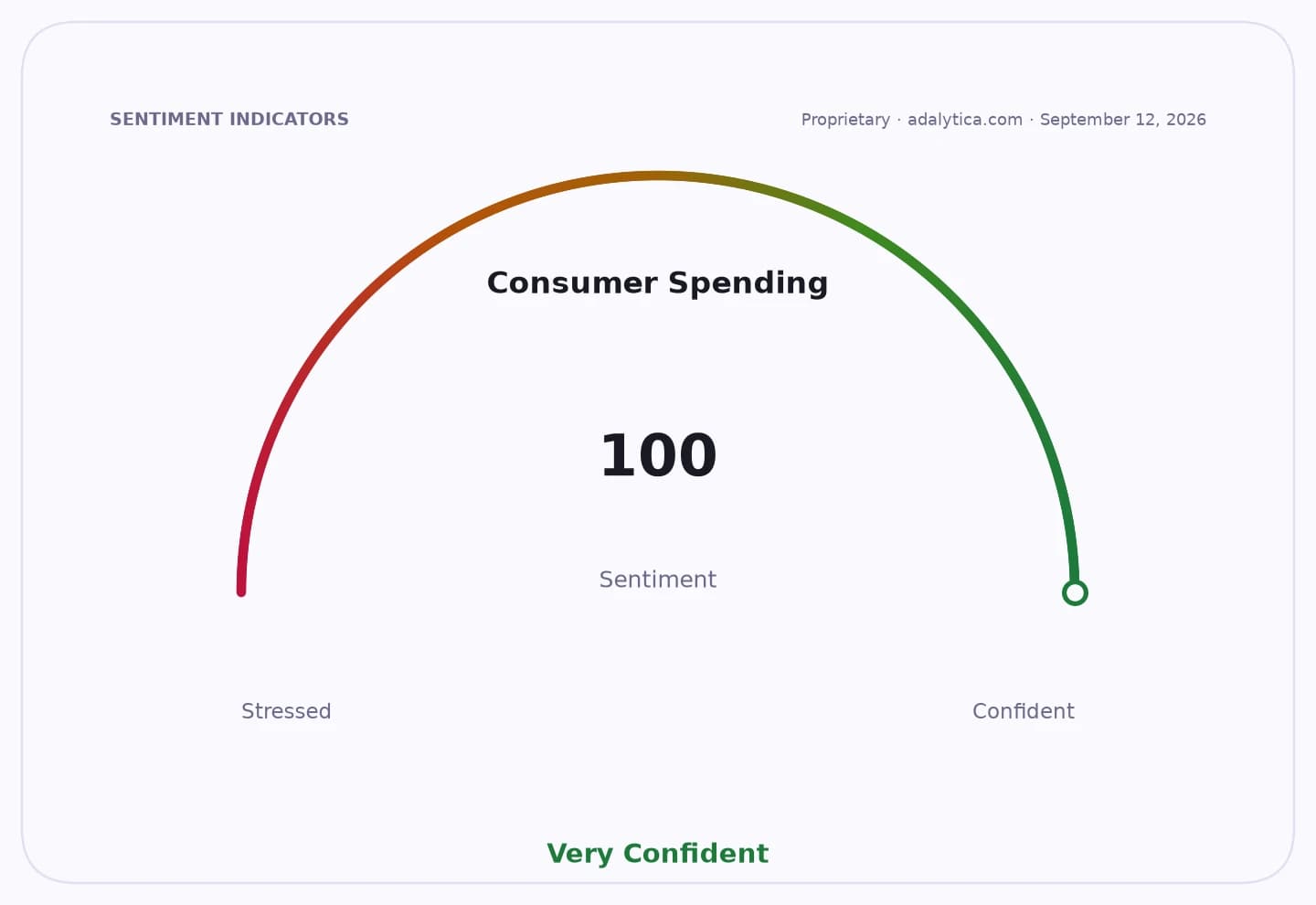
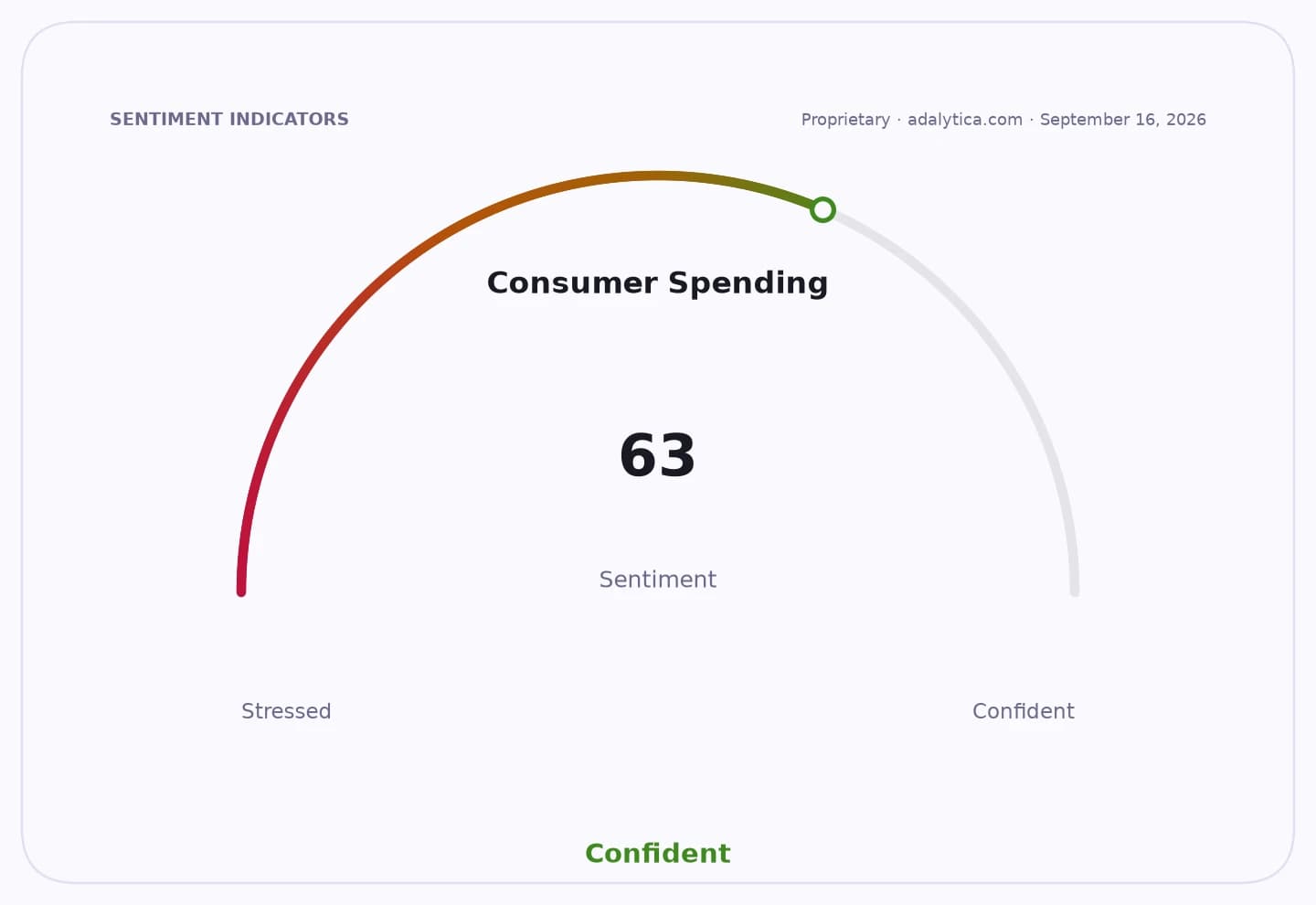
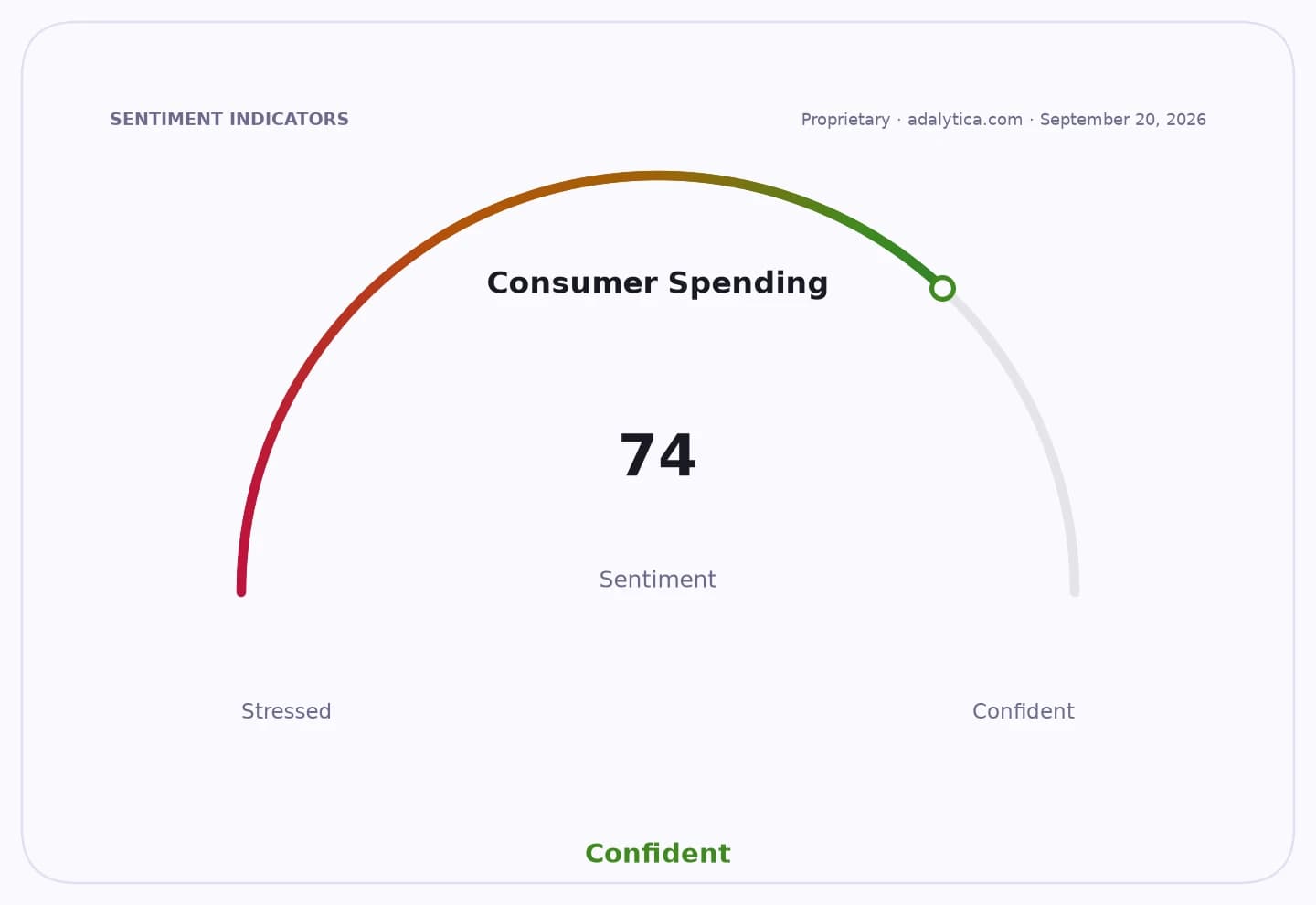
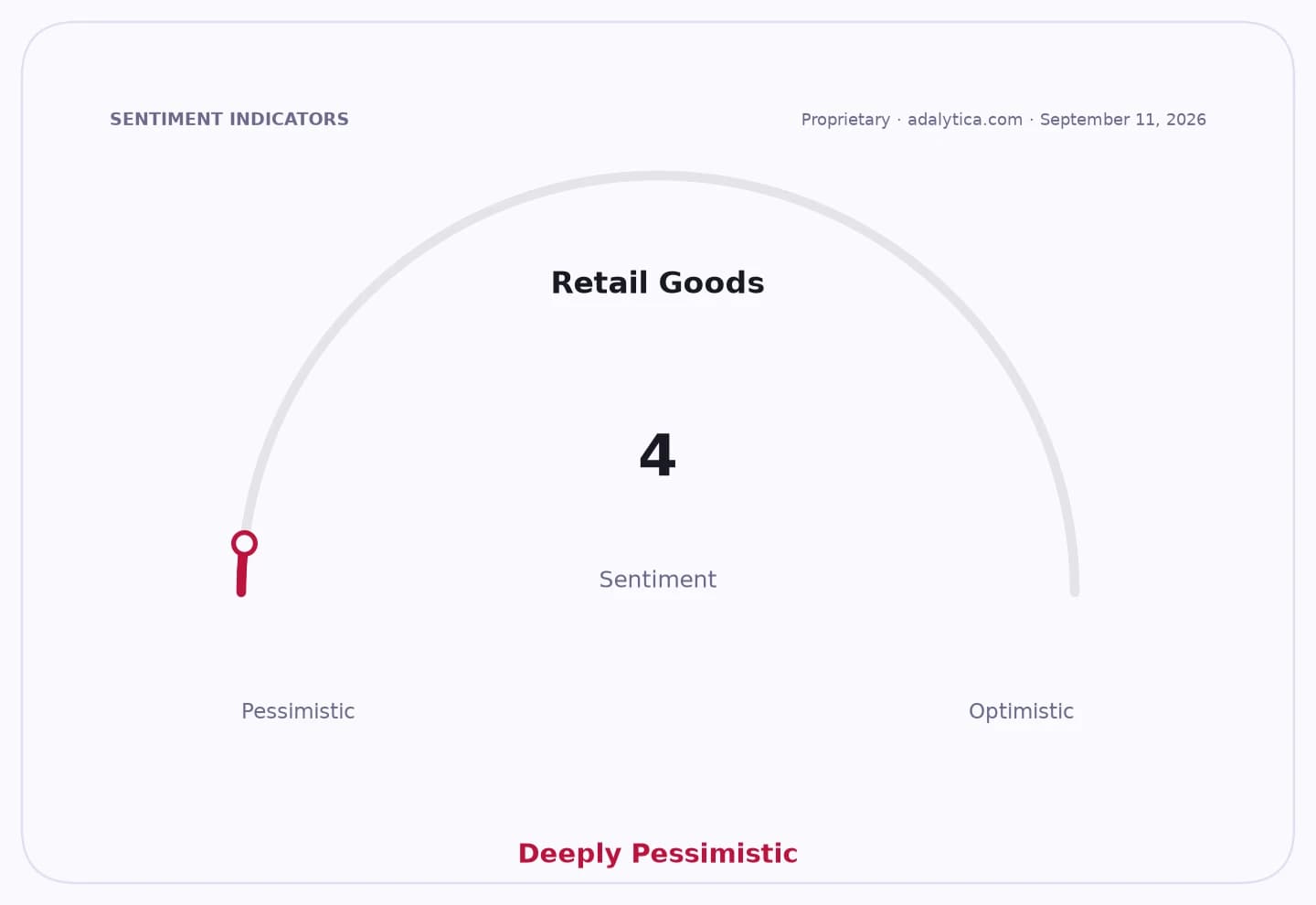
Market data points to the same split. Adalytica’s Consumer Spending Sentiment gauge is at an “Extreme Greed” reading of 100, suggesting households are still willing to spend, while its Retail Goods Spending Sentiment is in “Extreme Fear” at 4, implying caution around discretionary goods. Consumer confidence tied to recession fears is still in the fear zone at 26. In other words, consumers are not abandoning spending; they are becoming more deliberate about where it goes.
That matters for investors because it changes which consumer names are most vulnerable in the holiday period. Starbucks has already seen its shares slip to $99.22 from $107.75 in mid-July, while McDonald’s fell to $253.05 from $302.23 in late October, reflecting a broader reassessment of demand and margin durability in consumer-facing names. Amazon has also eased to $251.89 from an August peak of $284.02, even as holiday shopping volumes remain central to its revenue outlook. The 50-day moving averages for McDonald’s, Starbucks and Amazon remain above current prices, a sign of softer near-term technical momentum as spending patterns turn more selective.
The bull case is that these cutbacks are temporary and tactical, not a sign of a collapse in consumer demand. Households may cut recurring costs precisely so they can spend more freely later on travel, gifts and seasonal experiences. The bear case is that the same restraint extends into holiday baskets, forcing retailers and consumer brands to compete harder on price and promotions.
What to watch next is whether these micro-savings show up in better holiday sales for discount-led retailers and marketplaces, or in weaker traffic for convenience, delivery and subscription businesses. If consumers keep carving out room in budgets this way, the holiday season may be less about outright spending strength and more about a sharper reallocation of the same dollars.
| Entity | Gains | Losses |
|---|---|---|
| Households | ▲more holiday cash | ▼less convenience spending |
| Discount retailers | ▲more planned spending | ▼pressure from promotions |
| Starbucks and food delivery firms | ▲— | ▼lower discretionary traffic |
| Amazon | ▲holiday gift demand | ▼impulse and recurring spend softness |