Macy’s said demand held up better than expected in the latest quarter, beating earnings estimates and raising its outlook as the department-store chain benefited from steadier consumer spending than many investors had feared.
Macy’s Beats Estimates and Raises Outlook
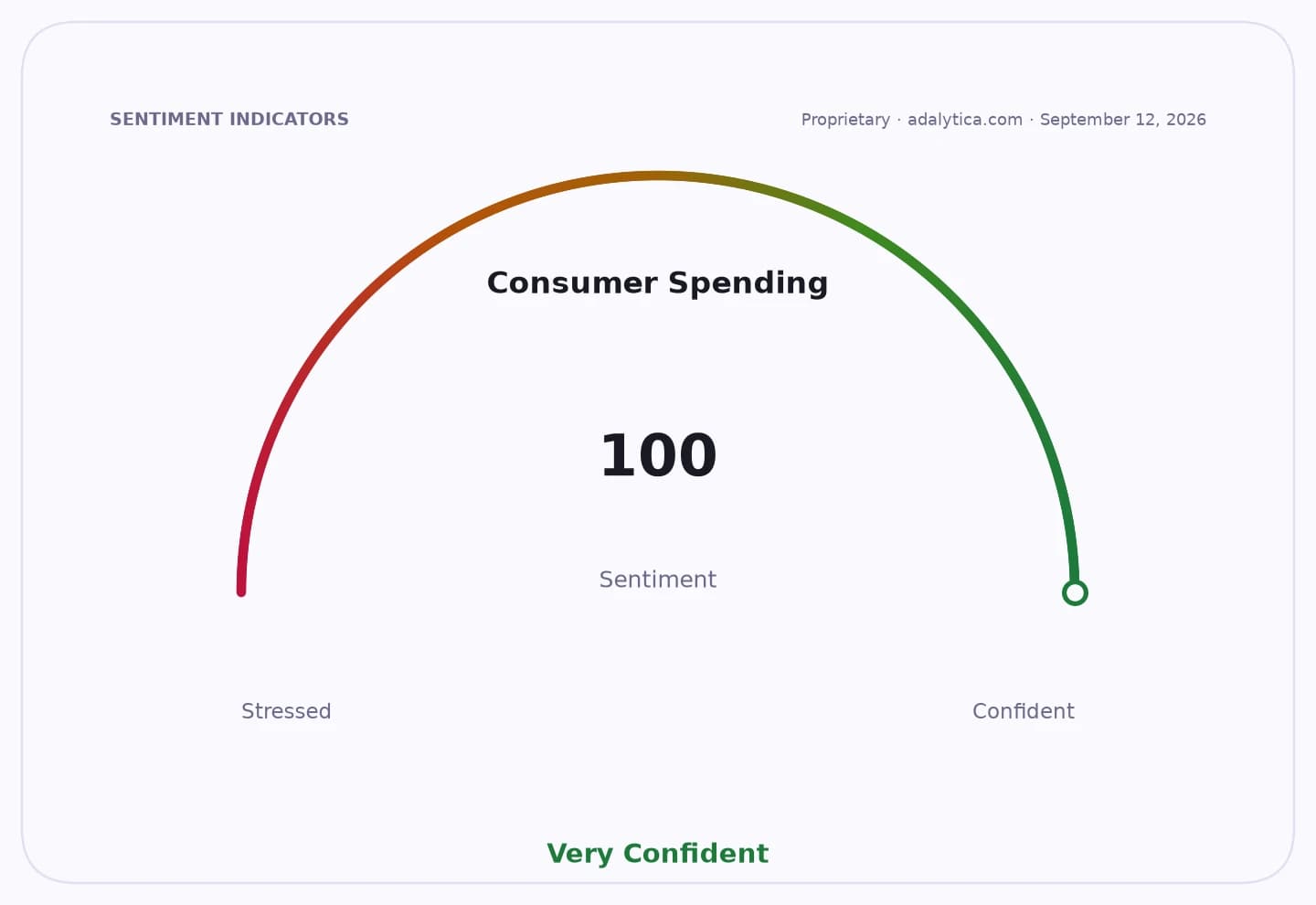
The update matters because Macy’s has been one of the clearest read-throughs on the U.S. discretionary shopper. When a legacy retailer with broad exposure to apparel, home goods and seasonal merchandise can still beat profit expectations and tighten its guidance higher, it suggests consumers are not pulling back as sharply as recession-watchers have been expecting.
Sentiment IndicatorsⓘProprietary · adalytica.com · September 12, 2026
This is a snapshot — live sentiment, awareness and momentum for 130+ markets update continuously in the dashboard.Open AlphaPulse
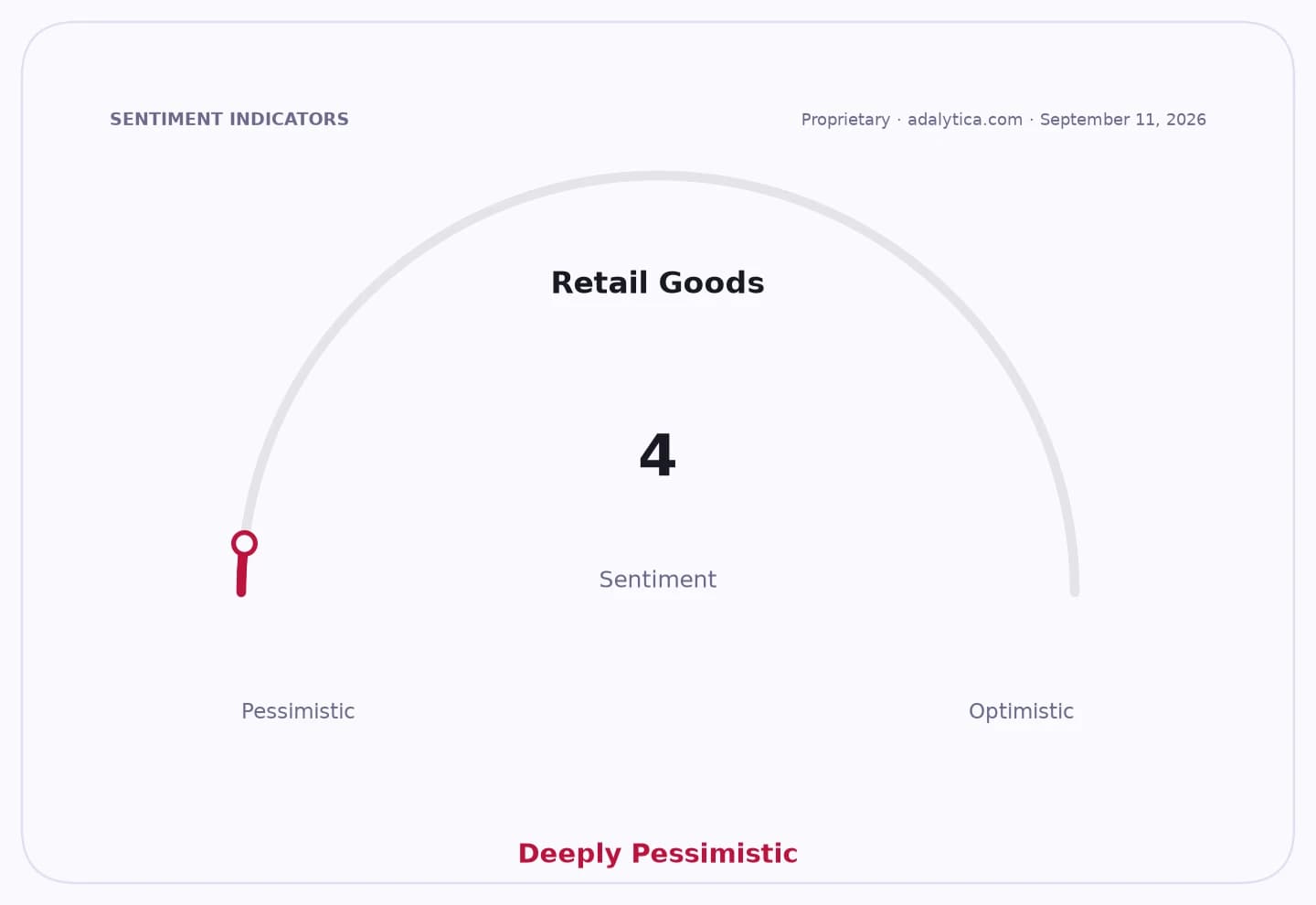
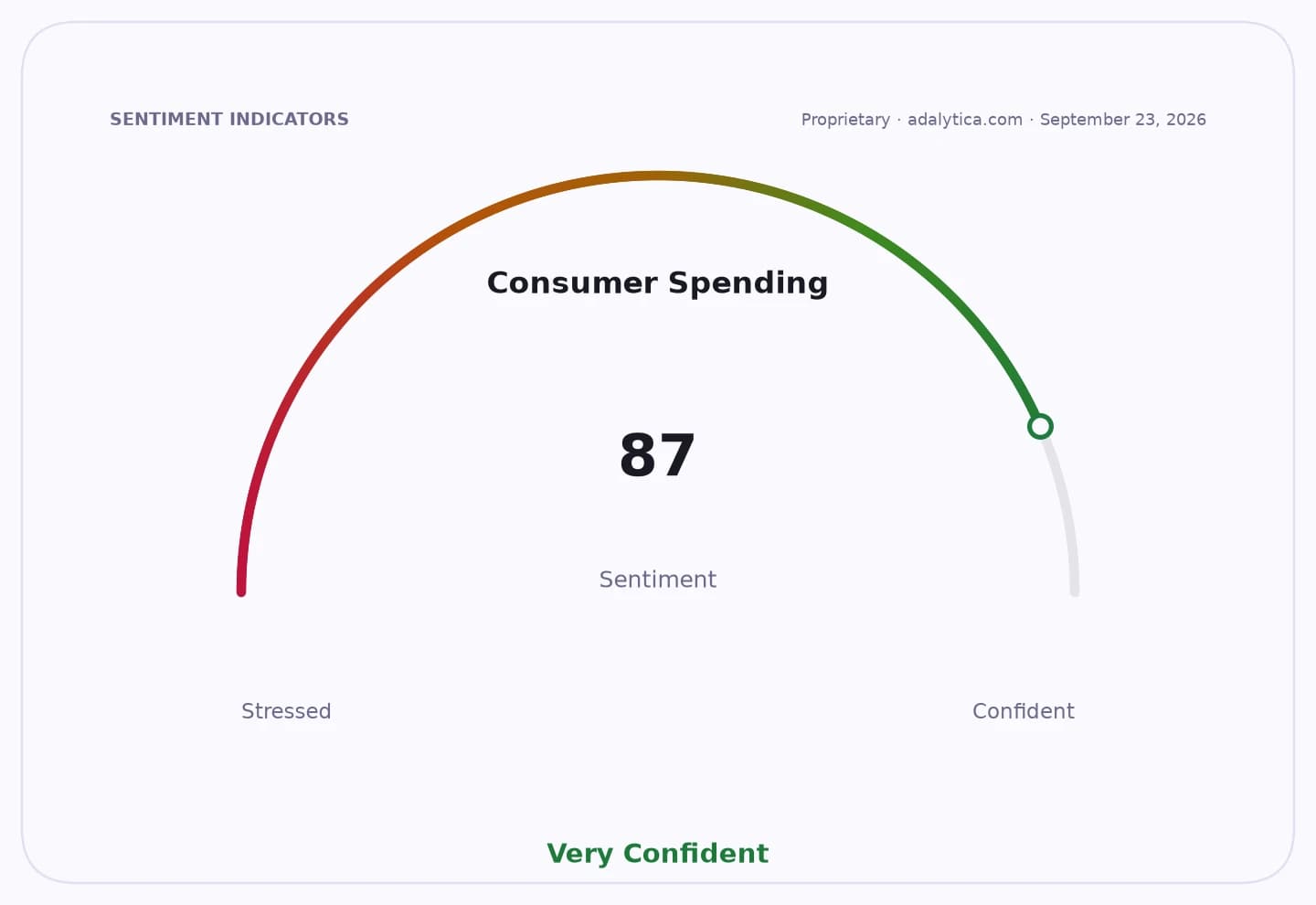
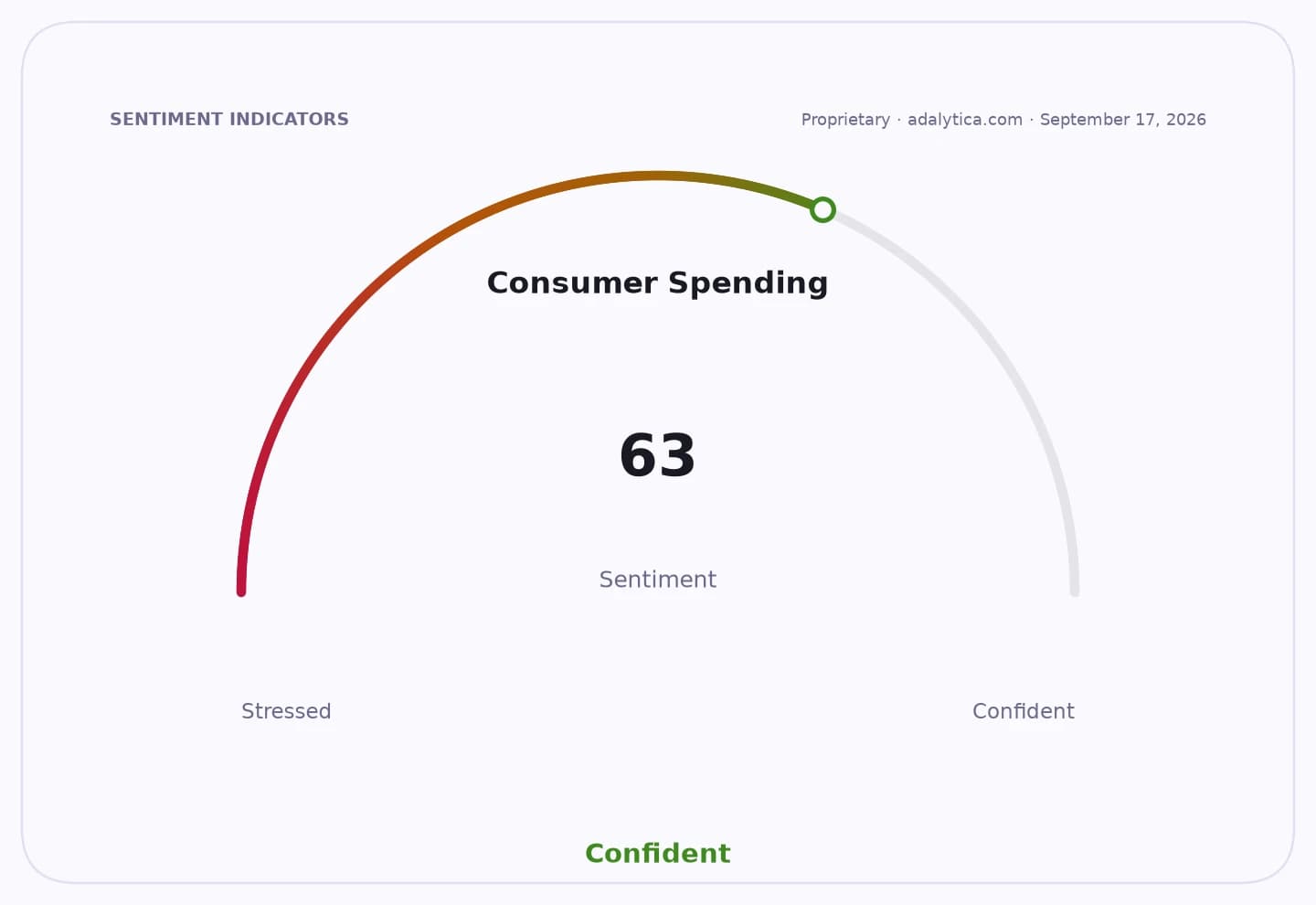
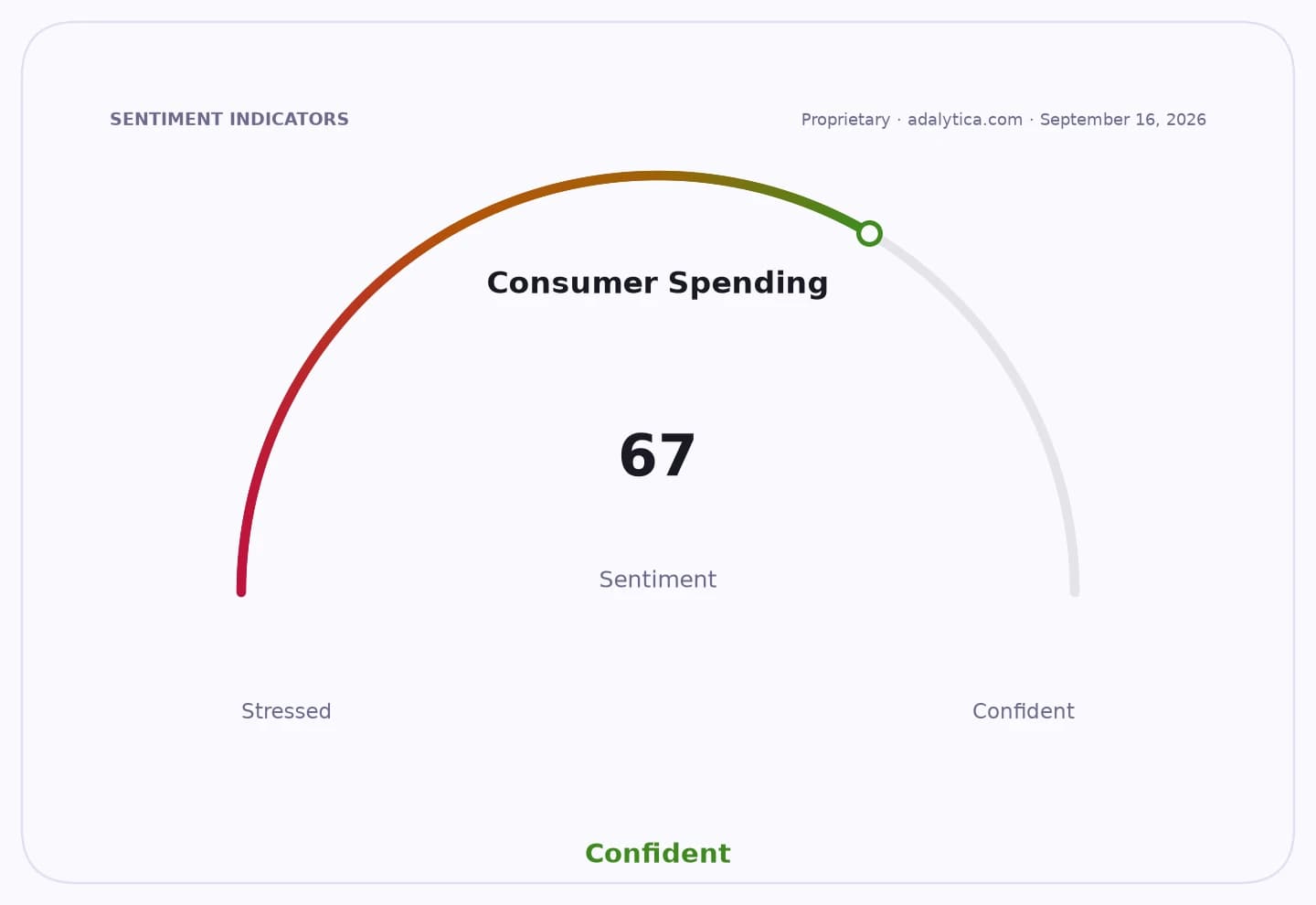
That backdrop is especially relevant for investors trying to gauge the health of the lower- to middle-income consumer heading into the holiday season. Adalytica’s Consumer Spending Sentiment snapshot shows “Extreme Greed” at 100, even as its Retail Goods Spending gauge sits in “Extreme Fear,” underscoring the mixed picture: households may still be willing to spend, but retailers remain cautious about the durability of that demand.
Macy’s shares have been volatile in recent months, falling to $17.94 in March before rebounding above $24 in July. The stock closed at $22.08 in the latest trading data, with its 50-day moving average at $23.48 and the 200-day moving average at $21.39, suggesting investors are still weighing whether the recent bounce in the shares has room to run after the earnings beat.
The stronger guidance also arrives at a time when broader consumer confidence remains fragile. Adalytica’s recession-related confidence gauge is in “Fear” at 30, which makes Macy’s results more meaningful for the sector: if spending stays resilient, department stores and apparel chains could see less margin pressure from markdowns and inventory adjustments than many had built into forecasts.
For investors, the key question now is whether Macy’s can sustain full-price selling and traffic into the critical holiday quarter. The next test will be whether the company can keep execution tight enough to defend margins while demand remains steady, or whether a softer consumer mood finally catches up with the retailer.
| Entity | Gains | Losses |
|---|---|---|
| Macy’s | ▲Higher profits, raised guidance | ▼Bearish short sellers |
| Consumers | ▲Continued access to goods | ▼Less room for deep discounting |
| Department stores | ▲Improved demand read-through | ▼Weak-demand narratives |
| Macy’s competitors | ▲— | ▼Pressure to match performance |