Best Buy shares have climbed sharply in recent months, but the move now faces a simple question for investors: can consumer electronics demand keep outpacing a still-cautious U.S. consumer and a heavyweight retail backdrop led by Amazon and Walmart?
Best Buy Stock Rises as Retail Demand Hold
The answer matters because Best Buy’s business is unusually sensitive to big-ticket discretionary spending, product refresh cycles and competition from e-commerce and mass merchants. The stock’s advance has been driven by a recovery in momentum rather than a clean break from sector pressure, and the latest trading pattern suggests the market is testing whether that rebound is sustainable.
Best Buy closed at $91.00 on Sept. 24, down from $94.56 a week earlier but still well above its 50-day moving average of $86.21 and more than 30% above its 200-day average of $70.70. The shares have recovered from early-year weakness, when they traded as low as $66.21, and the move higher reflects renewed confidence that the retailer can defend margins even as online and general-merchandise rivals continue to press on price and convenience.
Technical indicators also show the stock remains in an extended but less overheated phase than earlier in the summer. The relative strength index was 61.0 on the latest reading, down from 76.3 three days earlier, while MACD remained positive at 2.212, pointing to underlying trend support even after the recent pullback. That keeps the setup constructive, though not without risk of further consolidation after a sharp run from the spring lows.
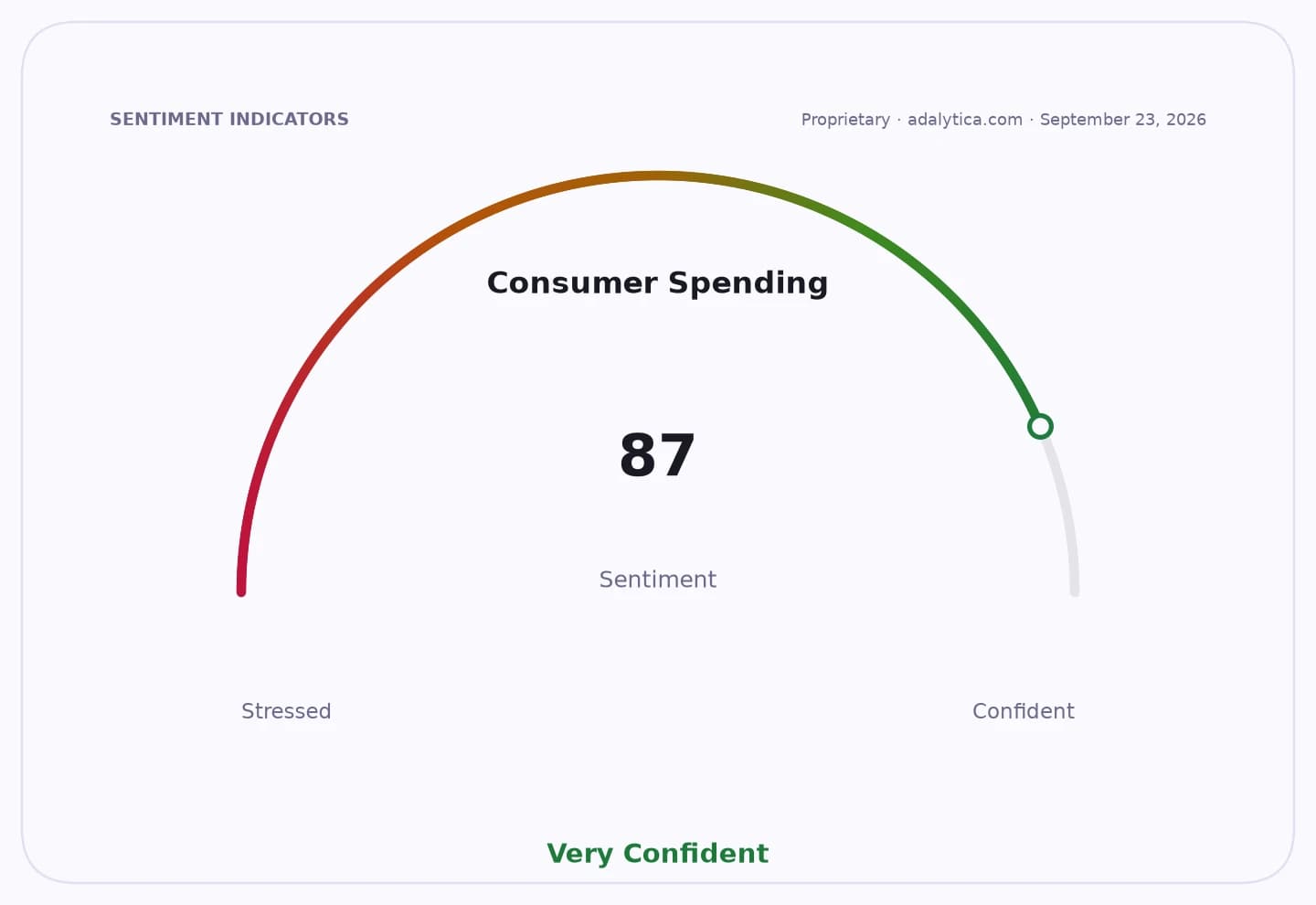
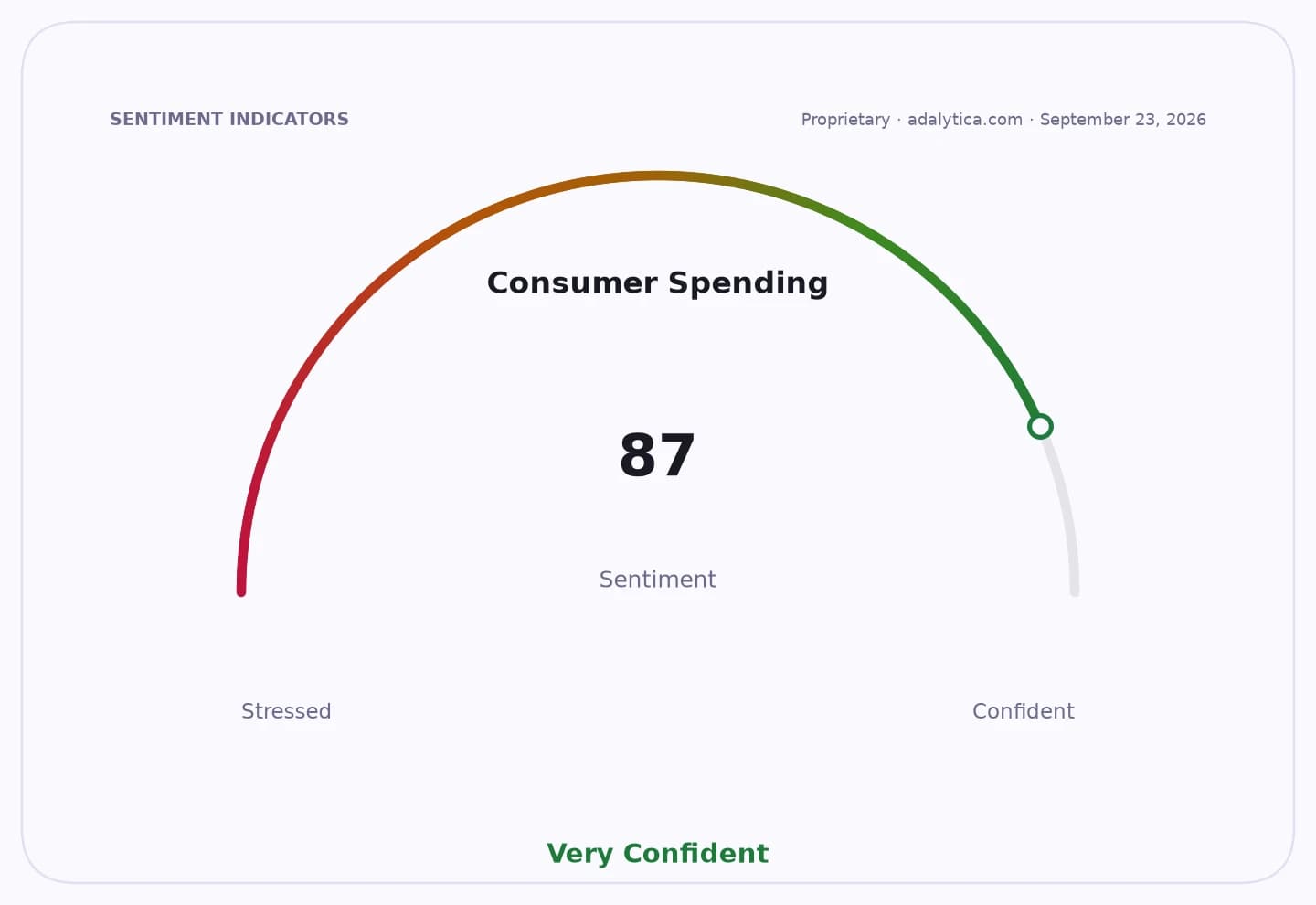
Fundamentally, the narrative around Best Buy is linked to whether households are still willing to spend on computing, mobile phones, home theater and appliances — categories that have been doing the heavy lifting in comparable sales. That is important economically because consumer electronics tends to be one of the first discretionary purchases to soften when budgets tighten, making Best Buy a useful barometer for the health of middle-income spending. Stronger sales in these categories would imply the consumer is still replacing devices and upgrading homes despite inflation fatigue and uneven labor-market conditions.
The stock is also being read against the broader retail complex. Walmart’s shares were at $107.59 on Sept. 24, below the 200-day average of $118.13 after a volatile year, while Amazon traded at $249.38, also below its 50-day average of $256.18. That mix suggests investors are still discriminating between retailers with defensive grocery exposure, platform scale and discretionary leverage. Best Buy sits squarely in the middle: more cyclical than Walmart, less insulated than Amazon, but potentially more leveraged to any rebound in appliance, laptop and entertainment spending.
The bull case is that Best Buy’s category mix can keep benefiting from replacement demand, AI-related PC upgrades and stronger home improvement-related electronics spending, while its store network and services model help it retain customers. The bear case is that the recent share gains have already priced in much of that recovery, leaving the stock vulnerable if promotions intensify or if shoppers trade down to cheaper channels and online rivals.
For investors, the key issue is not just whether Best Buy can keep selling products, but whether it can do so without surrendering pricing power. If the latest sales momentum persists into the holiday period, the stock could justify its premium to the spring lows. If it does not, the recent rally may prove to be another cyclical bounce in a category still exposed to consumer caution and brutal competition.
| Entity | Gains | Losses |
|---|---|---|
| Best Buy | ▲Sales recovery narrative | ▼Margin pressure if demand softens |
| Consumers | ▲More promo-driven choice | ▼Higher prices if supply tightens |
| Amazon | ▲Online share gains | ▼Less pricing power in electronics |
| Walmart | ▲Defensive traffic from essentials | ▼Discretionary electronics upside |