Indonesian consumers are making a clear demand signal: personalization is no longer a nice-to-have, it is becoming a basic expectation, and companies that can tailor services are better placed to win loyalty and repeat business.
Bluebird Group Pushes Personalized Services in Indonesia
A study cited in the material shows 84% of Indonesian consumers prefer personalized offers, while 65% want those offers delivered through mobile apps. That matters because it points to a broader shift in how people shop, book, and interact with brands: the app is no longer just a payment tool, it is the front door to the customer relationship.
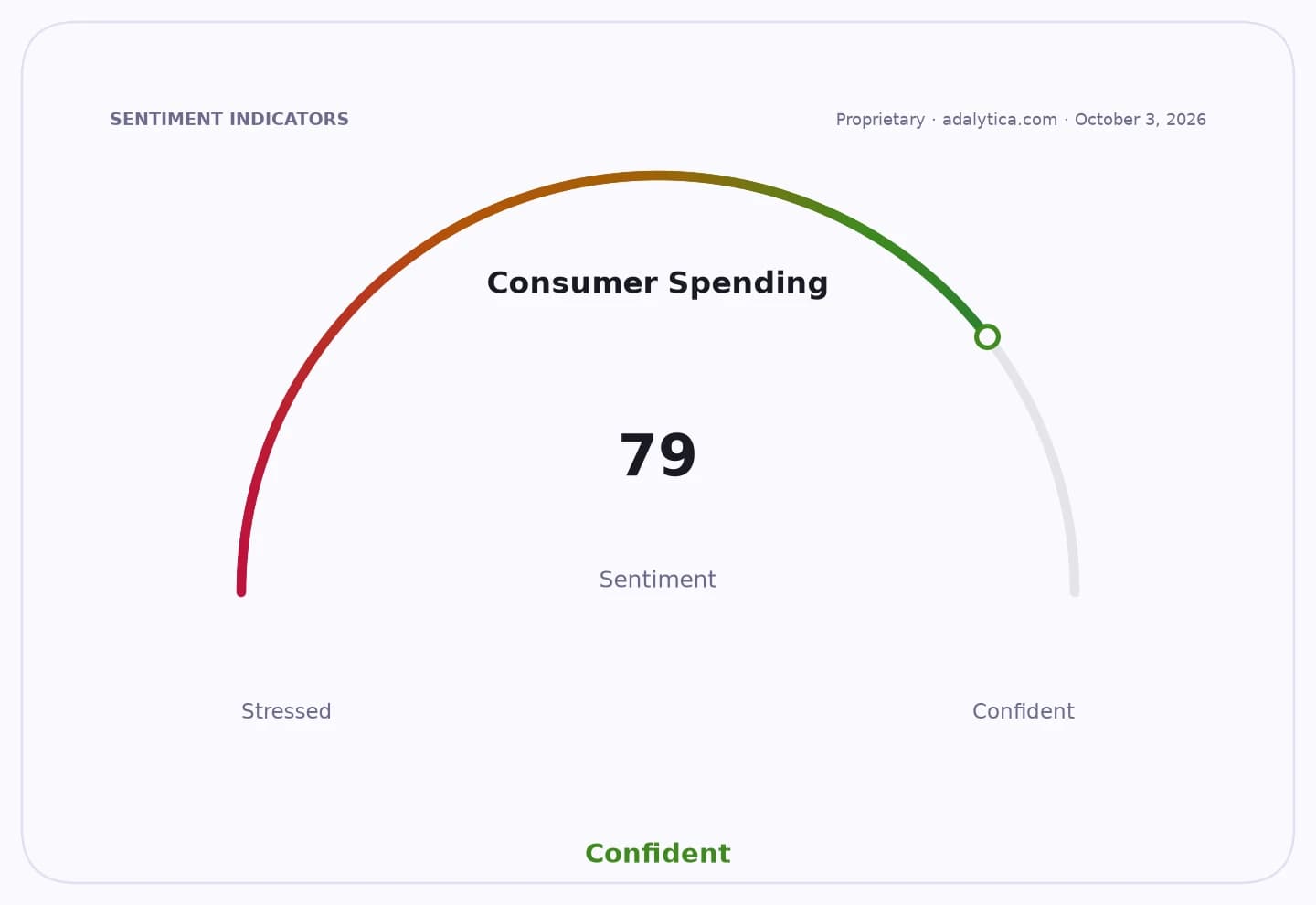
Sentiment IndicatorsⓘProprietary · adalytica.com · October 3, 2026
This is a snapshot — live sentiment, awareness and momentum for 130+ markets update continuously in the dashboard.Open AlphaPulse
For investors, that is an important long-term theme. In markets where consumer attention is fragmented and switching costs are low, the winners are increasingly the businesses that can use data, digital platforms, and product breadth to make each interaction feel relevant. Personalization tends to lift engagement, support retention, and improve conversion rates, which can ultimately strengthen revenue quality rather than just drive one-off transactions.
That is why the trend is especially relevant for consumer-facing platforms and mobility businesses. Bluebird Group is leaning into it through MyBluebird and its “MyBluebird, My Way” campaign, a push to give customers more control over how they book and use services. The company’s move is not just a marketing exercise. It reflects a longer-term attempt to turn a taxi brand into a broader mobility platform that can serve different customer needs, from rides to rentals to delivery.
The economic logic is straightforward. As more everyday activity moves onto smartphones, businesses that can bundle services and personalize the user experience may capture more of the consumer wallet. That is particularly true in Indonesia, where digital adoption keeps rising and consumers appear increasingly willing to reward convenience that feels tailored to their routines.
Still, the real test will be execution. Personalization only creates value if it is accurate, easy to use, and broad enough to matter across repeat purchases. Companies that overpromise or fail to make the experience seamless risk adding complexity instead of loyalty. But for businesses that get it right, the payoff can be durable: stronger customer stickiness, better monetization, and a more defensible position in a crowded market.
For long-term investors, the takeaway is simple. Personalization is becoming part of the competitive moat in consumer internet, mobility, and retail. Bluebird’s response is worth watching, and the broader shift should remain on the radar of anyone looking for businesses that can compound by knowing their customers better.
| Entity | Gains | Losses |
|---|---|---|
| Bluebird Group | ▲Higher loyalty | ▼Commoditized rivals |
| Indonesian consumers | ▲More relevant offers | ▼One-size-fits-all services |
| Digital platforms | ▲Better engagement | ▼Low-switching traditional models |
| Investors in personalization leaders | ▲Stronger retention | ▼Firms slow to adapt |