inDrive’s push into advertising, delivery and financial services is turning a low-margin ride-hailing app into a broader consumer platform, and that matters because the next phase of growth in mobility may come less from trips and more from what happens around them.
inDrive expands ads, delivery and financial services

The Uber rival is scaling a monetization model that the market has already rewarded at larger platforms: use ride-hailing as the entry point, then monetize attention, transactions and credit. For investors, that is the real story. If inDrive can convert its emerging-market reach into repeat spending, it can widen its revenue base without needing to rely only on fares, where competition is fierce and margins are thin.
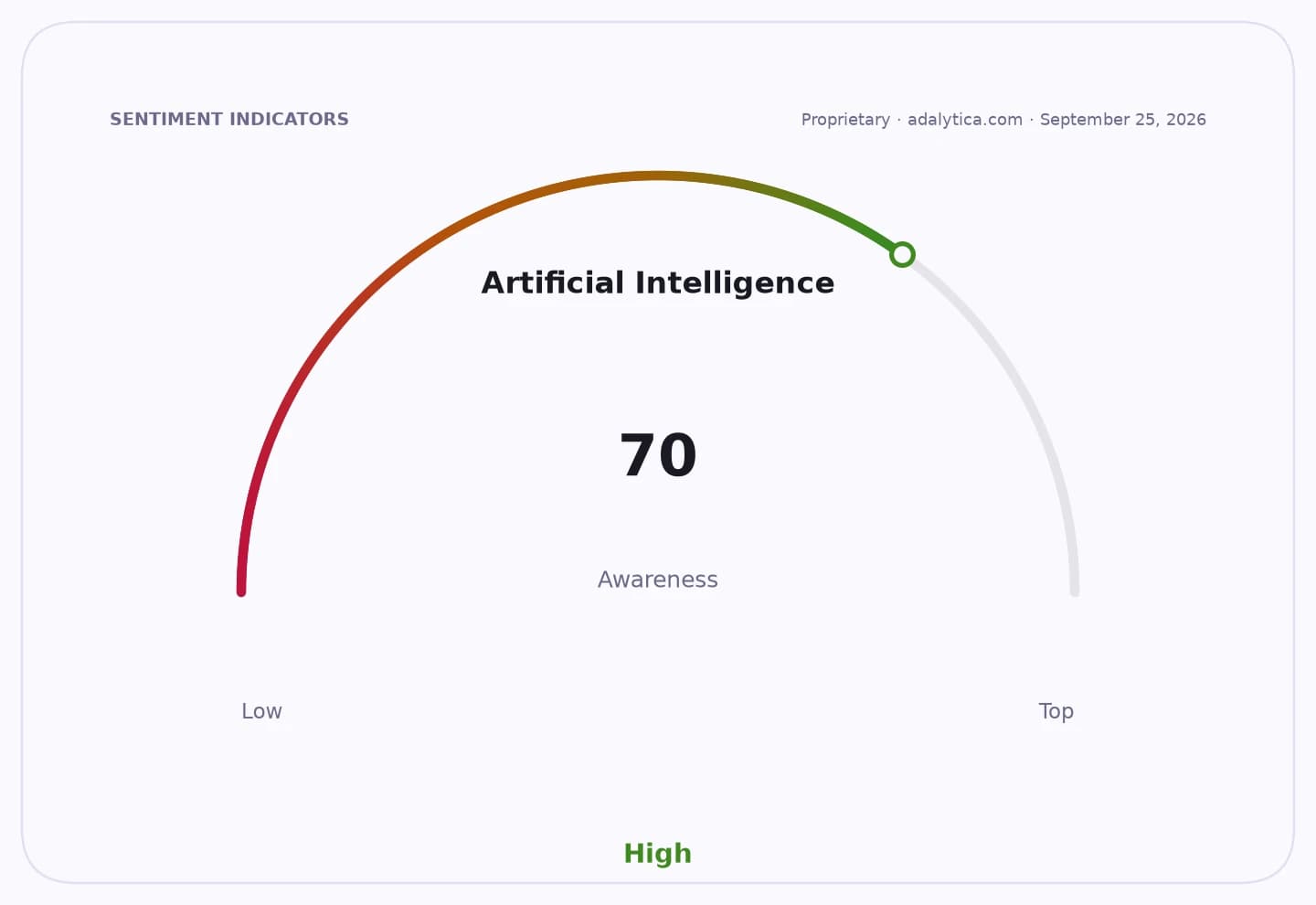
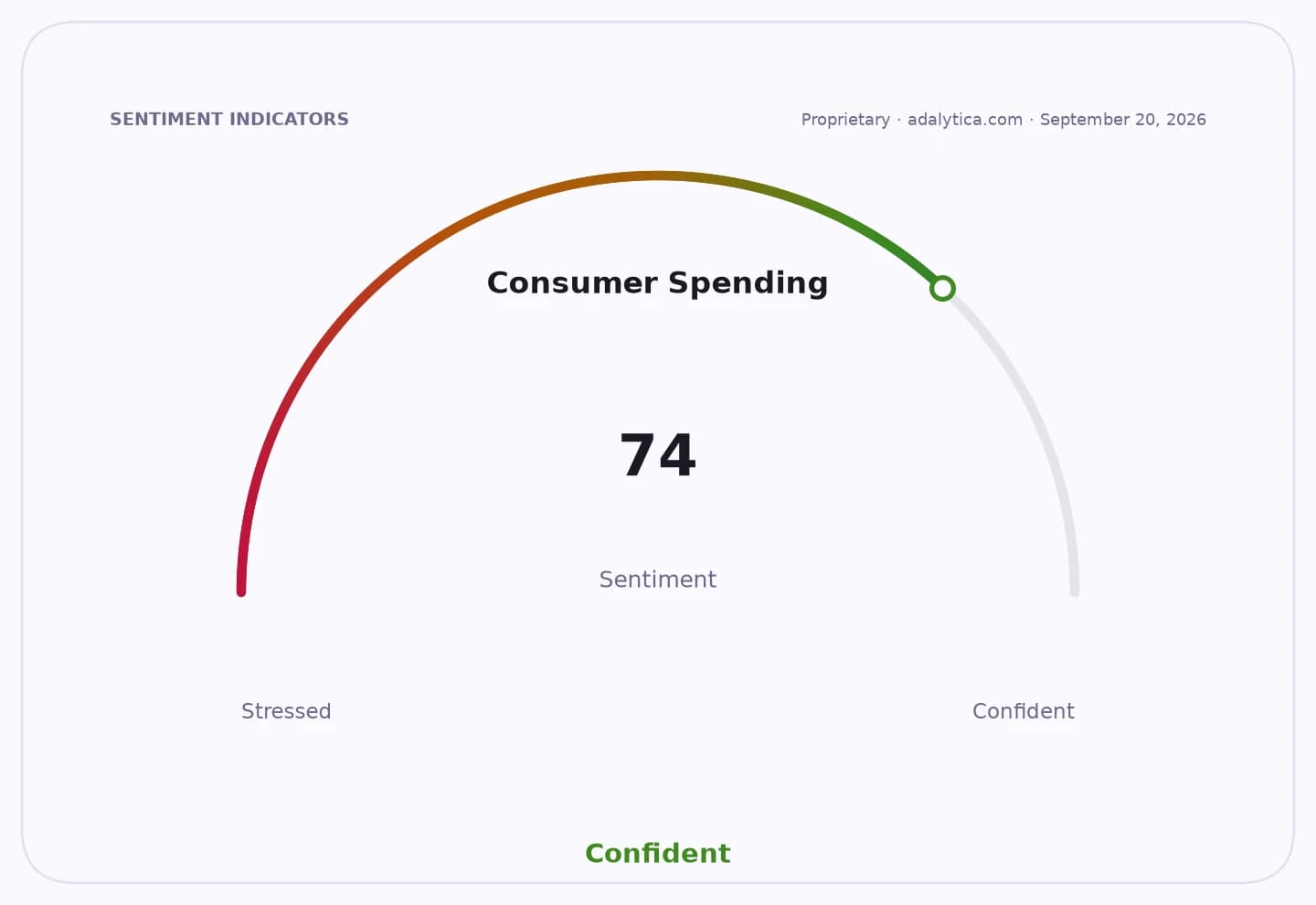
Sentiment IndicatorsⓘProprietary · adalytica.com · September 11, 2026
This is a snapshot — live sentiment, awareness and momentum for 130+ markets update continuously in the dashboard.Open AlphaPulse
The company said its advertising business, launched in pilot form in July 2025 and expanded to 25 markets by January, has already delivered more than 2 billion impressions and attracted more than 2,000 paying advertisers a month, with about two-thirds of those being repeat customers. That is early, but it is also the kind of usage signal that tends to matter in platform businesses: repeat advertisers suggest the inventory is not just experimental, but commercially useful.
The opportunity is tied to inDrive’s geographic footprint. The company says it operates in more than 1,200 cities across 48 countries, mostly in emerging markets where brands often struggle to reach consumers efficiently through premium digital channels. That makes the network attractive not just for ads, but for cross-selling delivery, groceries and credit, all of which can increase lifetime value per user.
There are already signs that users are moving beyond transport. inDrive said 13% of its monthly transacting users used both mobility and at least one delivery service in 2025. In Latin America, loans taken out by drivers through inDrive.Money jumped 118% year over year in the first half of 2026, indicating that financial services may become another high-frequency revenue stream with relatively low capital requirements.
The company is also staffing up for the next leg of expansion. It hired Raphael Zennou, a former Delivery Hero executive, to lead food and groceries, and brought in former Google executive Max Silin to run advertising, while Valentin Laykov now oversees delivery and Alexander Kurchin continues to lead inDrive.Money. Those are not cosmetic hires; they suggest inDrive is building the operating bench needed to turn adjacent services into a durable platform, not a one-off test.
The biggest spend will likely go toward groceries and food, which Smit said will absorb most of the investment. That is where the competitive fight gets real, because food delivery remains a capital-intensive market dominated by Uber and others. But inDrive’s edge may be different: a more cost-conscious customer base in emerging markets, plus a lower-cost monetization layer through ads and credit that can support expansion without depending solely on delivery economics.
That is why this matters to investors. The market has tended to value ride-hailing as a point solution, but the winners are increasingly the companies that can layer multiple revenue streams on top of the same user base. Uber has shown the playbook with delivery, ads and other services; inDrive is trying to prove that the same model can work in less affluent, harder-to-reach markets. If it can, the upside is not just incremental revenue — it is a fundamentally better mix.
The near-term catalyst will be whether ads, delivery and financial services keep compounding together. If inDrive can keep growing repeat advertisers, deepen cross-usage and expand groceries and food without burning excessive capital, the company could emerge as one of the more interesting underappreciated consumer-platform stories in the mobility space. The market should watch this as a multi-year platform build, not just a ride-hailing feature update.
| Entity | Gains | Losses |
|---|---|---|
| inDrive | ▲Higher monetization per user | ▼Pure ride-hailing dependence |
| Uber | ▲Proof of platform model expansion | ▼Some ad and delivery overlap |
| Emerging-market brands | ▲Cheaper consumer reach | ▼Reliance on fragmented channels |
| Lyft | ▲Little direct benefit | ▼Strategic gap vs. super-app rivals |