Einride’s deal with Nvidia adds another signal that autonomous freight is moving from pilot projects toward commercial scale, with the potential to reshape trucking costs, capacity and the economics of long-haul logistics.
Einride-Nvidia Deal Ties AI to Autonomous Trucking
For investors, the significance is less about one truck maker’s software stack than about whether the industry can begin to automate the most expensive part of the freight network: highway miles. If the technology proves reliable, autonomous trucking could ease a persistent driver shortage, reduce operating costs per mile and improve fleet utilization for shippers and carriers facing volatile labor and fuel bills.
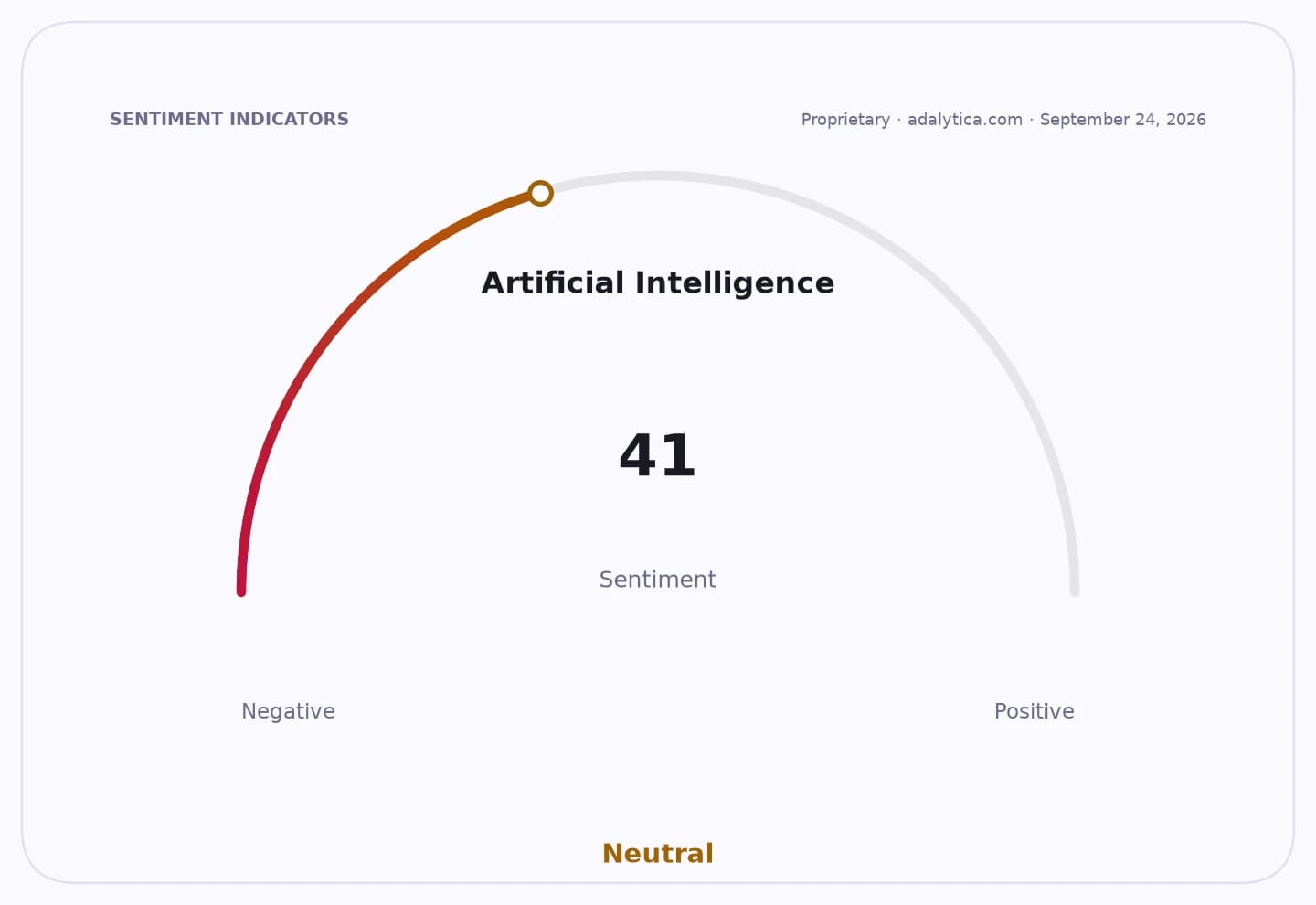
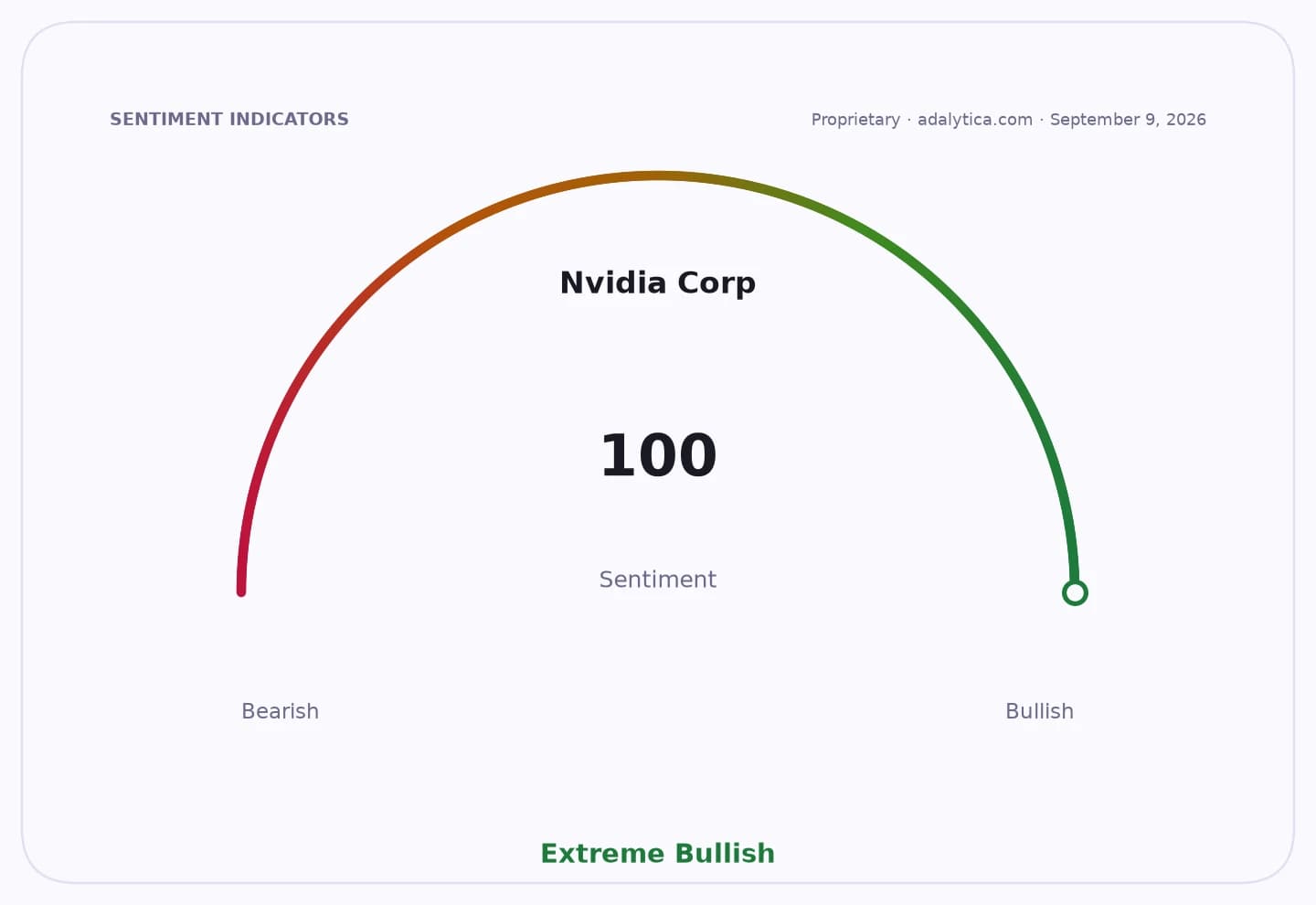
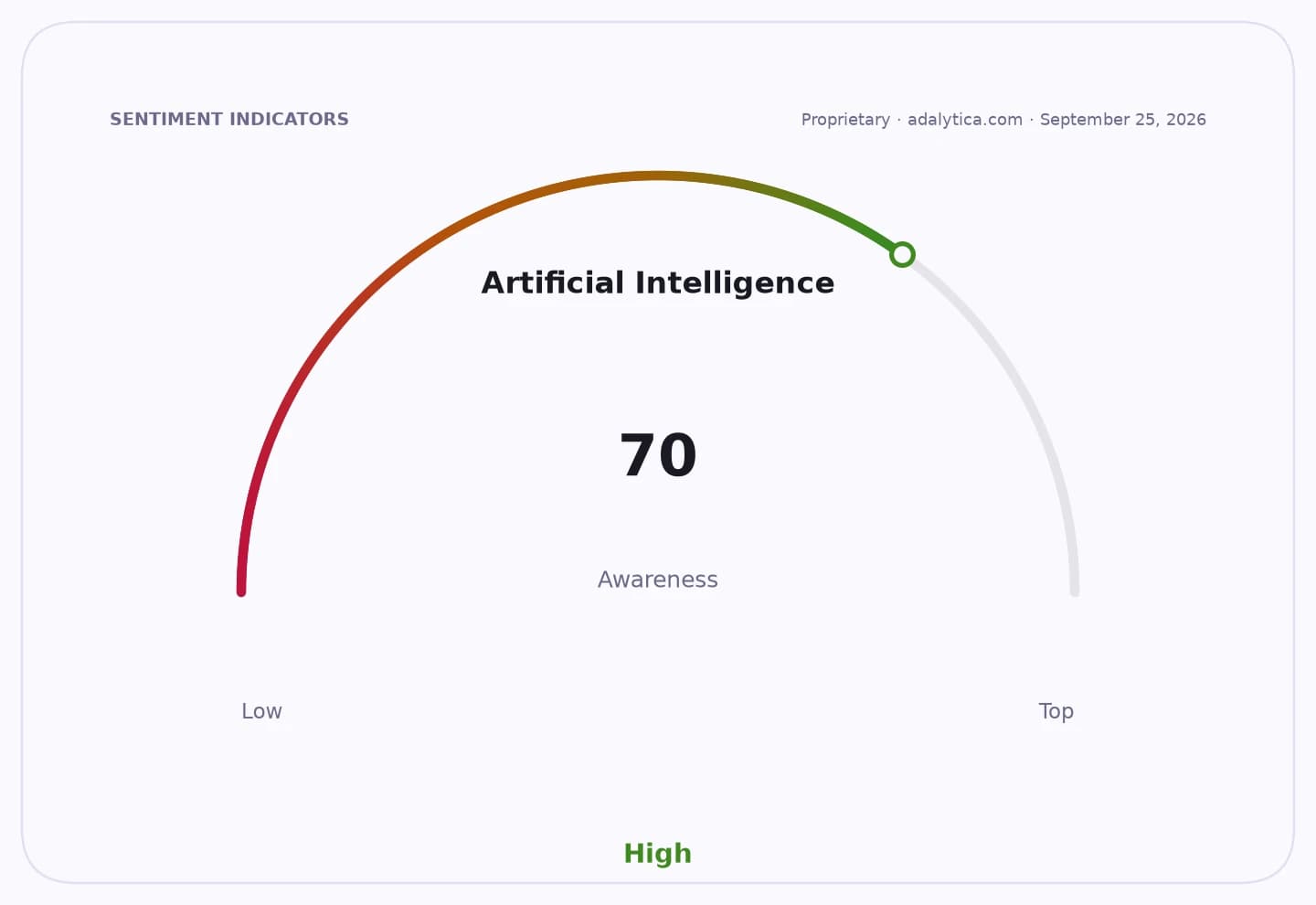
Sentiment IndicatorsⓘProprietary · adalytica.com · September 25, 2026
This is a snapshot — live sentiment, awareness and momentum for 130+ markets update continuously in the dashboard.Open AlphaPulse
Nvidia’s involvement matters because it remains one of the key hardware and software enablers of physical AI, supplying the compute and systems used in autonomous vehicles, robotics and industrial automation. That broadens Nvidia’s addressable market beyond data centers and keeps the company tied to a use case that could eventually produce large, recurring demand for onboard AI systems and training infrastructure.
The deal also lands in a trucking industry already under pressure from congestion, parking constraints and safety requirements, while logistics operators continue testing automation as a way to take cost out of the network. Luck Stone’s recent expansion of autonomous hauling after an 18-month pilot shows that commercial users are increasingly willing to extend deployments once the technology demonstrates operational gains. Einride’s move suggests highway freight is now the next frontier.
Nvidia’s shares have been trading well above their 200-day moving average and above the 50-day line in recent sessions, reflecting durable investor confidence in AI infrastructure demand even as momentum has cooled from earlier peaks. The stock’s recent consolidation, together with mixed readings in conventional indicators such as RSI, suggests the market is looking for evidence that AI spending can keep broadening into new industries rather than relying only on hyperscale data centers.
The bull case is straightforward: autonomous trucking, if adopted at scale, could become another long-duration growth driver for Nvidia and a margin-improving technology for freight operators. The bear case is equally clear: deployment will likely be slow, capital intensive and heavily shaped by regulation, liability and safety testing, which could delay meaningful revenue contribution for years.
For investors, the key question is whether partnerships like Einride’s indicate a commercially viable ramp or another step in a long development cycle. The answer will determine whether autonomous trucking becomes a meaningful second act for Nvidia’s AI franchise or remains an optionality story for the transport sector.
| Entity | Gains | Losses |
|---|---|---|
| Einride | ▲Faster commercialization | ▼Higher execution risk |
| Nvidia | ▲Broader AI demand | ▼Near-term revenue visibility |
| Freight operators | ▲Lower operating costs | ▼Job displacement pressure |
| Traditional truck fleets | ▲— | ▼Share to automation rivals |