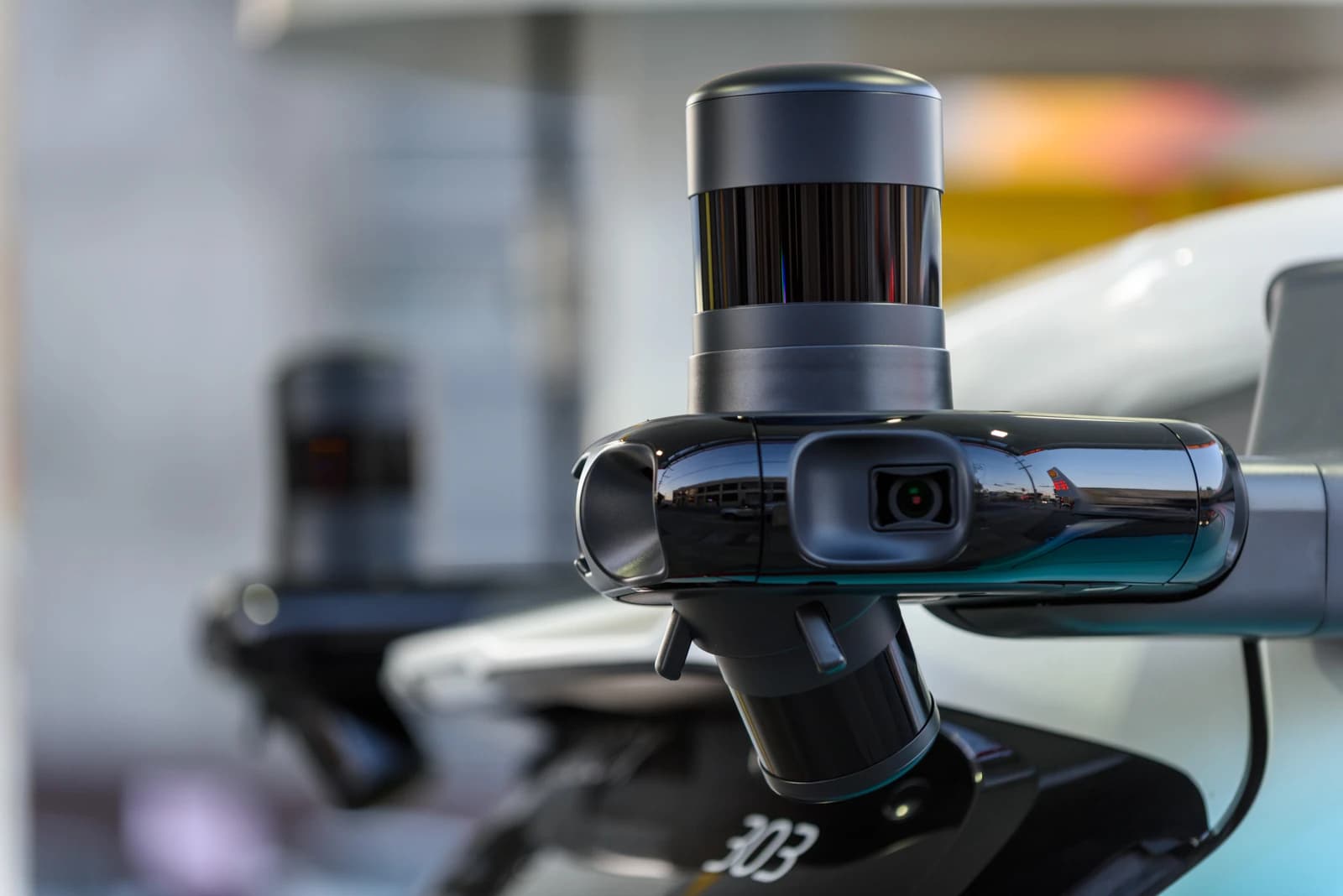
AI is colliding with a hard engineering truth: vehicles can only absorb so much compute, power draw and software complexity before cost, heat and reliability become the real constraints. That matters because the next wave of automotive AI is not just about adding smarter voice assistants or driver features — it is about whether automakers and suppliers can make all that silicon work profitably at scale.
Tesla Nvidia Qualcomm Automotive AI Compute Costs
For investors, that is the story behind the sector’s latest moves. The cars of the future are becoming rolling computers, but every extra AI feature has to justify itself in terms of margins, battery life and manufacturing discipline. The winners will be the companies that can deliver more intelligence without turning every vehicle into an expensive data center on wheels.
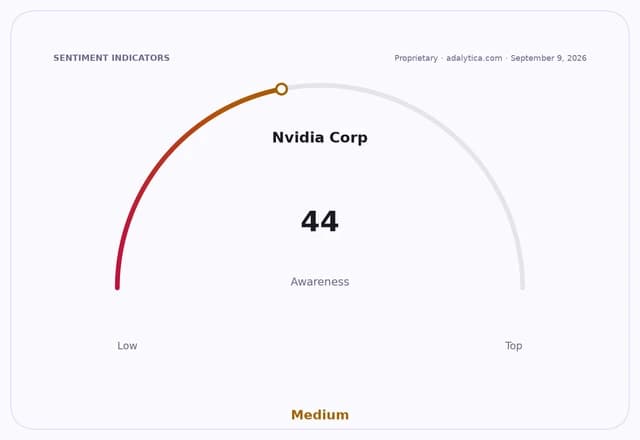
Tesla, Nvidia and Qualcomm sit at the center of that fight. Tesla’s stock has been volatile but remains above its 50-day moving average, with shares recently around $371 after a strong run and a pullback from summer highs. Nvidia, the market’s favorite AI bellwether, has also held onto a powerful rebound, with the stock near $224 and still above both its 50-day and 200-day moving averages. Qualcomm, meanwhile, has surged on the promise of automotive and edge AI, with shares around $178 after a sharp climb from earlier lows.
That price action reflects a bigger shift in the auto industry: the value is moving from metal and horsepower toward software-defined platforms, chips and in-car intelligence. But unlike cloud AI, the vehicle environment is unforgiving. Systems must run on limited power, tolerate heat, and work reliably for years. Every supplier in the chain is being forced to answer the same question: how much AI can a car actually handle before the economics break?

This is where the opportunity — and the risk — gets interesting. Nvidia benefits if automakers keep upgrading digital cockpits, advanced driver-assistance systems and eventual autonomous capabilities. Qualcomm benefits if carmakers want efficient chips that bring AI closer to the edge, where power use is lower and latency is tighter. Tesla benefits if it can turn software and autonomy into a durable profit engine rather than just another cost center. The common thread is that AI has to become lightweight enough to fit inside a car, not just powerful enough to impress in a demo.
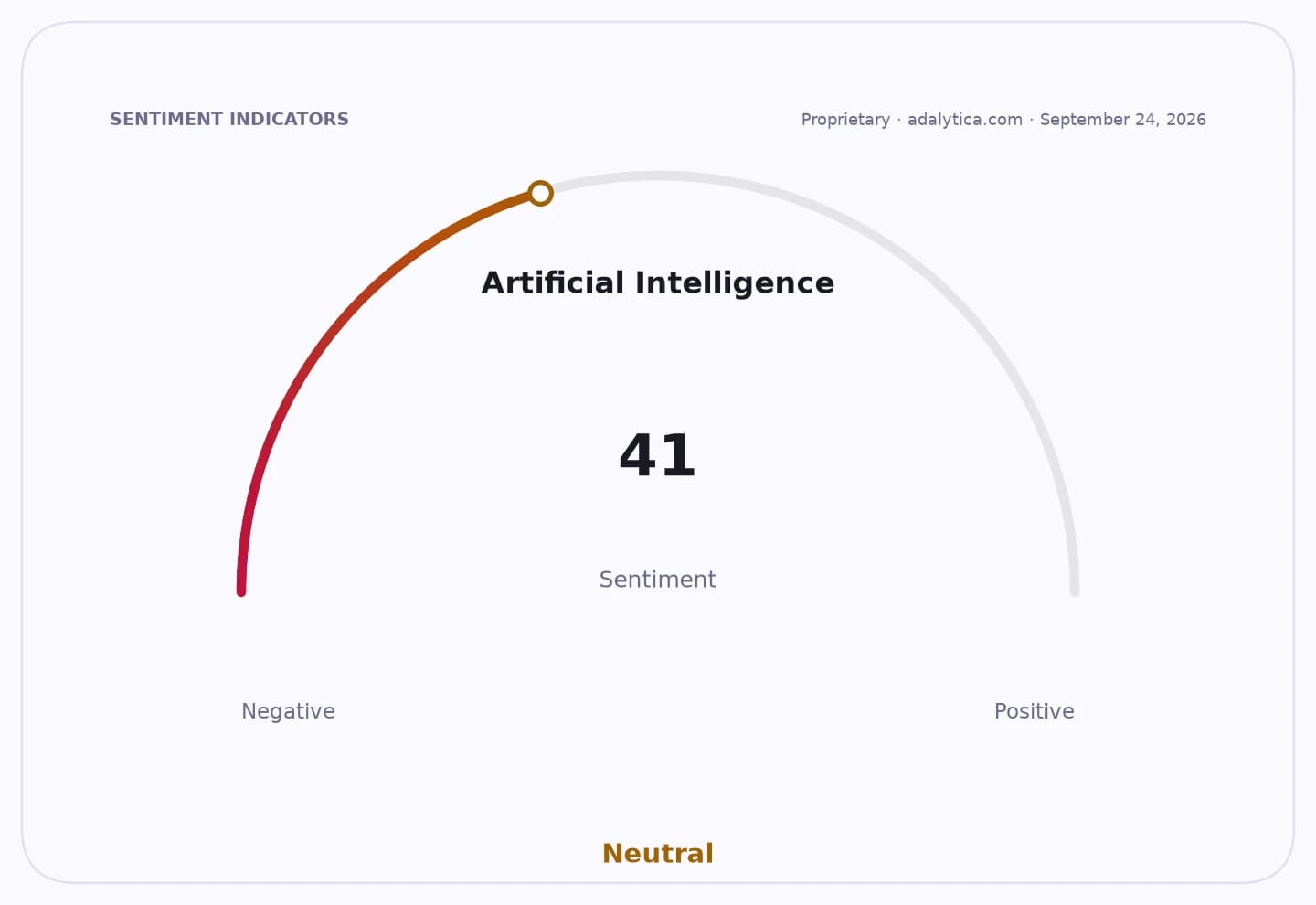
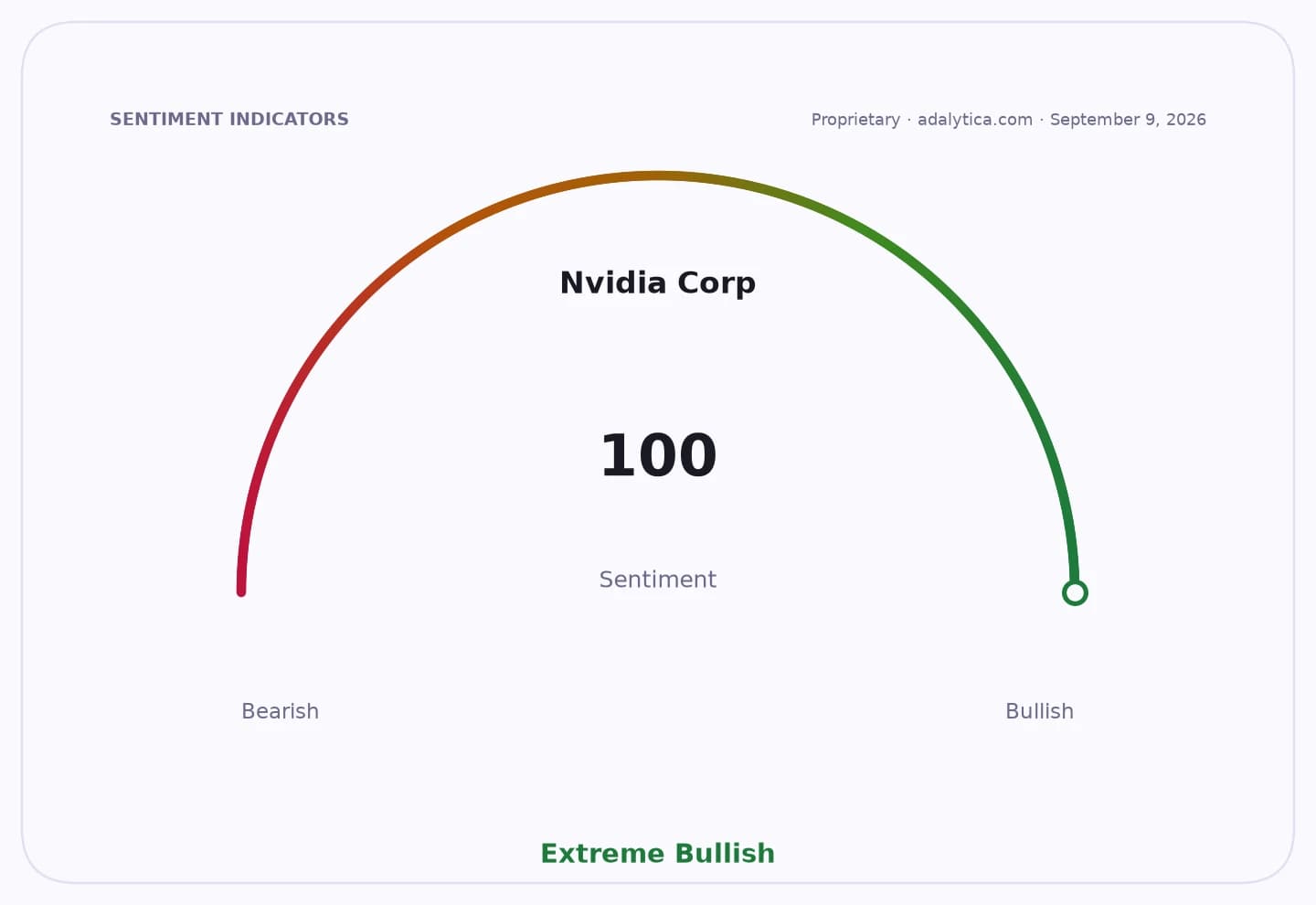
The market is already hinting that investors expect a long runway. Adalytica’s proprietary NVIDIA Earnings Sentiment is at 100, labeled “Extreme Greed,” while its AI sentiment gauge sits at 78, or “Greed.” That says enthusiasm remains high, but it also underscores how much optimism is now embedded in the trade. In other words, investors are paying for the idea that automotive AI will scale — and scale profitably.
Still, the long-term setup remains compelling. If automakers can standardize AI hardware across fleets, they can create recurring revenue streams from software, updates and connected services. If they cannot, the industry may end up with costly, fragmented systems that are hard to maintain and even harder to monetize. For long-term investors, that means the real winners may not be the companies that shout loudest about AI, but the ones that can make it efficient, reliable and embedded in everyday driving. Worth watching closely, and very much a story to keep on the watchlist.
| Entity | Gains | Losses |
|---|---|---|
| Nvidia | ▲More automotive AI demand | ▼If carmakers cap compute spending |
| Qualcomm | ▲Edge AI chip adoption | ▼If efficiency wins over premium silicon |
| Tesla | ▲Software and autonomy monetization | ▼If AI features raise costs faster than revenue |
| Automakers | ▲Smarter vehicles and stickier software | ▼Higher cost, heat and reliability burdens |