Iron and cement prices in Egypt moved unevenly on Thursday, underscoring a construction market that is still grappling with elevated input costs even as the broader macro backdrop shows signs of stabilization.
Egypt steel and cement prices move unevenly
The most economically important development is not the day-to-day price changes themselves, but what they say about the cost floor for housing, infrastructure and private development in Egypt. Investment-grade steel and cement remain core building inputs, and when they are still rising in parts of the market, they keep pressure on project budgets, delay purchasing decisions and limit how quickly lower inflation can filter through to real activity.
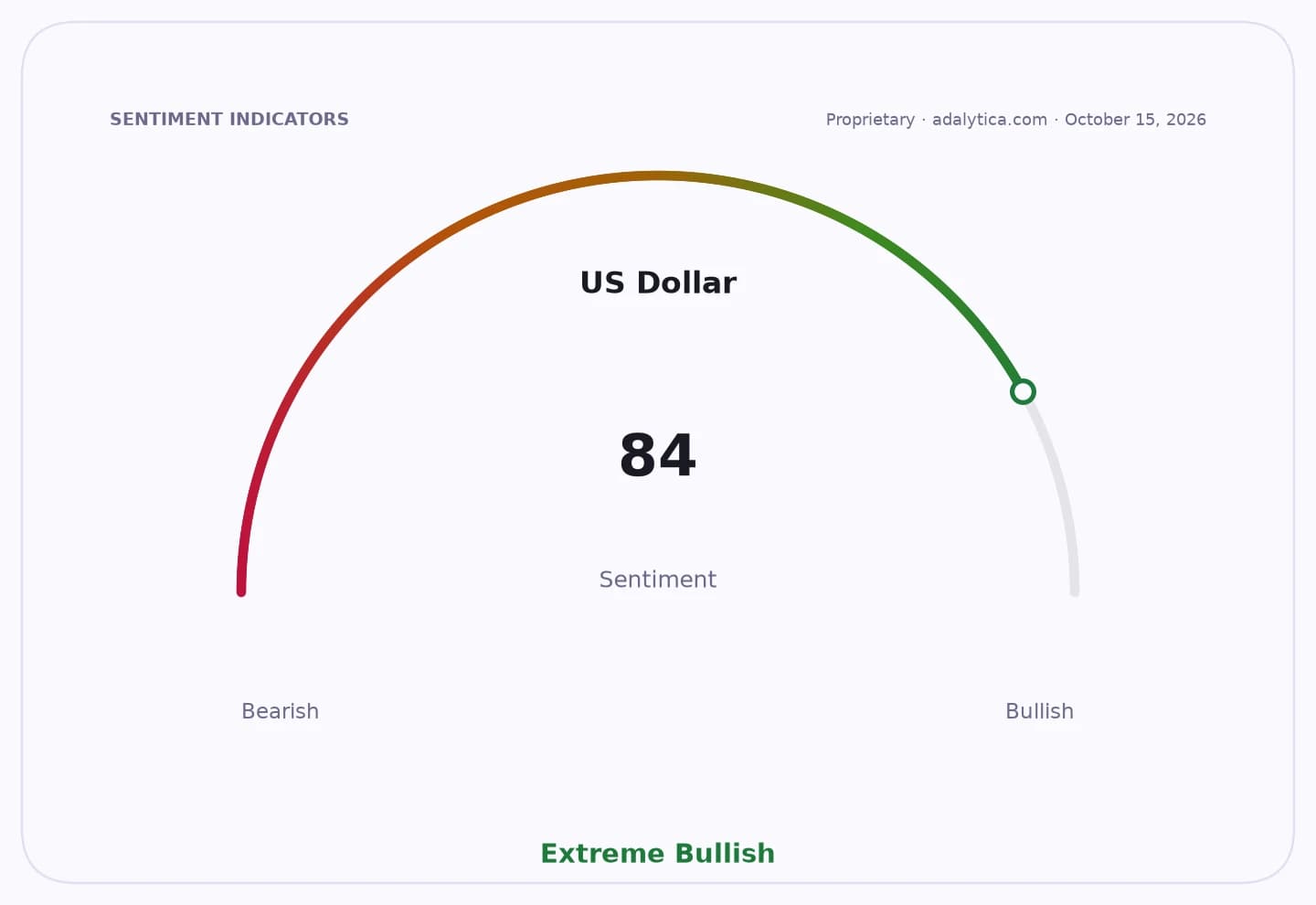
Sentiment IndicatorsⓘProprietary · adalytica.com · October 16, 2026
This is a snapshot — live sentiment, awareness and momentum for 130+ markets update continuously in the dashboard.Open AlphaPulse
According to government-linked price data, a ton of investment-grade steel fell 45 pounds to 38,195 pounds, while Ezz Steel rose 49 pounds to 39,871 pounds. Gray cement gained 15 pounds to 4,110 pounds. The mixed move suggests a market that is not yet seeing a broad-based easing in materials costs, even if one supplier can cut while another raises prices.
That matters because construction is one of the channels through which Egypt’s inflation story turns into growth. The government has been working to support investment and industrial output as headline and core inflation ease, with core inflation recently declining to 14.1%, its lowest since February, and foreign direct investment improving. But building materials often lag the macro cycle. If cement and steel stay sticky, developers will preserve pricing discipline, buyers will remain cautious, and the rebound in activity may be slower than policymakers want.
For investors, the signal is twofold. First, cost inflation is still alive in the real economy, which supports pricing power for dominant materials producers but complicates affordability for contractors and property developers. Second, Egypt’s wider stabilization effort — helped by stronger reserves, remittance inflows and renewed capital support — may eventually unlock a more durable construction upcycle. That is where the opportunity lies: in companies with scale, local distribution and the ability to pass through costs, rather than in end markets that remain highly rate- and price-sensitive.
The broader narrative is that Egypt is moving toward macro stability, but the construction chain has not fully caught up. Materials pricing remains a leading indicator to watch. If steel and cement stop rising and begin to soften consistently, that would strengthen the case for a deeper recovery in housing, infrastructure and industrial capex. If they do not, the market should expect a slower, more selective rebound.
| Entity | Gains | Losses |
|---|---|---|
| Steel producers | ▲Better pricing power | ▼Buyer pushback |
| Cement makers | ▲Higher selling prices | ▼Developers’ margins |
| Contractors | ▲Potential long-term demand recovery | ▼Near-term cost pressure |
| Egyptian households | ▲Lower inflation later, if prices ease | ▼Higher construction and housing costs |