The Egyptian pound stayed under pressure against the dollar on Wednesday, with the central bank quoting the greenback at 53.0417 pounds for buying and 53.1817 for selling, a level that keeps import costs elevated even as remittance inflows and easing inflation offer some support to foreign-exchange stability.
Egyptian pound stays under pressure versus dollar
The official rates showed the dollar edging higher alongside a broad firming in other major currencies versus the pound. The euro was priced at 59.3484 pounds to buy and 59.5103 to sell, while the pound sterling reached 70.3439 for buying and 70.5455 for selling, underscoring the persistence of dollar and sterling demand in local currency terms.
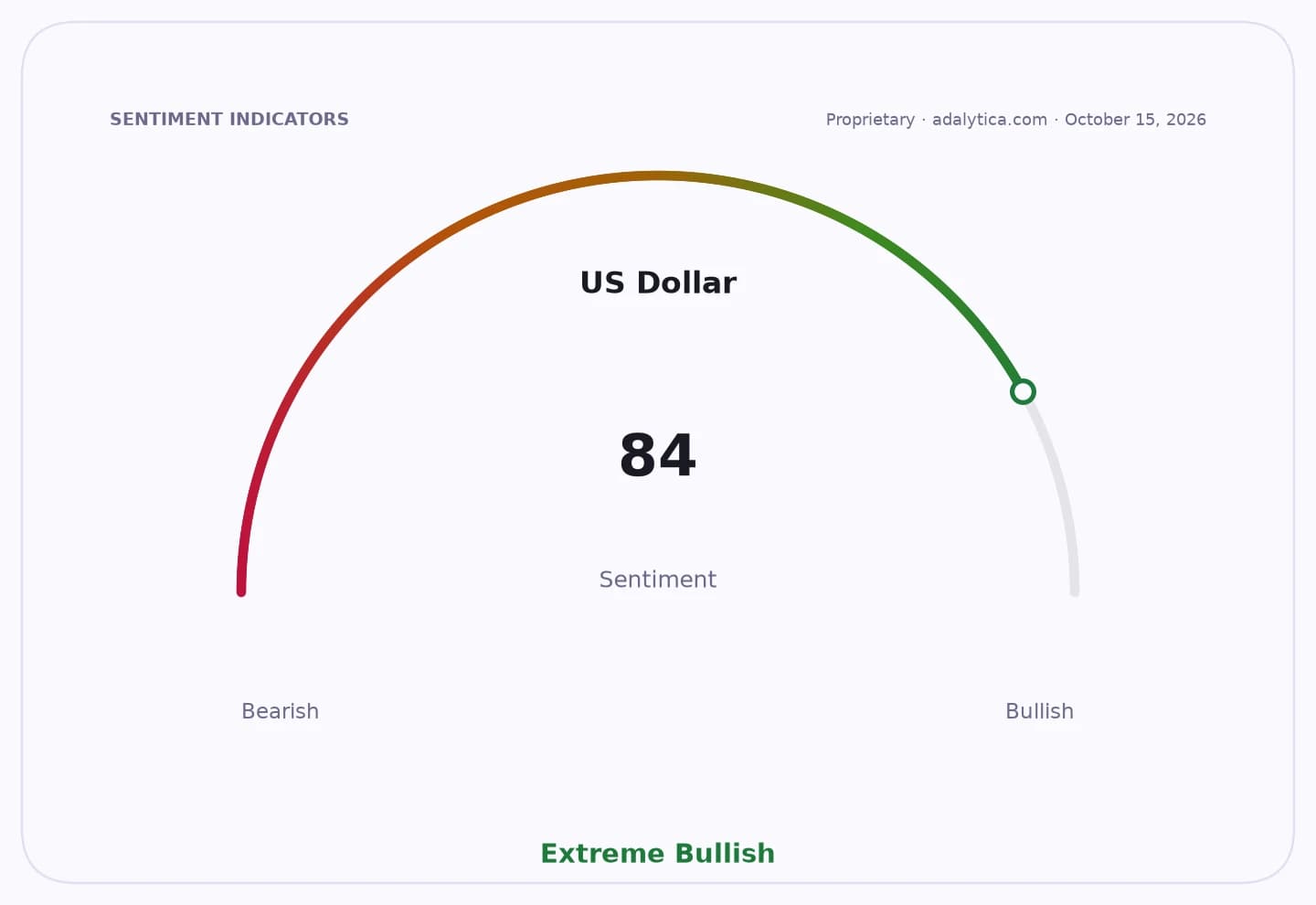
Sentiment IndicatorsⓘProprietary · adalytica.com · October 15, 2026
This is a snapshot — live sentiment, awareness and momentum for 130+ markets update continuously in the dashboard.Open AlphaPulse
For Egypt, the significance goes beyond the daily quotation. A weaker pound feeds directly into the domestic price level through imported fuel, food, industrial inputs and consumer goods, complicating the central bank’s effort to keep inflation contained after annual price growth eased to 12.8% in September, its lowest since February. Even with inflation cooling, the exchange rate remains a key transmission channel for any renewed price pressure.
The central bank’s pricing also reflects the broader dollar backdrop. The US currency has been firm, with conventional technical indicators on USDEGP pointing to a stretched move: the pair closed at 53.38 on October 15 after rising from 52.63 a day earlier, while the relative strength index was above 84, a reading that typically suggests an overbought market. The 50-day moving average at 51.27 and 200-day average at 50.73 show the pound has moved well below recent trend levels.
That leaves the Egyptian authorities balancing competing forces. On one side, record remittances from workers abroad and stronger foreign-currency inflows from trade and tourism can help replenish reserves and support the local currency. On the other, persistent demand for hard currency from importers and businesses keeps the pound vulnerable to any shift in capital flows or external financing conditions.
Investors will read the central bank’s latest rate sheet as a reminder that Egypt’s macro story remains one of managed stability rather than outright appreciation. Any sustained improvement in the pound will likely depend on continued remittance strength, tighter inflation, and steady reserve accumulation. A relapse in global dollar strength or renewed regional stress would quickly put the exchange rate back in focus.
| Entity | Gains | Losses |
|---|---|---|
| Egyptian importers | ▲None | ▼Higher input costs |
| Egyptian exporters | ▲Better price competitiveness | ▼Imported inflation |
| Dollar holders | ▲Stronger local value | ▼Egyptian pound weakness |
| Egyptian consumers | ▲Some aid from lower inflation | ▼Pricier imported goods |