The British pound is trading close to 69.22 Egyptian pounds at the highest buy rate in local banks, underscoring renewed pressure on sterling as investors reassess the currency against a backdrop of higher global yields, oil-price sensitivity and shifting central bank expectations.
British Pound Trades Near 69.22 Egyptian Pounds
At the Egyptian Central Bank, customers can sell sterling at 69.2178 pounds, while QNB Al Ahli is offering the lowest retail selling price at 69.178 pounds, according to the latest bank rates. The gap is narrow at about 4 piastres between the best buy and best sell quotes, but the spread widens once individual banks are compared, giving retail and corporate clients a clear incentive to shop around.
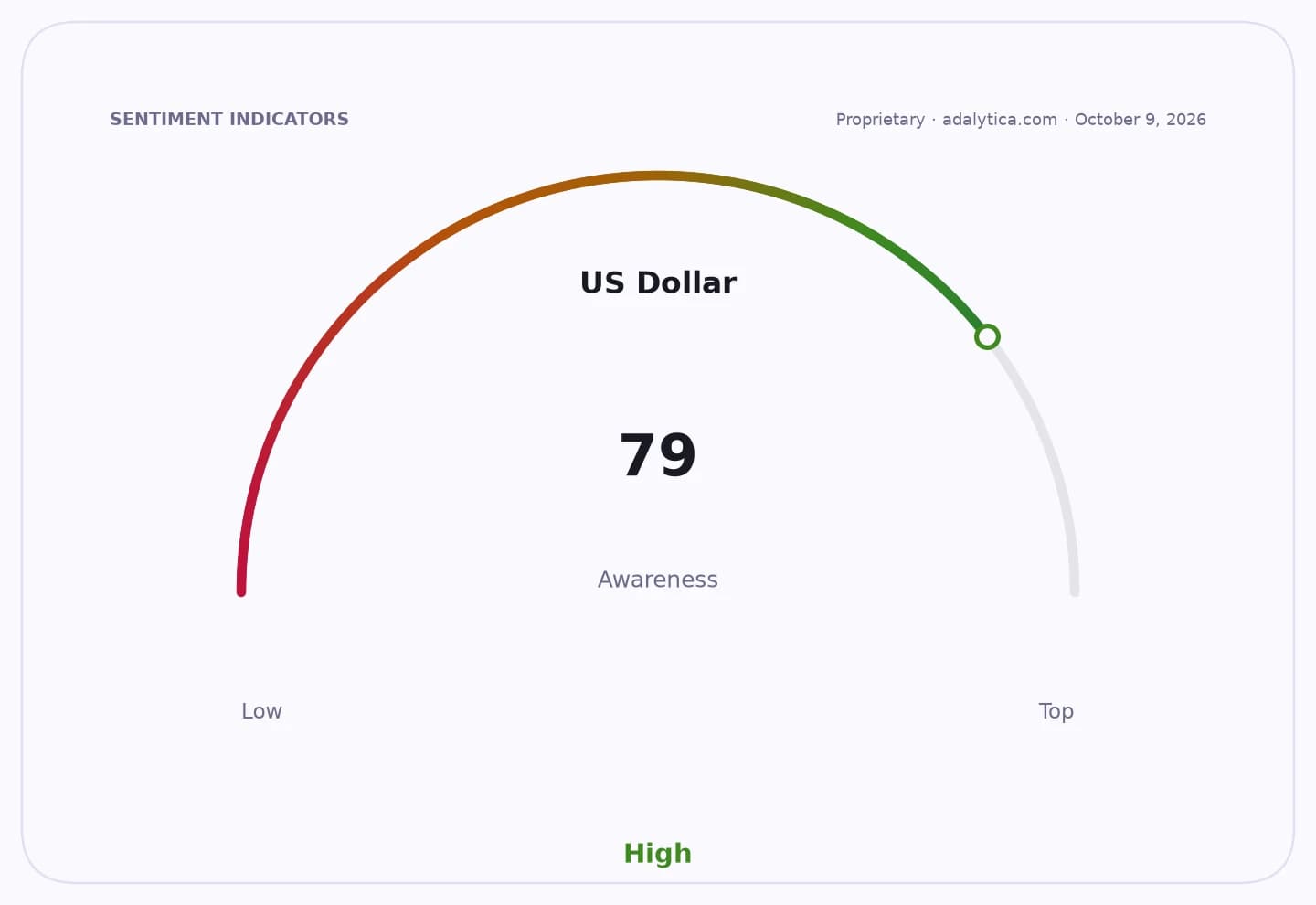
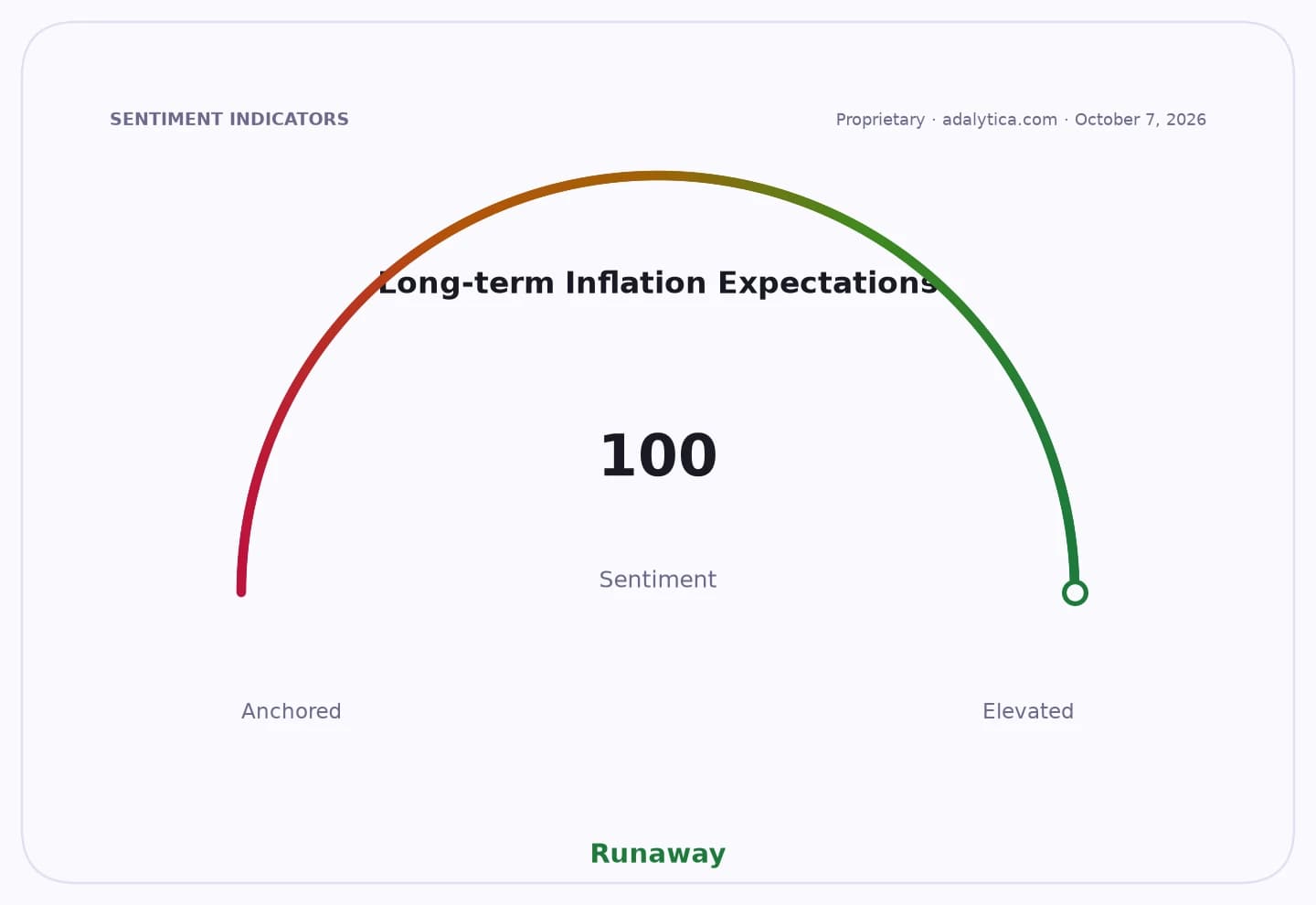
Sentiment IndicatorsⓘProprietary · adalytica.com · October 6, 2026
This is a snapshot — live sentiment, awareness and momentum for 130+ markets update continuously in the dashboard.Open AlphaPulse
The move matters because sterling has been under strain globally, not just in Egypt. The pound slipped to a three-month low in broader trade as markets worried that higher borrowing costs may weigh on growth while energy prices continue to complicate the outlook for the UK economy. That combination leaves the currency sensitive to every shift in Bank of England policy expectations.
For investors, the local pricing matters because it reflects both the foreign-exchange pass-through into Egyptian banks and the broader weakness in sterling sentiment. Adalytica’s British Pound Trade Signals show extreme fear, with sentiment at 14, while FX volatility signals also point to caution, suggesting traders see little room for complacency even if day-to-day moves remain contained. The pound’s exchange rate against the Egyptian currency is not just a retail quote; it is a live read on external funding conditions, import costs and cross-border payment behavior.
There is also a macro angle for Egypt. A firmer pound against the Egyptian currency raises the local cost of UK imports, travel and foreign obligations priced in sterling, while also improving returns for Egyptians holding pound assets or remittances. In a market where foreign-exchange spreads can affect transaction timing, the difference between banks such as the Egyptian Central Bank, Next Bank, National Bank of Kuwait and Banque Misr can quickly translate into real cash terms for businesses and households.
The bull case for sterling is that the Bank of England has not abandoned a hawkish bias, which could limit further downside if inflation proves sticky. The bear case is that slower UK growth, persistent global risk aversion and commodity-market volatility keep pressure on the pound, especially against currencies seen as havens or those backed by higher real yields.
For now, the key level is not a dramatic break point so much as a reminder that sterling remains vulnerable to policy and market repricing. If the pound continues to hover near this area, banks in Egypt will keep adjusting retail FX quotes, and investors will watch whether the next move comes from the Bank of England, the dollar, or another jolt in energy markets.
| Entity | Gains | Losses |
|---|---|---|
| Egyptian importers | ▲Cheaper pricing power if sterling weakens | ▼Higher costs if pound rises |
| UK exporters | ▲More competitive overseas sales | ▼Imported inflation pressure |
| Egyptian banks | ▲Wider FX trading activity | ▼Margin pressure from quote competition |
| Sterling holders | ▲Better exit rates at stronger banks | ▼Mark-to-market losses if weakness persists |