The pound fell against the dollar even after reports that Iran could reopen the Strait of Hormuz, as investors focused instead on a stronger greenback, higher-for-longer U.S. rate expectations and fresh signs of strain in Britain’s public finances.
Pound Falls as Dollar Strength and UK Borrowing Rise

Sterling slid more than 0.17% against the dollar, with GBP/USD dropping to about 1.3343 from an earlier high of 1.3387. The move showed how little relief the Hormuz headlines offered currencies when the market is still trading mainly on interest-rate differentials and the Federal Reserve’s policy path.
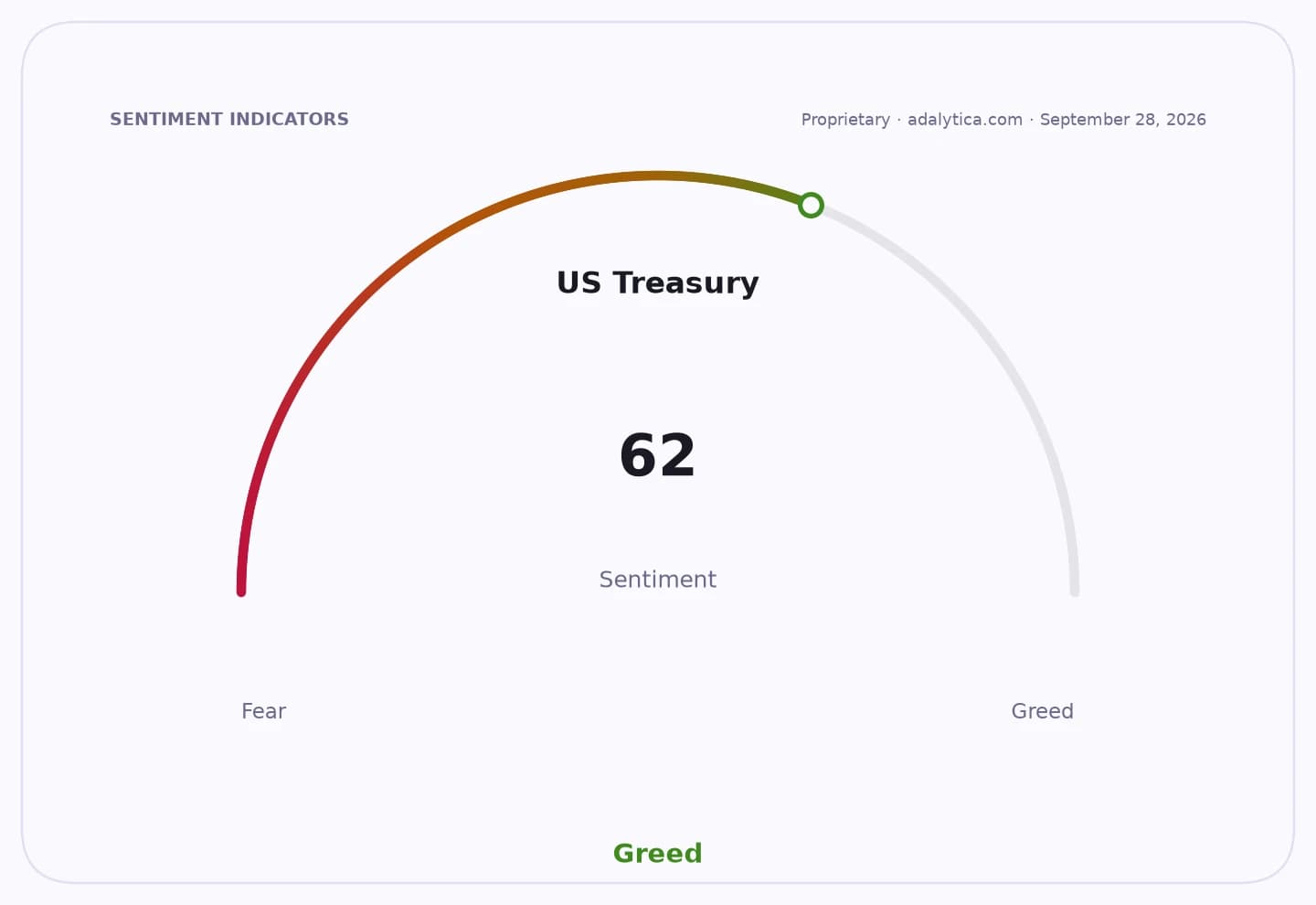
Sentiment IndicatorsⓘProprietary · adalytica.com · September 28, 2026
This is a snapshot — live sentiment, awareness and momentum for 130+ markets update continuously in the dashboard.Open AlphaPulse

The dollar firmed as traders priced in the possibility of another U.S. rate increase before year-end. The DXY index rose 0.27% to 100.69, close to a two-month high, after data and comments from Fed officials reinforced the view that the U.S. economy can tolerate tighter policy for longer.
Boston Fed President Susan Collins said she backed last week’s rate increase because inflation could remain above the Fed’s 2% target, while four-week average ADP employment readings rose to 20,000 from 16,750, adding to evidence of a resilient labor market. Donald Trump also reiterated that Iran cannot have nuclear weapons, underscoring that geopolitical risk in the Middle East remains unresolved even if shipping fears ease temporarily.

Sterling was also weighed by domestic fiscal numbers. Britain’s public sector borrowing came in at 18.26 billion pounds in August, above forecasts of 15.7 billion, while borrowing in the first five months of the fiscal year reached 77.3 billion pounds, 8.1 billion pounds more than the Office for Budget Responsibility had expected.
For investors, the key issue is the widening policy gap between the U.S. and the U.K. Prime Terminal data showed markets pricing a 65% chance of a November rate increase from the Bank of England, but that expectation was not enough to offset the dollar’s yield advantage on Wednesday.
If U.S. rates stay elevated while Britain’s borrowing needs keep rising, pressure on sterling could persist, especially with GBP/USD still hovering above 1.3300 but below recent highs. Traders will now be watching the next U.S. labor and inflation readings, along with any Bank of England signals on November policy.
| Entity | Gains | Losses |
|---|---|---|
| U.S. dollar | ▲Higher-rate support | ▼Importers into the U.S. |
| Pound sterling | ▲Brief support from BOE hike bets | ▼UK importers and sterling bulls |
| Federal Reserve | ▲Policy credibility | ▼Rate-cut traders |
| UK government finances | ▲None | ▼Fiscal credibility, gilt-sensitive investors |