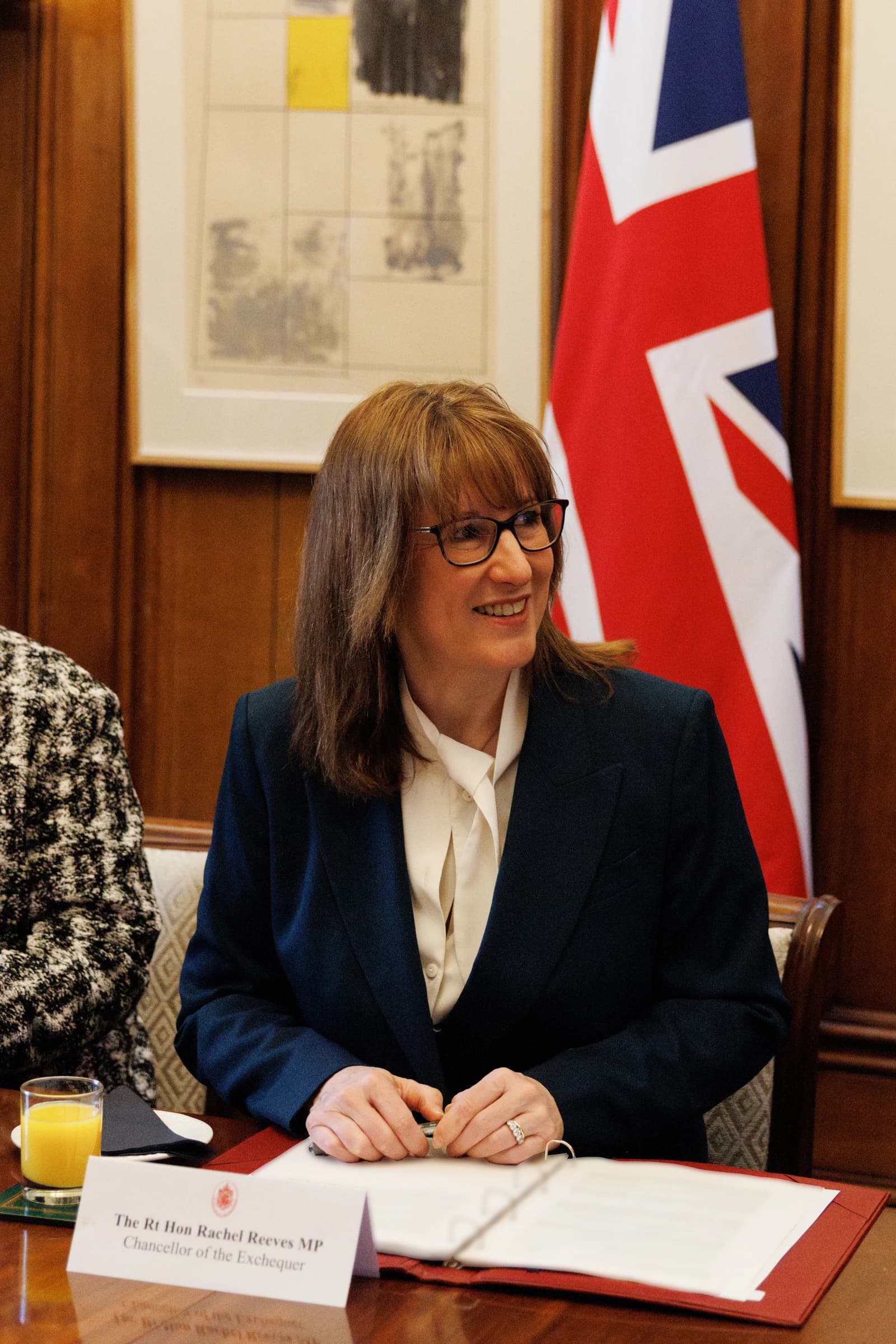
Sterling weakened to its lowest level since late July after UK public borrowing came in well above forecasts, sharpening concern that Chancellor John Healey has less room to maneuver ahead of next month’s Budget.
Pound Falls on UK Borrowing Miss Before Budget

The pound was trading around $1.3356, having briefly hit an almost two-month low, after the Office for National Statistics said public sector net borrowing jumped to £18.3 billion in August, above the £15.7 billion economists had expected. The miss underscores how quickly the government’s fiscal headroom is shrinking just as ministers prepare a first major budget that may need to balance tax rises, spending restraint or both.
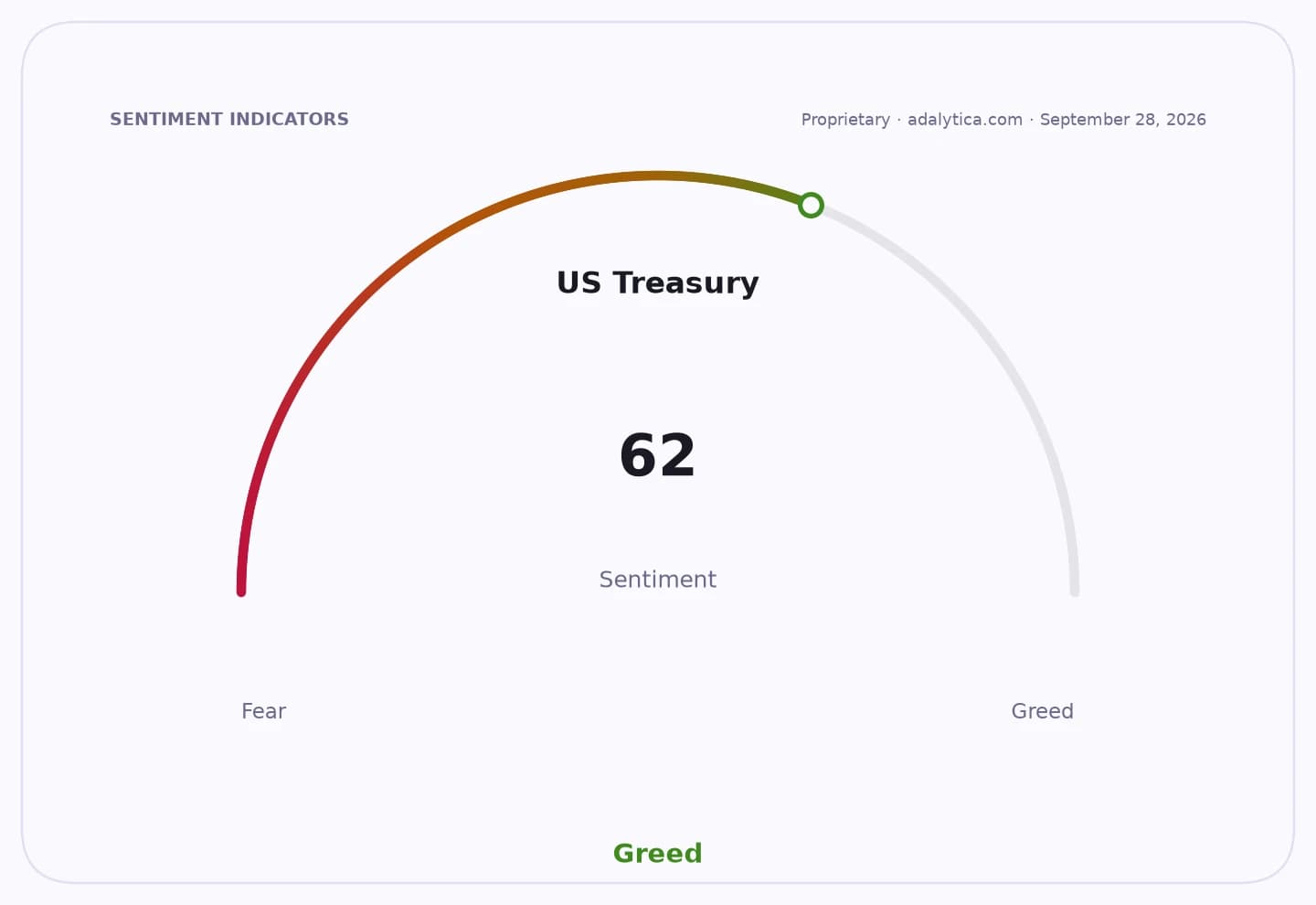
Sentiment IndicatorsⓘProprietary · adalytica.com · September 27, 2026
This is a snapshot — live sentiment, awareness and momentum for 130+ markets update continuously in the dashboard.Open AlphaPulse
For investors, the data matters because a wider deficit can force tighter fiscal policy later, while also keeping pressure on domestic demand if the Treasury leans toward restraint. It adds another layer of uncertainty to an economy already watching for signs that growth is losing momentum and that the Bank of England may have to stay cautious on future rate moves.
The weaker fiscal backdrop has also reinforced the pound’s vulnerability against a dollar that remains supported by relatively firm US activity and expectations that the Federal Reserve will keep rates elevated for longer. The dollar gave up some gains after reports Iran could reopen the Strait of Hormuz if Washington eases military pressure, which briefly trimmed safe-haven demand and pushed Brent crude back below $100 a barrel, but that relief did little to change the broader FX tone.
Near term, traders are focused on September preliminary PMI readings in the UK, where any sign of softer manufacturing or services activity could deepen pressure on sterling. Later in the week, US S&P Global PMIs may also shape the pair if they confirm the American economy remains resilient enough to keep Fed tightening bets alive.
Technical signals point to a fragile setup. GBP/USD is trading below its 50-day and 200-day moving averages, while the relative strength index shows the pair has been heavily sold. That leaves the currency exposed to another break lower if the incoming data disappoints.
| Entity | Gains | Losses |
|---|---|---|
| US dollar | ▲Safe-haven demand | ▼Some gains from lower oil risk |
| UK gilt sellers | ▲Fiscal discipline bets | ▼Growth-sensitive sectors |
| UK government | ▲Budget flexibility scrutiny | ▼Higher borrowing pressure |
| Sterling bulls | ▲— | ▼Weak PMI and deficit risk |