The British pound weakened against the dollar as unexpectedly strong U.S. activity and firm Treasury yields kept the greenback in demand, overriding support from hopes that the Bank of England could stay hawkish.
Pound Weakens as U.S. Yields Lift Dollar

That matters because the pound is once again trading less like a high-beta developed-market currency and more like a funding target in a widening U.S.-U.K. rate gap. When American growth reaccelerates and investors start to price another Federal Reserve hike, dollar assets regain the yield premium that drives global capital flows. The result is straightforward: sterling becomes more vulnerable, import costs rise for Britain, and multinational investors get a cleaner signal to favor U.S. cash flows over U.K.-linked earnings.
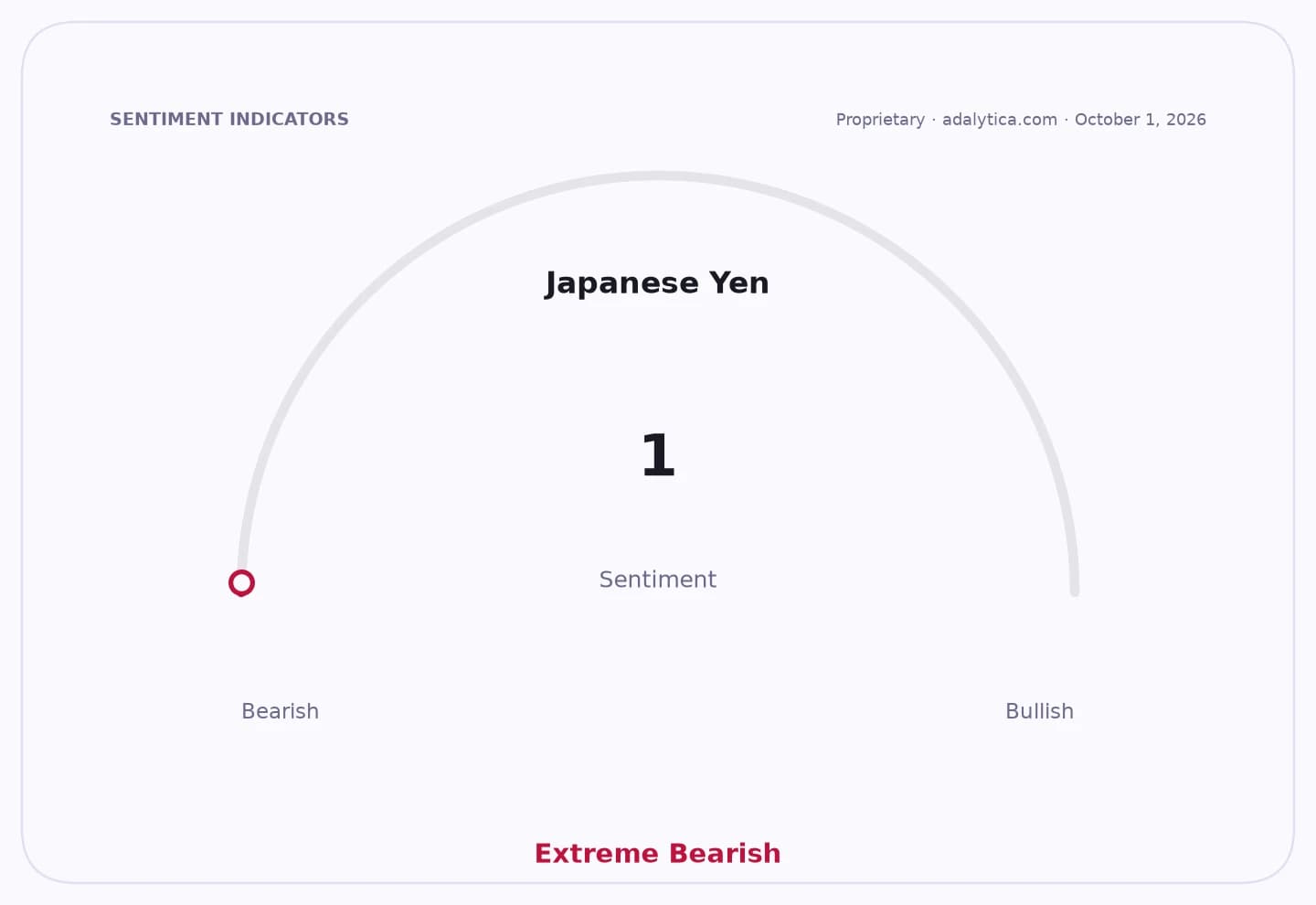
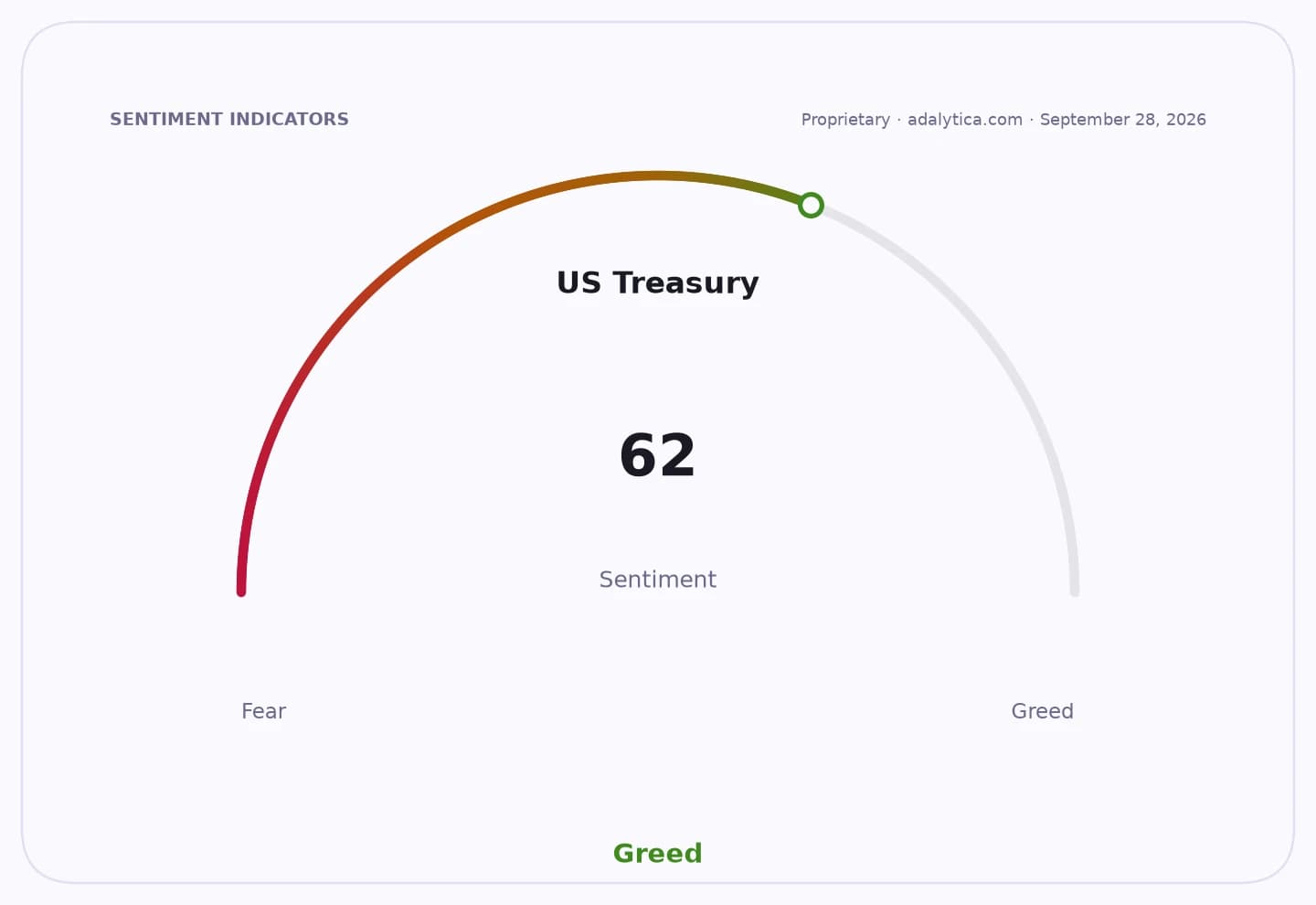
Sentiment IndicatorsⓘProprietary · adalytica.com · October 1, 2026
This is a snapshot — live sentiment, awareness and momentum for 130+ markets update continuously in the dashboard.Open AlphaPulse

The move was not just a headline wobble. GBP/USD slipped 0.17% to around 1.3343 after earlier touching 1.3387, with the dollar index climbing to 100.69, close to a two-month high. U.S. demand for longer-dated bonds also pushed the 10-year Treasury yield to 5.17%, underscoring how quickly markets are rebuilding a higher-for-longer narrative around the U.S. economy.
That is the real driver the market is missing. Stronger U.S. growth is not merely lifting the dollar in a vacuum; it is tightening financial conditions worldwide. A stronger greenback tends to pressure commodity prices and emerging-market currencies, while forcing central banks elsewhere to defend their own rate differentials. For Britain, that creates an awkward backdrop: the pound is being pulled lower even as the Bank of England may still need to keep policy restrictive to prevent imported inflation from accelerating.
Technically, the pound’s U.S.-listed FXB ETF remains below its 50-day and 200-day moving averages, and its 14-day RSI is still in deeply oversold territory, a sign that momentum remains fragile even after recent trading swings. That is consistent with a market where rallies can be sold until the U.S. growth and rate story cools.
Adalytica’s U.S. dollar trade signals also show extreme fear, which is exactly the kind of setup that can keep the dollar bid when macro data keeps surprising on the upside. In other words, positioning is not yet telling markets to fade the move.
For investors, the message is bigger than one currency pair. A stronger dollar favors U.S. exporters, cash-rich multinationals and dollar-linked defensive assets, while it pressures U.K. retailers, importers and any portfolio exposed to sterling purchasing power. If U.S. data keeps beating and the Fed remains on the table for another hike, the pound’s path of least resistance stays lower.
The trade I would lean into here is simple: stay constructive on the dollar against sterling until the U.S. growth impulse fades. That means watching not just GBP/USD, but also UK equities with dollar revenues, U.S.-listed currency funds such as FXB, and any multinational beneficiary of a firmer greenback.
| Entity | Gains | Losses |
|---|---|---|
| US dollar | ▲Higher yield premium | ▼— |
| British pound | ▲— | ▼Rate-gap pressure |
| U.S. exporters | ▲Stronger pricing power | ▼— |
| UK importers | ▲— | ▼Weaker purchasing power |